

Loading, please wait...
Loading, please wait...
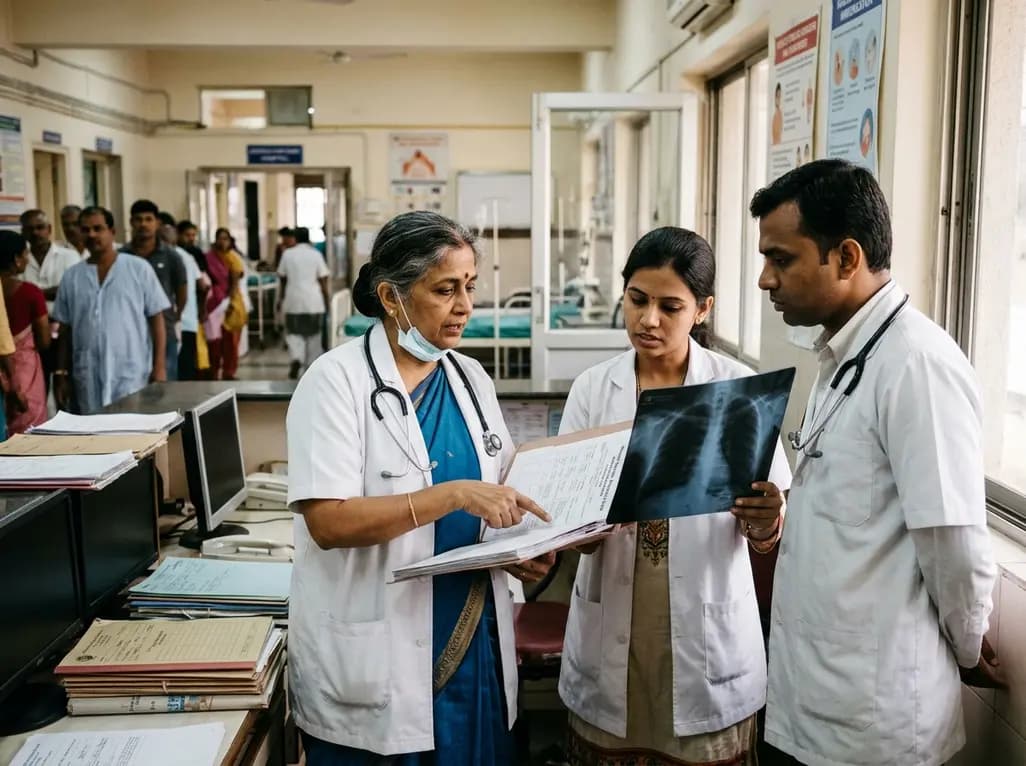
Recent epidemiological data presented by the Indian Cancer Society reveals a sobering clinical scenario in metropolitan India. In Mumbai, documented cancer cases have quadrupled over fifty-five years, rising from 3,059 cases in 1964 to 15,650 cases in 2019. Furthermore, annual deaths have more than doubled over three decades, reaching 7,563 fatalities in 2019. Most alarmingly, clinicians observe that approximately 53% of patients present with advanced or metastatic disease. Consequently, effective therapeutic intervention opportunities diminish before intensive clinical regimens can commence. While urban healthcare infrastructure expands rapidly, clinical survival outcomes continue to lag behind Western benchmarks. This discrepancy highlights the urgent need to prioritize cancer early detection across outpatient and community health settings. Primary physicians and specialists must actively coordinate to recognize early warning signs, address pervasive diagnostic delays, and streamline referrals before local lesions evolve into untreatable systemic disease.
Although raw cancer incidence numbers have surged dramatically, oncologists emphasize critical epidemiological context. Senior oncologists from Tata Memorial Hospital clarify that expanding populations and extended life expectancies drive this numeric increase. In fact, individuals aged sixty and older now represent nearly 56% of total cancer diagnoses, compared with only 33% in 1964. Therefore, increased longevity naturally creates higher lifetime exposure to oncogenic triggers and cellular mutations. However, individual disease risk in urban India has remained comparatively stable. For instance, age-standardized cancer incidence in urban India stands at approximately 110 per 100,000 population. In contrast, the United States reports roughly 360 cases per 100,000 people. Similarly, the age-adjusted mortality rate in Mumbai declined marginally from 61.3 to 57 per 100,000 population. Thus, absolute mortality growth reflects our expanding demographic denominator rather than a sudden leap in individual biological vulnerability. Nevertheless, the aggregate public health impact remains massive, with India recording around 14 lakh new cases annually according to GLOBOCAN estimates. Clinicians must therefore understand both population aging and individual exposure profiles when evaluating asymptomatic geriatric patients in routine clinical examinations.
The central challenge confronting Indian oncologists remains advanced stage at initial presentation. When more than half of cancer patients present with stage III or IV malignancy, therapeutic efficacy drops precipitously. For example, early-stage epithelial carcinomas often respond favorably to localized surgical excision, organ-preserving procedures, and targeted adjuvant therapy. In contrast, late presentation necessitates aggressive systemic chemotherapy, extensive radiotherapy, and palliative measures with compromised long-term survival. Dr. Vinay Deshmane highlighted that inadequate public awareness directly fuels this clinical delay. Patients often dismiss painless lesions, intermittent bleeding, or atypical swellings until debilitating symptoms appear. Furthermore, social stigma and fatalistic attitudes frequently deter patients from seeking prompt consultations. Tata Memorial Hospital historical trends indicate positive shifts, as average breast tumor presentation size fell from 6.4 cm to 2.7 cm over past decades. However, clinical experts insist that presentation when lesions measure under 1 cm yields vastly superior outcomes. Consequently, healthcare practitioners must educate ambulatory patients that localized malignancies seldom produce pain. Clinicians must encourage prompt investigation of subtle mucosal, cuticular, or glandular alterations rather than adopting watchful waiting for ambiguous complaints.
To reverse adverse mortality trajectories, primary care clinicians must embed systematic cancer early detection strategies into daily outpatient workflows. General practitioners and internists function as crucial first responders who identify malignant transformations before extensive dissemination occurs. Therefore, clinicians must routinely conduct opportunistic physical screenings during standard medical visits for middle-aged and older adults. Specifically, visual examination of the oral cavity can expose suspicious erythroplakia or leukoplakia among tobacco consumers. Similarly, bilateral clinical breast examinations can detect discrete masses long before skin dimpling or lymphatic fixation manifests. Furthermore, clinicians should counsel women aged thirty and older to undergo visual inspection with acetic acid or cervical cytology. Beyond physical examination, physicians must maintain high clinical suspicion when evaluating persistent non-specific systemic complaints. For instance, unexplained weight loss, chronic hoarseness, altered bowel habits, or persistent dyspepsia require definitive diagnostic pathways rather than repeated empirical symptomatic therapies. In addition, taking a detailed three-generation family pedigree helps identify individuals carrying inherited genetic predispositions who warrant earlier surveillance. By transforming routine primary consultations into vigilant oncological screening encounters, clinicians can intercept aggressive tumors before regional metastasis compromises curative potential.
Delayed diagnosis does not stem solely from informational deficits; geographical and systemic hurdles create formidable bottlenecks. Tata Memorial Hospital leadership noted that numerous patients travel fifty to one hundred kilometers across Northern and Western India to access reputable diagnostic centers. Consequently, multiple arduous journeys cause catastrophic diagnostic delays, substantial financial depletion, and eventual treatment abandonment. Even motivated patients frequently encounter fragmented referral pathways and protracted waiting periods for biopsy confirmation. To alleviate this burden, regional health administrations have initiated comprehensive infrastructural expansion initiatives. In Maharashtra, the government plans nineteen dedicated cancer facilities, including nine 150-bed hospitals and ten 50-bed day-care centers. Decentralizing specialized oncological infrastructure allows regional patients to undergo prompt baseline investigations closer to home. However, physical infrastructure alone cannot eliminate disparities without synchronized referral coordination. Primary health centers, district hospitals, and tertiary cancer hubs must utilize unified digital protocols to transmit pathology slides and radiological scans seamlessly. Furthermore, integrating telemedicine can empower rural generalists to consult oncologists quickly regarding suspicious findings. By lowering logistical hurdles and diagnostic intervals, decentralized care models substantially enhance early-stage interception across diverse socio-economic strata.
To optimize clinical cancer detection, medical practitioners must implement structured screening protocols adapted to resource-conscious environments. Physicians should align ambulatory evaluation with the national framework for non-communicable diseases. For oral cancer, doctors should inspect buccal mucosa, gingiva, and tongue margins in all patients with tobacco or betel quid habits. When encountering persistent white or red patches exceeding two weeks, doctors must perform or refer for urgent toluidine blue staining or biopsy. For breast cancer, clinicians should recommend annual clinical breast examinations starting at age thirty, supplemented by biennial screening mammography for women between forty and seventy years. For colorectal malignancy, clinicians should recommend annual fecal occult blood tests or colonoscopy every ten years for adults aged forty-five and above. Moreover, physicians must aggressively recommend prophylactic human papillomavirus vaccination for eligible adolescents and young adults. In addition, lifestyle counseling regarding tobacco cessation, dietary modifications, and physical activity reinforces primary prevention. Ultimately, physician-driven screening vigilance bridges the divide between symptomatic presentation and curative intervention, fundamentally protecting vulnerable populations from preventable premature mortality.
Q1: Why are cancer mortality rates failing to drop substantially across urban India?
Although age-adjusted cancer mortality in urban India has stabilized, total cancer deaths continue to climb steadily because of rapid population growth and expanding life expectancy. Furthermore, late diagnosis remains widespread, with over 53% of urban patients presenting at stage III or IV. Consequently, delayed presentation significantly limits curative surgical opportunities, impairs overall systemic treatment efficacy, and keeps survival rates markedly lower than benchmarks documented in Western countries.
Q2: How does an aging demographic influence urban India's aggregate cancer statistics?
Currently, individuals aged sixty and older account for nearly 56% of all cancer diagnoses in urban centers, compared to just 33% in 1964. As medical advancements improve survival from cardiovascular and infectious illnesses, extended longevity inherently increases cumulative exposure to oncogenic triggers and cellular mutations. Consequently, overall absolute caseloads surge considerably across urban registries, even though standardized individual risk remains comparatively constant across successive generations.
Q3: Which opportunistic cancer screening tests can primary care physicians routinely perform?
Primary physicians can readily perform systematic visual oral cavity examinations to identify precancerous leukoplakia, routine clinical breast examinations to palpate asymptomatic solitary masses, and visual inspection of the cervix with acetic acid. Furthermore, practitioners should actively offer fecal occult blood testing for patients older than forty-five and maintain prompt referral protocols for any unexplained lymphadenopathy, persistent ulceration, or abnormal postmenopausal bleeding.
Disclaimer: This content is for informational and educational purposes only. It does not constitute medical advice or replace professional judgment. Refer to the latest local and national guidelines for clinical practice.
References

Read summarized clinical updates, watch expert medical content, and earn CME certifications right from your smartphone.
Open your smartphone camera to scan and install.





Cancer registry data from Mumbai highlights that cancer cases quadrupled and deaths doubled over three decades. With 53% of patients presenting at advanced stages, healthcare providers must tackle systemic gaps through opportunistic screening, timely referrals, and decentralized clinical infrastructure across India.
Today

The GESS-AEEM consensus establishes a clear clinical implementation framework for testosterone therapy in postmenopausal women with hypoactive sexual desire disorder, focusing on transdermal dosing, precise laboratory monitoring, and safety communication.
Yesterday
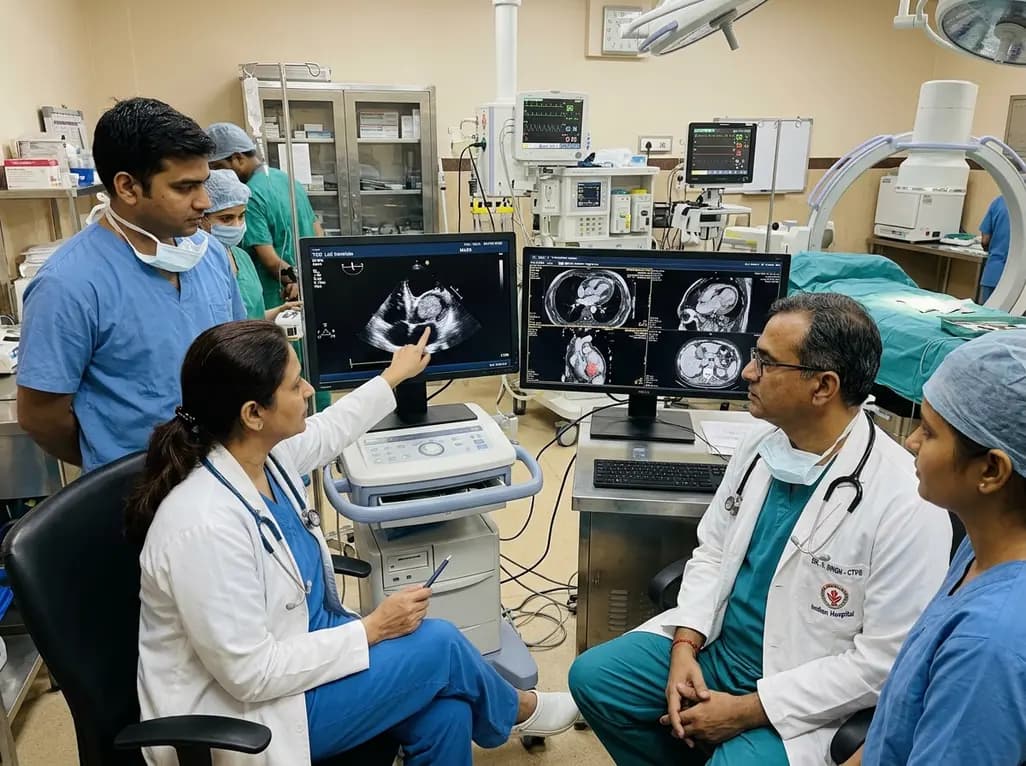
A rare case of an asymptomatic left ventricular hemangioma highlights the vital role of multimodal imaging in differentiating vascular tumors from thrombus. Complete surgical resection under transesophageal echocardiography guidance prevents thromboembolism and delivers optimal outcomes.
Today
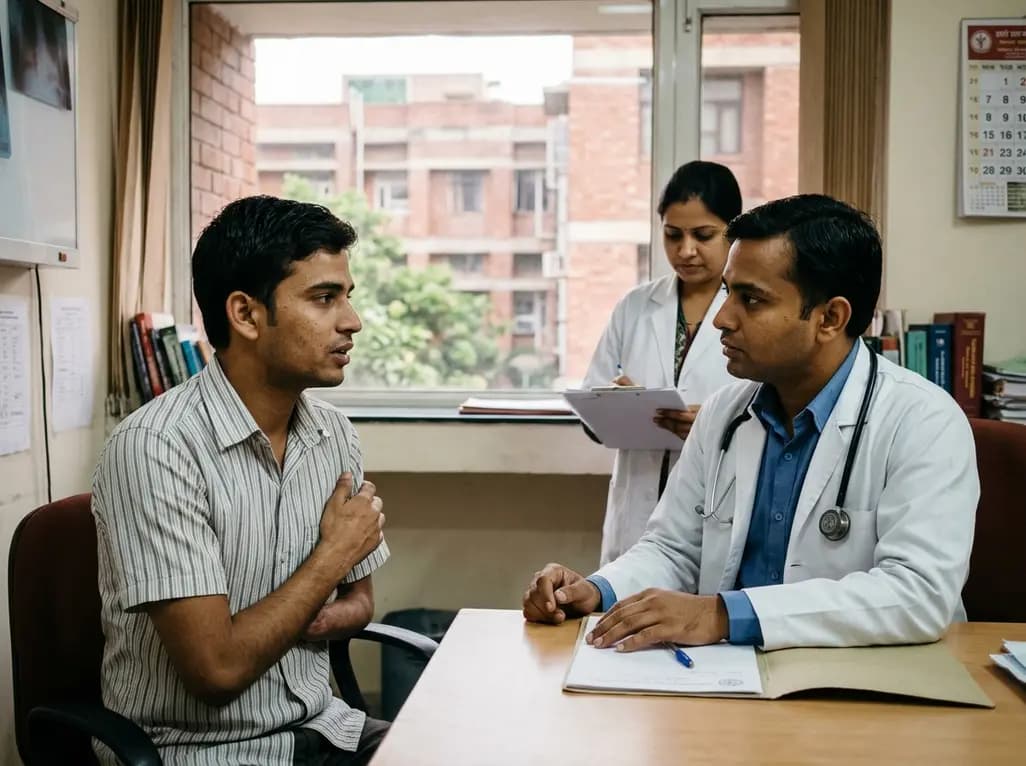
A landmark study evaluates long-term quality of life in adolescents and adults with brachial plexus birth injury. Severe functional limitation and limited access to care significantly worsen outcomes, underscoring the urgent need for persistent, multidisciplinary management across adult healthcare transitions.
Today

An analysis of 1,000 posts by macro- and mega-influencers on Instagram and TikTok revealed that 78.5% contained nutrition misinformation, while only 24% of creators held valid credentials. This article examines the clinical risks of viral dietary fads and provides actionable guidance for healthcare professionals.
Today
