.webp&w=384&q=75)

Loading, please wait...
Loading, please wait...
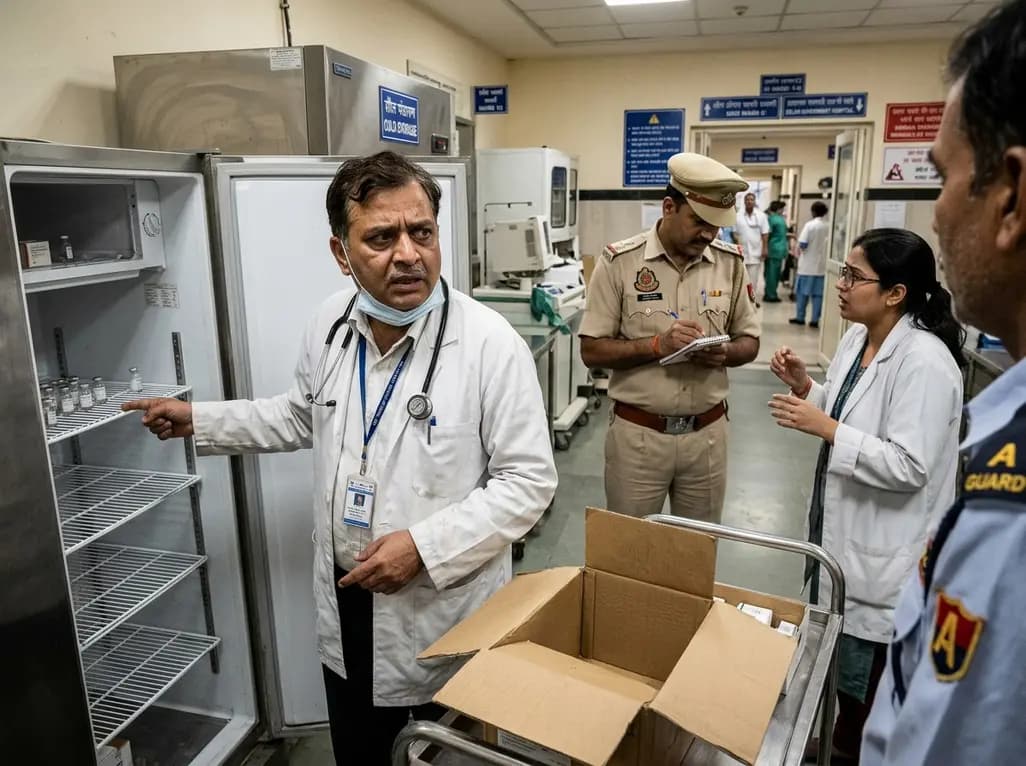
Recent reports of cancer drug theft at a government hospital have alarmed healthcare authorities across the national capital. Specifically, sixteen vials of nimotuzumab disappeared from a designated cold-chain refrigerator at the Delhi State Cancer Institute in Dilshad Garden. The stolen medication carries an estimated retail value between nine and eleven lakh rupees. Consequently, this critical breach emphasizes the growing vulnerabilities within hospital pharmacy systems across India.
According to the official police complaint, clinical staff secured four boxes of nimotuzumab in the refrigerator on October 3. Each box contained four individual 50 mg vials designated for scheduled day care infusions. However, when staff opened the cooling unit two days later, all four boxes had vanished completely. The institute subsequently formed an internal inquiry committee to inspect physical stock and dispensary logs. Furthermore, hospital administrators notified local law enforcement to facilitate a criminal inquiry.
Police officials officially registered a First Information Report under Section 305(a) of the Bharatiya Nyaya Sanhita at the GTB Enclave station. This legal provision addresses theft within dwelling structures, places of worship, or property storage facilities. Moreover, investigators are currently probing whether organized trafficking syndicates orchestrated this diversion. Authorities noted that similar suspicious stock discrepancies had occurred at the facility previously. Therefore, detectives are reviewing surveillance footage, staff rosters, and visitor access logs around the daycare unit. In addition, healthcare regulatory authorities are tracking potential resale channels to prevent unauthorized distribution into private retail markets. These coordinated regulatory steps protect institutional integrity and reinforce statutory accountability.
Nimotuzumab represents an advanced humanized monoclonal antibody designed to block the epidermal growth factor receptor. Oncologists frequently prescribe this targeted biotherapy for advanced squamous cell carcinomas of the head and neck. Additionally, clinicians administer nimotuzumab alongside radiation or standard chemotherapy regimens for glioblastoma multiforme. The antibody binds specifically to the extracellular domain of the receptor with intermediate affinity. Because of this bivalent binding requirement, the molecule selectively targets malignant cells that demonstrate substantial receptor overexpression.
Consequently, nimotuzumab spares healthy normal tissues that express lower physiological receptor levels. This unique pharmacodynamic mechanism markedly reduces the frequency of severe acneiform skin eruptions compared to other anti-EGFR therapies. Nevertheless, each therapeutic course requires consistent dosing protocols, typically 200 mg infused weekly over several weeks. When sudden supply interruptions occur due to theft, patients face treatment delays that jeopardize locoregional disease control. Disrupted schedules may allow resistant tumor clones to proliferate rapidly. Therefore, uninterrupted access to this biologic remains paramount for achieving optimal clinical response and disease-free survival. Furthermore, public cancer centers provide these costly monoclonal antibodies at subsidized rates or without charge to needy families. Thus, any sudden disappearance directly threatens indigent patients who depend entirely on state-funded oncology services.
Monoclonal antibodies are complex protein molecules that remain exceptionally sensitive to environmental temperature shifts. Manufacturers mandate strict refrigerated storage between two and eight degrees Celsius to prevent thermal degradation. Furthermore, handlers must protect these biologic solutions from freezing, agitation, and direct light exposure. If illicit actors extract vials without certified cold-chain equipment, protein unfolding and irreversible aggregation will rapidly occur. Consequently, degraded formulations lose their therapeutic neutralizing capacity against target receptors.
Even worse, aggregated proteins can provoke life-threatening immunogenic reactions upon systemic administration. Patients receiving compromised biologics risk severe anaphylaxis, acute infusion toxicities, and sudden hemodynamic collapse. In addition, diverted vials frequently enter unauthorized secondary distribution markets. Black-market operators often falsify secondary packaging, obliterate batch numbers, and reintroduce spoiled vials to unsuspecting buyers. Hence, clinicians outside formal hospital channels face severe risks when administering unverified medications. Moreover, hospital administrators must alert regional drug controllers whenever high-value biologicals disappear unexpectedly. Such proactive reporting helps intercept compromised batches before unsuspecting community oncologists purchase them. Ultimately, stolen oncology biologics represent an acute hazard to patient safety rather than merely a financial loss.
Hospital daycare infusion suites experience continuous foot traffic throughout operational hours. Patients, accompanying family members, nursing officers, oncology fellows, and support personnel move through these busy treatment areas constantly. Consequently, decentralizing high-value drug storage to ward refrigerators without biometric safeguards creates serious security gaps. Standard clinical refrigerators often lack electronic access logs, opening alarms, or integrated security sensors. Therefore, unauthorized individuals can remove compact drug packages within seconds without detection.
Furthermore, gaps between procedural administration and official dispensary handovers leave high-cost medications unmonitored during shift handoffs. When staff store leftover or next-day vials in general daycare refrigerators over weekends, surveillance often drops significantly. In this particular incident, staff placed the vials on Friday evening, but noticed their absence on Sunday morning. Meanwhile, internal hospital audits frequently occur retrospectively instead of continuously via automated inventory management tools. Thus, discrepancies often emerge days after the actual diversion occurs, making forensic identification extremely difficult. Additionally, institutions must mandate dual-signature sign-offs for all high-cost oncology preparations during every handover. This simple operational procedure prevents unauthorized withdrawals and identifies procedural lapses immediately. Correcting these systemic lapses requires rigorous administrative oversight and strict ward-level chain of custody protocols.
To prevent future diversions, oncology centers must institute comprehensive pharmaceutical security and accountability frameworks. First, facilities should implement automated dispensing cabinets equipped with biometric access controls and electronic audit logging. Such smart storage units restrict access exclusively to authorized, designated nursing and pharmacy personnel. In addition, closed-circuit television cameras should monitor all cold-chain refrigerators continuously with continuous video archiving. Dual-verification protocols must accompany every medication transfer between central hospital pharmacies and clinical infusion wards.
Furthermore, healthcare systems should adopt serialized two-dimensional data-matrix barcodes on individual primary vials. Scanning unique identifiers at dispensing and patient administration establishes an unbroken, digital chain of custody. Consequently, hospital administrators can verify whether specific vials reached legitimate patients or suffered unauthorized diversion. If inventory shortages occur, automated systems immediately notify hospital leadership and vigilance committees. Moreover, clinical pharmacy departments should dispense biologics strictly on a patient-specific, just-in-time schedule rather than maintaining unmonitored ward stock. Therefore, combining digital tracking with strict physical security safeguards public healthcare funds effectively. Ultimately, robust inventory governance preserves patient safety and ensures equitable access to life-saving cancer therapies. Finally, healthcare facilities must enforce strict whistleblower policies and coordinate promptly with statutory drug inspectors whenever anomalies arise.
Q1: What clinical role does nimotuzumab serve in modern oncology treatment?
Nimotuzumab is a humanized monoclonal antibody targeting the epidermal growth factor receptor. Oncologists prescribe this targeted biotherapy primarily for locally advanced or recurrent squamous cell carcinomas of the head and neck. Additionally, physicians combine it with radiation or chemotherapy to treat malignant gliomas. Because the antibody possesses an intermediate binding affinity, it selectively binds tumor cells overexpressing the target receptor. Consequently, it rarely produces severe acneiform rashes, offering improved patient tolerability and sustained treatment adherence.
Q2: Why do stolen biopharmaceuticals pose severe health risks to patients?
Stolen biopharmaceuticals face catastrophic breaks in cold-chain maintenance during illicit handling, transit, and storage. Exposure to room temperature causes protein denaturing, therapeutic inactivation, and dangerous molecular aggregation. Consequently, patients who receive improperly preserved biologics achieve suboptimal anticancer effects and risk accelerated tumor progression. Furthermore, degraded protein aggregates frequently trigger severe immunogenic responses, including acute anaphylaxis and systemic cytokine release. Therefore, diverted medicines sold outside regulated distribution networks jeopardize patient survival directly and critically undermine treatment safety.
Q3: How should hospital pharmacies safeguard high-cost medications against internal diversion?
Hospital pharmacies must establish multi-layered physical and digital security controls to prevent inventory diversion. First, institutions should deploy automated dispensing cabinets with biometric authentication and real-time electronic auditing. Additionally, continuous closed-circuit camera coverage should monitor every specialized refrigerator in clinical wards. Facilities must also mandate dual-person verification during every medication transfer between dispensaries and daycare suites. Furthermore, dispensing biologics on a patient-specific basis eliminates unmonitored ward stock. Meanwhile, serialized barcode scanning tracks every vial reliably until bedside infusion.
Disclaimer: This content is for informational and educational purposes only. It does not constitute medical advice or replace professional judgment. Refer to the latest local and national guidelines for clinical practice.
References

Read summarized clinical updates, watch expert medical content, and earn CME certifications right from your smartphone.
Open your smartphone camera to scan and install.





An official FIR under Bharatiya Nyaya Sanhita followed the disappearance of high-value nimotuzumab vials from the Delhi State Cancer Institute. This incident underscores urgent regulatory and clinical concerns surrounding oncological supply security, cold-chain governance, and the diversion of vital biotherapies.
Today
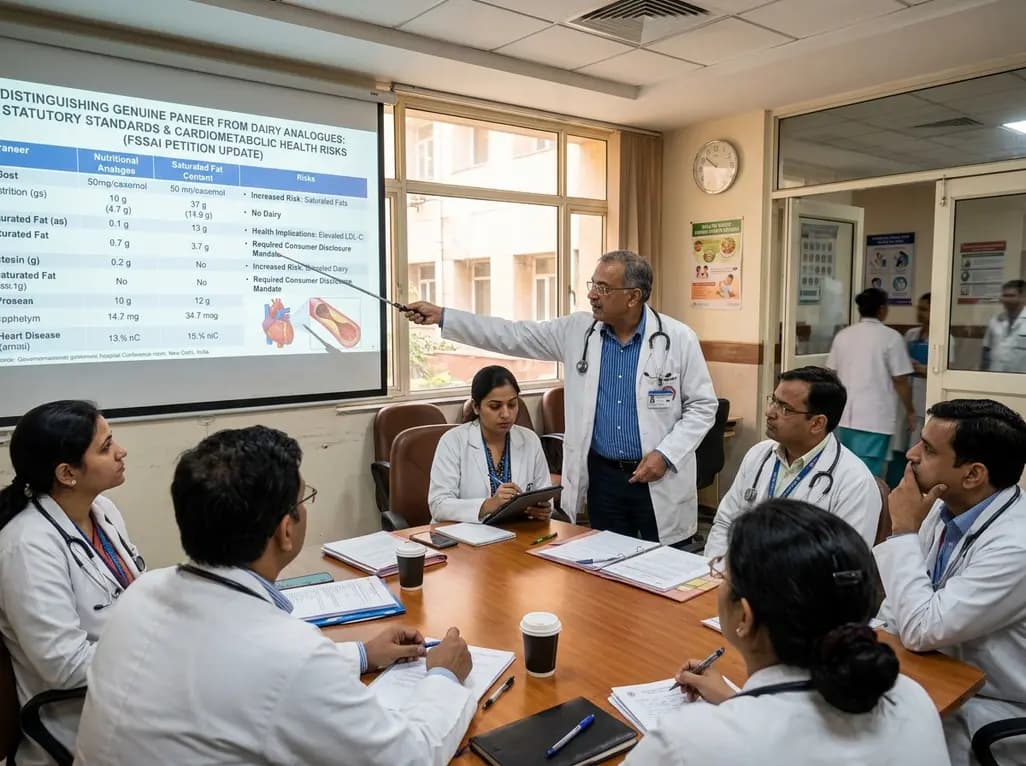
The Delhi High Court has directed the FSSAI and Centre to address petitions regarding dairy analogue products sold as genuine paneer. Learn about the statutory standards, nutritional differences, cardiometabolic health risks, and required consumer disclosure mandates in eateries across India.
Today

The government of Maharashtra is establishing a novel state-level Living Lab to elevate clinical outcomes, bridge public-private service gaps, and test real-world health interventions. By integrating digital innovations and frontline feedback, the platform fosters sustainable, equitable care models across communities.
Today
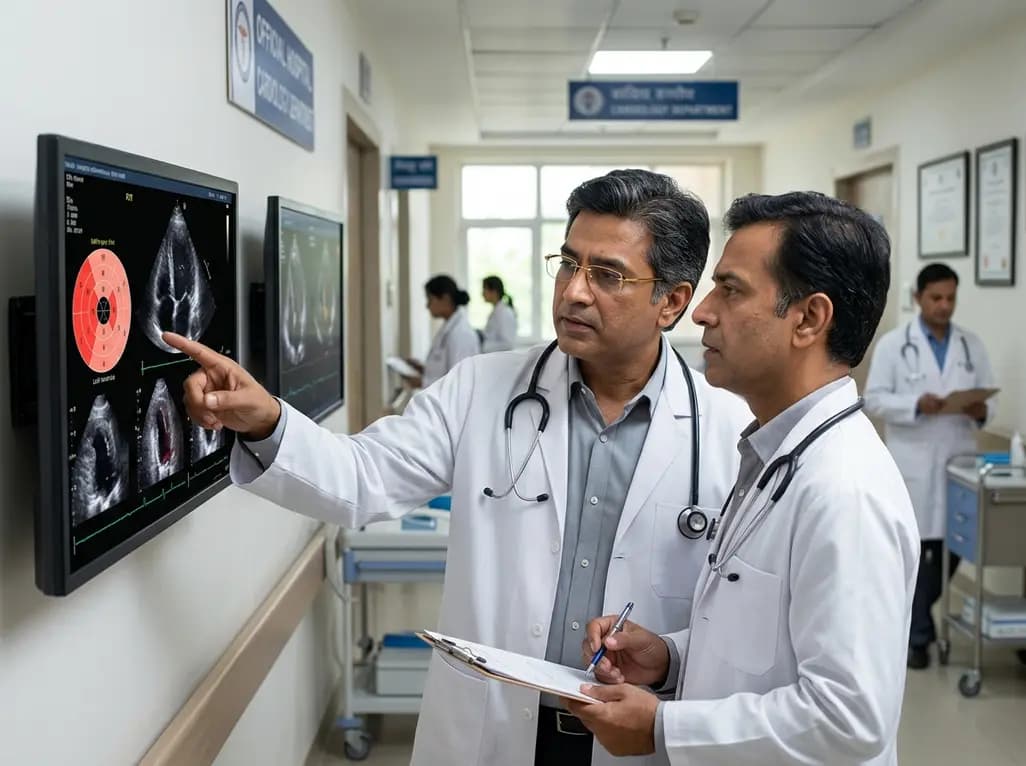
Cardiac involvement is the leading cause of mortality in EGPA. This report highlights an overlap phenotype of lymphocyte-predominant myocardial injury, Takotsubo-like cardiomyopathy, and left ventricular thrombus, emphasizing early multimodality diagnostics and aggressive immunosuppressive biologic therapy.
Today

The state government is deploying helicopter emergency medical services across the Mumbai-Pune Expressway, Samruddhi Mahamarg, and Mumbai-Goa Highway. This initiative establishes unified standard operating procedures to enable rapid triage, advanced prehospital resuscitation, and seamless trauma care transfers.
Today

A systematic review and meta-analysis of 5,406 participants reveals that tirzepatide significantly reduces hsCRP by 34.3%, improves cardiorenal biomarkers, and enhances functional capacity and exercise endurance in patients with heart failure.
Today
