

Loading, please wait...
Loading, please wait...

This study investigated whether intraoperative neurophysiological monitoring reduces early postoperative neurological deficits following resection of intradural extramedullary spinal tumours. Four retrospective cohort studies involving 602 patients were included, with 306 undergoing surgery with IONM and 296 without it. Early postoperative neurological deficits occurred in 6.2% of monitored patients compared with 15.2% of unmonitored patients, corresponding to a significantly lower risk with IONM (OR 0.39; 95% CI 0.20–0.75; P=0.005). The estimated absolute risk reduction was 9.2%, with a number needed to treat of approximately 11. However, the evidence was rated low certainty because of the retrospective study designs and sensitivity to individual studies. The authors concluded that IONM may be particularly useful in selected higher-risk spinal tumour surgeries, although prospective studies are needed.

Read summarized clinical updates, watch expert medical content, and earn CME certifications right from your smartphone.
Open your smartphone camera to scan and install.





This study investigated whether intraoperative neurophysiological monitoring reduces early postoperative neurological deficits following resection of intradural extramedullary spinal tumours. Four retrospective cohort studies involving 602 patients were included, with 306 undergoing surgery with IONM and 296 without it. Early postoperative neurological deficits occurred in 6.2% of monitored patients compared with 15.2% of unmonitored patients, corresponding to a significantly lower risk with IONM (OR 0.39; 95% CI 0.20–0.75; P=0.005). The estimated absolute risk reduction was 9.2%, with a number needed to treat of approximately 11. However, the evidence was rated low certainty because of the retrospective study designs and sensitivity to individual studies. The authors concluded that IONM may be particularly useful in selected higher-risk spinal tumour surgeries, although prospective studies are needed.
Today

A study in aged rats reveals that caloric restriction broadly upregulates adipose macrophage genes, whereas concurrent endurance training buffers this response. Despite these tissue-level transcriptional changes, systemic glycemic and lipid markers remain unchanged, highlighting the complexity of geriatric metabolism.
Today
A multicenter study evaluates an XGBoost machine learning model to predict miscarriage risk in PCOS after fresh embryo transfer. While discrimination was strong internally, cross-cohort calibration drift emphasizes its role as a risk-ranking tool rather than a standalone diagnostic instrument.
Today

A landmark study reveals structured variation in daily emotional experiences using mobile cardiac monitoring and machine learning. Uncovering a many-to-many mapping between autonomic states and feelings, this research offers key insights for managing psychosomatic and psychiatric conditions in clinical practice.
Today
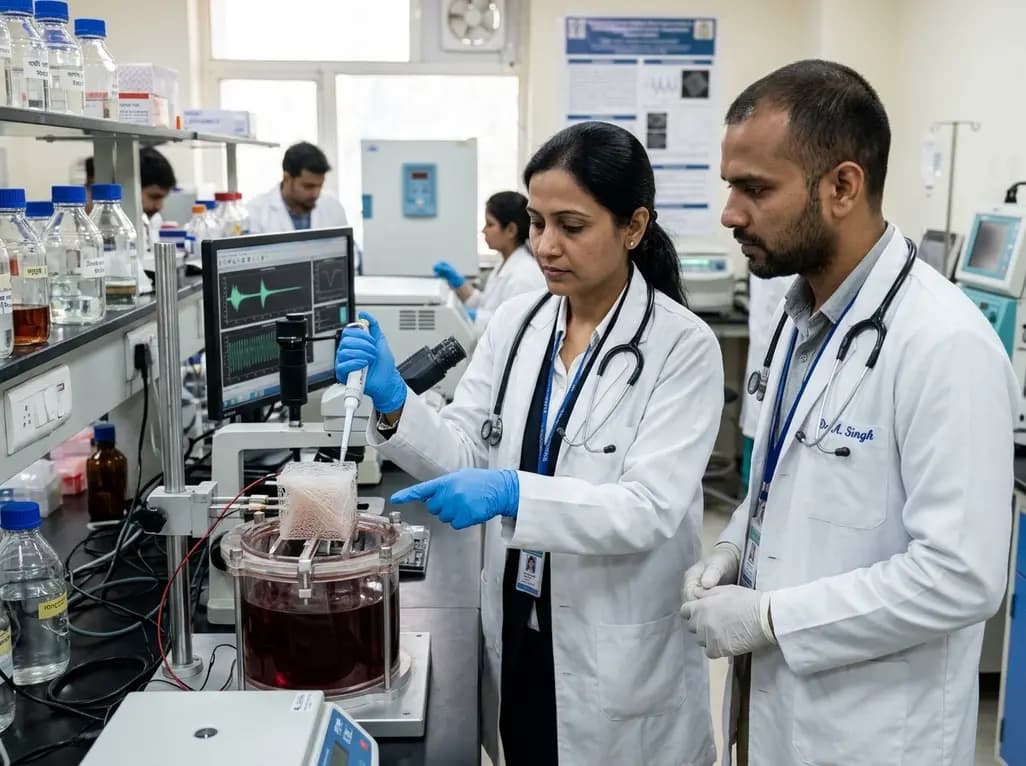
Engineered 3D piezoelectric PHBV scaffolds generate electrical charges during mechanical strain, mimicking native muscle electromechanics to promote cellular alignment, myogenic differentiation, and functional tissue repair in severe volumetric muscle loss.
Today
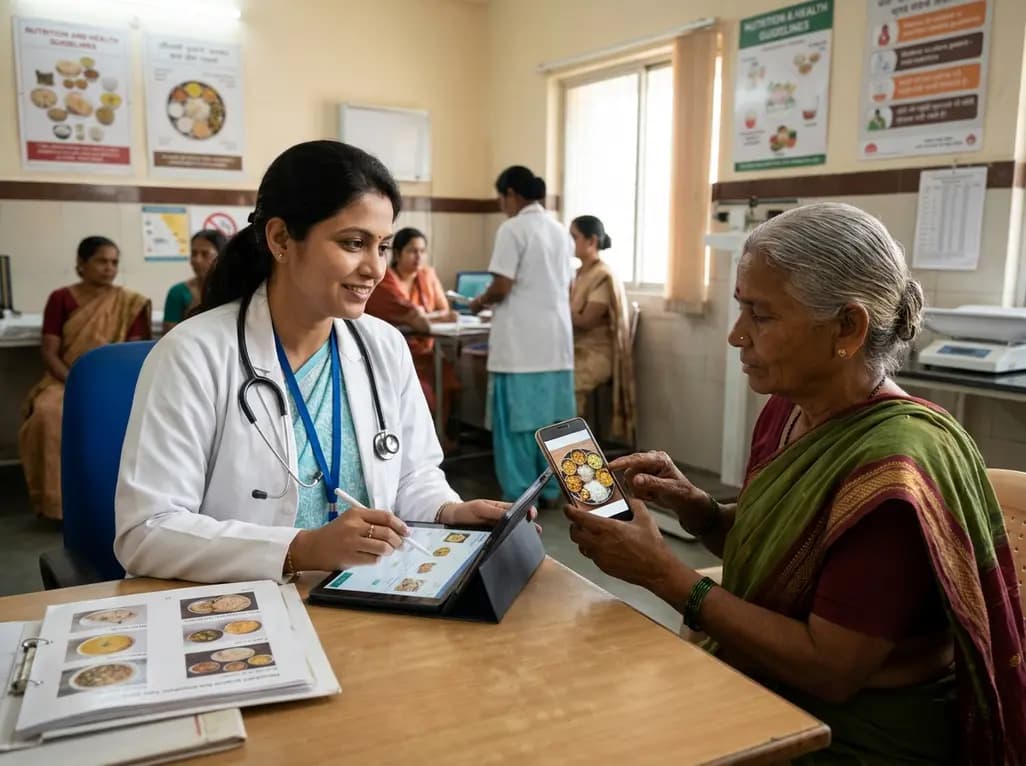
A recent study highlights that pairing photograph-assisted 24-hour recalls with regional food databases significantly boosts dietary assessment accuracy. This methodology reduces cultural bias and strengthens nutrient tracking, offering crucial lessons for clinicians managing nutritional care in diverse populations.
Today
