.webp&w=384&q=75)

Loading, please wait...
Loading, please wait...

Caffeine heat strain is a significant concern for healthcare providers managing athletes and manual laborers in tropical climates like India. While caffeine is widely consumed for its ergogenic benefits, its thermogenic properties may complicate thermoregulation. A recent study investigated how caffeine habituation affects physiological responses during physical work in hot and humid environments.
Researchers employed a double-blind, crossover design with 14 active, caffeine-habituated adults. Participants performed a two-hour heat trial involving walking and lifting at 35 °C with 50% relative humidity. The subjects ingested either 5 mg/kg of caffeine or a placebo 30 minutes before the trial. The results showed that caffeine significantly increased peak core temperature and peak heart rate. Additionally, participants in the caffeine group experienced greater bodyweight loss, suggesting a higher sweat rate or diuretic effect.
One of the primary goals was to determine if caffeine increases the risk of organ injury. The study measured markers of acute kidney injury (AKI), such as urinary IGFBP7•TIMP-2 and NGAL. Interestingly, there were no significant differences in these AKI markers between the caffeine and placebo groups. However, serum cystatin C increased post-trial in the caffeine condition only. This finding suggests a potential reduction in the glomerular filtration rate during peak caffeine heat strain.
Furthermore, the study evaluated markers of intestinal injury and endotoxemia. The results indicated no significant differences in I-FABP or sCD14 levels between conditions. This suggests that while caffeine elevates thermal and cardiovascular strain, it may not acutely exacerbate gut barrier dysfunction in habituated individuals. Consequently, practitioners should focus on monitoring core temperature rather than immediate organ damage in patients consuming moderate caffeine before heat exposure.
For individuals performing labor in hot environmental conditions, the rise in core temperature associated with caffeine is a critical safety factor. Workers should be aware that caffeine can accelerate the rate of temperature rise, potentially reaching dangerous thresholds faster. Therefore, maintaining strict hydration protocols and frequent cooling breaks becomes even more essential when caffeine is consumed.
According to this study, caffeine intake does not significantly alter specific biomarkers of acute kidney injury like NGAL, though it may cause a transient decrease in glomerular filtration as indicated by cystatin C levels.
Caffeine has been shown to increase peak core temperature and heart rate during physical work in hot conditions, which can accelerate the progression of heat-related strain.
While habituated individuals may tolerate caffeine better, they still face an increased rate of core temperature rise and should exercise caution and ensure adequate hydration to mitigate heat strain.
Disclaimer: This content is for informational and educational purposes only. It does not constitute professional medical advice, diagnosis, or treatment. Always seek the advice of your physician or other qualified healthcare provider with any questions you may have regarding a medical condition. Refer to the latest local and national guidelines for clinical practice.
References
Specht JW et al. Caffeine Increases Core Temperature without Altering Markers of Kidney or Gut Injury after Physical Work in the Heat in Caffeine-Habituated Adults. Med Sci Sports Exerc. 2026 Mar 03. doi: 10.1249/MSS.0000000000003981. PMID: 41774477.
Pryor JL, et al. Caffeine and thermoregulation during exercise in the heat. Scandinavian Journal of Medicine & Science in Sports. 2017.
National Institute for Occupational Safety and Health (NIOSH). Heat Stress: Hydration and Physiological Monitoring. 2023.

Read summarized clinical updates, watch expert medical content, and earn CME certifications right from your smartphone.
Open your smartphone camera to scan and install.





A study found caffeine increases core temperature and heart rate during work in heat but does not significantly impact markers of acute kidney or gut injury...
7 months ago
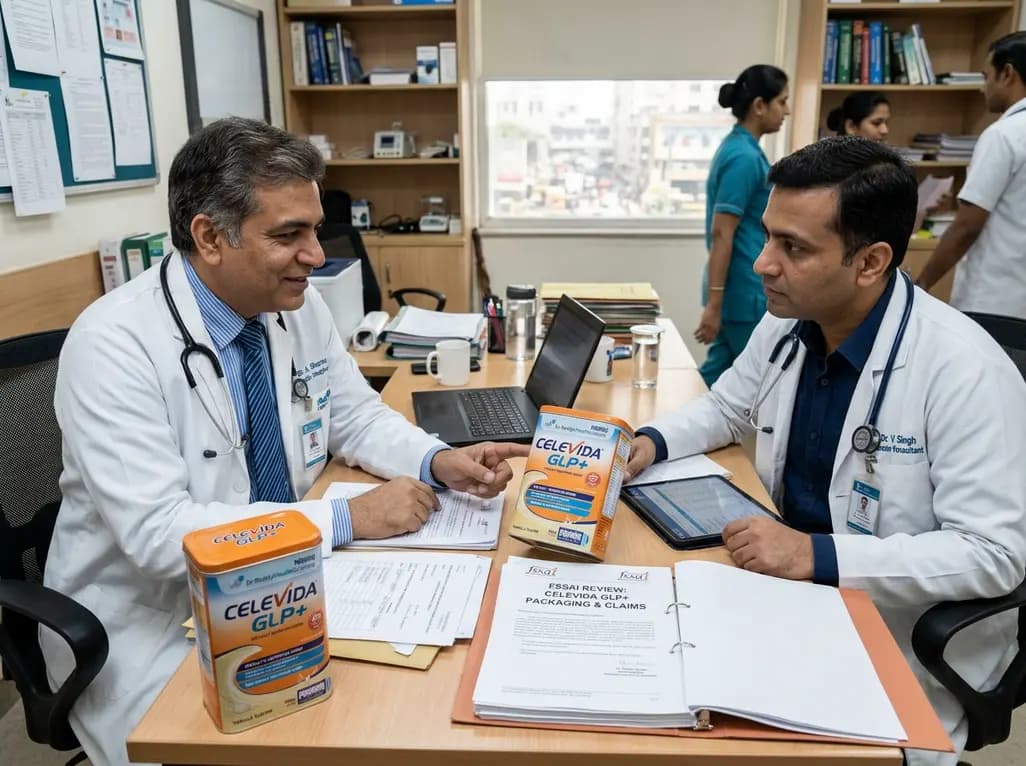
Following regulatory scrutiny from FSSAI regarding promotional representations and lean muscle preservation claims, Dr. Reddy's Laboratories and Nestlé Health Science are currently reviewing the branding and marketing strategy for their joint nutritional supplement Celevida GLP+.
Today

A comprehensive scoping review synthesises evidence linking prenatal maternal mental health to long-term offspring neurodevelopment, evaluating neuroendocrine, inflammatory, and epigenetic pathways while highlighting clinical screening and future research priorities.
Today

The Directorate General of Health Services directs Indian states to halt the hazardous reuse and reprocessing of single-use medical devices. Discover regulatory implications under the Drugs and Cosmetics Act, critical infection risks, legal liabilities, and operational changes required across clinical specialties.
Today
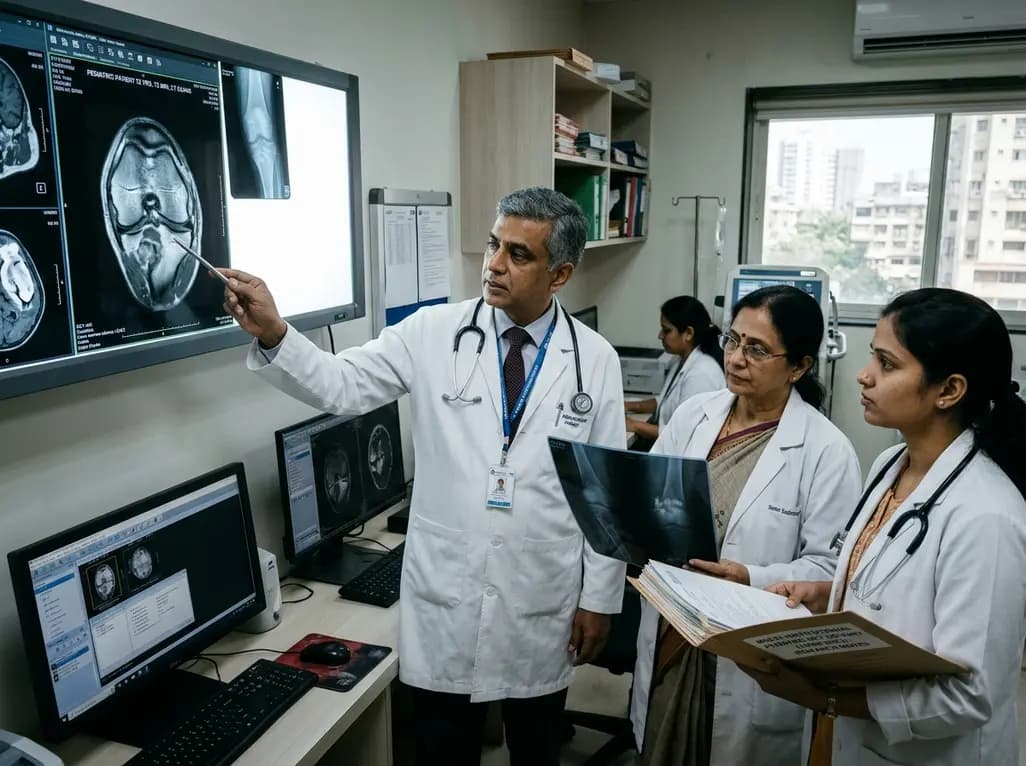
A 25-year multi-institutional cohort reveals high recurrence rates in pediatric giant cell tumor of bone, particularly in patients with open physes and bone marrow edema on preoperative MRI. Early surveillance and careful balance between growth plate preservation and tumor clearance are essential.
Today

India is advancing preventive healthcare by integrating genomics, artificial intelligence, and quantum technologies. With the SANGAM programme sequencing one million Indian genomes, clinicians can unlock personalized therapies, detect cardiometabolic risks early, and curb the burden of diabetes and heart disease.
Today
