

Loading, please wait...
Loading, please wait...

Butterfly gliomas represent one of the most formidable neuro-oncological challenges encountered in modern neurosurgery. Historically, clinicians viewed these bi-hemispheric lesions crossing the corpus callosum as virtually incurable and functionally unresectable. Consequently, many patients received only palliative care or stereotactic biopsy. However, emerging clinical evidence is radically reshaping this pessimistic outlook. Recent investigations demonstrate that active intervention significantly prolongs butterfly glioma survival. In particular, combining aggressive surgical resection with targeted molecular stratification provides meaningful gains in both overall survival and quality of life. Understanding these modern prognostic determinants empowers neurosurgeons and neuro-oncologists to optimize clinical decision-making.
Butterfly gliomas account for approximately 2.2% to 14% of all malignant gliomas. Radiographically, these tumors infiltrate the corpus callosum and extend symmetrically or asymmetrically into both cerebral hemispheres. Glioblastomas constitute the majority of these lesions, although high-grade astrocytomas also occur with considerable frequency. Notably, patients frequently present with progressive neurological deficits, cognitive decline, personality changes, and intractable intracranial hypertension. Neuro-radiological identification depends on contrast-enhanced magnetic resonance imaging, which delineates the extent of callosal involvement and contralateral hemisphere invasion. Furthermore, imaging plays a decisive role in surgical planning. Recent data indicate that radiological symmetry serves as a critical prognostic determinant. Specifically, patients harboring asymmetrical lesions often experience significantly better progression-free survival and overall survival compared to those with symmetric bilaterally extensive disease. Asymmetric anatomy often permits more substantial unilateral cytoreduction without injuring critical commissural fibers on the less-involved side. Therefore, advanced neuroimaging modalities, including diffusion tensor imaging and functional MRI, are essential for evaluating surgical feasibility. By clearly mapping subcortical white matter tracts, clinicians can differentiate between resectable tumor tissue and eloquent motor pathways. This precise anatomical evaluation prevents unnecessary treatment nihilism while establishing realistic therapeutic goals for high-grade bi-hemispheric tumors.
For decades, surgical intervention for butterfly lesions remained limited to needle biopsy due to fears of catastrophic bilateral neurological injury. Nevertheless, contemporary surgical paradigms have fundamentally shifted toward maximal safe resection. Recent institutional analyses confirm that achieving near-total or subtotal resection significantly improves butterfly glioma survival compared to diagnostic biopsy alone. Surgeons increasingly employ awake craniotomy alongside continuous intraoperative neurophysiological monitoring and cortical stimulation. Consequently, surgical teams can achieve extensive cytoreduction while rigorously protecting eloquent speech and motor pathways. In recent cohorts, near-total or subtotal resection was safely achieved in over sixty percent of operated individuals without increasing permanent deficits. Moreover, patients treated with awake resection demonstrated markedly superior overall survival and delayed tumor recurrence. Aggressive debulking reduces local mass effect, lowers elevated intracranial pressure, and alleviates intractable peritumoral edema. In addition, extensive cytoreduction minimizes tumor burden, thereby creating an optimal microenvironment for subsequent adjuvant therapies. Pre-operative functional status, measured by the Karnofsky Performance Scale, represents another vital predictor of post-resection recovery. Patients presenting with higher performance scores withstand surgical stress much better and recover functional independence faster. Accordingly, surgical resection should no longer be categorically excluded; instead, multidisciplinary teams should evaluate each patient for aggressive yet safe cytoreduction.
In modern neuro-oncology, histopathological assessment alone no longer suffices for accurate prognostic estimation. Instead, molecular profiling has revolutionized our understanding of glioma behavior and therapeutic response. Among these biological markers, isocitrate dehydrogenase (IDH) mutation status stands out as a paramount prognostic factor. The presence of an IDH mutation in butterfly gliomas correlates with significantly extended progression-free and overall survival. Mechanistically, IDH-mutant tumors display distinct epigenetic alterations, including extensive DNA hypermethylation, which confer heightened susceptibility to alkylating chemotherapies and radiation. Furthermore, IDH-mutant astrocytomas frequently occur in younger individuals, who generally possess superior physiological reserve and higher tolerance for multimodal therapies. Besides IDH status, assessing O6-methylguanine-DNA methyltransferase (MGMT) promoter methylation provides critical prognostic insight. Epigenetic silencing of the MGMT repair enzyme impairs the tumor's ability to repair DNA cross-links induced by temozolomide, leading to enhanced treatment sensitivity. Conversely, unmethylated tumors and IDH-wildtype gliomas represent a biologically aggressive phenotype characterized by rapid vascular proliferation and profound immunosuppression. Identifying these specific molecular subsets enables clinicians to avoid uniform treatment protocols. Instead, oncology teams can stratify patients into accurate risk categories, tailoring follow-up intervals and therapy intensity according to intrinsic tumor biology.
Surgical cytoreduction provides an essential foundation, but durable disease control strictly requires comprehensive adjuvant therapy. Following surgery, standard management entails concurrent chemoradiotherapy followed by maintenance alkylating chemotherapy. Clinical studies demonstrate that patients receiving this complete multimodal package experience substantially superior survival compared to those receiving incomplete treatment. Radiation therapy typically delivers fractionated doses targeted directly to the contrast-enhancing tumor bed and surrounding callosal infiltration zones. Simultaneously, daily temozolomide administration radiosensitizes malignant glial cells, effectively suppressing residual micro-invasive extensions. Furthermore, maintenance temozolomide maintains sustained antiproliferative pressure against residual clonal populations. However, delivering rigorous multimodal protocols demands vigilant supportive management. Clinicians must actively monitor for myelosuppression, opportunistic infections, and radiation-induced leukoencephalopathy. Corticosteroids, while necessary for managing peritumoral edema, must be judiciously tapered to preserve systemic immunological function. Additionally, early integration of structured physical, occupational, and cognitive neuro-rehabilitation accelerates functional recovery. When multidisciplinary teams coordinate care efficiently, patients retain functional autonomy for prolonged periods. Ultimately, uniting maximal surgical cytoreduction with complete chemoradiotherapy transforms butterfly gliomas from immediately fatal diagnoses into manageable oncological conditions.
Although evidence supports aggressive multimodal management, implementing these strategies poses formidable challenges in low- and middle-income countries. In resource-constrained environments, patients often present at advanced stages with severe neurological impairment and poor baseline functional scores. Furthermore, tertiary neuro-surgical centers frequently face shortages of specialized equipment, such as intraoperative neuro-navigation, ultrasonic aspirators, and awake craniotomy monitoring tools. Molecular diagnostics, including immunohistochemistry and next-generation sequencing for IDH and MGMT status, also remain prohibitively expensive or geographically inaccessible for many families. Nevertheless, pioneering studies from tertiary academic hospitals in South Asia demonstrate that excellent outcomes remain achievable despite these structural limitations. Skilled surgical teams can attain high rates of safe cytoreduction using meticulous micro-neurosurgical techniques and cost-effective functional monitoring. Additionally, established hypofractionated radiotherapy regimens offer comparable oncological control with fewer treatment sessions, reducing financial toxicity and travel burdens for underprivileged patients. Collaborative tumor boards and structured public-health subsidies further bridge the gap between guideline recommendations and clinical reality. Consequently, establishing evidence-based standardized protocols tailored to regional resources is essential. By expanding surgical training and molecular diagnostic access, low-resource settings can progressively elevate outcomes for patients confronting complex central nervous system malignancies.
The evolving literature underscores a decisive paradigm shift in the overall management of butterfly gliomas. Therapeutic nihilism is no longer justified in contemporary practice. Instead, clinical evidence supports an aggressive, individualized strategy that prioritizes maximal safe resection followed by multimodal chemoradiotherapy. Age under forty-five years, excellent preoperative performance status, asymmetric tumor morphology, and confirmed IDH mutations delineate patient cohorts with the most promising prognoses. Looking ahead, ongoing clinical trials and laboratory investigations are exploring novel therapeutic avenues to overcome blood-brain barrier penetration and treatment resistance. Emerging modalities, including tumor-treating fields, targeted small-molecule inhibitors, and individualized cellular immunotherapies, represent promising frontiers. Moreover, liquid biopsies utilizing circulating tumor DNA may soon facilitate real-time molecular monitoring without repeated invasive tissue sampling. To accelerate these advancements, international neuro-oncology consortiums must foster multicenter prospective registries that integrate comprehensive genomic profiling with standardized functional outcome measures. As our biological understanding deepens and surgical adjuncts continue to mature, clinicians will increasingly personalize interventions. Ultimately, converting biological discoveries into clinical practice will continue to improve long-term survival while safeguarding vital cognitive and functional capacities.
A butterfly glioma is characterized on neuroimaging by a malignant contrast-enhancing mass that infiltrates the corpus callosum and spreads across the midline into both cerebral hemispheres. This bi-hemispheric symmetrical or asymmetrical distribution classically resembles open butterfly wings on axial and coronal magnetic resonance imaging scans.
Yes, maximal safe resection can be achieved in carefully selected butterfly glioma patients. Utilizing modern surgical adjuncts, including awake craniotomy, intraoperative neuro-navigation, and continuous neurophysiological tract monitoring, neurosurgeons can achieve near-total or subtotal resection while preserving critical language and motor pathways without causing permanent deficits.
IDH mutations significantly prolong butterfly glioma survival compared to wild-type lesions. Mechanistically, IDH mutations induce epigenetic alterations that heighten tumor sensitivity to alkylating chemotherapy and radiation. Furthermore, these tumors occur more frequently in younger individuals with superior baseline functional status, leading to extended progression-free and overall survival.
Disclaimer: This content is for informational and educational purposes only. It is not intended to be a substitute for professional medical advice, diagnosis, or treatment. Always seek the advice of your physician or other qualified health provider with any questions you may have regarding a medical condition. Never disregard professional medical advice or delay in seeking it because of something you have read on this website. Refer to the latest local and national guidelines for clinical practice.
References

Read summarized clinical updates, watch expert medical content, and earn CME certifications right from your smartphone.
Open your smartphone camera to scan and install.





A landmark study reveals that maximal safe surgical resection combined with chemoradiotherapy significantly improves butterfly glioma survival, challenging historical nihilism and emphasizing the vital role of molecular markers like IDH mutations in clinical decision-making.
Today
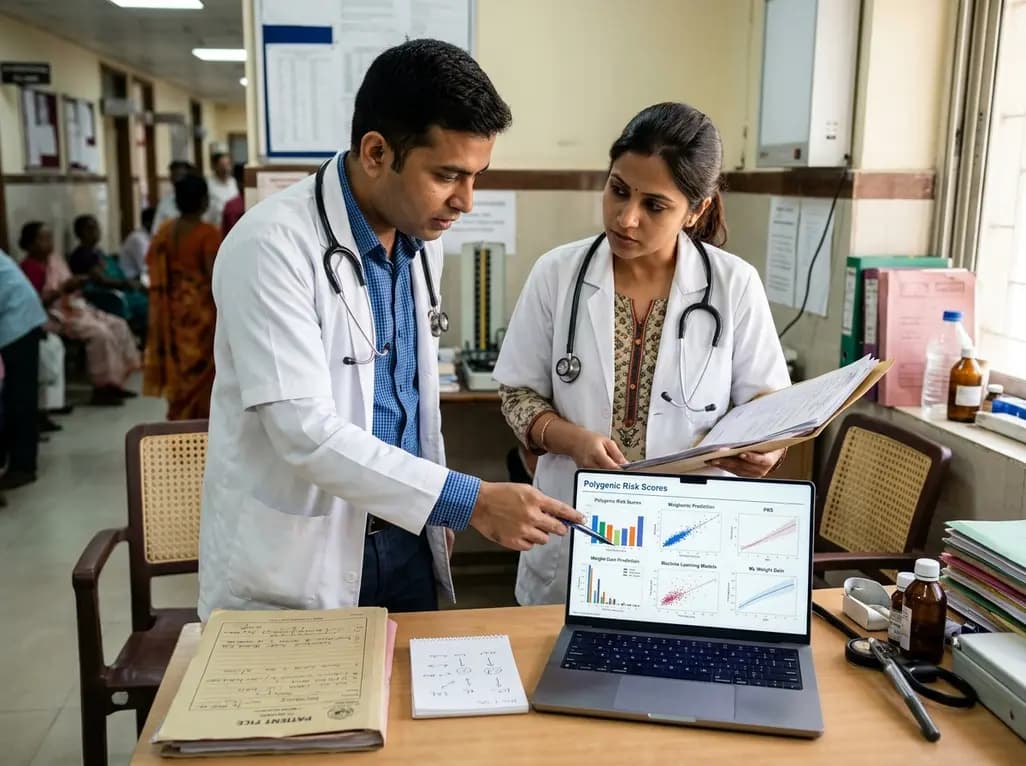
An observational study from the NIH All of Us Research Program reveals that adding a multi-ancestry polygenic risk score to machine learning models provides only modest improvements in predicting adult weight gain, underscoring the enduring significance of routine clinical and lifestyle factors.
Today

A study in JAMIA Open shows lightweight open-source reasoning LLMs achieve up to 95% sensitivity and accelerate evidence synthesis screening by nearly twentyfold, presenting a cost-effective, scalable AI solution for biomedical research and systematic reviews.
Today
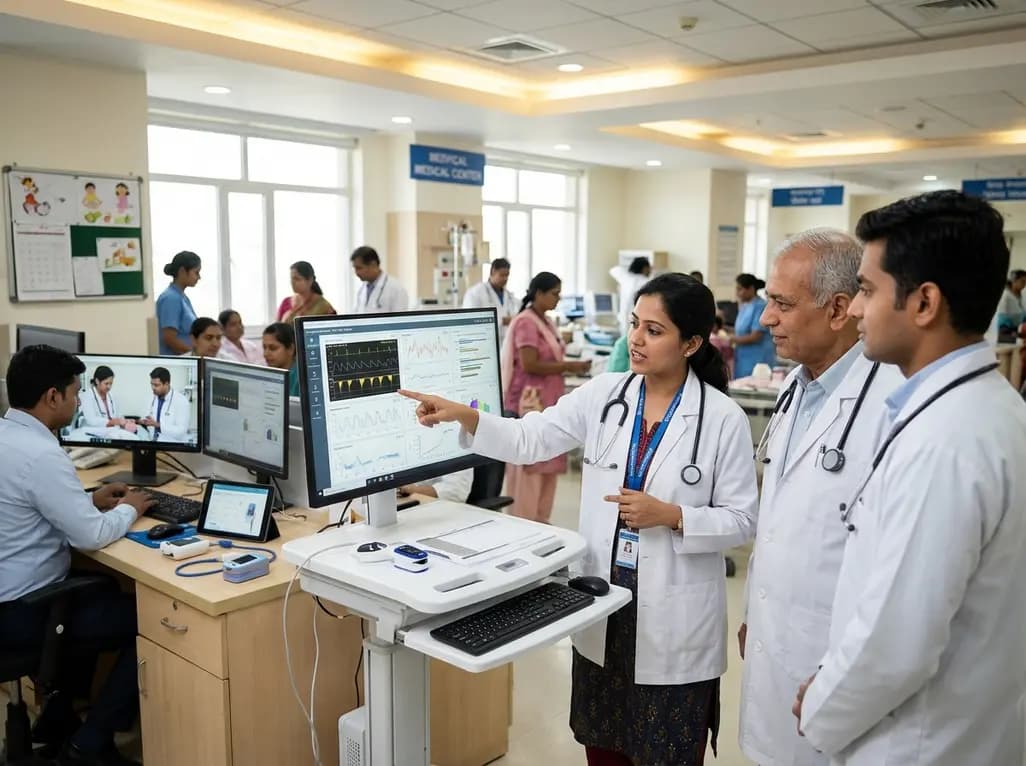
A landmark study details how an enterprise pediatric remote patient management model expanded from a single cardiology pilot to 16 diverse specialty programs by combining centralized digital operations with specialty clinical leadership.
Yesterday
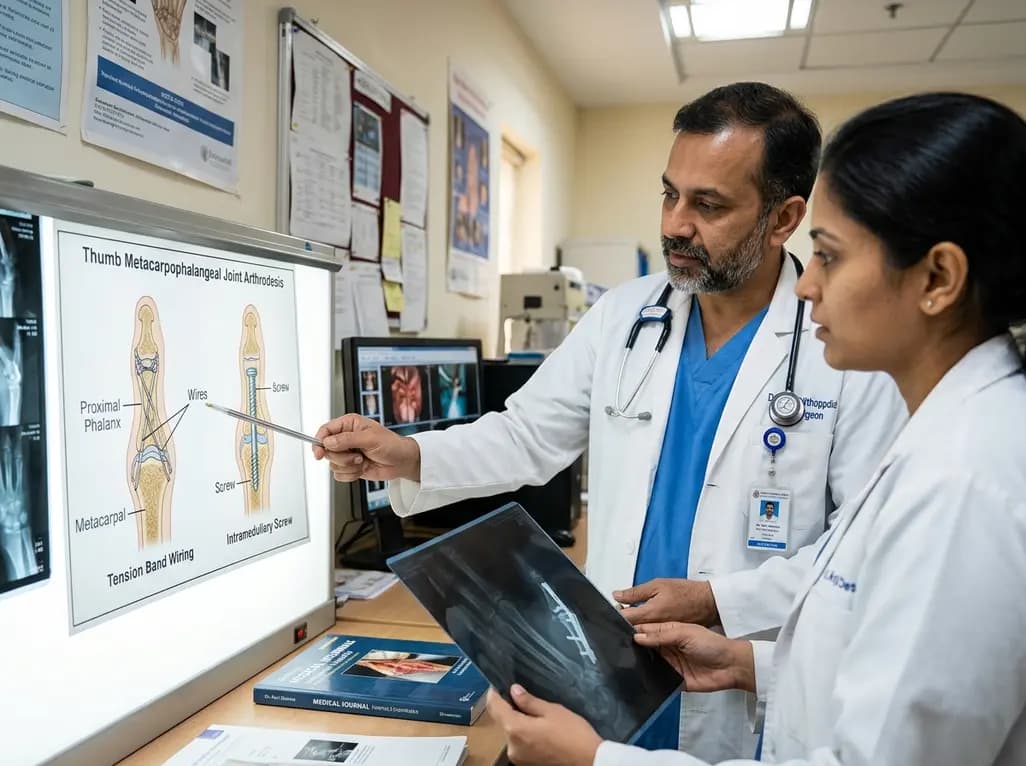
A comparative review of tension band wiring and intramedullary screw fixation in thumb metacarpophalangeal arthrodesis, evaluating union rates, hardware complications, and clinical outcomes.
Yesterday
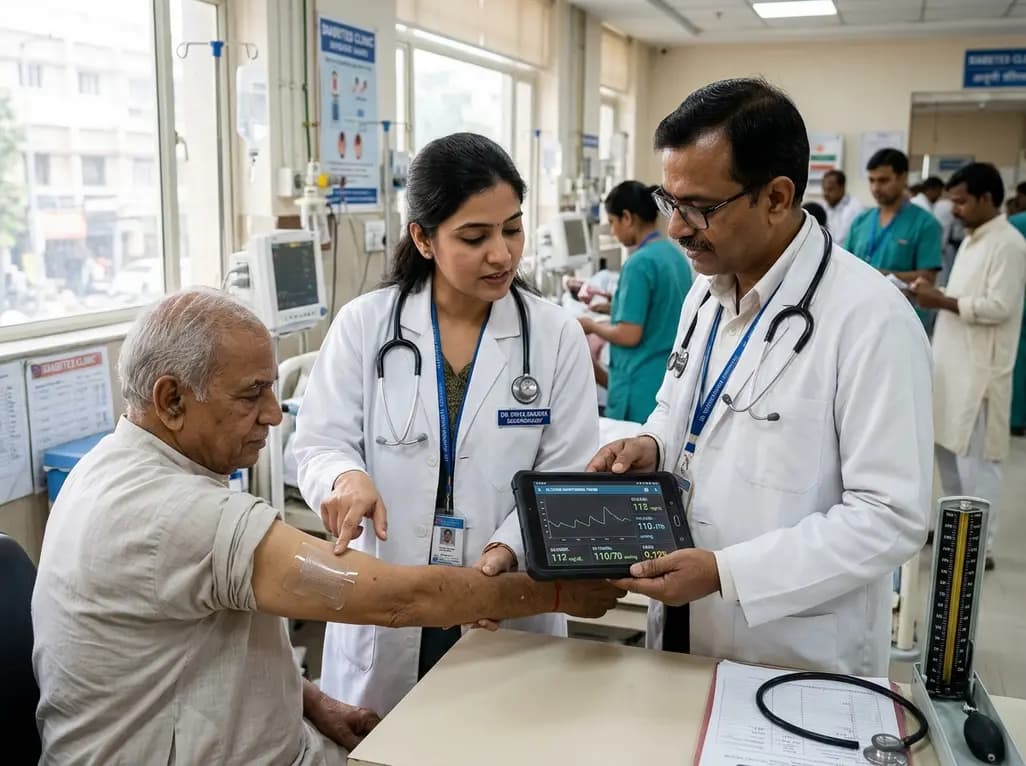
A breakthrough ultrathin multimodal sensor decouples physical hemodynamic monitoring from disposable electrochemical calibration, achieving long-term wearable glucose prediction with 81.36% accuracy and a 9.12% MARD. This offers a robust, drift-free solution for outpatient metabolic surveillance.
Yesterday
