.webp&w=384&q=75)

Loading, please wait...
Loading, please wait...
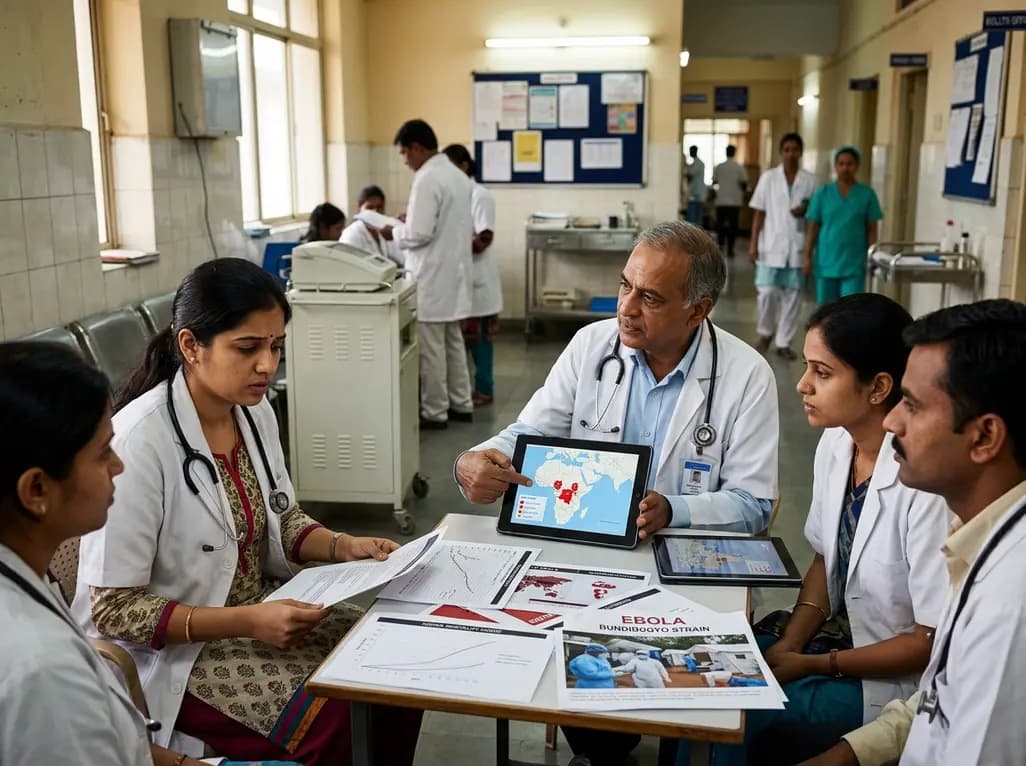
The health authorities in the Democratic Republic of Congo have reported that confirmed Ebola deaths have crossed the 2,000 mark in the latest milestone of a devastating epidemic. Health officials describe this crisis as the fastest-spreading outbreak on record, with over 4,300 confirmed cases across five provinces. This severe surge highlights the urgent challenges facing global health organizations and local health infrastructure. Driven by delayed detection, local conflict, and overstretched medical facilities, the viral illness continues to expand rapidly into neighboring regions. Furthermore, clinical experts note that the current Bundibugyo Ebola strain outbreak presents unique diagnostic and therapeutic hurdles that differ significantly from previous epidemics.
The current emergency in Central Africa represents the country's seventeenth Ebola outbreak, but its viral dynamics set it apart from previous events. Most historical outbreaks involved the Zaire ebolavirus species, for which targeted vaccines and monoclonal antibody therapies exist. In contrast, this outbreak stems from the Bundibugyo strain, an orthobolavirus species that lacks approved preventative vaccines or specific antiviral therapeutics. Therefore, clinicians must rely primarily on early supportive care, fluid resuscitation, and symptom management to reduce mortality.
Epidemiological studies indicate that transmission may have commenced much earlier than initially identified. Researchers recently published findings showing that viral circulation likely began in January or earlier in Ituri province. By mid-May, health workers had already tracked more than 500 suspected cases across rural health zones. Consequently, the covert community transmission created a substantial head start for the pathogen before formal containment measures could begin. Understanding these species-specific characteristics is vital for public health specialists who are trying to adapt traditional control protocols. Without specific therapeutic countermeasures, rapid isolation and rigorous contact tracing remain the primary tools available to halt transmission.
The sheer speed of viral dissemination in this epidemic has alarmed international public health agencies. During the massive 2014 to 2016 West Africa outbreak, it required nearly five months to reach 1,000 recorded fatalities. In contrast, the current outbreak in Congo surpassed 2,000 deaths in under three months. Furthermore, mortality figures doubled from 1,000 to 2,000 in less than four weeks, demonstrating an extraordinary exponential growth trajectory. In comparison, the 2018 to 2020 Ebola outbreak in Congo required over twelve months to reach a similar mortality threshold.
Several interconnected epidemiological factors drive this unprecedented acceleration. Delayed clinical recognition allowed infected individuals to move freely through densely populated communities and transit hubs. Additionally, symptomatic patients frequently visited local health clinics that lacked adequate infection prevention and control resources. As a result, healthcare workers unknowingly became vectors, transmitting the virus to other vulnerable patients. Furthermore, cross-border movement into neighboring nations like Uganda expanded the geographical footprint of the epidemic. Health officials stress that unravelling these complex transmission chains requires robust laboratory testing and immediate isolation capabilities. However, achieving those goals remains extremely difficult given the operational environment in affected health zones.
Managing an infectious disease outbreak without specific pharmaceutical tools presents significant clinical obstacles. The licensed Ervebo vaccine, which proved effective against the Zaire strain during prior epidemics, does not confer sufficient cross-protection against the Bundibugyo virus. Consequently, public health agencies cannot deploy ring vaccination strategies that previously contained localized outbreaks. Researchers are actively evaluating experimental vaccine candidates and broad-spectrum antivirals, but widespread clinical deployment remains months away.
In addition to vaccine limitations, severe shortages of basic medical supplies severely hamper bedside care in frontline hospitals. Facilities face acute deficits of personal protective equipment, intravenous fluids, diagnostic reagents, and isolation beds. Furthermore, clinical teams must treat patients exhibiting severe gastrointestinal symptoms, profound dehydration, and systemic vascular collapse without advanced intensive care support. Therefore, case fatality rates remain elevated, particularly among young children and pregnant women who suffer disproportionate complications. Health authorities continue to call for international aid to mobilize necessary medical supplies and strengthen facility-based care. Meanwhile, field teams are working diligently to standardize supportive management protocols across rural clinics to improve patient survival rates.
The geographical epicenter of the outbreak in eastern Congo coincides with areas affected by long-standing armed conflict and humanitarian instability. Persistent insecurity severely restricts the mobility of epidemiological field teams and emergency responders. Armed groups frequently launch attacks in health zones, forcing medical personnel to evacuate and leaving treatment centers unsupervised. Consequently, contact tracing efforts frequently break down, allowing unmonitored transmission chains to propagate silently.
Moreover, community resistance and distrust pose substantial hurdles to containment initiatives. Historical trauma, misinformation, and fear of isolation facilities lead some community members to avoid seeking timely medical attention. Instead, infected individuals often remain at home or visit traditional healers, increasing household exposure risks. Traditional burial practices involving direct contact with deceased patients also trigger localized super-spreading events. To overcome these deep-seated obstacles, public health agencies are partnering with local community leaders, religious figures, and trusted health workers. Indeed, building community trust and integrating culturally sensitive communication strategies are just as vital as clinical interventions in ending this crisis.
The rapid expansion of this Ebola outbreak underscores critical vulnerabilities in global health security and epidemic preparedness. When a high-consequence pathogen emerges in a fragile health system, local containment failures rapidly elevate global biological risks. Therefore, the World Health Organization declared this outbreak a public health emergency of international concern to mobilize global financial resources and technical expertise. Surrounding nations must maintain heightened disease surveillance at land borders, airports, and maritime ports to identify potential exported cases quickly.
For healthcare professionals globally, this crisis highlights the necessity of maintaining high clinical suspicion for viral hemorrhagic fevers in returning travelers. Clinicians must obtain thorough travel histories and recognize early symptoms such as fever, severe headache, muscle pain, and gastrointestinal distress. Additionally, healthcare institutions must enforce strict infection control practices and establish clear protocols for rapid patient isolation and diagnostic testing. Strengthening international cooperation, supporting research into multi-strain Ebola vaccines, and investing in resilient healthcare infrastructure are essential steps to mitigate future global health emergencies.
Q1: What makes the Bundibugyo strain of Ebola particularly dangerous during this outbreak?
The Bundibugyo strain is particularly dangerous because there are currently no approved vaccines or specific antiviral treatments available for it. Unlike the Zaire strain, which can be mitigated using established vaccines like Ervebo, medical teams managing Bundibugyo cases must rely strictly on supportive care. Additionally, its clinical presentation can mirror other endemic tropical diseases, leading to diagnostic delays that facilitate rapid community transmission.
Q2: Why is the current Ebola outbreak spreading faster than previous epidemics in the region?
The current epidemic spreads rapidly due to a combination of delayed initial detection, active armed conflict, and overstretched healthcare infrastructure in affected provinces. Persistent insecurity hinders contact tracing and patient isolation efforts, while shortages of protective equipment exacerbate facility-based transmission. Furthermore, high population mobility across regional borders and cross-border trade routes has allowed the virus to establish multiple concurrent transmission chains across several health zones.
Q3: How can healthcare facilities outside the affected region prepare for potential imported Ebola cases?
Healthcare facilities outside the affected region should implement rigorous screening protocols for patients presenting with acute febrile illnesses and relevant travel histories. Clinicians must immediately isolate suspected cases in private rooms with negative pressure if available. Staff must adhere to strict personal protective equipment guidelines, including fluid-resistant gowns, gloves, and eye protection. Prompt notification of public health authorities and adherence to standardized laboratory handling procedures are critical steps.
Disclaimer: This content is for informational and educational purposes only. It does not constitute medical advice or replace professional judgment. Refer to the latest local and national guidelines for clinical practice.
References

Read summarized clinical updates, watch expert medical content, and earn CME certifications right from your smartphone.
Open your smartphone camera to scan and install.





The Democratic Republic of Congo reports over 2,000 deaths in the fastest-spreading Ebola epidemic on record. Caused by the Bundibugyo strain, which lacks approved vaccines or treatments, the surge highlights critical gaps in surveillance, infection control, and outbreak response across affected health zones.
Today
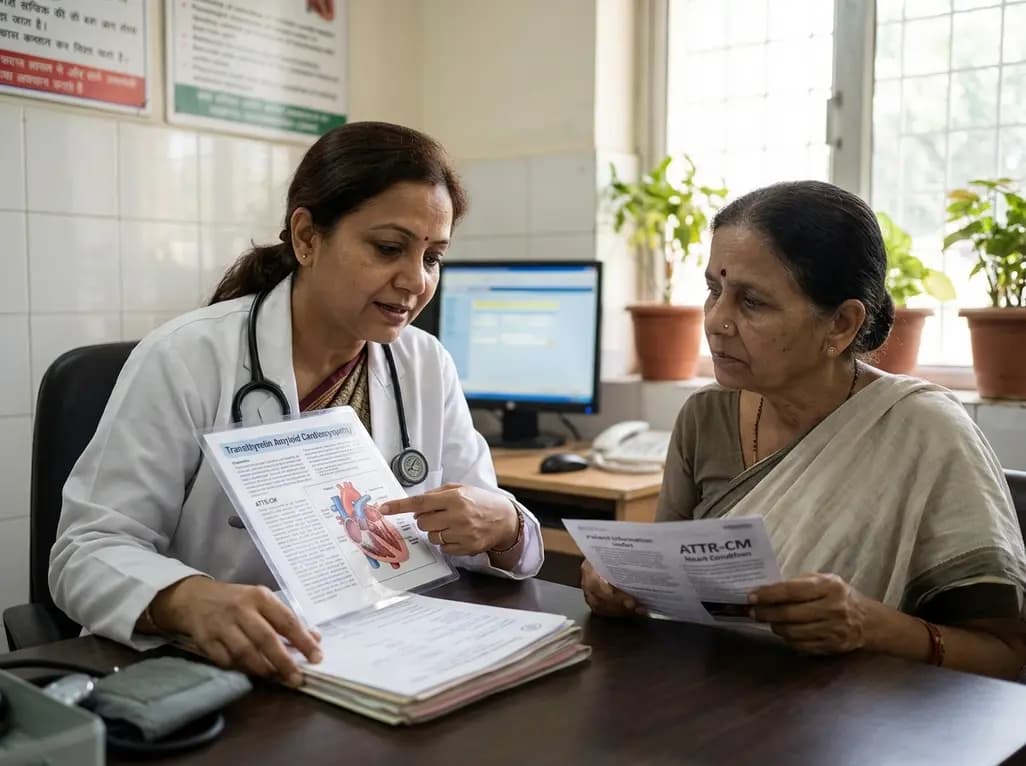
Transthyretin amyloid cardiomyopathy (ATTR-CM) in women often faces severe diagnostic delays due to sex-specific differences in left ventricular wall thickness and symptom presentation. Adapting screening guidelines and clinical awareness is vital to improving diagnostic accuracy and patient outcomes.
Today
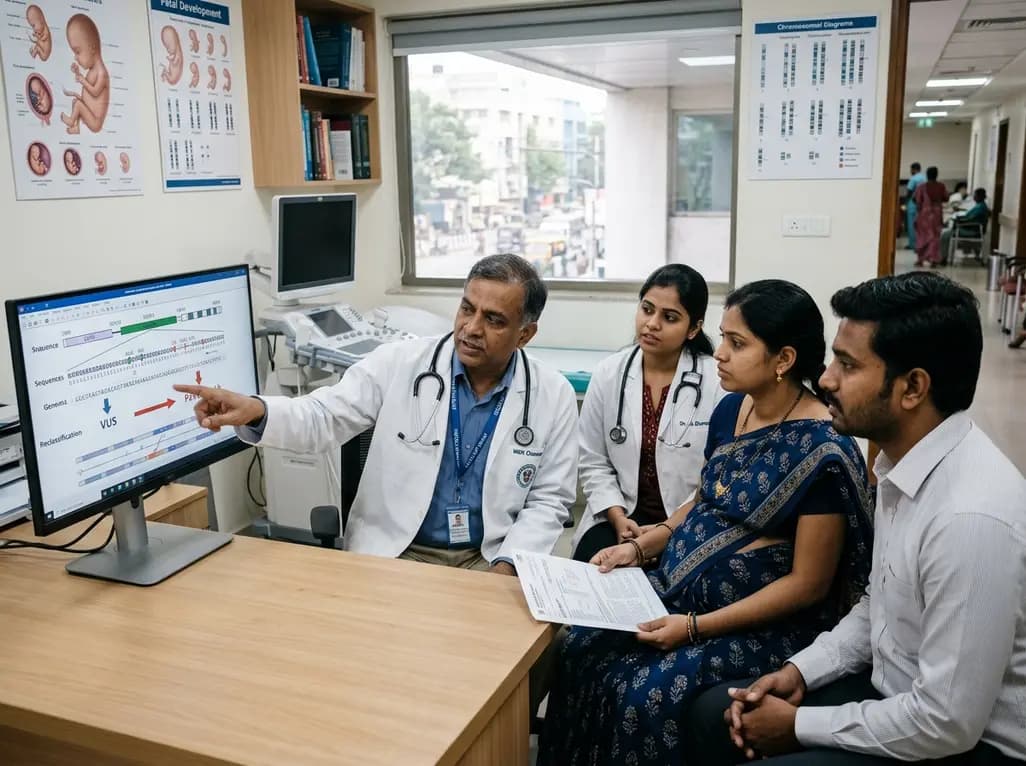
A 3-year case study demonstrates how dynamic variant reclassification between VUS and likely pathogenic states directly impacts prenatal genetic counseling, fetal diagnostic workflows, preimplantation genetic testing, and complex reproductive choices.
Today
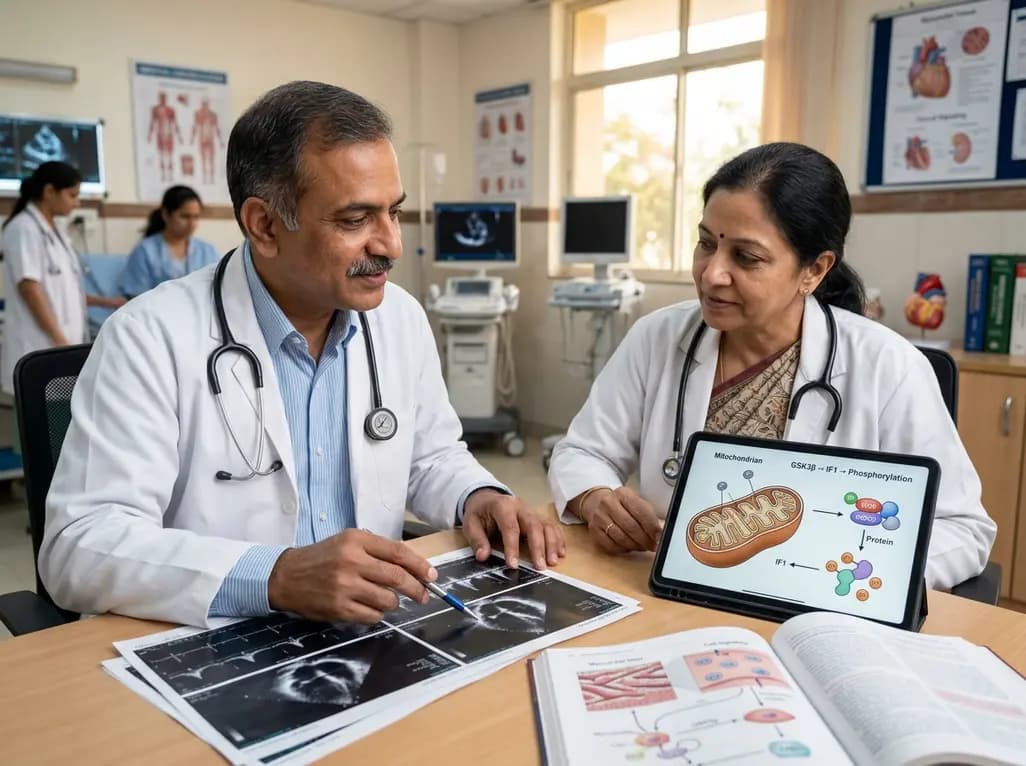
Discover how GSK3β-mediated phosphorylation of ATP synthase inhibitory factor 1 (IF1) at Ser27 accelerates proteasomal degradation during myocardial ischemia-reperfusion injury. Blocking this site offers a novel therapeutic approach to preserve mitochondrial function and reduce cardiac damage.
Today

Researchers developed a Haversian-inspired composite scaffold that addresses delayed vascularization and wet-state mechanical deterioration in critical bone defect repair. By integrating spatially programmed calcium phosphate minerals and selective silica reinforcement, the design promotes vascularized bone repair.
Today
A BMJ cohort study shows GLP-1 receptor agonists are linked to a modest rise in non-scarring hair loss in adults with type 2 diabetes compared to SGLT-2 and DPP-4 inhibitors. Although relative risk is higher, absolute risk remains low, likely driven by rapid weight loss rather than direct follicular damage.
Today
