.webp&w=384&q=75)

Loading, please wait...
Loading, please wait...

Transthyretin amyloid cardiomyopathy (ATTR-CM) represents a critical yet frequently underdiagnosed etiology of restrictive heart failure. Historically, clinicians regarded this condition primarily as a disease affecting older male patients. However, contemporary epidemiological investigations reveal that ATTR-CM in women is significantly under-recognized across diverse clinical settings. This diagnostic gap stems largely from subtle variations in clinical presentation and smaller anatomical dimensions that mask classical signs. Because early intervention significantly alters disease progression, understanding sex-specific manifestations is essential for modern cardiovascular practice. Furthermore, heightened clinical awareness among primary care physicians can effectively prevent years of diagnostic delay. Consequently, healthcare providers must refine their clinical approach to ensure timely identification and optimal management for affected female individuals.
Transthyretin amyloid cardiomyopathy results from the systemic deposition of misfolded transthyretin proteins within the myocardial extracellular matrix. Historically, epidemiological registries suggested an overwhelming male predominance in both wild-type and hereditary forms of the disease. Consequently, clinical trial cohorts predominantly enrolled male participants, which created an incomplete understanding of female disease manifestations. However, recent observational cohorts demonstrate that female prevalence is higher than previously acknowledged. Women often present at an older age and exhibit distinct symptom profiles that differ from classic male presentations. For instance, heart failure with preserved ejection fraction is extraordinarily common among older women, yet underlying amyloidosis is rarely suspected initially. Moreover, non-cardiac manifestations such as bilateral carpal tunnel syndrome or lumbar spinal stenosis may precede cardiac symptoms by several years. Because clinicians often attribute these early indicators to standard orthopedic or age-related changes, the true burden of disease remains hidden. Therefore, expanding diagnostic screening protocols to encompass non-traditional presentations is vital for closing the gender gap in amyloidosis recognition.
Echocardiography serves as the primary frontline imaging tool for evaluating suspected infiltrative cardiomyopathies. Standard diagnostic guidelines traditionally recommend initiating an ATTR-CM evaluation when left ventricular wall thickness measures twelve millimeters or greater. However, this absolute cut-off value presents a major diagnostic hurdle for female patients. On average, women possess smaller baseline cardiac dimensions and smaller body surface areas compared to men. Consequently, a female patient with severe myocardial amyloid deposition may display a left ventricular wall thickness below the conventional twelve-millimeter threshold. Applying an unadjusted absolute threshold often leads to false negatives and delayed referrals for specialized testing. To overcome this systemic diagnostic limitation, cardiologists advocate for indexing wall thickness parameters to body surface area or height. Additionally, evaluating relative wall thickness and subtle strain abnormalities can highlight early infiltrative disease even when absolute wall measurements appear unremarkable. Integrating these refined imaging markers ensures that female patients receive timely cardiac scintigraphy and biochemical evaluations before advanced heart failure develops.
Biological sex exerts a profound influence on myocardial remodeling and cellular responses to protein misfolding. Estrogen exposure throughout earlier life stages offers cardioprotective effects that alter myocardial compliance and fiber hypertrophy. As a result, postmenopausal hormonal shifts may influence how misfolded transthyretin fibrils accumulate within female cardiac tissue. Female patients frequently exhibit preserved left ventricular ejection fraction alongside marked diastolic dysfunction and elevated fill pressures. Furthermore, microvascular dysfunction and systemic inflammation appear more pronounced in women presenting with restrictive cardiac disease. These underlying physiological nuances alter clinical presentations, causing symptoms like exertional dyspnea, exercise intolerance, and persistent fatigue to manifest differently. Unfortunately, healthcare providers often misattribute these insidious symptoms to hypertension, obesity, or standard diastolic heart failure. Recognizing these distinct biological phenotypes allows clinicians to maintain a higher index of suspicion. Furthermore, understanding how hormonal pathways interact with amyloid fibril aggregation can inform future gender-tailored therapeutic interventions.
Beyond biological differences, socio-cultural factors significantly contribute to prolonged diagnostic delays among women. Female patients frequently experience higher rates of symptom dismissal when presenting with generalized fatigue, breathlessness, or lower extremity edema. Clinicians may inadvertently classify these subjective complaints as manifestations of anxiety, stress, or normal physical aging. Additionally, women often bear heavy domestic caregiving responsibilities, leading them to delay seeking medical attention for subtle health changes. Limited financial resources, reduced access to specialized tertiary care centers, and systemic healthcare disparities further compound these diagnostic obstacles. As a direct result, female patients frequently experience diagnostic delays spanning several years, during which cardiac damage progresses unchecked. By the time a definitive diagnosis is established, many women present with advanced heart failure and severe functional impairment. Addressing these systemic disparities requires proactive clinician education, improved patient advocacy, and structured care pathways that fast-track suspected individuals toward specialized diagnostic centers.
Overcoming current diagnostic barriers requires a comprehensive, multifactorial clinical strategy. First, medical societies must update consensus guidelines to incorporate sex-adjusted diagnostic algorithms and indexed imaging cut-offs. Incorporating bone scintigraphy with technetium-labeled radiotracers and cardiac magnetic resonance imaging into early workup protocols can identify disease prior to extensive wall thickening. Second, educational initiatives must target primary care physicians, geriatricians, and orthopedic specialists to recognize early red flags. Identifying red-flag combinations—such as carpal tunnel syndrome paired with unexplained heart failure—should trigger prompt non-invasive amyloid screening. Third, future clinical trials must prioritize equal gender representation to generate robust data regarding therapeutic efficacy in women. Current disease-modifying agents, including transthyretin stabilizers and silencers, show great promise when initiated early in the disease course. Enhancing clinical vigilance across all healthcare tiers ensures that female patients receive early diagnoses, enabling timely access to life-prolonging disease-modifying therapies.
ATTR-CM in women is frequently underdiagnosed due to lower baseline cardiac dimensions, which prevent wall thickness from reaching standard diagnostic thresholds. Additionally, female patients often present with non-traditional clinical features and disproportionately experience symptom dismissal or social caregiving delays. Consequently, these combined biological and systemic factors obscure early clinical recognition, delaying specialized testing for several years.
Clinicians should index left ventricular wall thickness measurements to body surface area or height rather than relying solely on absolute values like twelve millimeters. Incorporating indexed echocardiographic parameters, strain imaging, and early nuclear scintigraphy allows providers to identify infiltrative amyloid disease in women who present with smaller overall heart sizes despite significant myocardial involvement.
Key clinical red flags include heart failure with preserved ejection fraction alongside a history of bilateral carpal tunnel syndrome, lumbar spinal stenosis, or unexplained sensory neuropathy. Furthermore, persistent elevated natriuretic peptides, persistent low QRS voltage on electrocardiography despite left ventricular hypertrophy on imaging, and persistent exertional dyspnea should prompt formal non-invasive amyloid evaluation.
Disclaimer: This content is for informational and educational purposes only and does not constitute professional medical advice, diagnosis, or treatment. Always seek the advice of your physician or other qualified health provider with any questions you may have regarding a medical condition. Refer to the latest local and national guidelines for clinical practice.
References
1. Madhani A et al. Transthyretin Amyloid Cardiomyopathy in Women: Epidemiology, Diagnostic Delay, and Clinical Implications. Cardiol Ther. 2026 Aug 10. doi: 10.1007/s40119-026-00463-7. PMID: 42576135.
2. Aimo A et al. Left Ventricular Wall Thickness and Severity of Cardiac Disease in Women and Men with Transthyretin Amyloidosis. Eur J Heart Fail. 2024;26(1):112-120.
3. Kittleson MM et al. Transthyretin Cardiac Amyloidosis Evaluation and Management: 2025 ACC Concise Clinical Guidance. J Am Coll Cardiol. 2026;87(5):549-565.

Read summarized clinical updates, watch expert medical content, and earn CME certifications right from your smartphone.
Open your smartphone camera to scan and install.





Transthyretin amyloid cardiomyopathy (ATTR-CM) in women often faces severe diagnostic delays due to sex-specific differences in left ventricular wall thickness and symptom presentation. Adapting screening guidelines and clinical awareness is vital to improving diagnostic accuracy and patient outcomes.
last month

A secondary analysis of an HIV cure-related trial in South Africa highlights the acceptability and safety of serial excisional lymph node and gut biopsies among young women. Clear communication, empathetic care, and altruistic motives helped mitigate initial apprehension and sustain longitudinal trial engagement.
Today

A nationwide study covering 3.7 million Swedish births reveals that prenatal exposure to TORCH pathogens significantly elevates long-term risks of intellectual disability and autism. Healthcare providers must recognize clinical indicators, promote prenatal prevention, and track early pediatric neurodevelopment.
Today
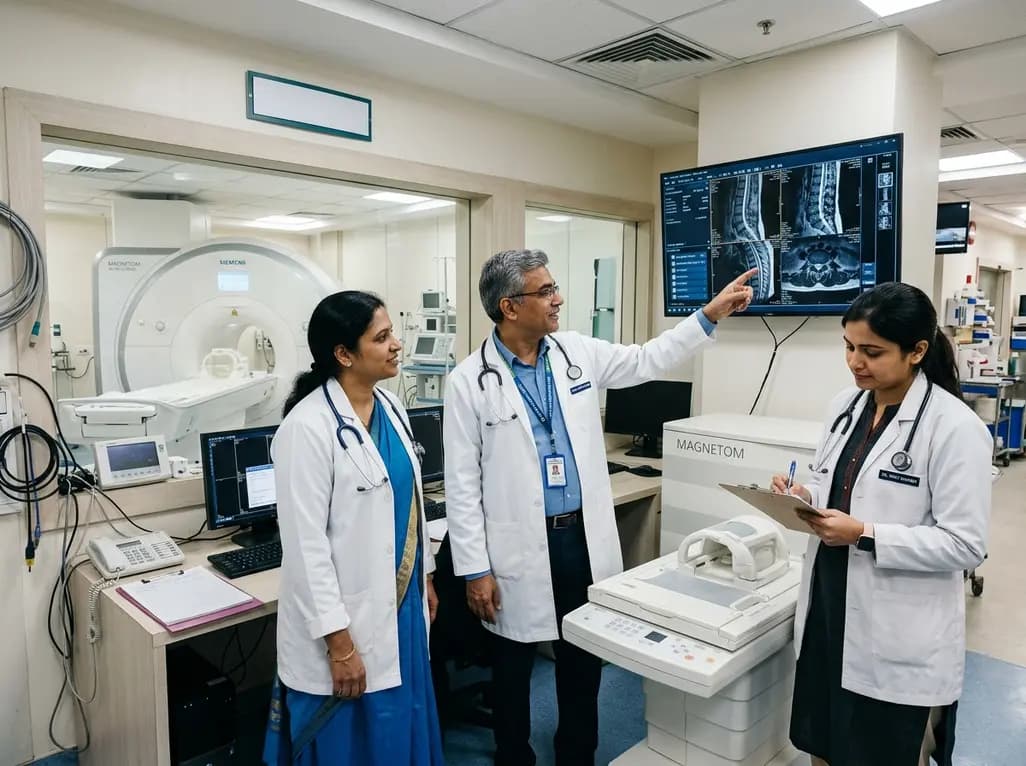
Under India's PLI initiative, domestic production of 57 critical medical devices has commenced, including MRI and CT scanners, cath labs, and heart valves. Global partnerships and local investments are expanding high-end technology, curbing import reliance, and strengthening clinical accessibility nationwide.
Today

A longitudinal study reveals that patients undergoing staged bilateral hip arthroscopy experience progressive contralateral labral deterioration during surgical intervals. However, structural degradation does not compromise 2-year postoperative clinical outcomes or patient-reported satisfaction scores.
Today

New immunological research reveals how PTPN22 forms a delayed inhibitory signaling complex to restrain T cell activation, explaining how the autoimmune-linked R620W variant disrupts feedback control and promotes persistent inflammation in conditions like rheumatoid arthritis and type 1 diabetes.
Today
