.webp&w=384&q=75)

Loading, please wait...
Loading, please wait...
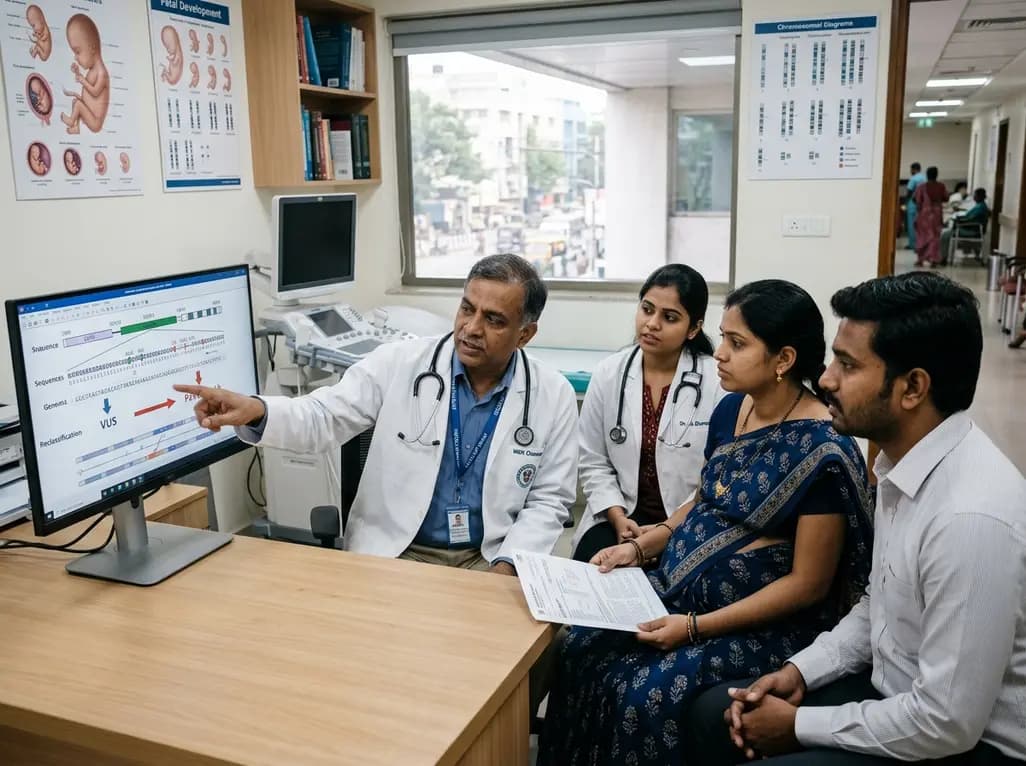
Next-generation sequencing has revolutionized clinical genetics, yet interpreting sequence variants remains a profound challenge in reproductive medicine. When clinical geneticists evaluate genomic data during pregnancy, they frequently encounter variants of uncertain significance. These intermediate findings create significant clinical uncertainty for prospective parents and healthcare providers. Dynamic variant reclassification represents an evolving clinical reality where genetic interpretation shifts over time as new computational models, clinical phenotypes, and family segregation data emerge. Managing these shifting genetic interpretations requires a cautious approach, especially when high-stakes reproductive decisions depend on uncertain diagnostic findings. Clinicians must balance laboratory guidelines with patient autonomy while maintaining rigorous standards of informed consent.
In prenatal care, receiving a variant of uncertain significance often leaves families in diagnostic limbo. Modern genomic guidelines provided by professional bodies offer standardized scoring systems, but applying these frameworks to rare developmental phenotypes requires careful clinical judgment. Consequently, multi-disciplinary teams must continually re-evaluate novel variants during ongoing or subsequent pregnancies. Understanding how dynamic variant reclassification impacts patient management is crucial for obstetricians, clinical geneticists, and reproductive specialists who guide families through complex reproductive trajectories.
A recent three-year longitudinal study highlighted the real-world impact of variant reinterpretation in a family affected by an atypical skeletal phenotype. The proband presented with isolated craniofacial ossification defects without demonstrating classic long-bone fractures typical of classical osteogenesis imperfecta. Trio whole-exome sequencing identified a novel homozygous missense variant in the SEC24D gene, specifically c.1942G>C (p.Gly648Arg). The SEC24D gene plays an essential role in vesicular protein transport from the endoplasmic reticulum, and loss of function typically leads to severe syndromic skeletal dysplasia.
However, the localized cranial presentation in this family presented a diagnostic dilemma. Institutional peer-review committees debated whether computational structural predictions justified classifying the variant as pathogenic or whether it should remain a variant of uncertain significance. Over three years, the classification shifted repeatedly between variant of uncertain significance and likely pathogenic. This institutional debate reflected conflicting priorities: conservative application of bioinformatic criteria versus empirical clinical intuition based on the patient's severe phenotype. These sequential shifts created an unstable diagnostic environment for clinicians guiding the family's reproductive care.
Diagnostic instability directly dictates crucial clinical milestones during subsequent pregnancies. When the SEC24D variant was tentatively classified as likely pathogenic, the family moved forward with a second pregnancy under close surveillance. Prenatal ultrasound and fetal magnetic resonance imaging later identified recurrent fetal cranial defects, which amniocentesis confirmed. Given the likely pathogenic classification at that juncture, the parents chose pregnancy termination, followed by post-mortem histopathology that corroborated the severe osseous phenotype.
Following this loss, the couple sought assisted reproductive technology to achieve a healthy pregnancy. However, subsequent re-evaluation by external laboratory boards demoted the variant back to a variant of uncertain significance. Offering preimplantation genetic testing for monogenic disorders during a downgraded classification state introduces ethical and technical complications. Performing embryo selection for a variant of uncertain significance sits within a diagnostic gray zone, as national guidelines generally advise against selecting against variants lacking definitive pathogenicity. Nevertheless, after extensive multidisciplinary counseling regarding risks and uncertainties, preimplantation genetic testing for monogenic disorders was deployed, successfully identifying embryos free from the homozygous mutation.
The ultimate resolution of this diagnostic cycle occurred through longitudinal family tracking. The couple successfully delivered a healthy, non-carrier infant following assisted reproductive technology. The birth of this healthy infant provided vital co-segregation data that previously lacked statistical power. By confirming that the non-carrier child lacked any structural cranial abnormalities, genomic analysts combined this clinical evidence with post-mortem fetal data to definitively resolve the classification loop.
Consequently, the SEC24D variant received a stable, definitive likely pathogenic classification under updated guidelines. This successful resolution underscores the therapeutic value of patient longitudinal follow-up. Variant reclassification should not be viewed as a single laboratory failure, but rather as an ongoing diagnostic process. Phenotypic refinement, additional family segregation, and functional assays gradually transform uncertainty into actionable clinical knowledge. Clinicians must educate patients that genomic interpretation is dynamic and can evolve over time as new scientific data emerges.
For healthcare providers in India, where access to advanced genomic testing is expanding rapidly, handling uncertain genomic findings requires structured institutional protocols. Rapid adoption of next-generation sequencing across metro centers has increased the identification of novel single-nucleotide variants. Indian clinicians frequently encounter rare novel variants that lack representation in international genomic databases. Applying dynamic variant reclassification protocols locally can prevent misdiagnosis and avoid unnecessary pregnancy terminations based on ambiguous findings.
Establishing regional multidisciplinary variant review boards can help Indian clinicians evaluate complex genetic cases effectively. Furthermore, healthcare teams must prioritize transparent risk communication. Patients should understand that initial genomic reports represent a point-in-time assessment rather than an immutable diagnosis. Genetic counseling strategies must emphasize the possibility of reinterpretation over time, setting realistic expectations for families undergoing preimplantation or prenatal genetic testing.
Navigating borderline genetic classifications requires strong partnership between clinicians, genetic counselors, and patients. Shared decision-making frameworks empower prospective parents to evaluate complex genetic risks according to their personal values and risk tolerance. When facing potential dynamic variant reclassification, medical teams must provide clear explanations regarding the strength of laboratory evidence. Documentation should explicitly detail why a variant is considered uncertain and what specific clinical triggers might lead to future reinterpretation.
In addition, reproductive health professionals must establish robust re-contact procedures. Laboratories and clinics should systematically notify families when clinically actionable reclassifications occur. By integrating longitudinal clinical monitoring with transparent counseling, clinicians can safely guide patients through diagnostic ambiguity while optimizing long-term reproductive outcomes.
Dynamic variant reclassification is the ongoing process of re-evaluating genetic variants as new clinical, functional, or family segregation data becomes available over time. In prenatal genetic counseling, a variant previously categorized as uncertain may be upgraded to likely pathogenic or downgraded to benign. This evolving classification directly influences reproductive management, prenatal diagnostic testing options, and preimplantation genetic screening decisions for prospective parents.
Performing preimplantation genetic testing for a variant of uncertain significance is clinically controversial and generally discouraged by international guidelines. Because the variant's causality remains unproven, selecting embryos based on uncertain findings risks discarding potentially viable, healthy embryos. However, in exceptional clinical scenarios involving severe recurrent phenotypes and comprehensive multidisciplinary review, specialized centers may offer testing after thorough informed consent regarding the inherent diagnostic uncertainties.
Clinicians and laboratory geneticists resolve uncertain classifications by gathering additional evidence over time. Key strategies include family co-segregation studies across multiple generations, performing functional laboratory assays, utilizing refined bioinformatic structural modeling, and matching identical clinical phenotypes through global genomic databases. As cumulative evidence reaches established professional thresholds, laboratories formally update the variant status to either benign or likely pathogenic.
Disclaimer: This content is for informational and educational purposes only. It does not constitute medical advice, diagnosis, or treatment recommendations. Healthcare professionals must exercise independent clinical judgment when interpreting genomic data and managing patients. Refer to the latest local and national guidelines for clinical practice.
References
Liu F et al. Longitudinal clinical impact of dynamic variant re-classification on reproductive decision-making: a 3-year case study. J Assist Reprod Genet. 2026 Aug 11. doi: 10.1007/s10815-026-03997-w. PMID: 42576127.
Peyser A, Onel K, Hershlag A. The impact of VUS reclassification on reproductive decision making. PLOS ONE. 2025 May 27;20(5):e0308771.
Richards S et al. Standards and guidelines for the interpretation of sequence variants: a joint consensus recommendation of the American College of Medical Genetics and Genomics and the Association for Molecular Pathology. Genet Med. 2015 May;17(5):405-424.

Read summarized clinical updates, watch expert medical content, and earn CME certifications right from your smartphone.
Open your smartphone camera to scan and install.





A 3-year case study demonstrates how dynamic variant reclassification between VUS and likely pathogenic states directly impacts prenatal genetic counseling, fetal diagnostic workflows, preimplantation genetic testing, and complex reproductive choices.
last month
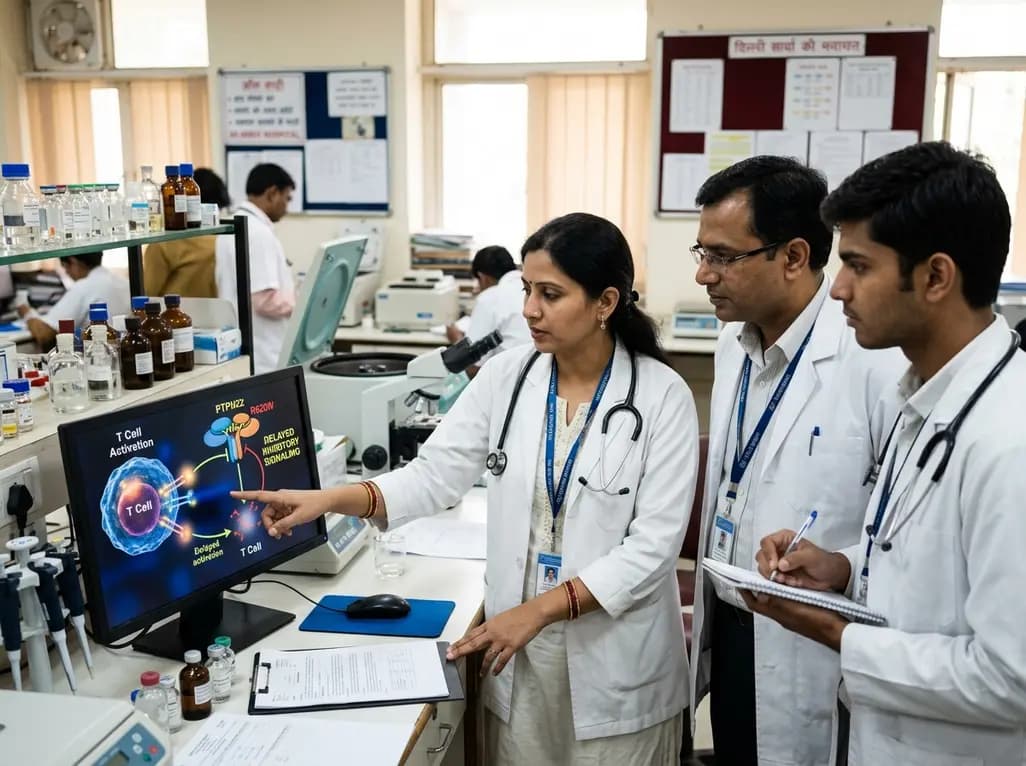
New immunological research reveals how PTPN22 forms a delayed inhibitory signaling complex to restrain T cell activation, explaining how the autoimmune-linked R620W variant disrupts feedback control and promotes persistent inflammation in conditions like rheumatoid arthritis and type 1 diabetes.
Today
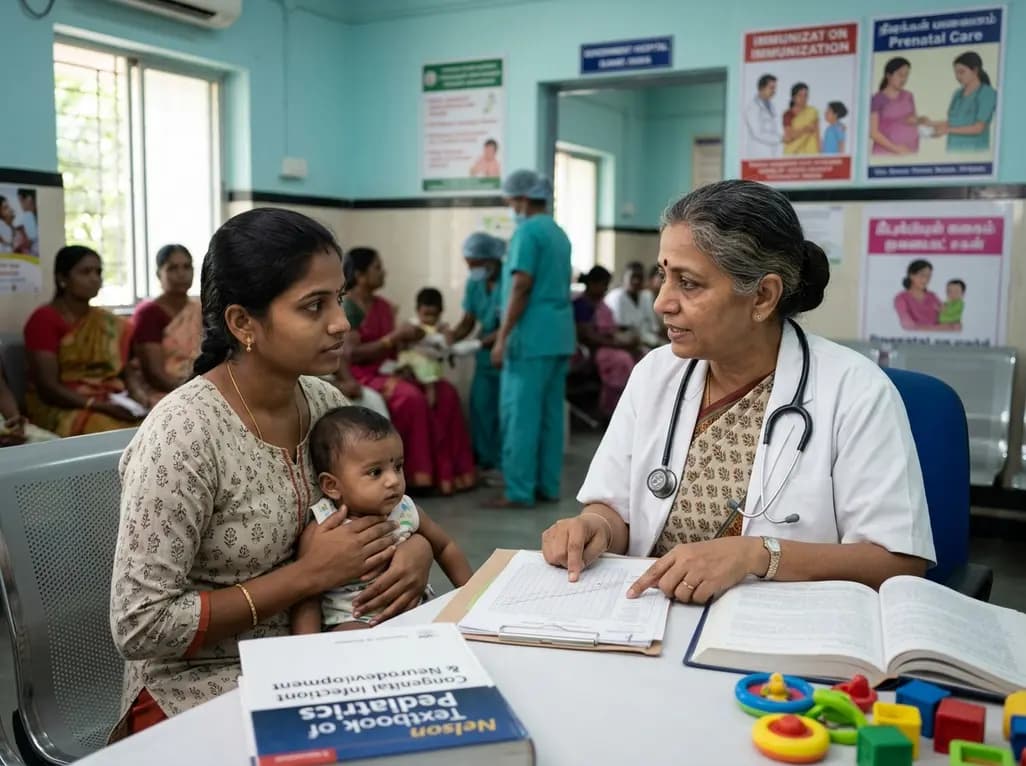
A nationwide study covering 3.7 million Swedish births reveals that prenatal exposure to TORCH pathogens significantly elevates long-term risks of intellectual disability and autism. Healthcare providers must recognize clinical indicators, promote prenatal prevention, and track early pediatric neurodevelopment.
Today
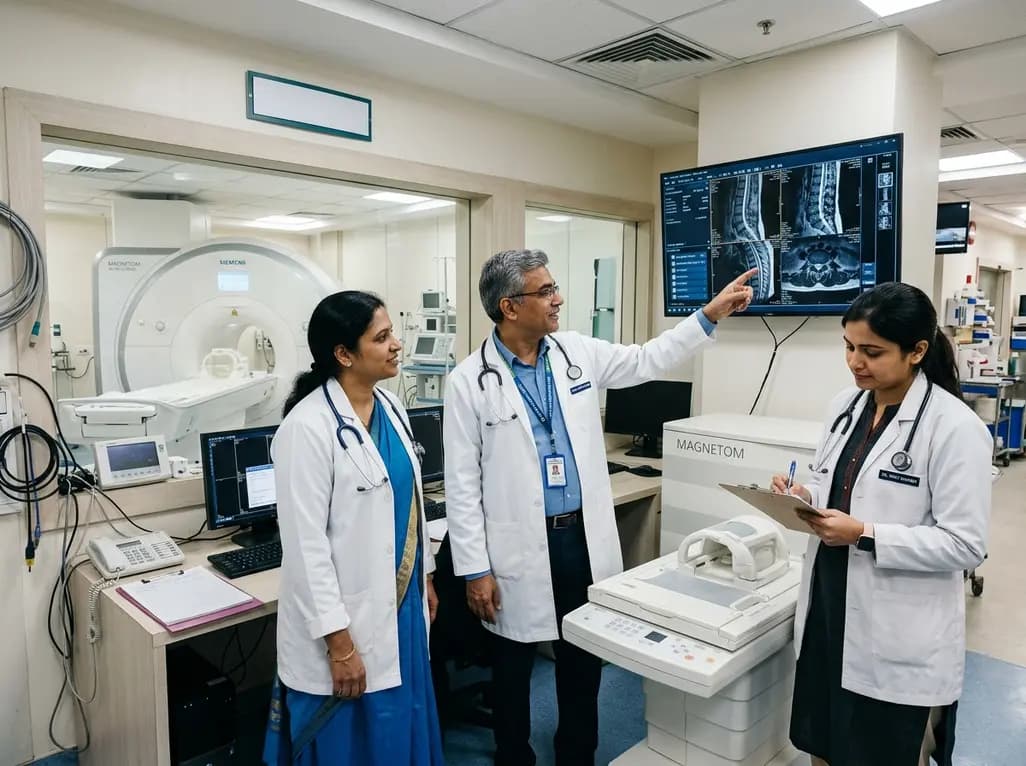
Under India's PLI initiative, domestic production of 57 critical medical devices has commenced, including MRI and CT scanners, cath labs, and heart valves. Global partnerships and local investments are expanding high-end technology, curbing import reliance, and strengthening clinical accessibility nationwide.
Today
A longitudinal study reveals that patients undergoing staged bilateral hip arthroscopy experience progressive contralateral labral deterioration during surgical intervals. However, structural degradation does not compromise 2-year postoperative clinical outcomes or patient-reported satisfaction scores.
Today
SWEDEPAD-1 trial insights show paclitaxel-coated devices do not improve long-term limb salvage in patients with chronic limb-threatening ischemia and tissue loss. While one-year reinterventions decreased, the devices were linked to a higher risk of major amputation at three months.
Yesterday
