.webp&w=384&q=75)

Loading, please wait...
Loading, please wait...
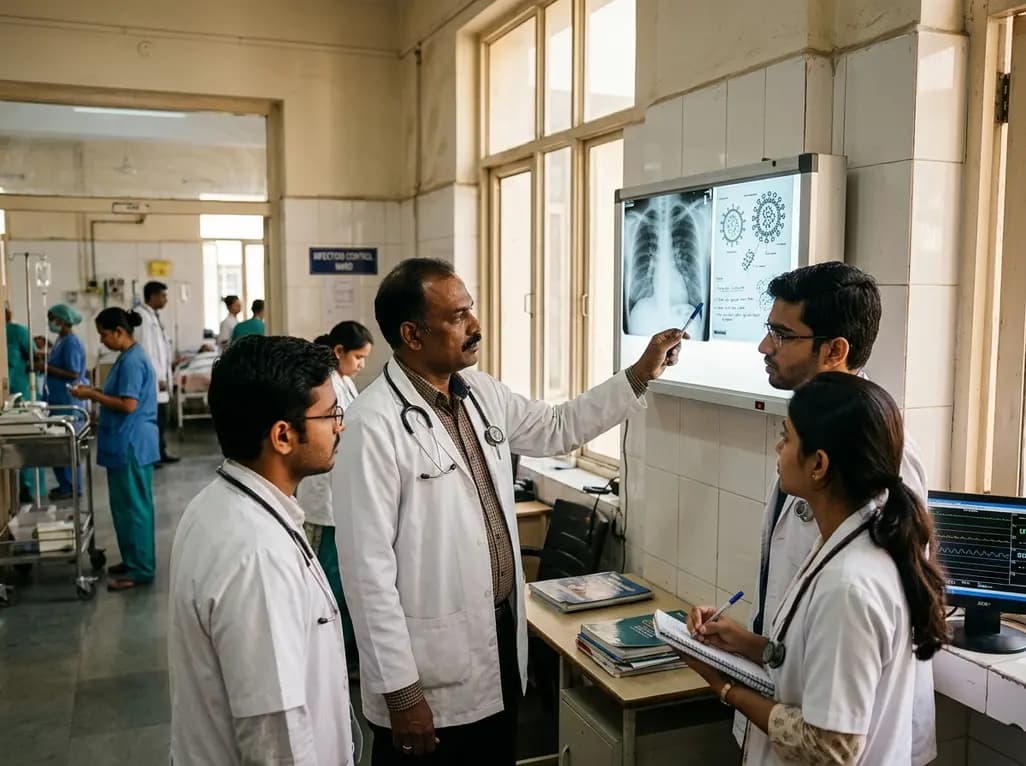
The recent escalation of the Bundibugyo Ebola outbreak in the Democratic Republic of Congo represents a major global health milestone. Official public health records confirm that total cases have now surpassed 8,000, with fatalities exceeding 3,900. Consequently, healthcare providers across international borders must maintain high clinical suspicion. While the primary transmission zone remains Central Africa, modern air travel creates continuous international transmission risks. Therefore, Indian physicians must understand the clinical trajectory, diagnostic protocols, and infection control standards for this neglected filovirus. Prompt identification of suspected cases protects healthcare systems from potential domestic exposure.
Government epidemiological reports indicate that this crisis has officially surpassed previous historical outbreaks in Congo. Specifically, the national public health institute recorded 8,067 cumulative infections alongside 3,901 associated deaths. This devastating toll now ranks second only to the massive 2014 West African epidemic. However, the current emergency presents unique operational difficulties. In past years, health authorities relied heavily on licensed countermeasures developed specifically for the Zaire strain. In contrast, the current resurgence involves Bundibugyo ebolavirus, an antigenically distinct member of the Orthoebolavirus genus.
Furthermore, regional cross-border movement across Central and East Africa complicates active contact tracing efforts. Healthcare facilities in surrounding regions face mounting pressure to detect cases early. Indian clinicians must take note of these migration trends because international travel frequently connects commercial hubs. Therefore, hospital administrators must review institutional isolation readiness immediately. Public health surveillance teams emphasize that delayed detection accelerates secondary hospital transmission chains. Consequently, robust entry screening and travel history documentation remain vital defense lines for triage clinicians. Additionally, healthcare facilities must train emergency personnel to identify potential exposure criteria without hesitation. Ongoing surveillance remains indispensable during this expanding regional health event.
Understanding the biological characteristics of Bundibugyo virus helps clinicians appreciate disease progression. Like other filoviruses, this pathogen gains entry through mucosal surfaces or broken skin. Subsequently, the virus targets monocytes, macrophages, and dendritic cells. This initial cellular invasion triggers massive proinflammatory cytokine storms. As a result, extensive endothelial dysfunction occurs, leading to profound microvascular permeability and multiorgan hypoperfusion.
However, Bundibugyo ebolavirus exhibits approximately thirty percent genomic sequence divergence from the classic Zaire species. This divergence significantly alters viral surface glycoproteins. Consequently, monoclonal antibody therapies like REGN-EB3 or ansuvimab do not provide therapeutic cross-protection. Similarly, the licensed ERVEBO vaccine offers no protective immunity against this particular species. Clinicians must recognize that historical therapeutic interventions do not apply here.
Moreover, the observed case fatality rate in Bundibugyo outbreaks historically hovers between thirty and fifty percent. Although this rate appears lower than Zaire outbreaks, the sheer volume of severe presentations overwhelms local intensive care units. Severe coagulation abnormalities and systemic inflammatory responses remain prominent clinical features. Therefore, physicians must focus intensely on rapid physiological stabilization rather than relying on strain-specific targeted biologicals. Early hemodynamic resuscitation directly determines patient survival rates.
The incubation period for Bundibugyo virus disease typically ranges between two and twenty-one days. Importantly, infected patients do not transmit the virus before overt clinical symptoms appear. The illness begins abruptly with non-specific constitutional symptoms. Patients typically present with high fever, severe headache, myalgia, and profound asthenia. Furthermore, pharyngitis and diffuse abdominal cramping frequently accompany early disease onset. Because these initial features mimic malaria and dengue, triage doctors often face substantial diagnostic confusion.
However, as the illness advances into the second week, gastrointestinal manifestations intensify dramatically. Severe watery diarrhea, intractable vomiting, and significant intravascular volume depletion rapidly develop. Consequently, patients present with profound metabolic acidosis, oliguria, and electrolyte derangements. Clinicians must monitor for hemorrhagic phenomena, such as petechiae, hematemesis, melena, or oozing from venipuncture sites.
Therefore, triage desks in Indian hospitals must enforce strict epidemiological screening. Any patient presenting with unexplained acute fever and gastrointestinal symptoms requires immediate travel verification. If the individual visited Central Africa within the past three weeks, staff must isolate them immediately. Thus, prompt isolation at initial contact prevents catastrophic hospital-wide pathogen dissemination. Clinicians should maintain strict vigilance throughout acute outpatient assessments.
Accurate laboratory confirmation requires careful clinical consideration and strict biosafety adherence. Reverse transcription polymerase chain reaction remains the gold standard diagnostic method. However, clinicians must ensure that laboratories utilize validated primers compatible with the Bundibugyo strain. Standard assays optimized solely for Zaire ebolavirus may produce false-negative findings. Therefore, infectious disease specialists must coordinate closely with reference centers such as the National Institute of Virology.
Meanwhile, clinicians must address common tropical differentials encountered in outpatient departments. For instance, malaria, typhoid fever, and severe dengue share overlapping early presentations. Consequently, physicians must pursue empirical testing for these common endemic pathogens simultaneously. However, healthcare personnel must never delay isolation precautions while awaiting confirmatory test results.
Furthermore, routine blood investigations typically reveal prominent hematological abnormalities. Marked leukopenia, severe thrombocytopenia, and elevated transaminases appear early during acute viremia. Similarly, acute kidney injury manifests through rising serum creatinine and blood urea nitrogen. Clinicians must handle all diagnostic blood tubes with maximum biohazard precautions. In addition, automated analyzers require dedicated decontamination protocols following specimen processing to safeguard laboratory technologists. Rapid coordination between clinical and laboratory teams ensures diagnostic accuracy.
Because definitive targeted antivirals remain unapproved for Bundibugyo virus, optimized supportive care forms the primary management pillar. Aggressive, individualized fluid resuscitation represents the single most critical intervention. Clinicians must administer balanced crystalloids to counteract massive gastrointestinal losses. In addition, aggressive electrolyte repletion prevents fatal cardiac arrhythmias caused by severe hypokalemia and hypomagnesemia. Physicians should also initiate empirical broad-spectrum antibiotics to address potential bacterial translocation across disrupted bowel mucosa.
Equally important is the implementation of rigorous infection prevention and control practices. Filoviruses spread primarily via direct contact with infectious blood, body fluids, and contaminated fomites. Therefore, healthcare providers must don full personal protective equipment before entering isolation cubicles. This equipment includes impervious gowns, fluid-resistant coveralls, double gloving, respiratory protection, and face shields.
Furthermore, hospitals must establish strict protocols for donning and doffing protective gear. Trained observers must monitor every doffing step to eliminate accidental self-contamination. Environmental services must disinfect surfaces using approved chlorine-based solutions. Finally, critical care units must minimize aerosol-generating procedures to protect respiratory therapists and attending physicians during patient stabilization. Dedicated isolation wards ensure safe clinical environments for all healthcare workers.
Q1: Why do existing licensed Ebola treatments fail against the Bundibugyo strain?
Current monoclonal antibodies, such as REGN-EB3 and ansuvimab, specifically target the glycoprotein of the Zaire ebolavirus species. However, Bundibugyo ebolavirus exhibits substantial genetic and structural divergence across its surface proteins. Consequently, these approved biologics cannot bind effectively to neutralize this specific pathogen. Clinical management therefore relies entirely on early hemodynamic resuscitation, electrolyte correction, and targeted supportive interventions.
Q2: What initial triage steps should emergency departments take for returning travelers?
Triage staff must ask all febrile patients about international travel within the preceding twenty-one days. If travel to affected Central African regions is confirmed, staff must immediately place the patient into a negative-pressure isolation room. Furthermore, clinicians must promptly inform institutional infection control teams and public health authorities. Healthcare workers must strictly utilize complete protective equipment before performing any physical examination or phlebotomy.
Q3: How does Bundibugyo virus disease transmission differ from respiratory airborne viruses?
Bundibugyo virus does not spread through casual airborne transmission or respiratory droplets across distance. Instead, person-to-person transmission requires direct physical contact with broken skin, mucosal membranes, or contaminated body fluids like blood, vomit, and diarrhea. Additionally, asymptomatic individuals do not transmit the virus. Consequently, rigorous barrier precautions, vigilant surface disinfection, and strict adherence to hand hygiene protocols effectively halt healthcare-associated transmission.
Disclaimer: This content is for informational and educational purposes only. It does not constitute medical advice or replace professional judgment. Refer to the latest local and national guidelines for clinical practice.
References

Read summarized clinical updates, watch expert medical content, and earn CME certifications right from your smartphone.
Open your smartphone camera to scan and install.





As confirmed infections top 8,000 in Central Africa, clinicians worldwide face heightened diagnostic responsibilities. This briefing outlines the virological distinctions of the Bundibugyo strain, clinical triage for returned travelers, supportive hemodynamic protocols, and essential infection prevention strategies.
Today
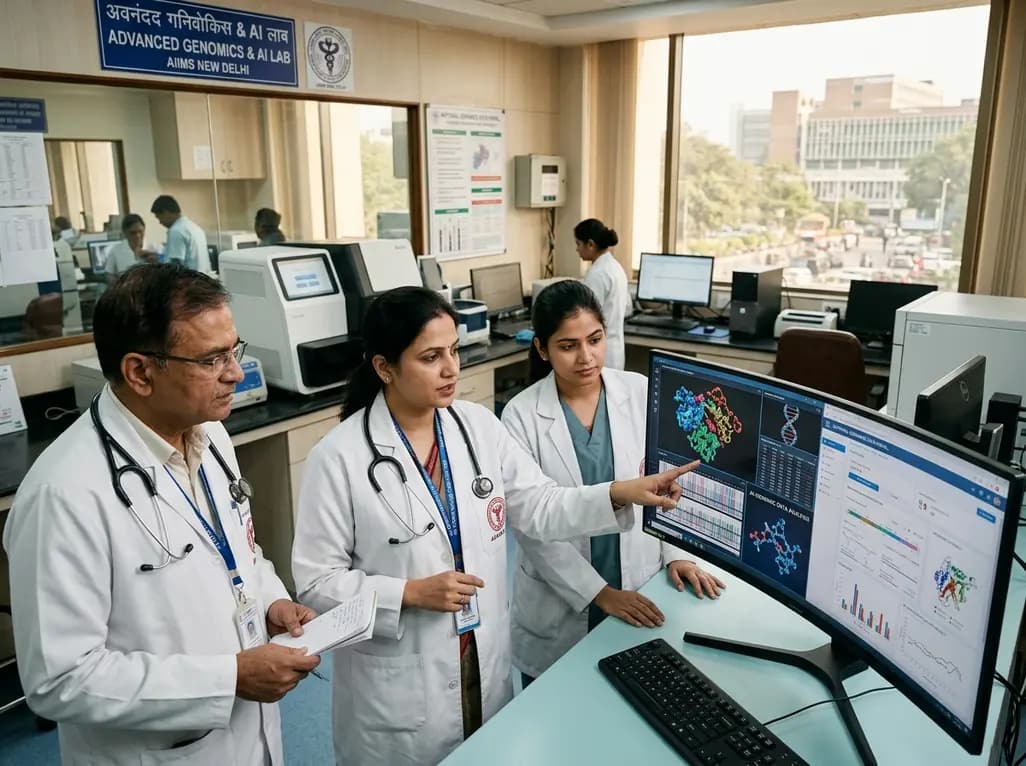
India is advancing biomedical frontiers by integrating AI, genomics, and nanomedicine under supportive national policies like BioE3. Union Minister Jitendra Singh urges clinicians to balance cutting-edge innovations with bedside clinical acumen to preserve patient trust and deliver equitable precision healthcare.
Today
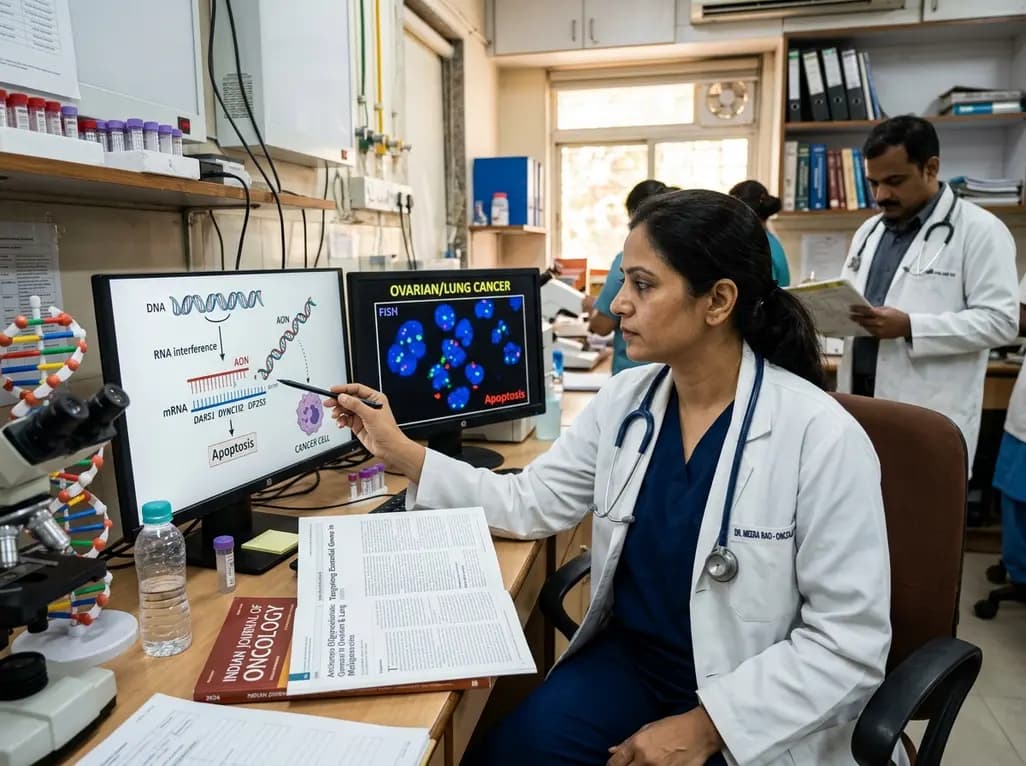
Novel preclinical research demonstrates that antisense oligonucleotides targeting essential genes such as DARS1, DYNC1I2, and EIF2S3 selectively induce apoptosis in ovarian and lung cancer cells. Conditional biomarker activation provides a viable strategy to spare normal tissue while overcoming therapy resistance.
Today
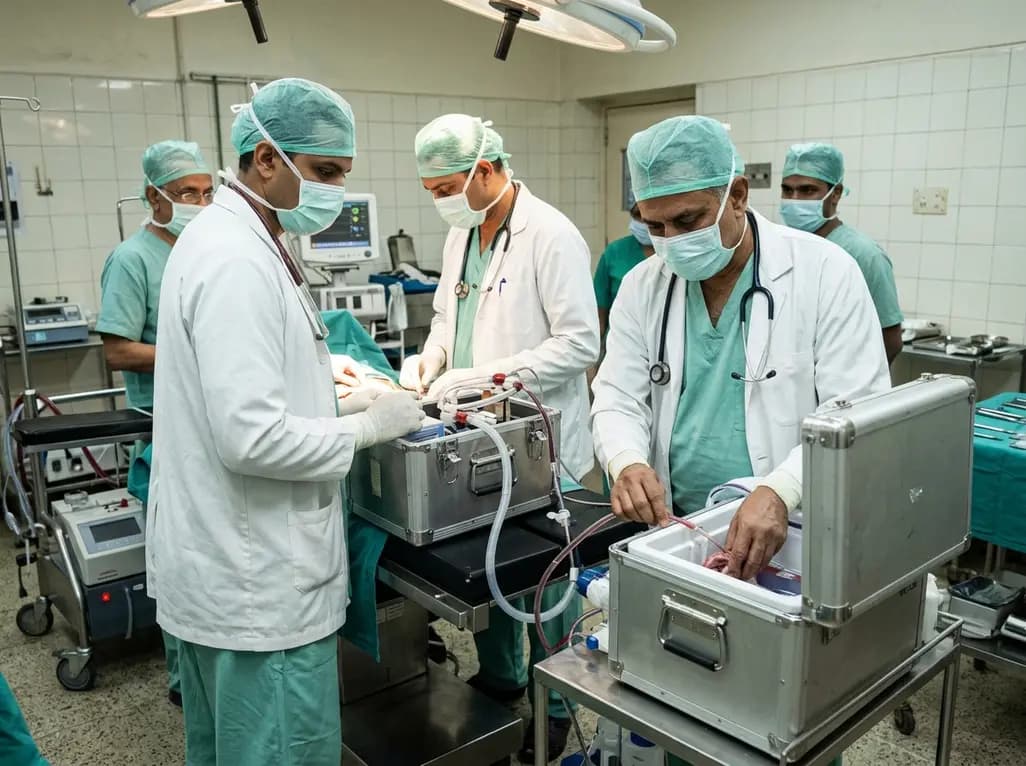
A pioneering Italian case series demonstrates that mobile heart teams can successfully implement TA-NRP heart procurement in peripheral noncardiac hospitals. Despite a mandatory 20-minute no-touch period and prolonged warm ischemia, 89.5% of hearts were transplanted with zero primary graft dysfunction.
Today

A 10-year Markov state-transition model shows minimally invasive tubular decompression dominates open laminectomy for pure lumbar spinal stenosis, yielding 5.95 vs 5.91 QALYs and saving $4,167 per patient through reduced complications and lower index costs.
Today
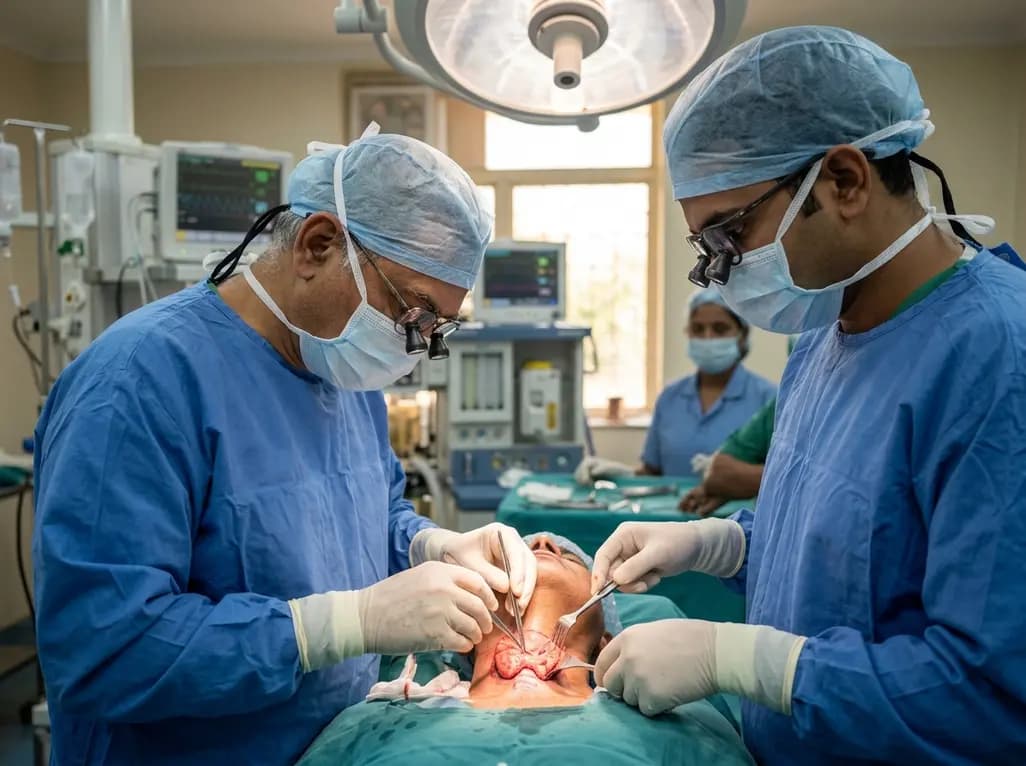
A systematic review evaluates the feasibility and safety of thyroidectomy after thermal ablation for thyroid nodules. Although procedures encounter significant fibrosis and surgical adhesions, permanent complication rates remain remarkably low in experienced centers.
Today
