.webp&w=384&q=75)

Loading, please wait...
Loading, please wait...
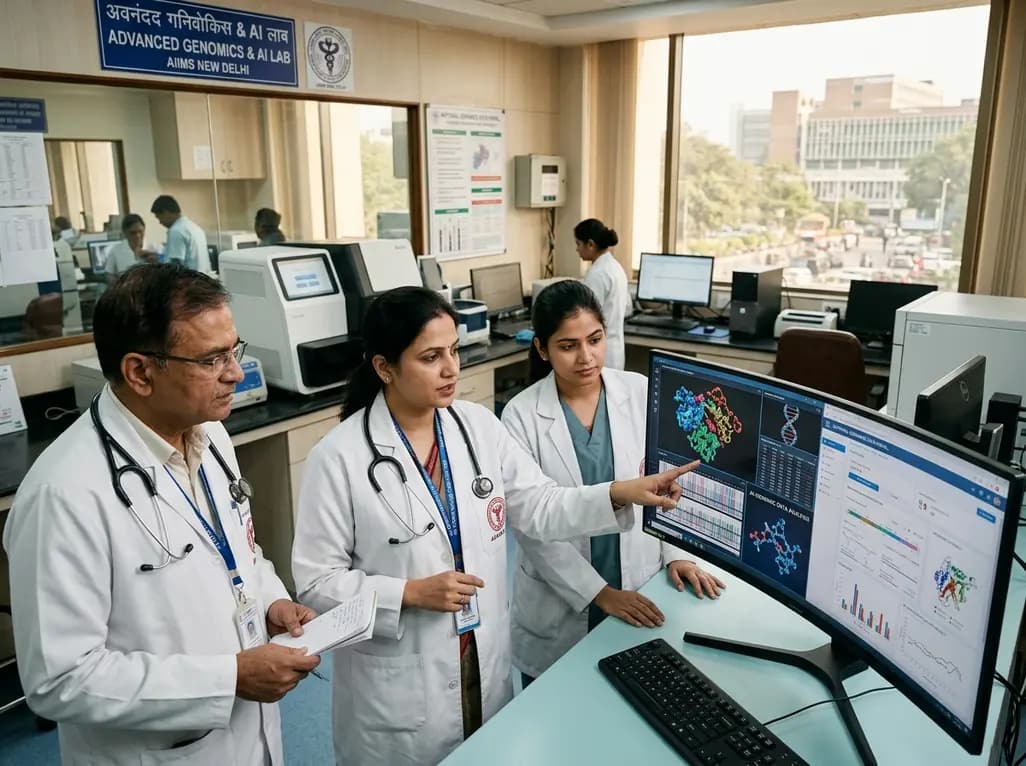
Indian healthcare stands at the threshold of a historic paradigm shift. Indeed, indigenous research and rapid technological breakthroughs are reshaping clinical workflows across the country. Union Minister Jitendra Singh recently highlighted that India is poised to pioneer next generation medical practices on the international stage. Modern clinical care increasingly integrates artificial intelligence, genomic interventions, and targeted biomanufacturing. Consequently, medical practitioners must adapt to these tools while safeguarding core diagnostic expertise and patient trust.
Today, medical science experiences an unprecedented convergence of engineering and therapeutics. Therefore, Indian institutions actively develop indigenous protocols to address complex disease burdens. The shift toward next generation medical practices enables clinicians to deploy high-resolution diagnostics and targeted molecular therapies. Moreover, local researchers now design interventions for conditions once managed exclusively through expensive imports. This transformation reflects significant maturation within domestic biotechnology and clinical research ecosystems. Consequently, healthcare delivery transitions from reactive sick-care to proactive, precision-guided intervention. Furthermore, collaborative frameworks between academic centers and government agencies facilitate rapid translation from bench to bedside. Clinicians across Tier-1 and Tier-2 cities witness expanded access to state-of-the-art diagnostic platforms. In addition, these advancements democratize specialized care across underserved rural populations. Healthcare leaders emphasize that local innovation must remain affordable and culturally relevant. Therefore, healthcare providers can deliver equitable, cutting-edge therapies across diverse demographic groups. Ultimately, India continues to establish robust clinical standards that command global authority. As clinical systems modernize, interdisciplinary teams combine pharmacology, data analytics, and molecular biology. Thus, Indian healthcare centers serve as vital hubs for global clinical trials.
Artificial intelligence significantly accelerates routine workflows across modern hospitals. For example, machine learning algorithms rapidly analyze microbial cultures and interpret complex imaging studies. Furthermore, automated platforms streamline gene sequencing pipelines with remarkable diagnostic precision. However, technology must never replace seasoned clinical acumen at the bedside. Union Minister Jitendra Singh explicitly warned against excessive technological dependence that might erode basic diagnostic instincts. Therefore, clinicians must regard computational tools as supportive adjuncts rather than autonomous decision-makers. In addition, practitioners must resist injudicious commercialization and excessive diagnostic testing. Unnecessary laboratory investigations burden patients financially and erode fundamental therapeutic trust. Instead, doctors should judiciously balance algorithmic recommendations with thorough physical examinations. When clinicians preserve their diagnostic intuition, patient outcomes improve substantially. Moreover, ethical technology adoption ensures that clinical compassion guides diagnostic workflows. Consequently, doctors maintain professional empathy while leveraging computational power to optimize individualized treatment plans. Hence, medical training curricula must emphasize balanced technology appraisal alongside bedside manners. Through rigorous clinical scrutiny, physicians can validate machine outputs and prevent diagnostic misinterpretations. Ultimately, human empathy remains the irreplaceable cornerstone of comprehensive patient recovery.
Genomics represents a vital frontier for contemporary medical innovation. Notably, the India Genome Sequence initiative provides critical foundational insights into distinct population genetics. Indian clinicians now translate these genomic discoveries into tangible therapeutic breakthroughs for complex hereditary disorders. For instance, researchers at Christian Medical College Vellore conducted a historic gene therapy clinical trial for severe hemophilia A. The investigators published their landmark results in the prestigious New England Journal of Medicine. Specifically, this trial utilized a novel lentiviral vector to transduce autologous hematopoietic stem cells. Consequently, all treated patients achieved sustained factor VIII expression and eliminated spontaneous bleeding episodes. This clinical triumph demonstrates that Indian scientists successfully engineer advanced genetic remedies for severe ailments. Furthermore, such domestic innovations dramatically reduce treatment costs compared to Western gene therapy alternatives. In addition, these successes lay the groundwork for treating other genetic hemoglobinopathies like thalassemia and sickle cell disease. Therefore, indigenous genetic medicine offers immense promise for widespread clinical application. Accordingly, regional medical centers must prepare their staff to administer advanced molecular therapeutics safely. By expanding genetic counseling services, hospitals can identify at-risk families much earlier in the disease cycle. Thus, genomic precision medicine directly improves long-term survival.
Nanotechnology and nuclear medicine herald unprecedented therapeutic opportunities in specialized oncology care. For example, researchers currently formulate oral nano-insulin preparations to transform chronic metabolic management. This nanomedicine breakthrough could soon eliminate daily subcutaneous injections for millions of diabetic patients. Furthermore, investigators actively develop specialized nano-bots for targeted breast cancer nanotherapy. These microscopic agents deliver cytotoxic payloads directly into malignant tissue while sparing surrounding healthy cells. Consequently, patients experience substantially reduced systemic toxicity and improved quality of life. Similarly, developments in nuclear medicine demonstrate exceptional promise across hematologic malignancies. Notably, clinicians at the Tata Memorial Centre in Mumbai achieved encouraging outcomes in acute lymphoblastic leukemia trials. Nuclear medicine protocols enable exact cellular localization and targeted radioligand destruction of refractory cancer cells. In addition, theranostic approaches permit simultaneous imaging and localized radioisotope administration. Therefore, oncologists can track tumor eradication in real time with unmatched precision. Moreover, domestic production of radiopharmaceuticals helps lower therapeutic expenses for patients in need. As institutional infrastructure expands, smaller oncology clinics can adopt these sophisticated radioligand techniques. Ultimately, molecularly targeted therapies redefine standard oncology protocols across the country. Consequently, these novel therapeutic approaches offer renewed hope to patients who have exhausted traditional systemic therapies.
Robust policy support provides the structural foundation for sustainable medical progress. Recently, the Indian Union Cabinet approved the transformative BioE3 policy. This strategic blueprint champions biotechnology for the economy, environment, and employment. Specifically, the framework prioritizes high-performance biomanufacturing, biosimilars, and precision biotherapeutics. In addition, the policy establishes dedicated Bio-AI hubs and biofoundries across the country. To accelerate private sector participation, the government launched a massive one lakh crore rupee research and innovation fund. This initiative divides capital contribution equally between public authorities and commercial enterprises. Consequently, Indian researchers obtain vital financial, technical, and infrastructural resources to conduct high-risk trials. Furthermore, the Union Minister urged institutions in Jammu and Kashmir to submit competitive research proposals. Regional medical colleges can access government laboratories, mentorship, and hand-holding programs. Therefore, healthcare infrastructure will strengthen uniformly across non-metropolitan states. Through these combined policy measures, India builds self-reliance across crucial active pharmaceutical ingredients and next-generation biologicals. Moreover, sustained capital investments enable academic medical centers to retain talented local investigators. Thus, robust institutional financing ensures enduring sovereignty in national healthcare supply chains. Accordingly, this paradigm reinforces clinical autonomy and strengthens equitable healthcare access across all Indian territories.
Q1: How should clinicians balance artificial intelligence tools with bedside medical acumen?
Clinicians should utilize artificial intelligence as a collaborative diagnostic aid rather than an absolute diagnostic authority. While algorithms rapidly screen cultures and genomic sequences, doctors must thoroughly evaluate patient history, clinical signs, and physical examination findings. Furthermore, preserving bedside judgment protects against diagnostic errors caused by algorithmic blind spots. Therefore, clinical acumen remains indispensable for safe, personalized care.
Q2: Why is the BioE3 policy clinically significant for healthcare providers in India?
The BioE3 policy establishes national infrastructure for advanced biomanufacturing, smart therapeutics, and precision medicine. Consequently, Indian manufacturers can produce affordable biologics, biosimilars, and mRNA vaccines domestically. Furthermore, the policy creates specialized Bio-AI hubs that expedite drug discovery pipelines. This initiative ensures that healthcare providers gain reliable access to affordable, high-quality indigenous medical countermeasures for complex diseases.
Q3: How does India's research development innovation fund benefit academic medical institutions?
The one lakh crore rupee research development innovation fund provides substantial co-financing from public and private sectors. Therefore, academic medical institutions can secure essential infrastructure, advanced laboratory equipment, and sustained technical hand-holding. In addition, medical faculties in emerging regions can submit competitive proposals to drive translational research. Consequently, this funding accelerates clinical innovations from regional institutions into global practice.
Disclaimer: This content is for informational and educational purposes only. It does not constitute medical advice or replace professional judgment. Refer to the latest local and national guidelines for clinical practice.
References

Read summarized clinical updates, watch expert medical content, and earn CME certifications right from your smartphone.
Open your smartphone camera to scan and install.





India is advancing biomedical frontiers by integrating AI, genomics, and nanomedicine under supportive national policies like BioE3. Union Minister Jitendra Singh urges clinicians to balance cutting-edge innovations with bedside clinical acumen to preserve patient trust and deliver equitable precision healthcare.
Today
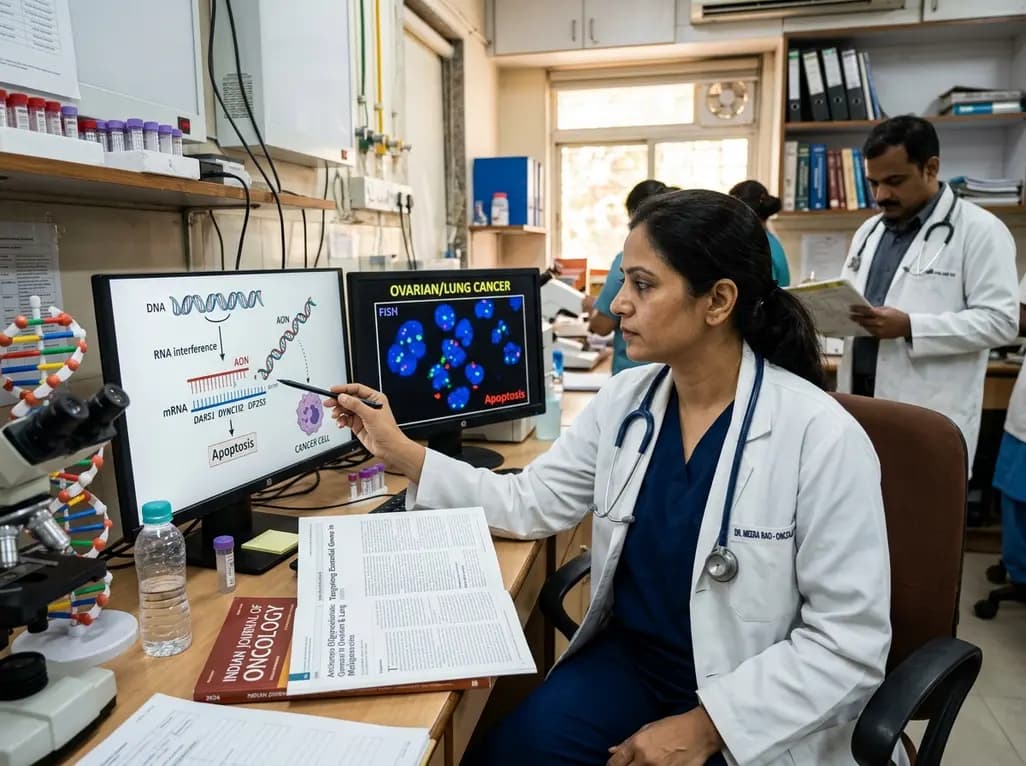
Novel preclinical research demonstrates that antisense oligonucleotides targeting essential genes such as DARS1, DYNC1I2, and EIF2S3 selectively induce apoptosis in ovarian and lung cancer cells. Conditional biomarker activation provides a viable strategy to spare normal tissue while overcoming therapy resistance.
Today
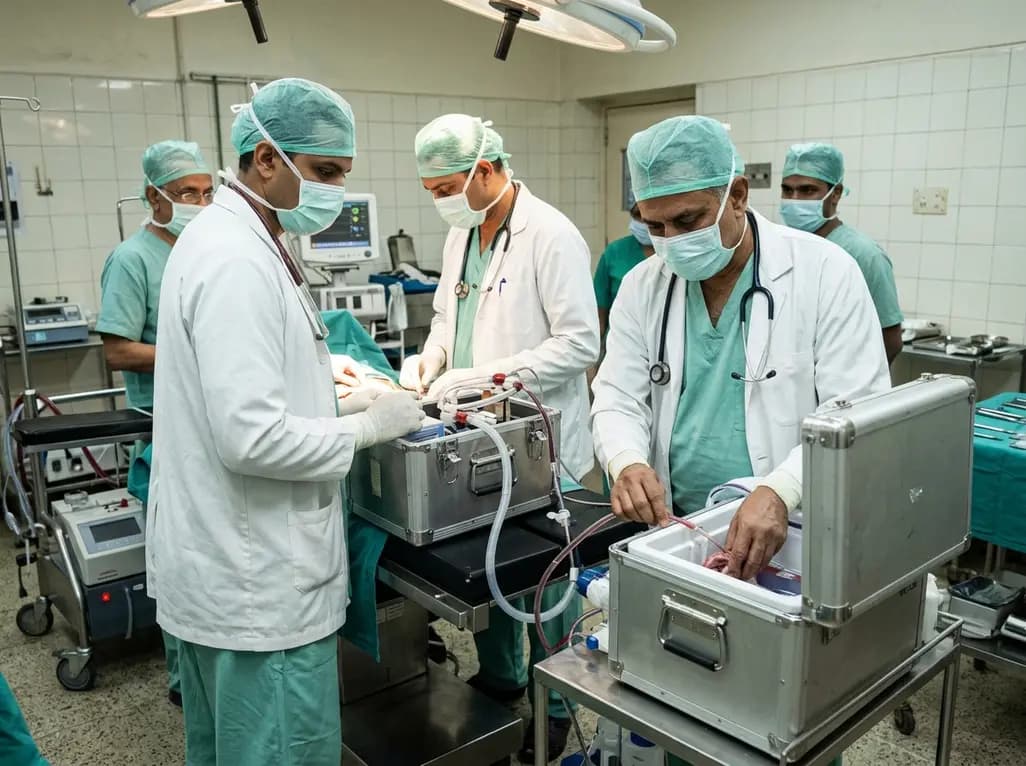
A pioneering Italian case series demonstrates that mobile heart teams can successfully implement TA-NRP heart procurement in peripheral noncardiac hospitals. Despite a mandatory 20-minute no-touch period and prolonged warm ischemia, 89.5% of hearts were transplanted with zero primary graft dysfunction.
Today
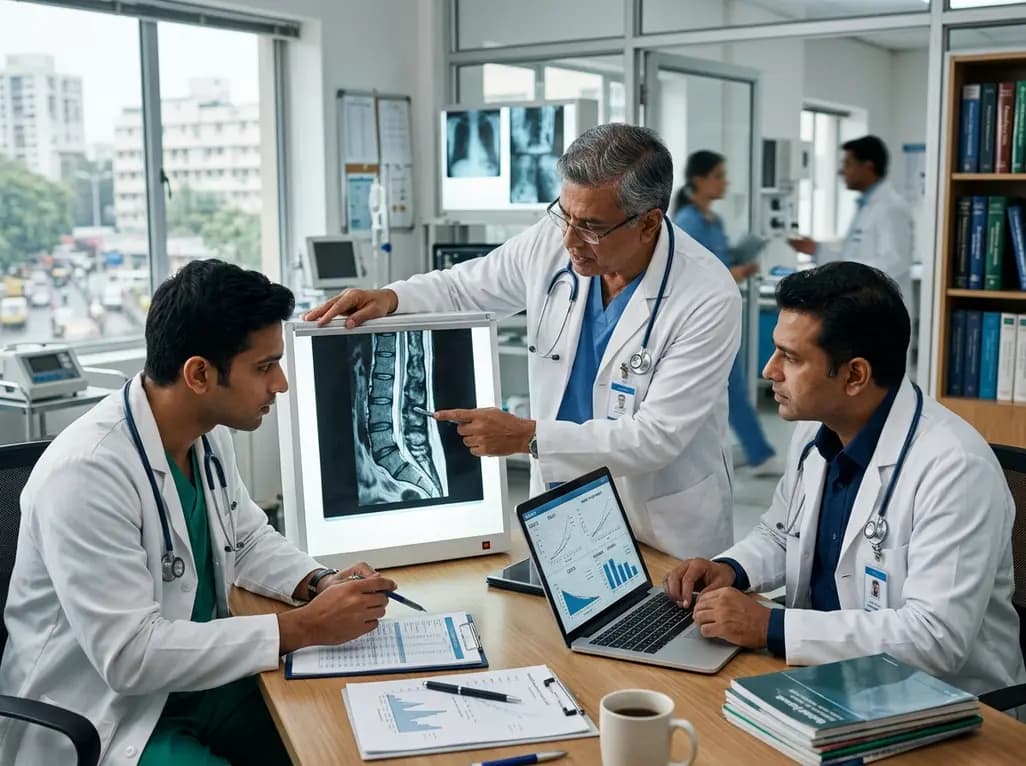
A 10-year Markov state-transition model shows minimally invasive tubular decompression dominates open laminectomy for pure lumbar spinal stenosis, yielding 5.95 vs 5.91 QALYs and saving $4,167 per patient through reduced complications and lower index costs.
Today
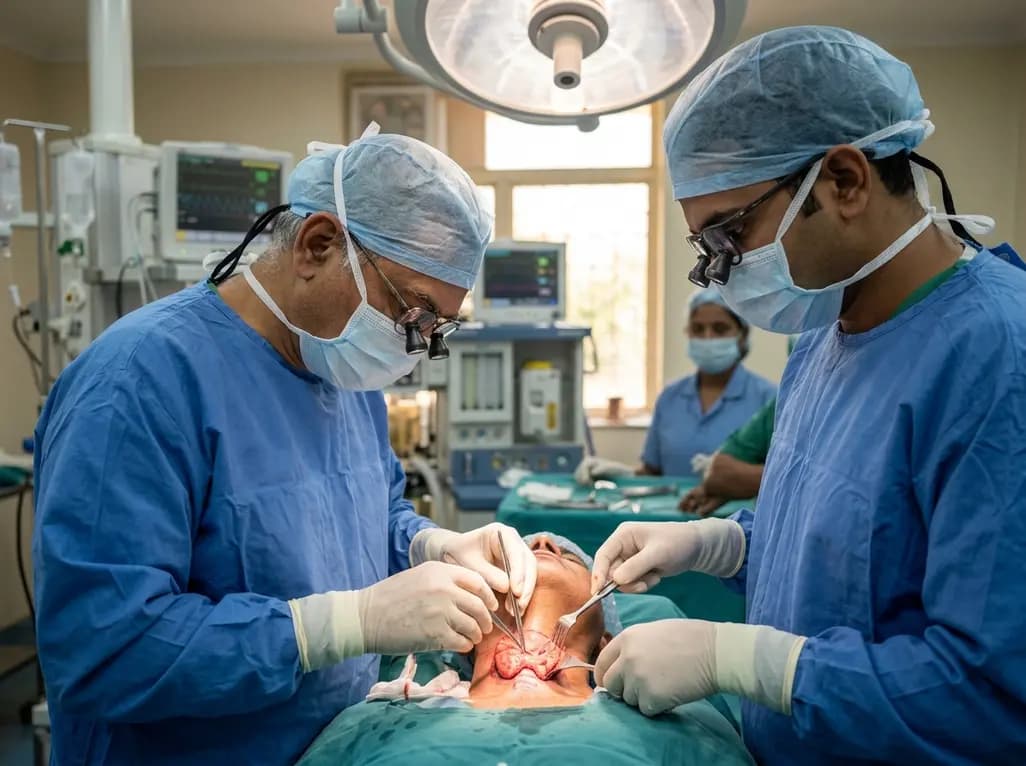
A systematic review evaluates the feasibility and safety of thyroidectomy after thermal ablation for thyroid nodules. Although procedures encounter significant fibrosis and surgical adhesions, permanent complication rates remain remarkably low in experienced centers.
Today
