.webp&w=384&q=75)

Loading, please wait...
Loading, please wait...
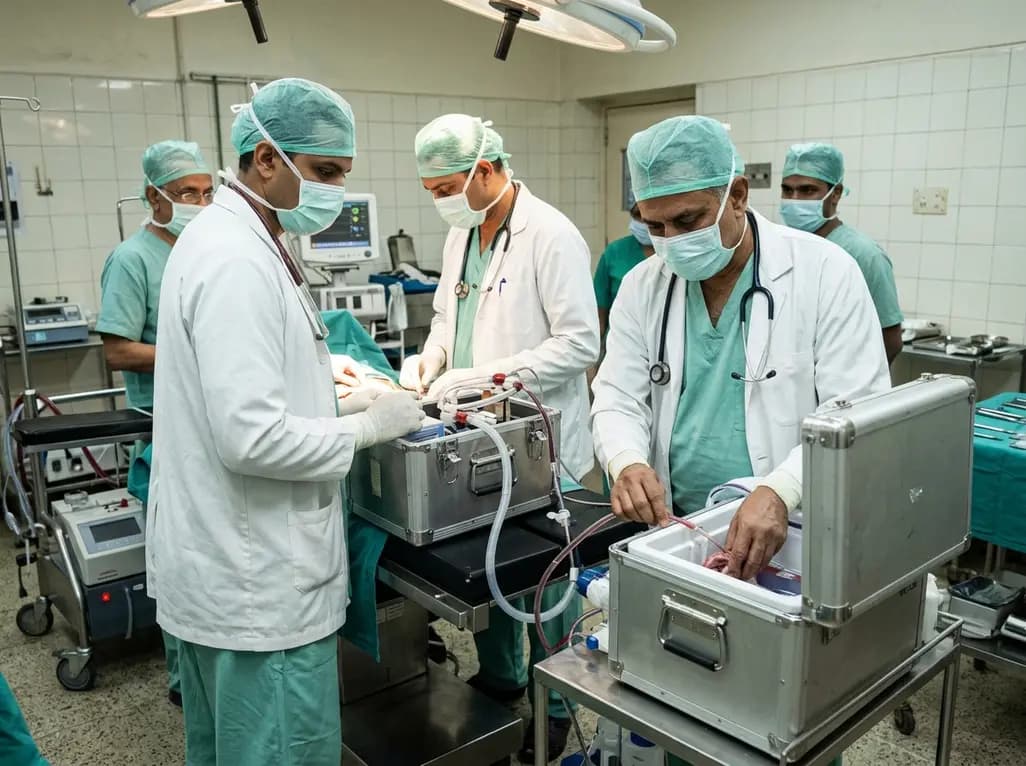
Heart failure imposes an immense global health burden, creating a critical shortage of donor allografts. Controlled donation after circulatory death provides an innovative pathway to expand donor organ availability. Specifically, thoracoabdominal normothermic regional perfusion has transformed donor resuscitation by re-establishing warm, oxygenated blood flow in situ. A recent Italian study confirms that mobile teams can safely conduct TA-NRP heart procurement in community hospitals without onsite cardiac surgery. Consequently, this mobile retrieval strategy offers valuable operational insights for healthcare networks seeking to maximize donor heart recovery. International transplant societies closely watch these developments as clinical paradigms evolve worldwide.
Organ recovery following circulatory determination of death demands stringent ethical adherence and clinical precision. In Italy, regulatory mandates require a strict 20-minute asystolic no-touch period before physicians confirm legal death and initiate surgical recovery. In contrast, many international jurisdictions require only a two to five-minute observation period. Consequently, Italian procurement teams encounter prolonged functional warm ischemic times that threaten donor organ integrity. Functional warm ischemia begins when peripheral oxygen saturation or systemic arterial pressure drops below critical physiological levels prior to circulatory arrest. In this clinical cohort, donors experienced a prolonged median functional warm ischemic time of 41 minutes. Despite this severe ischemic insult, the regional protocol successfully prevented irreversible cellular necrosis. Retrieval surgeons rapidly secured vascular access, isolated the cerebral circulation to avoid brain perfusion, and initiated extracorporeal circulatory support. Furthermore, controlled normothermic reperfusion minimized cellular reperfusion injury by gradually restoring cellular adenosine triphosphate levels. In addition, serial arterial blood sampling allowed real-time monitoring of metabolic clearance and acid-base equilibrium. Therefore, this structured protocol conclusively proves that standardized warm regional perfusion can overcome significant periods of warm circulatory arrest. Moreover, continuous arterial blood gas analysis and systemic monitoring confirmed stable biochemical recovery during the initial reperfusion phase.
The regional transplant registry prospectively followed nineteen consecutive controlled circulatory death donors across regional community facilities. From this donor cohort, transplant surgeons successfully procured and grafted seventeen hearts, achieving an extraordinary procurement rate of 89.5 percent. Most importantly, none of the transplant recipients developed primary graft dysfunction during the early postoperative period. Furthermore, no recipient required postcardiotomy veno-arterial extracorporeal membrane oxygenation upon separation from cardiopulmonary bypass or in the intensive care unit. All seventeen recipients achieved successful thirty-day survival without allograft-related mortality or serious early cellular rejection. In addition, participating abdominal surgical teams procured kidneys and livers from these donors, demonstrating high multi-organ retrieval utility. These clinical results demonstrate that normothermic regional perfusion effectively restores myocardial contractility, ventricular compliance, and cellular metabolic vitality. Although prolonged functional warm ischemia previously caused clinician reluctance, this case series confirms that prompt physiological restoration preserves donor allograft viability. Consequently, transplant centers can confidently incorporate donor hearts recovered under this reliable regional perfusion protocol. Similarly, post-transplant echocardiographic evaluations demonstrated normal biventricular ejection fractions and excellent hemodynamic stability in every recipient during follow-up assessments. Furthermore, recipients experienced low rates of acute rejection, maintaining excellent functional capacity and clinical stability throughout recovery.
Most community and district hospitals lack specialized cardiothoracic surgery facilities, which historically limited heart procurement to major tertiary academic centers. To overcome this systemic limitation, the regional transplant network established a dedicated mobile heart procurement team. This multidisciplinary unit includes an experienced cardiothoracic surgeon, an expert perfusionist, and a transplant coordinator equipped with portable extracorporeal membrane oxygenation technology. When a peripheral intensive care unit identifies a prospective donor, the mobile retrieval team deploys directly to that facility. Consequently, visiting specialists partner with local intensive care clinicians to coordinate end-of-life care and withdrawal of life-sustaining treatment. Immediately after circulatory death verification, the mobile team performs emergency sternotomy, clamps the arch vessels, and initiates normothermic regional perfusion. Therefore, this mobile deployment model successfully decentralizes advanced surgical care and democratizes organ donation opportunities. Moreover, regional healthcare authorities can maximize clinical resources while dramatically expanding the pool of available thoracic donors. In this manner, noncardiac hospitals become active contributors to regional transplant programs. Furthermore, local clinical staff receive valuable exposure to advanced organ preservation protocols, fostering ongoing collaboration across diverse health institutions. Accordingly, this integrated regional network ensures equitable organ procurement regardless of the geographic location of the donor.
A paramount clinical advantage of normothermic regional perfusion over standard cold preservation involves the comprehensive functional evaluation of the beating donor heart. During in situ regional perfusion, clinicians restore coronary blood flow and observe ventricular contractility directly within the open chest cavity. Specifically, the retrieval team utilizes serial transesophageal echocardiography and continuous invasive hemodynamic catheters to evaluate myocardial performance. This diagnostic strategy enables precise measurement of biventricular systolic function, chamber dimensions, wall motion abnormalities, and valvular competence. Additionally, clinicians monitor arterial blood gas parameters and serial serum lactate clearance to confirm active cellular recovery. If a donor heart exhibits persistent contractile depression or elevated filling pressures, clinicians can safely decline the graft before implantation. In contrast, rapid cold recovery systems provide no real-time physiological assessment before the team transports the graft. Consequently, normothermic regional perfusion equips surgical teams with objective diagnostic confidence when assessing challenging donor hearts. Therefore, this physiological assessment minimizes recipient risk and prevents severe post-transplant complications. Moreover, clinicians can administer targeted inotropes or vasodilators during regional perfusion to optimize graft performance prior to cold preservation. Consequently, this multimodal hemodynamic evaluation ensures that only grafts displaying optimal functional recovery proceed to final transplantation.
India faces a staggering burden of advanced heart failure, while donor organ availability remains severely restricted across public and private hospitals. Although donation after brainstem death remains the foundation of deceased organ donation, controlled circulatory death represents an immense, underutilized clinical opportunity. However, most secondary hospitals and trauma centers in India lack onsite cardiac surgical infrastructure. By establishing regional mobile perfusion teams, metropolitan transplant centers could effectively support peripheral community hospitals during organ procurement. Furthermore, adopting mobile extracorporeal circuits would allow rapid cannulation and standardized myocardial assessment in community operating theatres. National regulatory bodies, such as the National Organ and Tissue Transplant Organisation, could formulate standard operating protocols to safeguard donor rights and maintain societal trust. In addition, clear clinical guidelines regarding asystolic observation windows and cerebral vessel isolation will ensure uncompromised ethical practice. Consequently, developing regionalized mobile procurement networks could dramatically alleviate organ shortages across the country. Thus, Indian healthcare systems can adapt these innovative strategies to save countless patients awaiting heart transplantation. Similarly, inter-hospital clinical networks can enhance professional training and foster widespread institutional adoption of advanced perfusion techniques.
Direct cold procurement involves rapid chest exploration, vascular cannulation, and immediate infusion of ice-cold cardioplegia following circulatory death. In contrast, thoracoabdominal normothermic regional perfusion restores warm, oxygenated blood flow to the donor organs in situ using extracorporeal technology. This physiological restoration allows the arrested heart to resume normal beating, facilitating thorough hemodynamic evaluation and functional echocardiographic assessment before organ excision and cold preservation.
Surgeons clamp and vent the brachiocephalic and carotid arteries before initiating extracorporeal regional perfusion to prevent blood from flowing to the brain. This crucial technical step ensures that oxygenated blood does not re-perfuse cerebral tissue after circulatory death declaration. Consequently, the isolation protocol upholds strict legal, medical, and ethical standards, confirming that brain death remains irreversible while teams safely restore extracorporeal circulation to thoracic and abdominal organs.
Implementing normothermic regional perfusion in India requires overcoming substantial logistical, regulatory, and infrastructural challenges across hospital systems. Currently, most community centers lack portable extracorporeal machinery and specialized perfusion personnel. Furthermore, Indian healthcare authorities require formal national guidelines defining circulatory death protocols and ethical parameters for regional perfusion. Establishing standardized mobile surgical teams and developing regional retrieval networks represent essential requirements for safe nationwide adoption.
Disclaimer: This content is for informational and educational purposes only. It is not intended to be a substitute for professional medical advice, diagnosis, or treatment. Refer to the latest local and national guidelines for clinical practice.
References

Read summarized clinical updates, watch expert medical content, and earn CME certifications right from your smartphone.
Open your smartphone camera to scan and install.





A pioneering Italian case series demonstrates that mobile heart teams can successfully implement TA-NRP heart procurement in peripheral noncardiac hospitals. Despite a mandatory 20-minute no-touch period and prolonged warm ischemia, 89.5% of hearts were transplanted with zero primary graft dysfunction.
Today
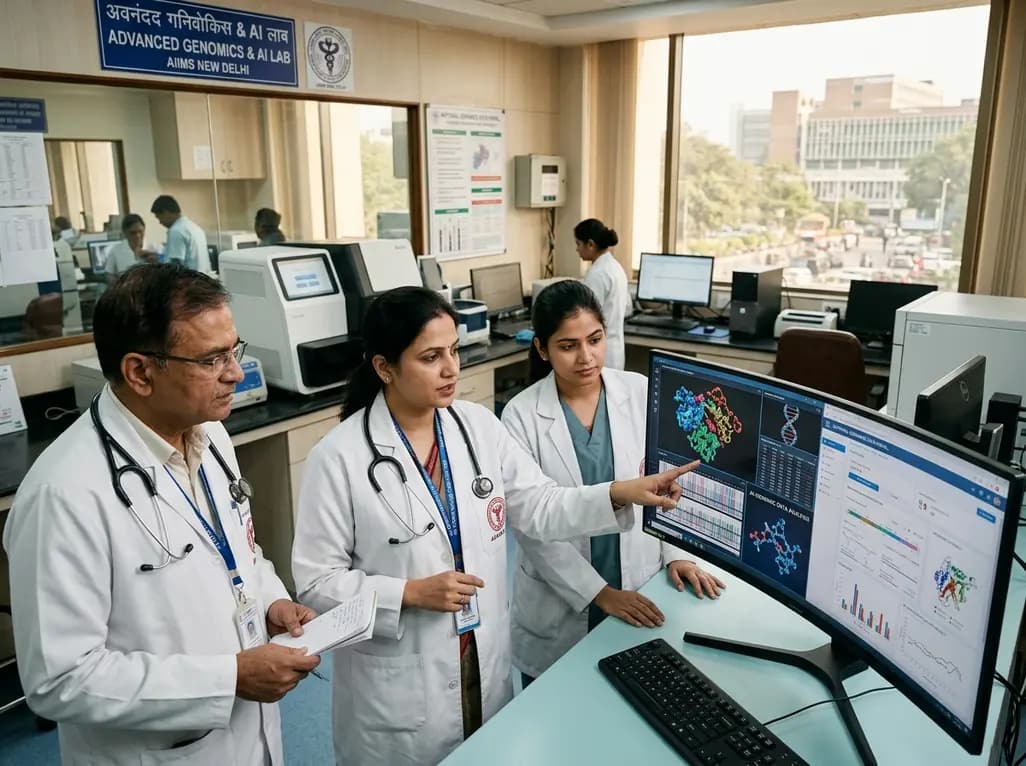
India is advancing biomedical frontiers by integrating AI, genomics, and nanomedicine under supportive national policies like BioE3. Union Minister Jitendra Singh urges clinicians to balance cutting-edge innovations with bedside clinical acumen to preserve patient trust and deliver equitable precision healthcare.
Today
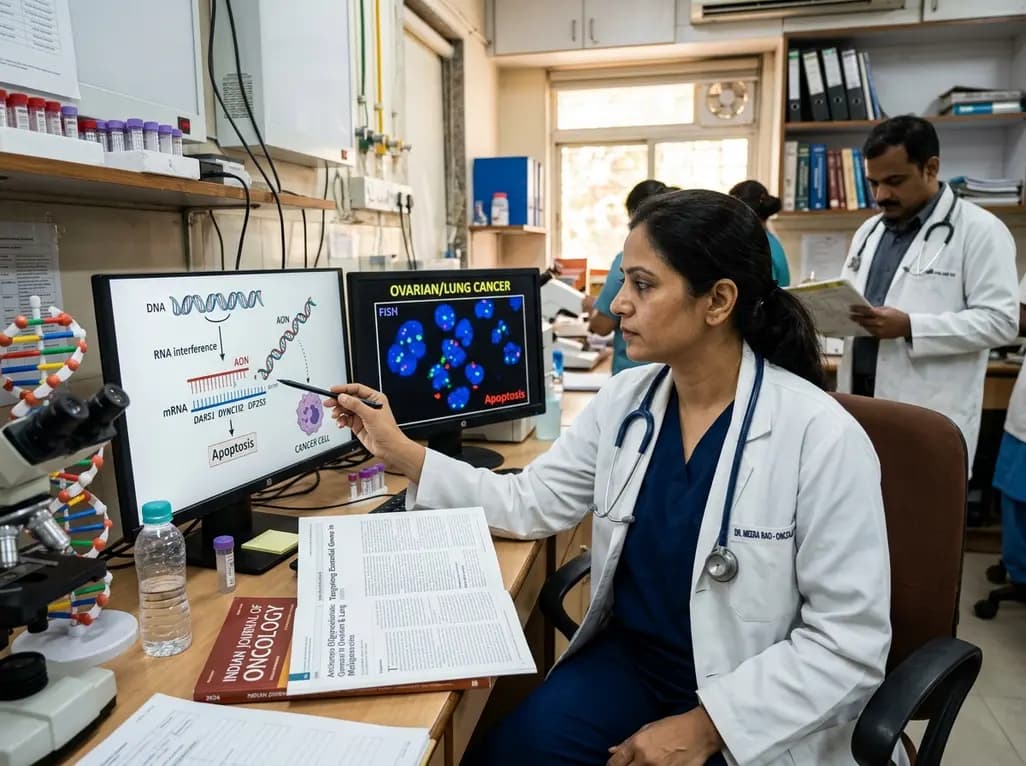
Novel preclinical research demonstrates that antisense oligonucleotides targeting essential genes such as DARS1, DYNC1I2, and EIF2S3 selectively induce apoptosis in ovarian and lung cancer cells. Conditional biomarker activation provides a viable strategy to spare normal tissue while overcoming therapy resistance.
Today
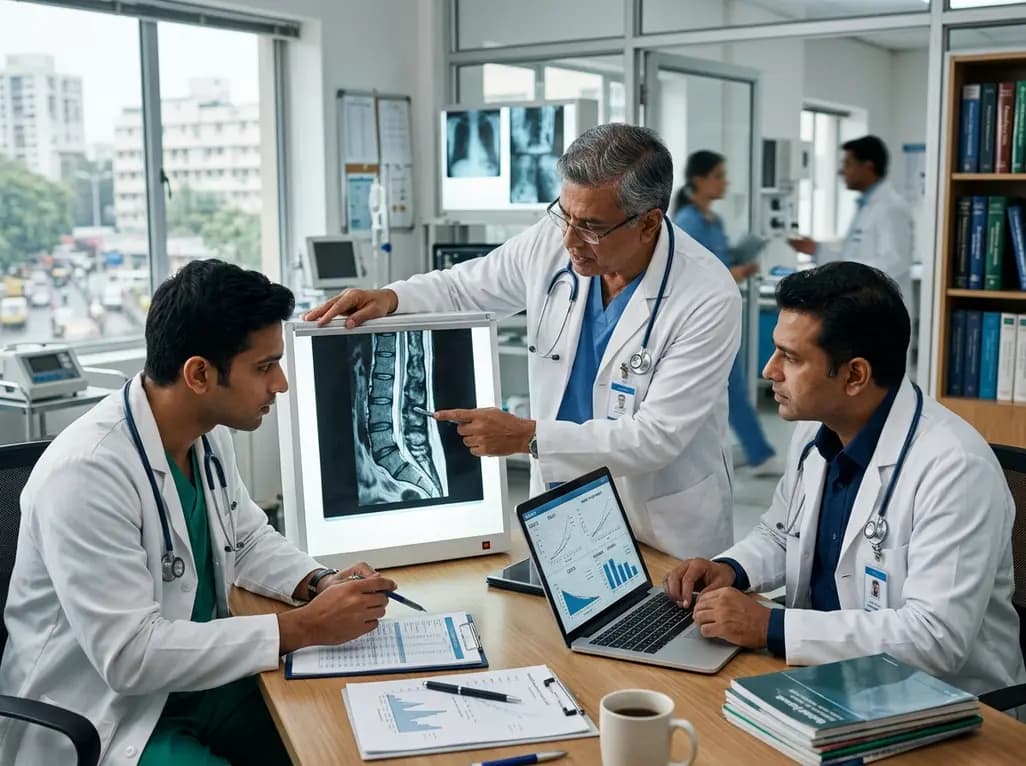
A 10-year Markov state-transition model shows minimally invasive tubular decompression dominates open laminectomy for pure lumbar spinal stenosis, yielding 5.95 vs 5.91 QALYs and saving $4,167 per patient through reduced complications and lower index costs.
Today
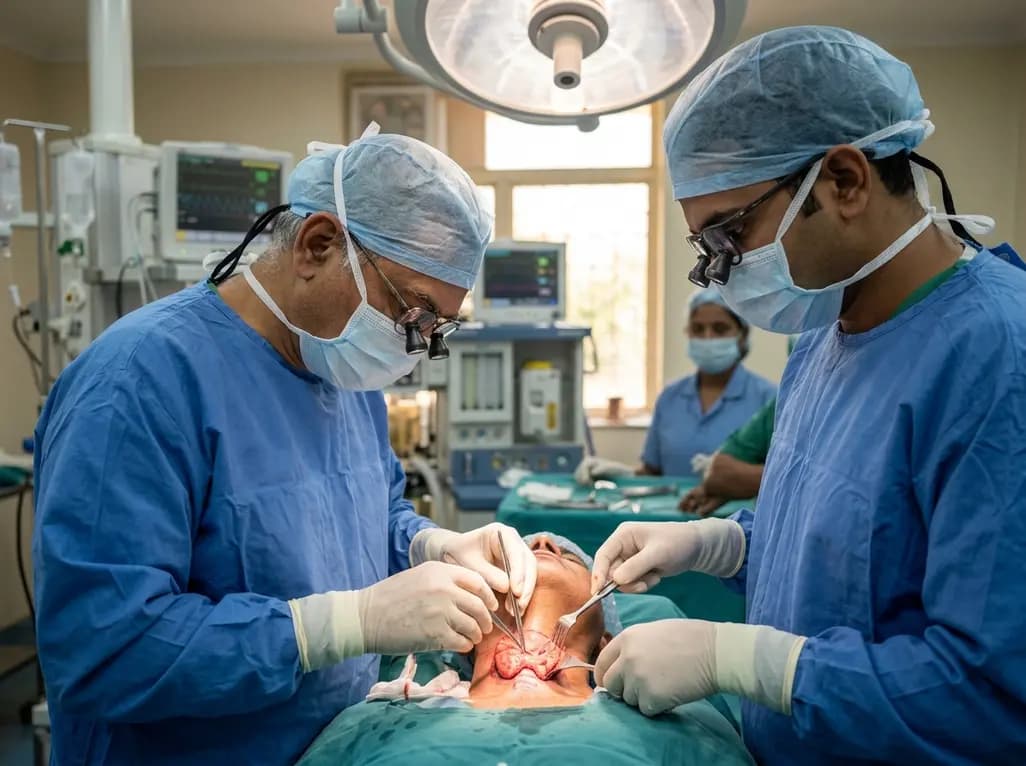
A systematic review evaluates the feasibility and safety of thyroidectomy after thermal ablation for thyroid nodules. Although procedures encounter significant fibrosis and surgical adhesions, permanent complication rates remain remarkably low in experienced centers.
Today
