.webp&w=384&q=75)

Loading, please wait...
Loading, please wait...
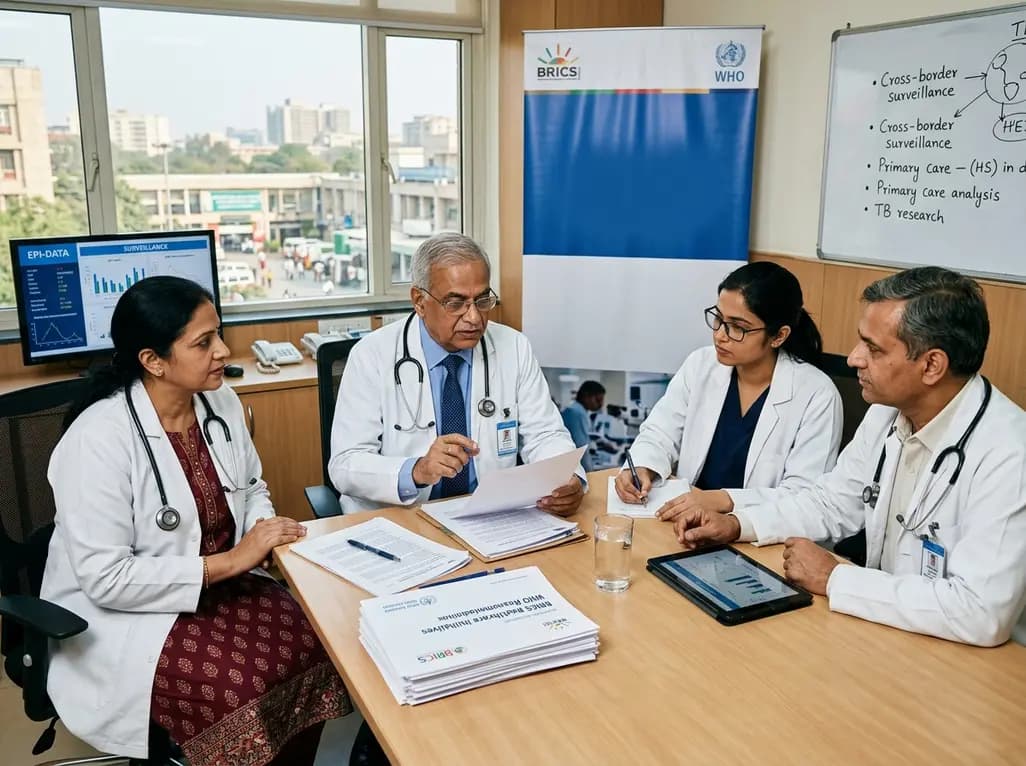
Global health authorities urge nations to reinforce pandemic defenses before the next cross-border crisis arrives. Specifically, World Health Organization Director-General Dr Tedros Adhanom Ghebreyesus emphasized that expanding BRICS health cooperation remains vital for global stability. He outlined four core themes including innovation, resilience, multilateral cooperation, and sustainable financing. Furthermore, collective health action directly protects vulnerable communities across developing economies.
Addressing emerging infectious threats requires resilient health systems grounded in robust primary healthcare infrastructure. In addition, the WHO Director-General urged member nations to direct medical innovation toward historically underserved populations. Commercial markets frequently overlook high-need communities residing in low-resource environments. Therefore, public institutions must actively leverage scientific discovery, digital platforms, and artificial intelligence for population welfare. However, high-tech tools cannot achieve equity unless healthcare systems make their benefits universally accessible. Modern public health also demands sustainable health financing frameworks that withstand sudden macroeconomic shocks. Consequently, member states must move away from volatile funding cycles toward predictable, long-term health allocations. Furthermore, political leadership must sustain vital programmatic gains through transparent operational implementation and mutual accountability. Dr Tedros reiterated that proactive institutional resilience prevents the catastrophic socioeconomic fallout observed during prior pandemics. Member nations must also prioritize domestic and regional production of diagnostic tools, personal protective equipment, and vaccines. As a result, robust regional production networks shield sovereign nations from acute international supply chain vulnerabilities. Ultimately, these structural reforms protect vulnerable patients and preserve continuity of care during severe health shocks. Clinicians thereby gain dependable access to essential clinical countermeasures when managing widespread public health emergencies.
Early detection of novel pathogens remains the cornerstone of modern infectious disease containment strategies. During the recent health ministerial deliberations in Chandigarh, leaders formally established a dedicated Sub-Working Group. Specifically, this group will advance the BRICS Integrated Early Warning System for rapid outbreak intervention. The initiative facilitates seamless information sharing and standardized epidemic surveillance across member states. Consequently, medical teams can detect unusual epidemiological clusters before localized outbreaks expand into uncontrolled regional epidemics. Clinicians play a frontline role by identifying atypical clinical presentations and reporting unusual pathogen clusters promptly. Moreover, integrated laboratory networks will connect regional reference centers to ensure rapid genomic characterization of circulating variants. Cross-border data architecture also enhances clinical preparedness by forecasting medical supply requirements during emerging crises. In addition, rapid notification systems allow tertiary centers to activate infection control protocols and surge capacity plans. Epidemiologists can track transmission patterns across demographic groups using advanced digital analytics and shared registries. Therefore, collaborative surveillance transforms reactive disaster responses into proactive, preventive healthcare measures. Ultimately, this interconnected early warning framework ensures that clinical teams receive actionable threat intelligence without administrative delay. Such timely insights directly safeguard healthcare workers and prevent catastrophic hospital system overcrowding during infectious surges.
Tuberculosis continues to pose a formidable global public health challenge across emerging economies and high-burden nations. Notably, BRICS nations collectively shoulder nearly half of the worldwide morbidity associated with Mycobacterium tuberculosis infections. Health ministers at the Chandigarh conference recognized that eliminating tuberculosis demands aggressive, coordinated cross-border intervention. Therefore, member countries have pledged sustained investments in basic research, diagnostics, and novel therapeutic regimens. The ongoing expansion of the BRICS Tuberculosis Research Network promotes technical collaboration and clinical trial harmonisation. Furthermore, sharing programmatic experiences helps clinicians deploy effective regimens against multidrug-resistant tuberculosis strains. India has demonstrated substantial leadership by adopting advanced molecular diagnostics and decentralized community treatment approaches. In addition, digital public health infrastructure facilitates direct benefit transfers and robust treatment adherence monitoring among patients. However, persistent socioeconomic determinants such as malnutrition and crowded housing continue to complicate disease eradication efforts. Consequently, multinational programs must combine biomedical innovations with targeted social welfare measures. Cross-learning among member states accelerates the development of shorter, safer drug regimens with superior patient tolerability. Thus, unified clinical and research efforts bring the global community closer to ending the tuberculosis epidemic permanently. Healthcare providers benefit directly from standardized clinical management guidelines that reflect shared evidence and cutting-edge operational research.
Equitable pandemic preparedness depends on fair global mechanisms that govern biological resources and medical countermeasures. In the New Delhi Declaration, BRICS leaders endorsed constructive engagement on the Pathogen Access and Benefit-Sharing Annex. Specifically, this annex forms an indispensable pillar of the broader WHO Pandemic Agreement negotiations. The framework aims to ensure rapid pathogen sharing alongside equitable distribution of vaccines, diagnostics, and therapeutics. However, member states simultaneously reaffirmed their sovereign rights over national biological materials and related domestic legislation. Developing countries emphasize that access to genetic pathogen sequence data must link directly to binding benefit-sharing commitments. Consequently, pharmaceutical manufacturers utilizing shared pathogen sequences must guarantee affordable product allocations to lower-income nations. Dr Tedros observed that access and benefit-sharing represent two inseparable halves of a singular global health promise. Moreover, multilateral treaties must establish transparent legal protections that prevent nationalistic stockpiling during future pandemics. Such equitable frameworks prevent the severe market distortions that delayed clinical countermeasures across developing regions previously. Therefore, establishing balanced pathogen-sharing protocols protects global health security while honoring national autonomy. Ultimately, global legal certainty enables clinical researchers worldwide to collaborate effectively without fear of uncompensated resource exploitation. Clinicians across emerging nations can consequently anticipate faster delivery of life-saving therapeutics when novel infectious diseases emerge.
The New Delhi Declaration provided significant momentum to Traditional, Complementary and Integrative Medicine across member states. Recognizing traditional systems strengthens primary healthcare structures and supports the broader goal of Universal Health Coverage. In addition, leaders welcomed the establishment of a dedicated BRICS Expert Working Group on traditional medicine. This specialized working group offers a collaborative platform for technical exchange, regulatory standardization, and rigorous scientific research. India has emerged as a prominent advocate for evidence-based integration of Ayurveda and other traditional healing modalities. Union Minister Prataprao Jadhav emphasized that scientific research and rigorous quality control remain paramount for international acceptance. Furthermore, combining traditional wellness paradigms with contemporary biomedical diagnostics offers a holistic, patient-centered model of care. Many chronic lifestyle disorders benefit substantially from lifestyle modifications, dietary advice, and plant-based therapeutics guided by clinical evidence. However, healthcare authorities must maintain stringent manufacturing standards to ensure the safety and pharmacological efficacy of botanical preparations. Consequently, mutual recognition of pharmacopeias and collaborative clinical trials will validate traditional remedies across international borders. Such multidisciplinary integration enriches clinical practice by expanding affordable therapeutic choices for patients and community practitioners alike. Therefore, standardized integrative medicine can bridge existing healthcare access gaps in both rural and metropolitan clinical settings.
Q1: What are the four core asks presented by WHO to BRICS leaders?
Dr Tedros Adhanom Ghebreyesus outlined four clear imperatives for BRICS leadership. First, nations must build robust resilience before the next emergency arrives by reinforcing primary healthcare and local manufacturing. Second, governments should direct innovation toward underserved populations and market blind spots. Third, member states must make cross-border collaboration fully operational across diverse sectors. Finally, leaders must sustain health gains through unyielding political commitment, systematic implementation, and measurable public accountability.
Q2: How does the BRICS Integrated Early Warning System improve disease surveillance?
The BRICS Integrated Early Warning System establishes an institutional mechanism for detecting and mitigating mass infectious disease outbreaks. Through a dedicated sub-working group, member states share epidemiological intelligence, standardize surveillance protocols, and coordinate rapid response interventions. Furthermore, the framework integrates regional laboratory networks for genomic pathogen sequencing. Consequently, this collaborative approach helps clinicians identify dangerous cross-border microbial threats early, prevents acute hospital overcrowding, and facilitates prompt deployment of targeted countermeasures.
Q3: Why is Traditional, Complementary and Integrative Medicine included in the BRICS health agenda?
Traditional, Complementary and Integrative Medicine strengthens universal health coverage by expanding affordable, patient-centered therapeutic options. The New Delhi Declaration established a specialized expert working group to advance cross-border research, quality assurance, and clinical validation. Moreover, member states aim to harmonize pharmacopeial standards and investigate traditional botanical therapeutics scientifically. Therefore, integrating validated traditional remedies with modern clinical practice helps address chronic lifestyle diseases while closing persistent healthcare access disparities in underserved rural regions.
Disclaimer: This content is for informational and educational purposes only. It does not constitute medical advice or replace professional judgment. Refer to the latest local and national guidelines for clinical practice.
References

Read summarized clinical updates, watch expert medical content, and earn CME certifications right from your smartphone.
Open your smartphone camera to scan and install.





At the New Delhi Summit, the WHO Director-General urged nations to strengthen primary care, disease surveillance, and equitable medical innovation. The declaration highlighted cross-border early warning systems, tuberculosis research networks, and the integration of evidence-based traditional medicine.
Today

A study of over 340,000 Medicare beneficiaries shows that hospital artificial intelligence tools, particularly risk prediction algorithms, significantly lower readmissions and acute care utilization in older adults with Alzheimer's disease and dementia without driving up total healthcare spending.
Today
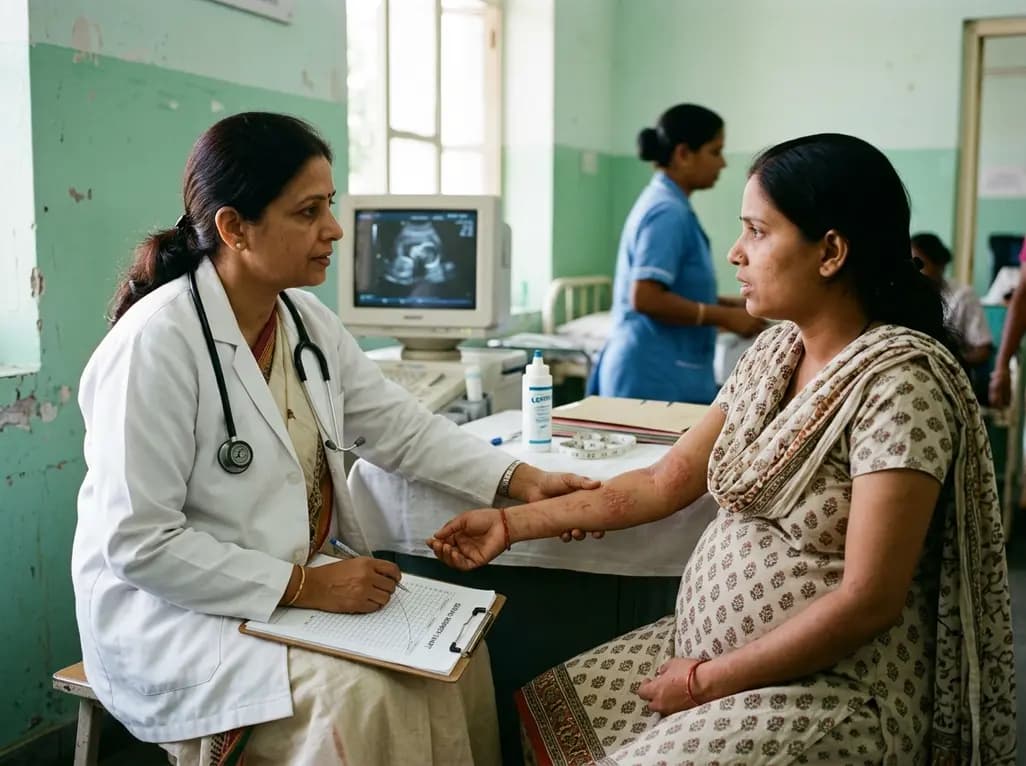
A comprehensive meta-analysis of over 278,000 women demonstrates that maternal atopic dermatitis significantly increases risks of premature rupture of membranes and low birth weight. Discover essential clinical insights on disease mechanisms, serial antenatal growth monitoring, and safe therapeutic interventions.
Today
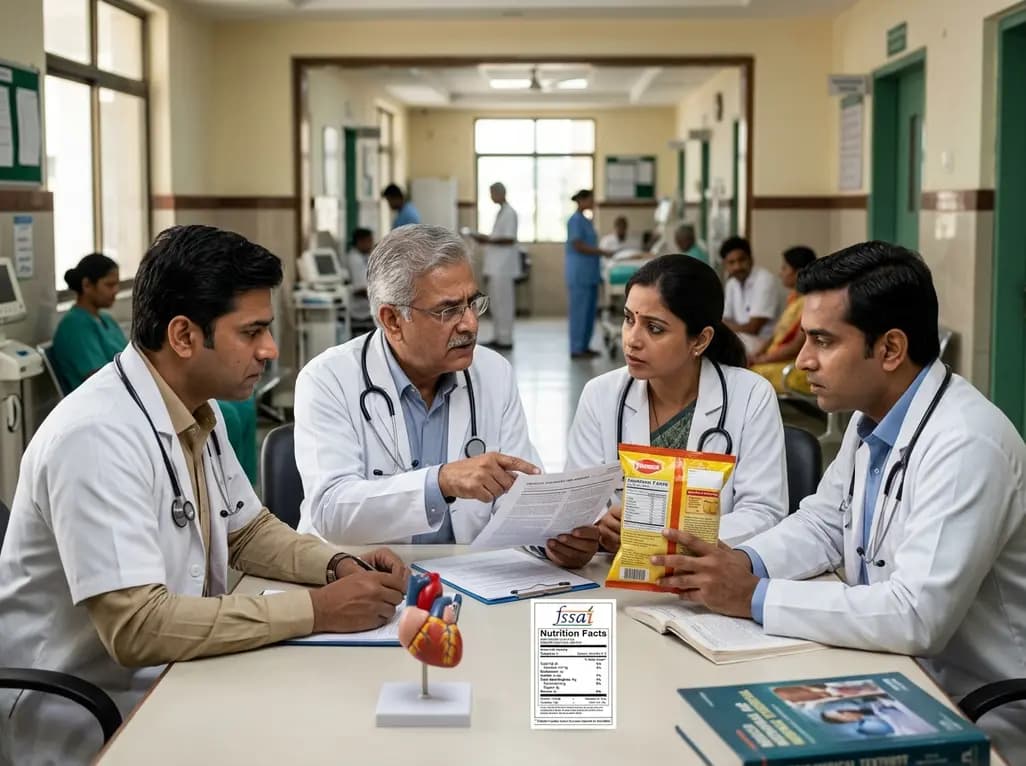
Over 60 international public health researchers have advised FSSAI to mandate front-of-pack warning labels for any packaged product high in even one critical nutrient: sugar, saturated fat, or sodium. This reform counters phased rollouts to accelerate consumer protection and address India's chronic disease burden.
Today
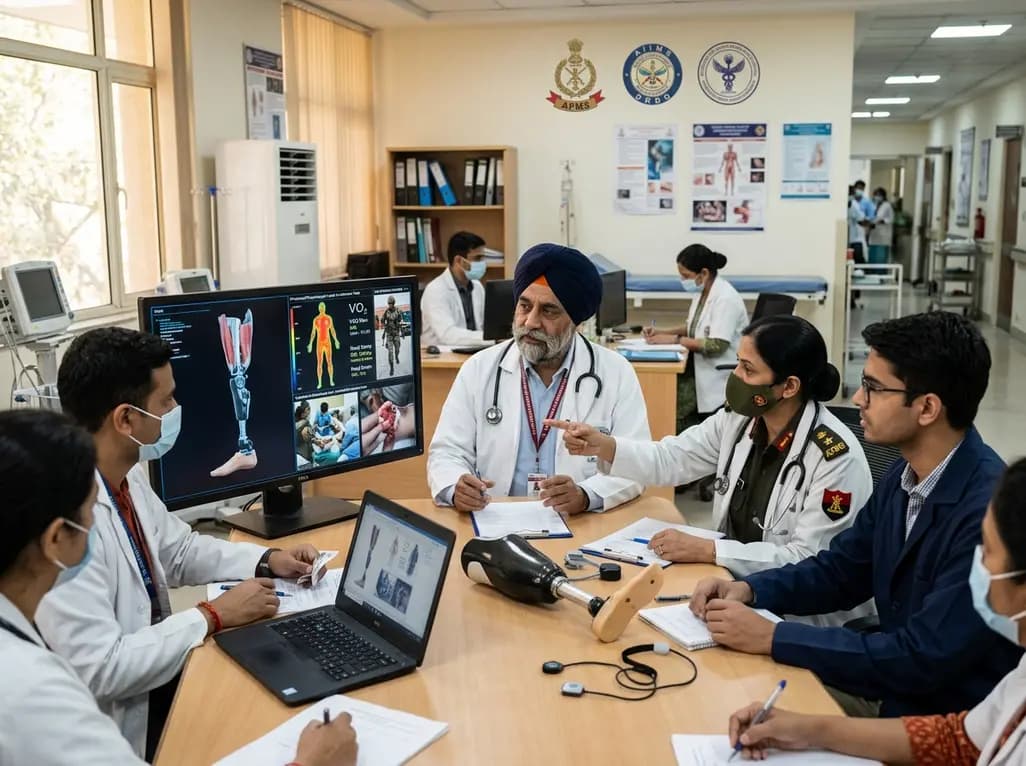
India's premier scientific bodies have joined the Armed Forces Medical Services to solve unique physiological and operational challenges faced by soldiers. The national collaboration covers combat casualty care, artificial intelligence diagnostics, bionic prosthetics, and extreme-environment physiological resilience.
Today
A cross-sectional study reveals that elevated METS-IR is independently associated with higher myopia odds in adolescents, showing biological synergy with obesity and highlighting the need for metabolic screening in pediatric eye care.
Yesterday
