.webp&w=384&q=75)

Loading, please wait...
Loading, please wait...
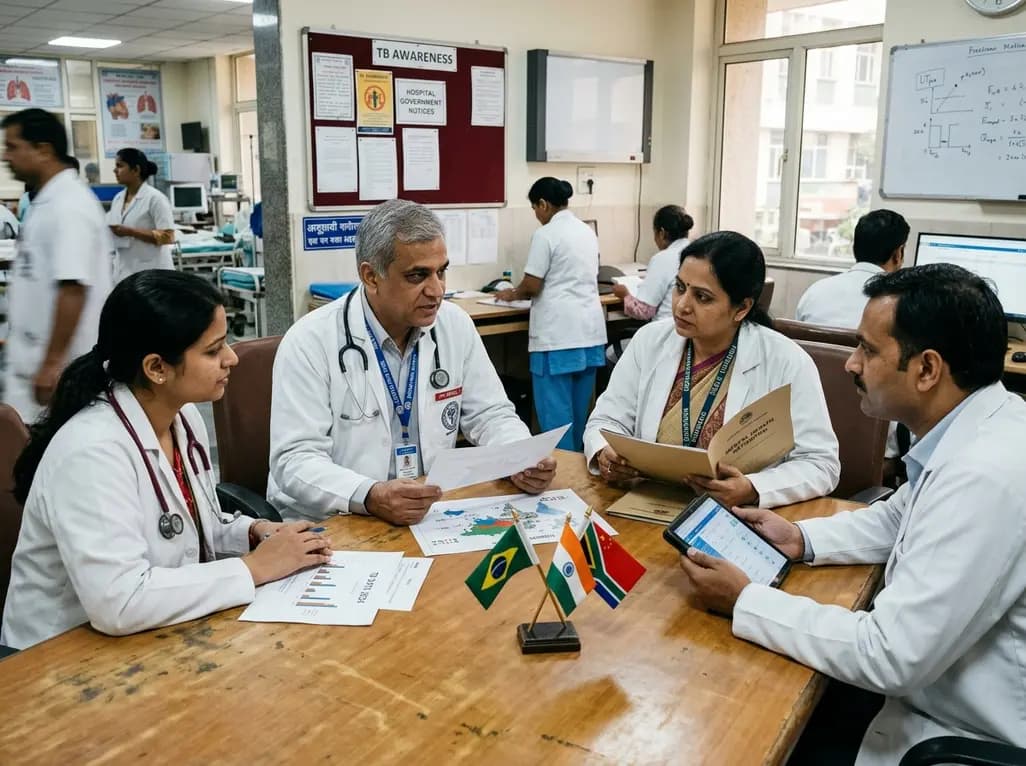
The New Delhi Declaration has established a transformative roadmap for BRICS health cooperation across emerging global healthcare systems. Leaders from member nations met to reaffirm their shared commitment toward universal health coverage. Furthermore, they emphasized the indispensable coordinating role of the World Health Organization. This multilateral declaration establishes robust mechanisms for tackling persistent communicable threats, non-communicable diseases, and healthcare inequities. Consequently, medical practitioners across member states will benefit from shared clinical evidence, technological innovations, and streamlined regulatory frameworks.
Global infectious disease outbreaks and antimicrobial resistance consistently transcend national borders. Therefore, BRICS leaders endorsed an Integrated Early Warning System to detect and manage emerging biological risks. This system establishes a dedicated sub-working group focused on mass infectious disease response. In addition, the initiative strengthens laboratory networks and diagnostic capacity across member states. Clinicians require rapid genomic sequencing and epidemiological data during initial pathogen outbreaks. Consequently, this collaborative network provides real-time surveillance updates to prevent localized clusters from becoming pandemics.
Moreover, the declaration addresses global pandemic preparedness negotiations under the World Health Organization Pandemic Agreement. Specifically, leaders highlighted the Pathogen Access and Benefit-Sharing system to ensure equitable distribution of countermeasures. However, member nations also reaffirmed their sovereign rights over national biological resources. Accordingly, national health authorities retain legislative authority over their biological assets while engaging in global scientific exchanges. By combining regional epidemiological surveillance with rapid response capacities, the alliance strengthens global biosafety. Furthermore, primary healthcare centers will receive earlier outbreak warnings and diagnostic support. Thus, frontline practitioners can implement effective infection control protocols and clinical triage before health facilities experience severe patient surges.
Tuberculosis remains a critical global public health crisis that demands coordinated clinical action and sustained financial investment. BRICS nations collectively bear nearly half of the global tuberculosis burden, including high rates of multi-drug-resistant infections. Consequently, the summit endorsed intensified collaboration through the BRICS Tuberculosis Research Network. This research platform promotes mutual technology sharing, unified clinical trials, and rapid diagnostic innovation. Furthermore, the initiative encourages institutions to co-develop affordable second-line therapeutic regimens.
Additionally, the declaration emphasizes cross-learning between national tuberculosis elimination programs. Frontline clinicians face persistent challenges regarding treatment adherence, drug toxicity, and delayed diagnosis. Therefore, sharing practical implementation models allows healthcare providers to deploy advanced molecular assays and digital adherence monitors effectively. Furthermore, joint research teams will focus on identifying novel vaccine candidates to break transmission chains. Because social determinants significantly influence tuberculosis outcomes, leaders committed to targeted community interventions. These frameworks address undernutrition, overcrowded housing, and economic vulnerability among high-risk populations. Ultimately, this unified approach equips pulmonologists and primary care physicians with superior therapeutic tools. By bridging the gap between clinical research and grassroots delivery, the alliance accelerates progress toward eliminating tuberculosis.
Modern healthcare delivery relies heavily on scalable digital infrastructure to ensure uninterrupted continuum of care. Consequently, leaders welcomed the adoption of the BRICS Compendium on Digital Health Architecture. This strategic framework guides member nations in building interoperable digital health systems. In addition, it prioritizes reliable telemedicine networks to expand clinical consultations into remote regions. Rural practitioners often lack access to specialized diagnostic consultations. Therefore, standardized digital health architectures enable seamless tele-radiology, electronic health records, and remote clinical decision support.
Meanwhile, regulatory fragmentation often delays patient access to essential pharmaceutical products and medical technologies. To address this barrier, the summit called for closer collaboration among national medical products regulatory authorities. Leaders specifically endorsed the development of the BRICS GxP White Paper. This regulatory document consolidates best practices in manufacturing, clinical laboratory evaluation, and post-marketing surveillance. Furthermore, technical harmonization reduces bureaucratic delays for novel therapeutics and vaccines. As a result, domestic manufacturers can scale up production of high-quality generics and diagnostic kits more efficiently. Importantly, clinicians gain faster access to certified medical supplies during public health emergencies. Through coordinated regulatory oversight, member nations ensure both product safety and therapeutic affordability across regional supply chains.
Non-communicable diseases and escalating obesity rates pose severe threats to population health and economic productivity. In response, leaders endorsed the BRICS Mission for Healthy Lifestyle and its four-year operational roadmap. This initiative distributes a compendium of replicable best practices for community lifestyle interventions. Furthermore, healthcare teams will leverage these models to combat diabetes, hypertension, and cardiovascular disorders. Additionally, the declaration supported the BRICS Nuclear Medicine Working Group to enhance oncological diagnosis and advanced cancer therapy.
Equally important, the summit elevated mental well-being as a cornerstone of sustainable public health policy. Leaders formally backed the establishment of a BRICS Training Hub Network and regional Centres of Excellence. Notably, Bengaluru's National Institute of Mental Health and Neuro Sciences coordinates this comprehensive mental wellness initiative. This central platform facilitates collaborative psychiatric research, clinical policy dialogue, and evidence-based mental health promotion strategies. Moreover, the declaration emphasizes timely psychosocial interventions for vulnerable groups, including children and adolescents facing societal crises. Primary care doctors frequently encounter patients experiencing depression, anxiety, and trauma without specialized psychiatric support. Therefore, this network delivers structured training programs to upskill community healthcare providers. Consequently, general practitioners can identify psychiatric symptoms earlier and provide compassionate, evidence-based care.
Traditional, Complementary, and Integrative Medicine plays an expanding role in strengthening healthcare systems and achieving universal health coverage. The New Delhi Declaration welcomed the creation of a specialized BRICS Expert Working Group on integrative medicine. Furthermore, leaders underscored the necessity of coordinated scientific research on medicinal plants and herbal therapeutics. However, member states reiterated that patient safety demands rigorous regulatory oversight and standardized quality control. Clinicians must evaluate herbal formulations through evidence-informed approaches before prescribing them alongside conventional drugs. Consequently, this collaborative initiative establishes robust scientific benchmarks for herbal safety and therapeutic efficacy.
In addition, the declaration prioritized human resource development across developing and least developed healthcare ecosystems. Leaders called for joint capacity-building programs, clinical research fellowships, and technical training for healthcare workers. National Public Health Institutes will serve as vital anchors for workforce development and disease surveillance. Furthermore, member nations pledged continued operational support for the BRICS Vaccine Research and Development Centre. By fostering localized manufacturing and advanced artificial intelligence tools, the alliance enhances regional medical self-reliance. Ultimately, these cooperative frameworks empower healthcare professionals to deliver equitable, high-quality clinical care across all socioeconomic strata.
Q1: Why is tuberculosis control a primary focus of BRICS health initiatives?
Member countries within the bloc account for nearly half of the global tuberculosis burden. Consequently, these nations face immense clinical and financial strains from drug-resistant strains. Through coordinated initiatives, the alliance shares cutting-edge research, diagnostics, and therapeutics. Furthermore, this joint approach accelerates clinical trial data sharing across international borders. As a result, public health programs can deploy targeted therapies more rapidly to reduce community transmission and curb mortality rates.
Q2: What role does NIMHANS play in the newly established mental wellness network?
The National Institute of Mental Health and Neuro Sciences serves as the central coordinating hub for member nations. Specifically, the institute facilitates collaborative research, policy formulation, and specialized workforce training. Additionally, it coordinates regional centres of excellence to disseminate standardized clinical guidelines across diverse health systems. This partnership strengthens psychiatric infrastructure, particularly for vulnerable demographics such as children and adolescents. Consequently, primary care clinicians gain access to evidence-based psychosocial toolkits for effective crisis management.
Q3: How does the declaration address traditional and integrative medicine standards?
The declaration establishes a dedicated expert working group to evaluate Traditional, Complementary, and Integrative Medicine modalities. Furthermore, member states emphasize the critical necessity of rigorous scientific research regarding medicinal plants and herbal preparations. Clinicians and researchers must establish validated safety, quality, and efficacy metrics before widespread integration. Therefore, this collective regulatory framework helps modernize traditional practices. Ultimately, it ensures that complementary therapies align safely with conventional treatment pathways under universal health coverage.
Disclaimer: This content is for informational and educational purposes only. It does not constitute medical advice or replace professional judgment. Refer to the latest local and national guidelines for clinical practice.
References

Read summarized clinical updates, watch expert medical content, and earn CME certifications right from your smartphone.
Open your smartphone camera to scan and install.





At the New Delhi Summit, BRICS leaders adopted a landmark declaration committing member nations to united action against tuberculosis, non-communicable diseases, and future pandemic threats. Key actions include NIMHANS-led mental health networks, digital health architectures, and evidence-based integrative medicine.
Today
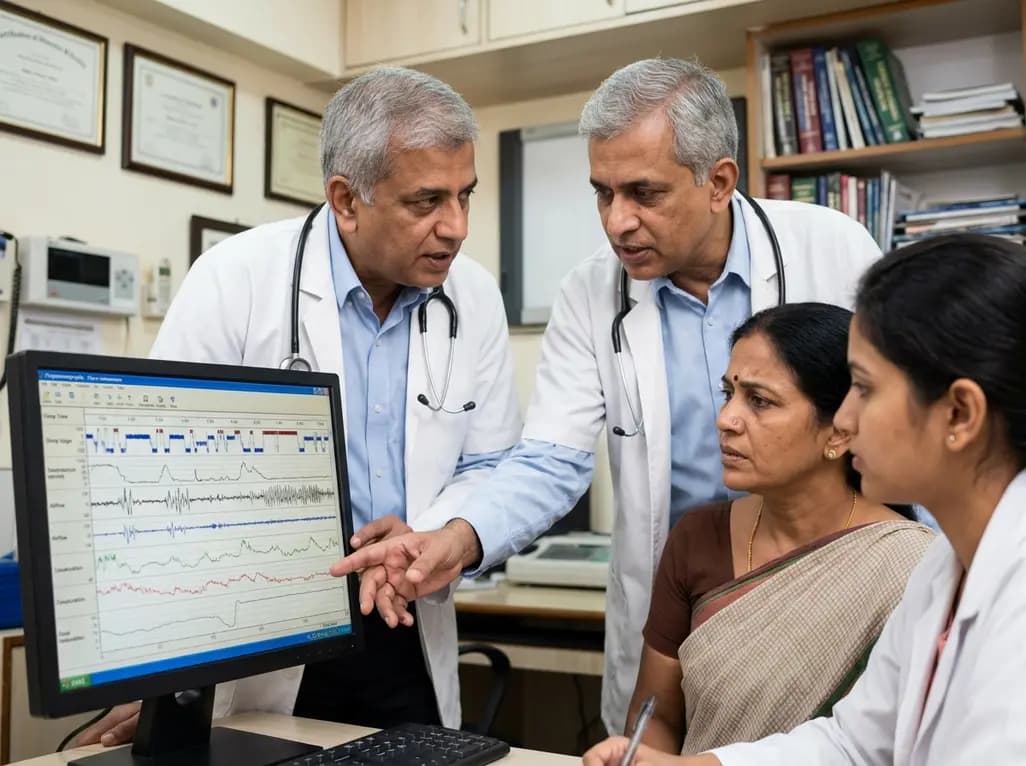
Perimenopausal obstructive sleep apnea often goes undetected due to atypical polysomnographic presentations and symptom overlap with menopause. This review details its neurocognitive mechanisms, polysomnography markers, and precision management strategies.
Today
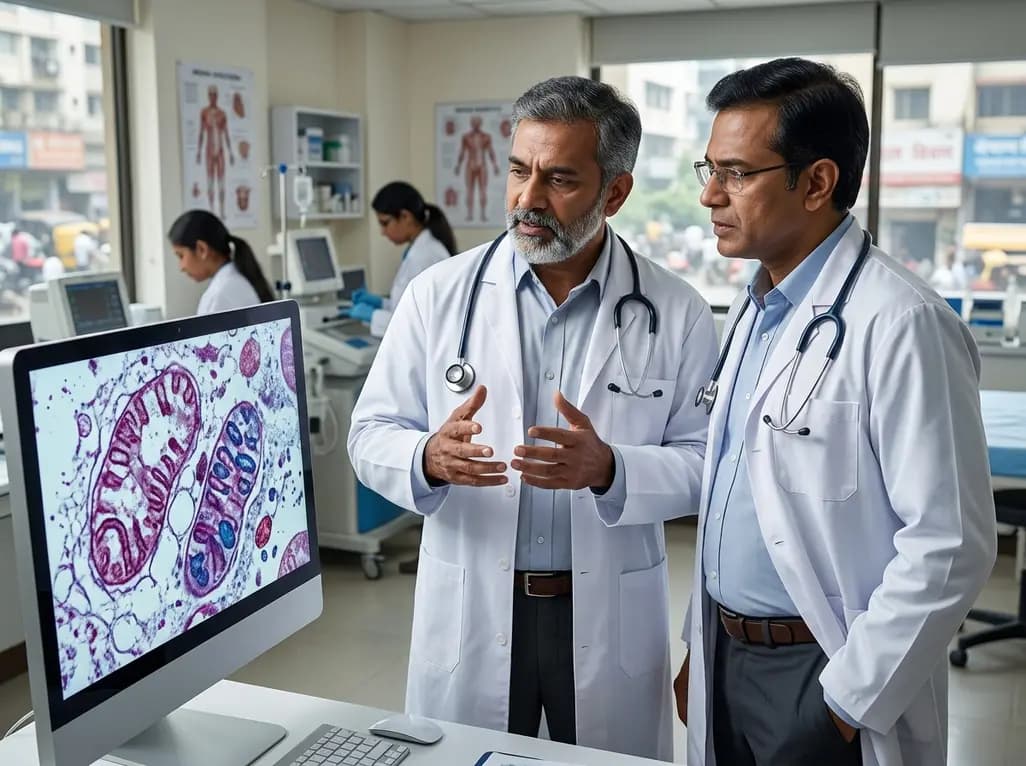
Mitochondrial deubiquitinases regulate organelle turnover by editing ubiquitin tags on damaged mitochondria. Discover how targeting these enzymes, notably USP30, offers therapeutic strategies for neurodegenerative, cardiovascular, and metabolic disorders.
Today
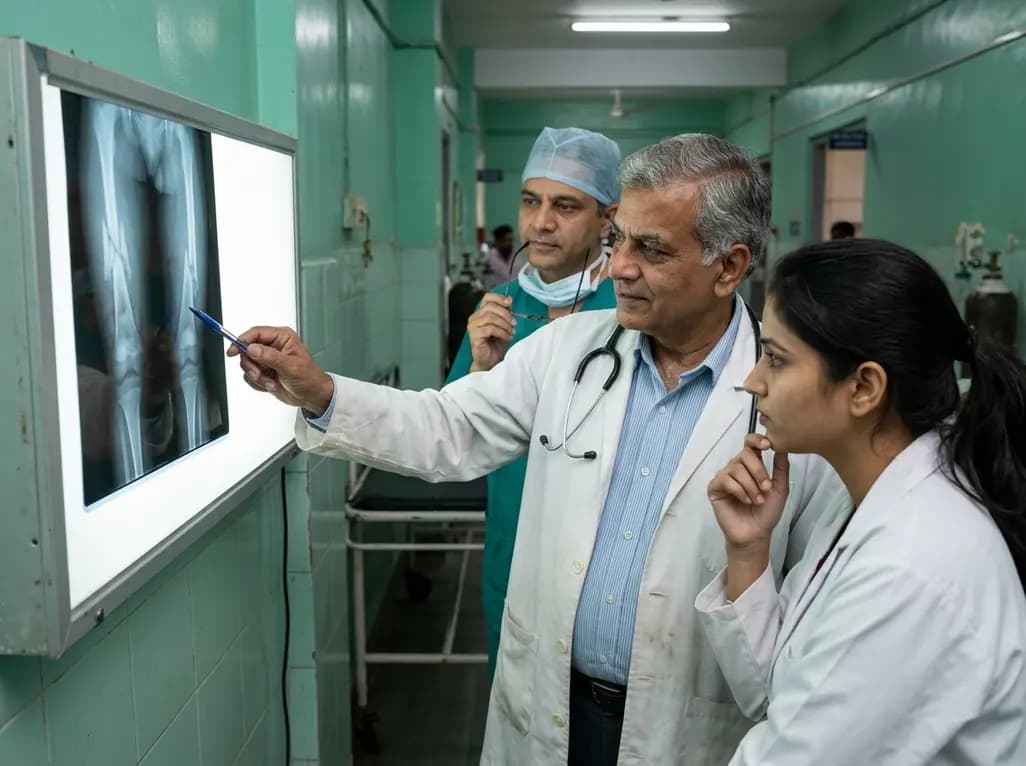
A rare case of a pediatric pathological femoral fracture caused by occult telangiectatic osteosarcoma demonstrates the risks of misdiagnosis after trauma, where intramedullary nailing prompted iatrogenic tumor dissemination and required modular total endoprosthetic reconstruction.
Today
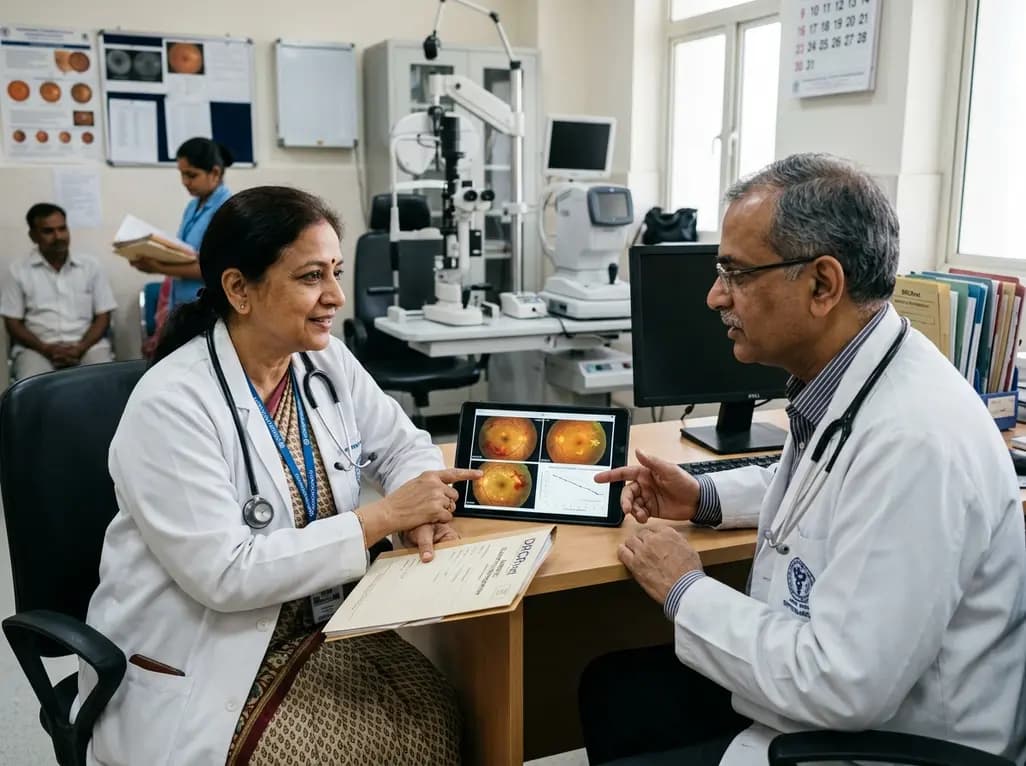
A comprehensive analysis of DRCRnet studies reveals that 15.1% of participants discontinue diabetic retinopathy clinical trials. Identifying baseline demographic and clinical predictors helps ophthalmologists and endocrinologists mitigate real-world treatment dropouts and protect long-term visual outcomes.
Today
