.webp&w=384&q=75)

Loading, please wait...
Loading, please wait...
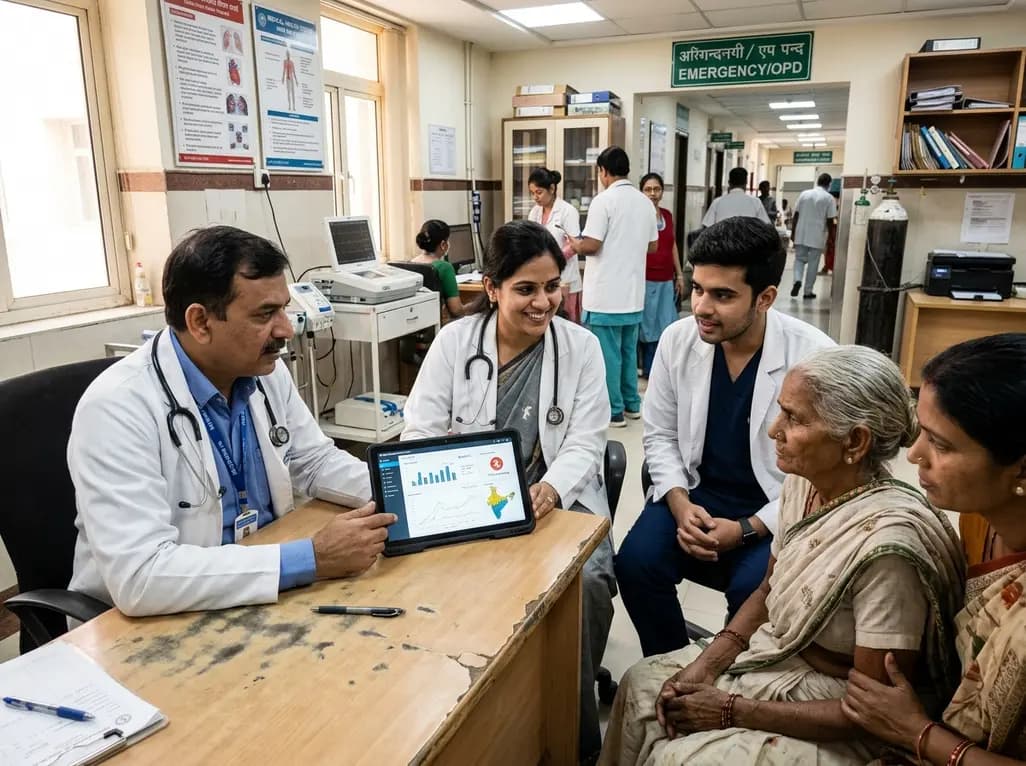
The New Delhi Declaration marks a significant milestone for global healthcare governance. Crucially, leaders emphasized that expanding BRICS health cooperation remains vital to eliminate disparities across developing nations. Consequently, member states pledged to advance universal health coverage through resilient clinical models. For Indian physicians, these agreements deliver tangible pathways to modernize primary care and accelerate disease control.
Tuberculosis remains one of the most critical infectious challenges across emerging economies. Notably, the member nations collectively shoulder nearly half of the global tuberculosis burden. Therefore, the leaders endorsed decisive collective interventions to interrupt transmission and curtail resistant strains. They reaffirmed the need for sustained public investment in diagnostic discovery and unified research consortia.
Additionally, this multilateral pact reinforces the operational mandate of the BRICS Tuberculosis Research Network. Indian clinicians frequently encounter diagnostic delays when managing complex pulmonary and extrapulmonary mycobacterial infections. Consequently, shared research initiatives will accelerate domestic validation of novel rapid molecular diagnostic tools. Furthermore, cross-border clinical trials facilitate clinical access to next-generation antimycobacterial drug regimens.
Participating research institutions plan to harmonize surveillance standards and pool genomic sequencing data. As a result, frontline practitioners can anticipate earlier identification of multidrug-resistant tuberculosis cases. Similarly, joint technology sharing will lower the manufacturing costs of newer second-line oral medications. Ultimately, these collaborative clinical investments will help India achieve its ambitious tuberculosis elimination milestones. Moreover, enhanced patient support systems will ensure better compliance throughout extended therapeutic courses. Clinicians can thus deliver individualized care regimens that prevent relapses and secondary transmission.
Recent epidemics demonstrate that infectious disease outbreaks and antimicrobial resistance effortlessly transcend international borders. To counter future biosecurity threats, member states welcomed the BRICS Integrated Early Warning System. Specifically, a dedicated sub-working group will guide the technical design and deployment of this network. This coordinated architecture connects epidemiological intelligence across prominent national public health institutes.
For Indian healthcare professionals, the surveillance system ensures early alerts regarding novel pathogen mutations. Clinicians can modify hospital triage protocols well before emerging infections reach domestic territory. Furthermore, the framework strengthens regional laboratory networks to facilitate prompt genomic pathogen identification. The summit leaders also reiterated support for the World Health Organization Pandemic Agreement negotiations.
Notably, they endorsed equitable Pathogen Access and Benefit-Sharing mechanisms to safeguard public health interests. In addition, the declaration protects the sovereign rights of countries over their indigenous biological assets. Consequently, medical facilities will secure uninterrupted pipelines for vaccines, diagnostic tests, and antiviral therapeutics. Thus, institutional preparedness improves drastically across both secondary and tertiary referral hospitals. Local clinical teams can therefore manage sudden caseload surges without exhausting intensive care reserves. Overall, these collaborative safeguards fortify health security across all participating member nations.
Resilient universal healthcare systems increasingly rely on interconnected digital infrastructure and modern regulatory governance. Accordingly, the leaders endorsed a comprehensive compendium detailing digital health architecture across the continuum of care. This platform highlights scalable solutions that extend specialist consultations into remote and rural clinics. Indian physicians already utilize digital public infrastructure through platforms such as eSanjeevani and the digital health mission.
Furthermore, standardized digital interfaces facilitate cross-border scientific exchanges, remote second opinions, and virtual training modules. Treating physicians can also integrate artificial intelligence algorithms to track longitudinal disease progression in chronic patients. Simultaneously, the summit advanced collaborative initiatives among national medical products regulatory authorities. Member delegates celebrated progress on the BRICS Good Practice White Paper for medical manufacturing standards.
Notably, this white paper harmonizes technical inspection benchmarks and drug evaluation standards across borders. For practicing doctors, consistent regulatory frameworks guarantee the high quality, purity, and bioequivalence of pharmaceutical products. Consequently, healthcare facilities can procure reliable, cost-effective biosimilars and essential generic medications with confidence. In addition, streamlined regulatory clearance reduces clinical supply disruptions during regional public health crises. Therefore, primary care centres can maintain continuous therapeutic supplies for vulnerable outpatient populations.
The New Delhi Declaration established mental well-being as a vital cornerstone for sustainable community development. Crucially, member leaders designated Bengaluru-based NIMHANS as the coordinating centre for the BRICS Training Hub Network. This pivotal appointment places Indian psychiatric expertise at the forefront of regional behavioral health strategy. The initiative also creates a robust network of Centres of Excellence across all participating member nations.
Furthermore, this collaborative network provides an essential platform for multidisciplinary research, policy alignment, and clinical exchanges. Indian mental health professionals can translate evidence-based screening protocols directly into community health facilities. As a result, primary care doctors will identify depressive disorders, anxiety, and cognitive impairments much earlier. Moreover, the summit leaders underscored the necessity of addressing psychological trauma triggered by emergencies.
Specifically, member programs will deliver timely psychosocial interventions for vulnerable groups, including children and adolescents. Standardized clinical training packages will empower frontline community workers to deliver compassionate, destigmatized behavioral care. Consequently, health systems will bridge the pervasive treatment gap that characterizes neuropsychiatric conditions in low-resource settings. In addition, longitudinal research cohorts will track the therapeutic impact of novel community-based mental interventions. Thus, psychiatric care becomes an accessible, integral component of everyday primary outpatient medical services.
Chronic non-communicable diseases and escalating obesity rates present staggering public health dilemmas across emerging economies. To counter these trends, the summit launched the BRICS Mission for Healthy Lifestyle through 2029. This targeted roadmap provides clinical guidelines on metabolic risk reduction, physical activity, and evidence-informed nutrition. Furthermore, the leaders recognized the therapeutic contributions of Traditional, Complementary, and Integrative Medicine toward universal coverage.
They supported establishing an Expert Working Group to coordinate empirical investigations into medicinal botanical formulations. For AYUSH and integrative practitioners in India, this institutional backing accelerates rigorous clinical trial validation. Consequently, doctors can combine validated herbal interventions with standard pharmacological protocols to optimize patient outcomes. In addition, standardized quality frameworks ensure the safety, purity, and reproducibility of traditional medicinal extracts.
The declaration also praised ongoing efforts within the BRICS Vaccine Centre and Nuclear Medicine Working Group. Notably, these collaborative scientific tracks expand access to advanced oncology radiopharmaceuticals and specialized palliative care. Indian oncologists and palliative teams can leverage these innovations to improve symptom control in terminal cancer. Therefore, patients receive integrated, equitable clinical care that spans advanced tertiary therapies to preventive lifestyle measures. Ultimately, this comprehensive strategy strengthens overall health systems against both infectious and chronic degenerative diseases.
Q1: How will the BRICS health declaration influence tuberculosis treatment protocols in India?
The declaration strengthens the BRICS Tuberculosis Research Network by fostering collaborative clinical trials, technology transfers, and shared genomic sequencing data. Consequently, Indian physicians will gain accelerated access to validated rapid molecular diagnostics, shorter multidrug-resistant therapeutic regimens, and next-generation antimycobacterial drugs. Furthermore, pooled scientific resources help domestic manufacturers scale up production of affordable generic medicines, significantly reducing treatment interruptions for vulnerable patients in both rural and urban clinics.
Q2: What clinical role will NIMHANS perform within the newly established BRICS mental health network?
NIMHANS serves as the coordinating nodal centre for the BRICS Training Hub Network and the Network of Centres of Excellence. In this pivotal role, the institute will standardize mental health curricula, facilitate joint clinical research, and disseminate evidence-based psychosocial interventions across member nations. Moreover, it will help Indian healthcare workers integrate mental health screenings into primary healthcare, ensuring timely psychological support for children, adolescents, and trauma-exposed populations nationwide.
Q3: How does the BRICS Integrated Early Warning System support hospital preparedness for epidemics?
The Integrated Early Warning System provides real-time epidemiological surveillance, laboratory coordination, and pathogen intelligence across member countries. As a result, hospital infection control committees and treating clinicians in India can anticipate emerging biological threats, including zoonotic pathogens and resistant microbes. Consequently, healthcare facilities can update infection prevention guidelines, adjust institutional antimicrobial stewardship protocols, and stockpile essential medical supplies before localized outbreaks escalate into severe national public health emergencies.
Disclaimer: This content is for informational and educational purposes only. It does not constitute medical advice or replace professional judgment. Refer to the latest local and national guidelines for clinical practice.
References

Read summarized clinical updates, watch expert medical content, and earn CME certifications right from your smartphone.
Open your smartphone camera to scan and install.





The 2026 BRICS New Delhi Declaration establishes decisive multilateral accords to accelerate tuberculosis eradication, institutionalize early warning pandemic networks, and harmonize digital healthcare systems. Indian clinicians and institutions stand at the forefront of these evidence-based public health reforms.
Today
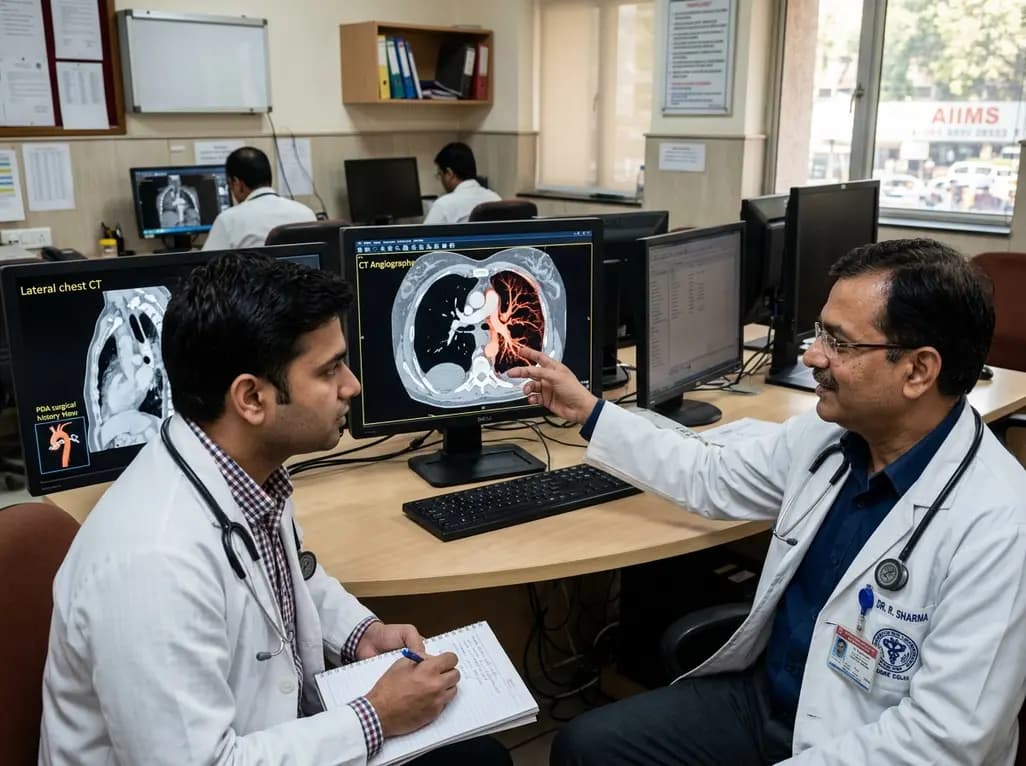
Congenital unilateral absence of the pulmonary artery can remain undetected until adulthood. This case report examines a young male presenting with hemoptysis after prior PDA surgery, highlighting the critical role of CT angiography in mapping systemic collaterals and guiding appropriate clinical intervention.
Today
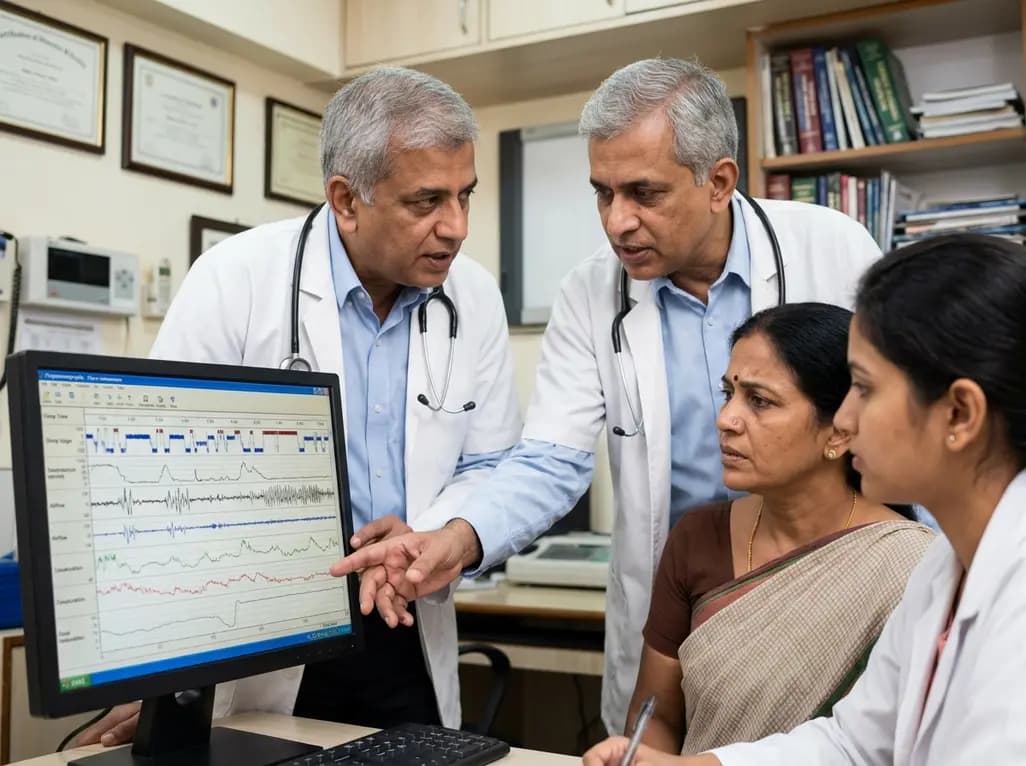
Perimenopausal obstructive sleep apnea often goes undetected due to atypical polysomnographic presentations and symptom overlap with menopause. This review details its neurocognitive mechanisms, polysomnography markers, and precision management strategies.
Today
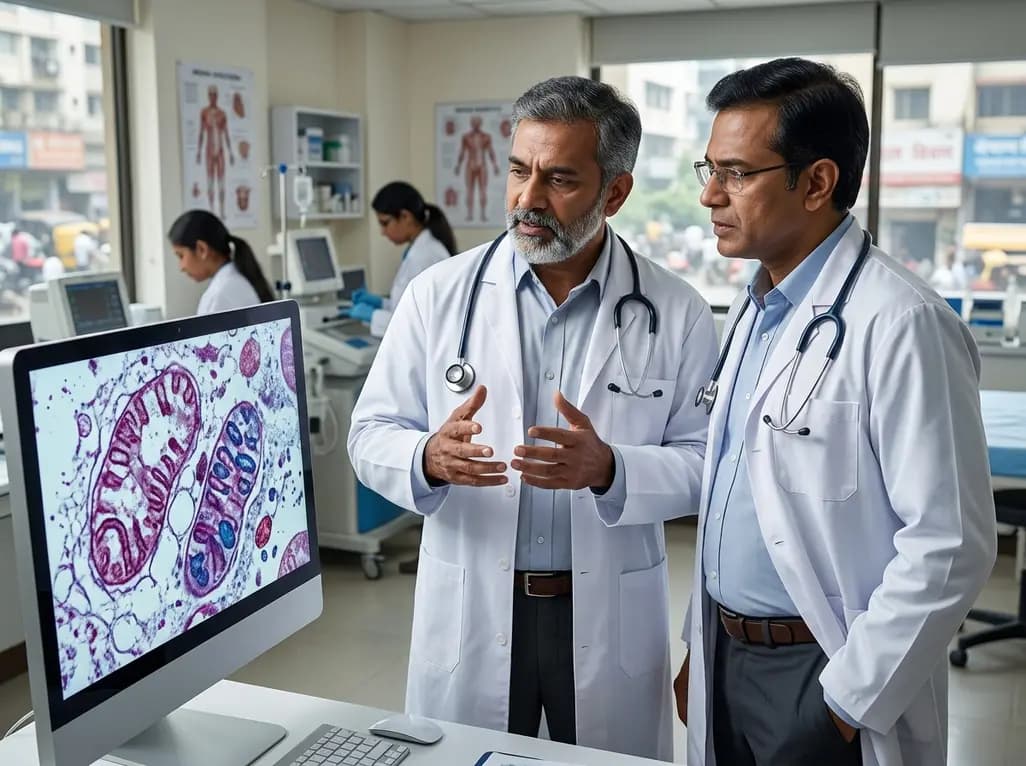
Mitochondrial deubiquitinases regulate organelle turnover by editing ubiquitin tags on damaged mitochondria. Discover how targeting these enzymes, notably USP30, offers therapeutic strategies for neurodegenerative, cardiovascular, and metabolic disorders.
Today
A rare case of a pediatric pathological femoral fracture caused by occult telangiectatic osteosarcoma demonstrates the risks of misdiagnosis after trauma, where intramedullary nailing prompted iatrogenic tumor dissemination and required modular total endoprosthetic reconstruction.
Today
A comprehensive analysis of DRCRnet studies reveals that 15.1% of participants discontinue diabetic retinopathy clinical trials. Identifying baseline demographic and clinical predictors helps ophthalmologists and endocrinologists mitigate real-world treatment dropouts and protect long-term visual outcomes.
Today
