.webp&w=384&q=75)

Loading, please wait...
Loading, please wait...
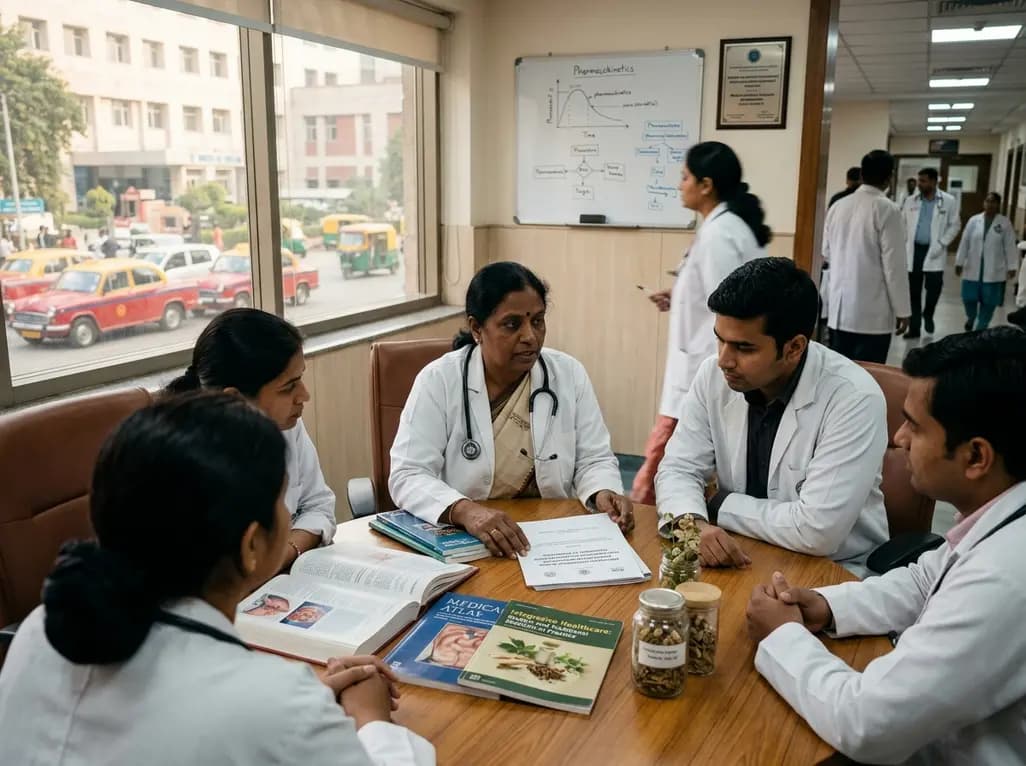
Healthcare systems worldwide face mounting pressures from chronic diseases and rising therapeutic expenditures. Consequently, international health policy is actively embracing integrative therapeutic approaches. The New Delhi Declaration adopted at the eighteenth BRICS Summit provides substantial momentum to this collaborative healthcare movement. Most notably, member nations officially recognized the vital role of traditional medicine toward achieving Universal Health Coverage. By integrating holistic healing with conventional health services, global policymakers seek to deliver equitable, patient-centered medical solutions for diverse populations.
For decades, conventional medicine and indigenous health systems operated in isolated silos. However, healthcare leaders now recognize that integrative approaches yield superior clinical outcomes for preventive and chronic care. The eighteenth BRICS Summit highlighted this essential transition through the New Delhi Declaration. Traditional, Complementary and Integrative Medicine has emerged as a cornerstone of primary healthcare delivery. Moreover, international agencies like the World Health Organization actively support this systemic evolution. Health authorities acknowledge that billions of individuals depend on traditional treatments for basic wellness. Therefore, bridging modern scientific methods with ancestral wisdom provides urgent clinical advantages. Plurilateral alliances like BRICS offer an ideal platform to drive this health transformation. Member countries collectively represent over forty percent of the global population. Consequently, coordinated policy measures can reshape international clinical standards and therapeutic guidelines. Furthermore, the declaration aligns traditional practices directly with the United Nations Sustainable Development Goals. Clinicians increasingly recognize that lifestyle management, stress reduction, and dietary interventions form critical pillars of chronic disease control. Traditional paradigms excel in these therapeutic domains. Accordingly, global health ministers are working to institutionalize these practices within formal public health infrastructures.
To convert diplomatic commitments into tangible healthcare progress, BRICS leaders welcomed a dedicated technical body. Specifically, the declaration approved the proposed establishment of a BRICS Expert Working Group on TCIM under the Health Track. This specialized entity creates a formal institutional mechanism for multilateral collaboration. Furthermore, the working group will convene leading researchers, regulatory authorities, and policymakers from member nations. Historically, fragmented communication between national health departments hindered joint scientific initiatives. Therefore, this structured forum aims to eliminate cross-border barriers in health data sharing. Delegations from member states will establish common working guidelines. Consequently, participating experts can design multicentric clinical investigations and streamline cross-national technical dialogues. Additionally, the working group will prioritize healthcare workforce development, capacity building, and clinical training. By establishing consistent professional benchmarks, member states ensure practitioner competence across diverse healthcare environments. Public health specialists anticipate that this forum will also foster dialogue with international regulatory bodies. As a result, participating countries can protect intellectual property rights while expanding global market access for validated remedies. Such institutional coordination elevates traditional practices into mainstream global health governance.
The New Delhi Declaration places immense emphasis on systematic botanical research. Coordinated investigation into medicinal plants and herbal preparations remains essential for modern therapeutic development. Traditional pharmacopoeias across BRICS nations contain thousands of documented botanical formulations. However, clinical researchers must establish uniform safety parameters, chemical consistency, and toxicity assessments for these products. Variations in agricultural harvesting, processing techniques, and storage conditions often cause batch inconsistency in herbal extracts. Consequently, health authorities are calling for harmonized pharmacopoeial monographs and strict analytical testing protocols. Collaborative laboratories will employ advanced analytical tools to quantify active phytochemical constituents. Therefore, clinicians can prescribe these treatments with higher confidence in their pharmacological reliability. Furthermore, the working group will address urgent pharmacovigilance challenges. Systemic monitoring of adverse events and herb-drug interactions ensures patient safety across diverse clinical settings. Member nations plan to share surveillance data and toxicological registries through centralized digital networks. As a result, regulatory authorities can quickly identify adulterated substances or harmful contamination risks. By enforcing rigorous quality assurance, the initiative guarantees that natural therapeutic options meet stringent international pharmaceutical benchmarks.
Modern healthcare systems demand robust empirical evidence before embracing novel or ancestral therapies. For this reason, the BRICS initiative prioritizes rigorous clinical trials and evidence-informed methodologies. Medical researchers must validate traditional interventions using standardized clinical outcome measures. Consequently, investigators are designing randomized controlled trials to evaluate herbal formulations against established standard-of-care protocols. Moreover, BRICS health leaders encourage researchers to register clinical trials in recognized international registries. Documenting trials in global repositories enhances methodological transparency. This process effectively dispels skepticism within the global scientific community. Furthermore, contemporary integrative medicine utilizes digital tools and artificial intelligence to evaluate complex traditional formulations. Systems biology and network pharmacology help scientists map multi-target botanical compounds to specific biological pathways. Accordingly, clinicians obtain deeper mechanistic insights into how botanical remedies modulate inflammatory cascades and immune responses. Modern hospital networks can subsequently incorporate validated integrative protocols into oncology support, pain management, and rheumatology care. Additionally, standardized methodologies facilitate reproducibility across diverse clinical environments. When clinicians base holistic therapies on robust clinical evidence, patients benefit from comprehensive, multidimensional care without compromising patient safety or treatment efficacy. In addition, ongoing research validates traditional remedies against contemporary medical benchmarks.
India serves as a central anchor in advancing this multilateral healthcare initiative. The Ministry of Ayush has systematically organized Ayurveda, Yoga, Unani, Siddha, and Homeopathy into a formal clinical network. Union Minister Prataprao Jadhav affirmed India's steadfast commitment to expanding traditional medicine through scientific validation and international outreach. Similarly, Ayush Secretary Vaidya Rajesh Kotecha emphasized that India provides extensive academic and clinical infrastructure to support BRICS partners. Notably, India already hosts the World Health Organization Global Traditional Medicine Centre in Jamnagar, Gujarat. This premier international facility spearheads global technical research, regulatory standards, and evidence generation. Therefore, India's Ayush framework serves as an operational benchmark for other BRICS countries developing their domestic traditional health sectors. The nation brings vast clinical data, standardized educational curricula, and established pharmacopoeial standards to the collaboration. Furthermore, Indian academic institutions actively participate in collaborative research with international counterparts. These cross-border partnerships examine the therapeutic potential of indigenous remedies in managing metabolic syndrome, osteoarthritis, and neurological conditions. Consequently, India's integrative health model demonstrates how ancient healing traditions can synergize with cutting-edge medical science. Through dedicated diplomacy and evidence-based practice, the Ayush ecosystem continues to elevate traditional therapeutic systems onto the global stage.
Q1: What is the primary objective of the proposed BRICS Expert Working Group on traditional medicine?
The primary objective is establishing a structured multilateral platform to facilitate dialogue, research collaboration, and knowledge exchange among BRICS member states. Furthermore, the working group aims to advance evidence-based traditional, complementary, and integrative medicine. By harmonizing regulatory standards, sharing clinical evidence, and coordinating botanical research, the expert group helps member countries integrate safe, validated traditional therapies into their broader universal health coverage strategies.
Q2: How does the New Delhi Declaration promote the safety and efficacy of herbal formulations?
The declaration specifically urges member states to deepen coordinated scientific research on medicinal plants and botanical preparations. Consequently, participating nations will collaborate on standardized pharmacopoeial monographs, rigorous toxicity assessments, and comprehensive pharmacovigilance surveillance. By promoting advanced chemical fingerprinting and multi-country clinical validation studies, the framework guarantees that traditional herbal remedies meet stringent safety, purity, and efficacy criteria across international markets.
Q3: What specific role does India play in supporting international traditional medicine initiatives?
India plays a pivotal leadership role through its well-established Ayush ecosystem and specialized regulatory frameworks. Furthermore, India hosts the World Health Organization Global Traditional Medicine Centre in Jamnagar, Gujarat. Through scientific clinical trials, educational standardization, and international health diplomacy, India shares robust pharmacopoeial guidelines and research methodologies with BRICS partners to validate traditional healthcare systems globally.
Disclaimer: This content is for informational and educational purposes only. It does not constitute medical advice or replace professional judgment. Refer to the latest local and national guidelines for clinical practice.
References

Read summarized clinical updates, watch expert medical content, and earn CME certifications right from your smartphone.
Open your smartphone camera to scan and install.





The 18th BRICS Summit adopted the New Delhi Declaration, welcoming an Expert Working Group on Traditional, Complementary and Integrative Medicine. This strategic move aims to strengthen international clinical research, standardize herbal pharmacopoeias, and advance universal healthcare access across member nations.
Today
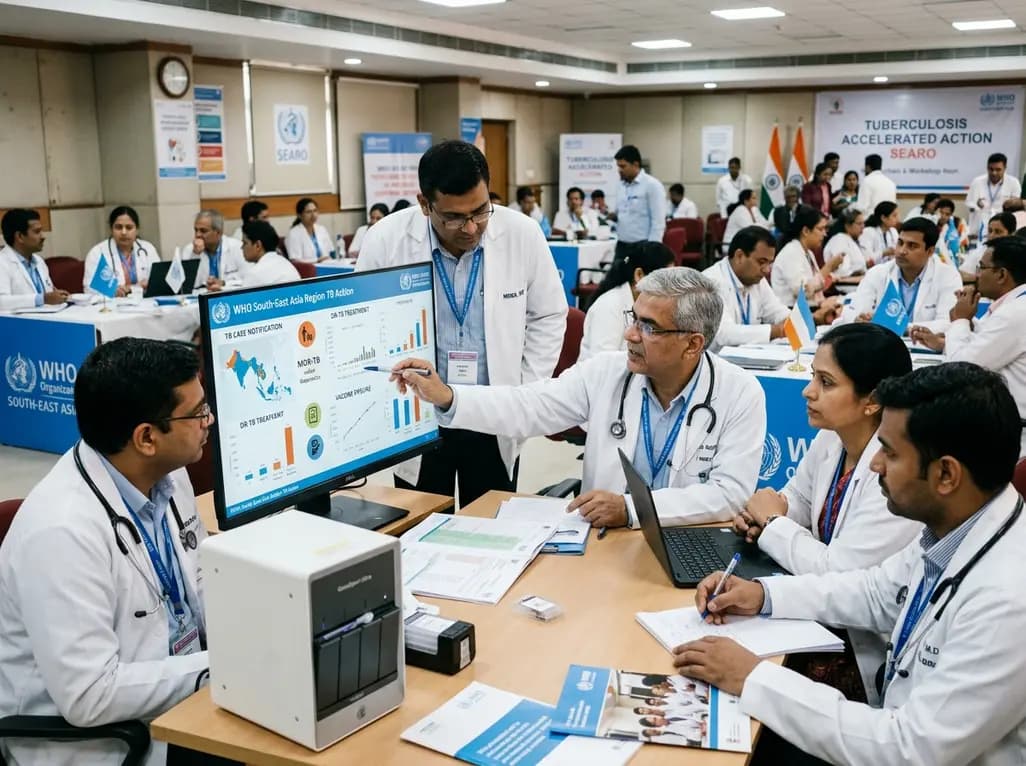
At the 79th Regional Committee session, WHO South-East Asia Member States pledged intensified action against tuberculosis. Key priorities include scaling up rapid molecular diagnostics, addressing drug-resistant strains, expanding preventive therapy, and preparing health systems for upcoming novel vaccines.
Today
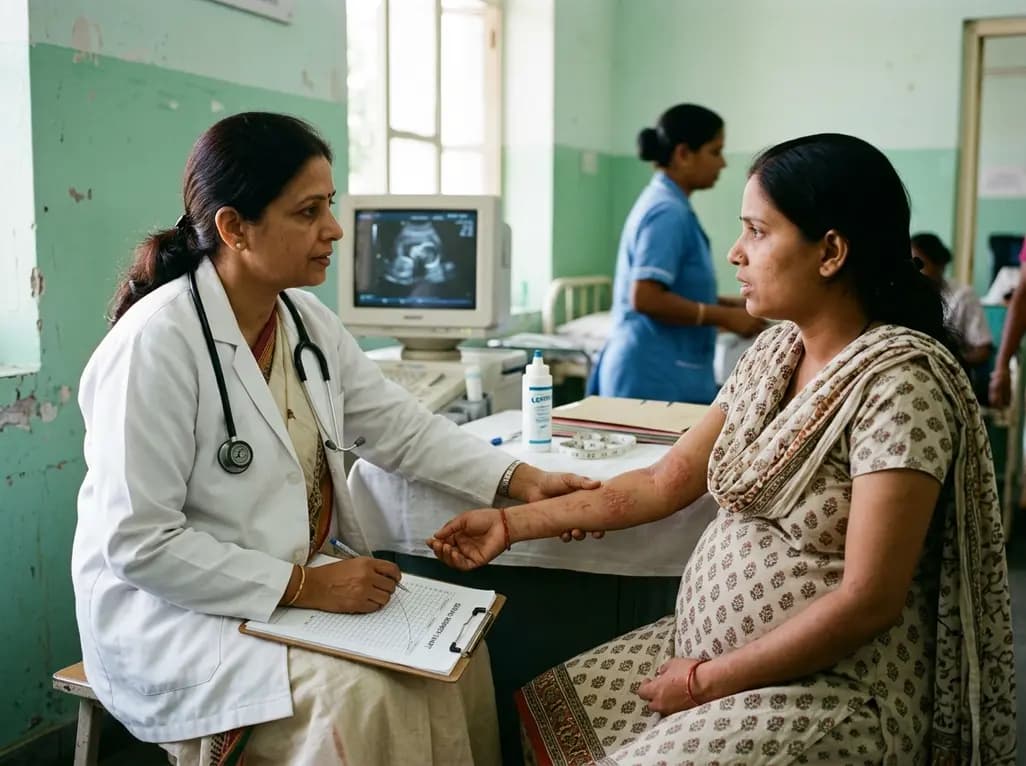
A comprehensive meta-analysis of over 278,000 women demonstrates that maternal atopic dermatitis significantly increases risks of premature rupture of membranes and low birth weight. Discover essential clinical insights on disease mechanisms, serial antenatal growth monitoring, and safe therapeutic interventions.
Today
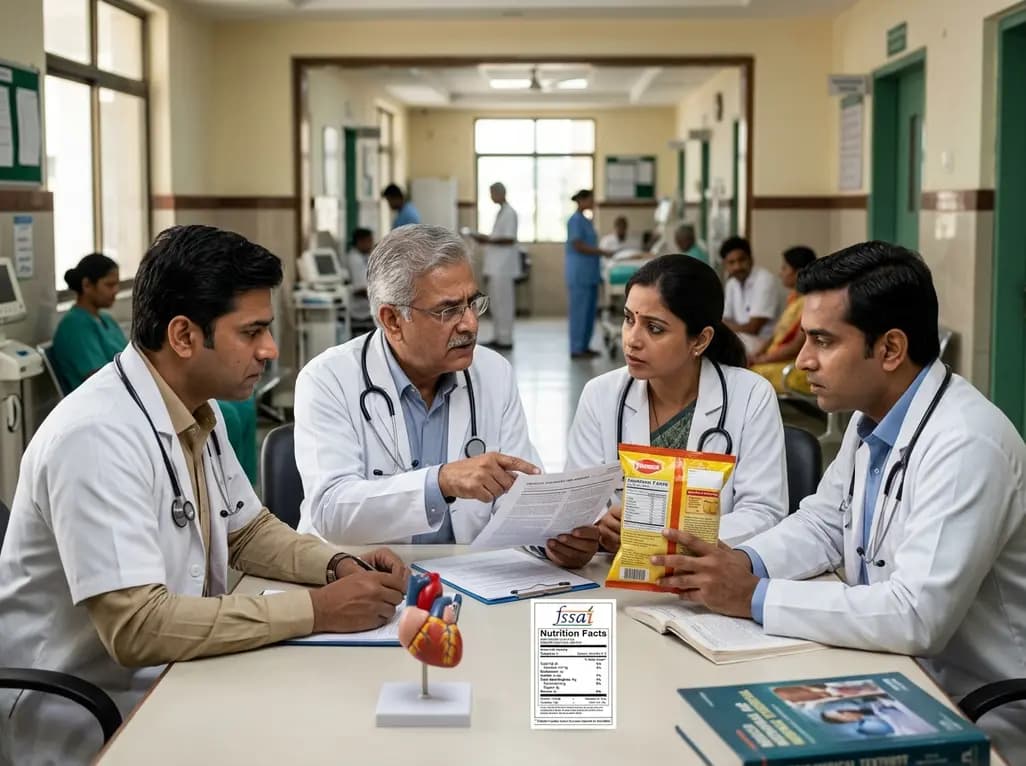
Over 60 international public health researchers have advised FSSAI to mandate front-of-pack warning labels for any packaged product high in even one critical nutrient: sugar, saturated fat, or sodium. This reform counters phased rollouts to accelerate consumer protection and address India's chronic disease burden.
Today
Apollo Global Management is in talks to acquire Johnson & Johnson's DePuy Synthes orthopedics unit in a potential $20 billion transaction. This comprehensive analysis reviews the MedTech restructuring, product lines in joint reconstruction, ongoing legal issues, and key implications for global orthopedic surgery.
Today
A cross-sectional study reveals that elevated METS-IR is independently associated with higher myopia odds in adolescents, showing biological synergy with obesity and highlighting the need for metabolic screening in pediatric eye care.
Yesterday
