

Loading, please wait...
Loading, please wait...
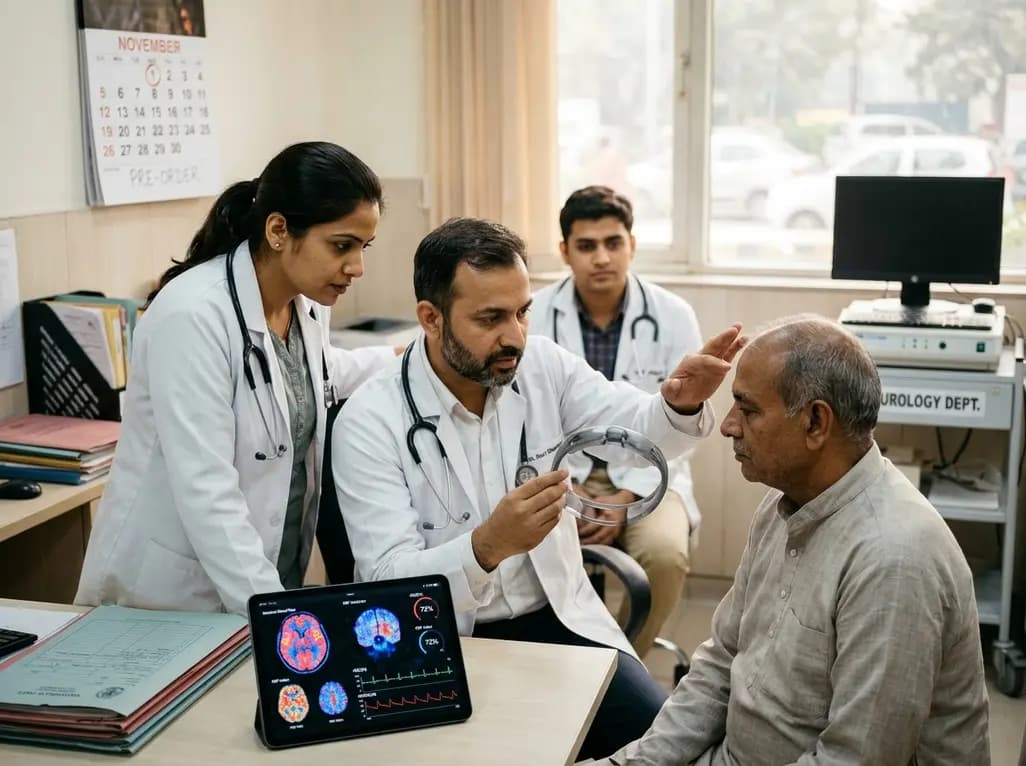
Technological advancement is rapidly transforming personal health tracking from simple peripheral metrics to direct neurovascular evaluation. Zomato co-founder Deepinder Goyal recently announced pre-orders for Temple, a pioneering brain oxygenation wearable set to debut in November. Unlike conventional wrist-worn smartwatches, this miniature head-mounted device adheres directly to the temporal region of the forehead. The hardware aims to capture continuous signals reflecting cerebral blood flow, vascular perfusion, and tissue oxygen delivery. Furthermore, the commercial launch edition introduces a custom compact chassis designed to deliver real-time physiological feedback during daily routines. Early access units previously reached select cohorts, including elite athletes, scientists, and medical doctors. Therefore, healthcare providers must understand how these tools operate as tech-forward patients begin presenting wearable neuro-data during clinical consultations. The manufacturer emphasizes that the device functions as a lifestyle optimization tool rather than a diagnostic medical apparatus. Nevertheless, the ability to record cerebral oxygenation indices continuously outside traditional hospital settings marks a notable shift in consumer health technology. Clinicians must familiarize themselves with the underlying bio-instrumentation to guide patient inquiries effectively. In addition, recognizing both the promise and limitations of consumer-grade neurovascular tracking ensures that doctors maintain evidence-based clinical judgment.
Understanding how temporal wearables capture brain data requires a review of cerebral perfusion physiology. The human brain consumes roughly twenty percent of total resting cardiac output to maintain metabolic homeostasis. When regional neural circuits activate, localized cerebral blood flow increases dynamically to supply oxygen and glucose. This fundamental physiological mechanism is known as neurovascular coupling. Non-invasive devices typically exploit near-infrared spectroscopy and photoplethysmography to detect these rapid vascular shifts. Specifically, optical emitters project calibrated light through the cutaneous and subcutaneous layers of the temporal scalp. Oxygenated hemoglobin and deoxygenated hemoglobin absorb light differently across specific optical spectra. As a result, photodetectors measure the light attenuation changes reflecting local hemoglobin concentration fluctuations. The temporal area serves as an attractive biological site because the overlying soft tissue and skull bone remain relatively thin. Consequently, sensor arrays can capture regional hemodynamic signatures with less scattering artifact than thicker cranial zones. However, clinicians must recognize that extracranial circulation in the scalp also influences optical absorption. Differentiating between superficial microvascular blood volume and deeper cortical oxygen saturation represents a major bio-engineering hurdle. Thus, optical readings from consumer wearables represent surrogate hemodynamic trends rather than direct intracerebral recordings.
Modern clinicians frequently face patient questions regarding complex proprietary health scores generated by smart hardware. For instance, the Temple platform utilizes custom algorithms to compute metrics like BrainFlow and systemic physiological entropy. While these parameters sound clinically sophisticated, physicians must separate lifestyle data from standardized medical diagnostics. In clinical neurology and critical care, cerebral perfusion assessment relies on validated instruments. Gold-standard modalities include transcranial Doppler ultrasonography, perfusion magnetic resonance imaging, and hospital-grade cerebral oximeters. These medical systems undergo rigorous calibration against arterial blood gas parameters and jugular venous saturation. In contrast, commercial wearables derive non-standardized scores that lack formal diagnostic validation for acute neurological emergencies. For example, a consumer tracker cannot detect or rule out acute ischemic stroke, transient ischemic attacks, or vasospasm. Similarly, commercial scores cannot quantify intracranial pressure variations or establish autoregulatory thresholds. Therefore, physicians must clearly explain that wellness trackers provide broad physiological trends rather than clinical diagnostic endpoints. Healthcare providers should remind patients that algorithmic strain indices cannot replace standard cardiovascular or neurological workups. In addition, reliance on consumer gadgets for critical health decisions can delay essential medical evaluations.
Despite clear diagnostic boundaries, continuous hemodynamic monitoring holds intriguing promise for non-clinical health optimization. Sports medicine specialists and exercise physiologists closely track cerebral oxygen delivery to understand central fatigue mechanisms during extreme exertion. Furthermore, sustained physical training alters autonomic regulation, vascular tone, and systemic perfusion dynamics. A lightweight temporal wearable allows researchers to observe hemodynamic fluctuations during actual athletic movement without bulky laboratory equipment. In addition, cognitive psychologists investigate how mental workload and chronic stress alter prefrontal oxygen utilization. When individuals experience cognitive exhaustion, cerebral oxygenation patterns often show measurable declines or compensatory surges. Therefore, continuous tracking might help individuals modulate intensive work intervals, improve ergonomic recovery, and optimize sleep hygiene. Moreover, wellness-focused users can correlate lifestyle changes, such as meditation or breathing exercises, with real-time physiological recovery trends. Researchers in preventive medicine are also exploring whether longitudinal microvascular variability can provide early clues regarding cardiovascular conditioning. However, robust independent clinical trials must confirm whether tracking these metrics actually leads to measurable long-term health improvements. Until such prospective evidence emerges, clinicians should view these consumer applications as exploratory biofeedback tools.
The introduction of high-end neuro-wearables into the Indian healthcare landscape highlights significant regulatory and practical considerations. In India, the Central Drugs Standard Control Organisation governs medical devices under specific risk-based classifications. Devices marketed strictly for fitness, wellness, and general lifestyle monitoring do not require stringent medical device licensing. Consequently, manufacturers position products like Temple as wellness trackers rather than certified diagnostic medical instruments. Indian physicians must proactively communicate this legal and functional distinction to patients who purchase expensive personal health gadgets. Furthermore, dermatological safety requires careful attention, as head-worn devices require adhesive tapes for continuous skin contact. Patients with sensitive skin or contact dermatitis may develop local erythema, follicular irritation, or allergic contact responses. Clinicians should advise users to replace single-use adhesive grips regularly and monitor temporal skin integrity. In addition, doctors must address health anxiety and cyberchondria sparked by confusing algorithm scores. When patients observe unexpected drops in proprietary perfusion indices, they often panic unnecessarily. Therefore, primary care practitioners and neurologists must reassure patients while anchoring consultations in standardized clinical assessments, thorough physical examinations, and validated laboratory investigations.
Q1: Can a commercial brain oxygenation wearable diagnose neurological conditions like stroke or migraine?
No, consumer head-worn devices cannot diagnose neurological disorders such as stroke, transient ischemic attacks, or migraines. These devices track surrogate optical changes in superficial tissue and cranial blood vessels for general wellness. Clinical diagnosis requires validated medical imaging, such as magnetic resonance imaging or computed tomography, alongside formal neurological evaluation. Patients experiencing sudden neurological deficits must seek emergency medical care immediately.
Q2: How does a temporal wearable differ from a hospital-grade cerebral oximeter?
Hospital-grade cerebral oximeters utilize multi-distance near-infrared spectroscopy sensors calibrated precisely to isolate deeper intracranial cortical tissue from superficial scalp blood flow. In contrast, consumer temporal wearables use compact single-site optical sensors optimized for portability and general lifestyle trends. Clinical oximeters undergo rigorous medical device clearance, adhere to medical-grade accuracy standards, and guide surgical or intensive care decisions under expert supervision.
Q3: What precautions should individuals observe regarding adhesive tapes and skin contact?
Users must inspect the temporal skin regularly to prevent contact dermatitis, local erythema, and epidermal irritation. Manufacturers supply medical-grade adhesive grips, but prolonged sweat accumulation beneath the sensor can harbor bacteria and weaken skin integrity. Individuals should replace single-use adhesives every few days as recommended. If localized redness, itching, or skin breakdown occurs, users should discontinue device application and consult a physician.
Disclaimer: This content is for informational and educational purposes only. It does not constitute medical advice or replace professional judgment. Refer to the latest local and national guidelines for clinical practice.
References

Read summarized clinical updates, watch expert medical content, and earn CME certifications right from your smartphone.
Open your smartphone camera to scan and install.





Deepinder Goyal's Temple wearable initiates pre-orders on November 1, bringing continuous cerebral blood flow and oxygenation tracking to consumers. This clinical review evaluates head-worn optical hemodynamics, neurovascular coupling, potential medical relevance, and critical distinctions from diagnostic devices.
Today
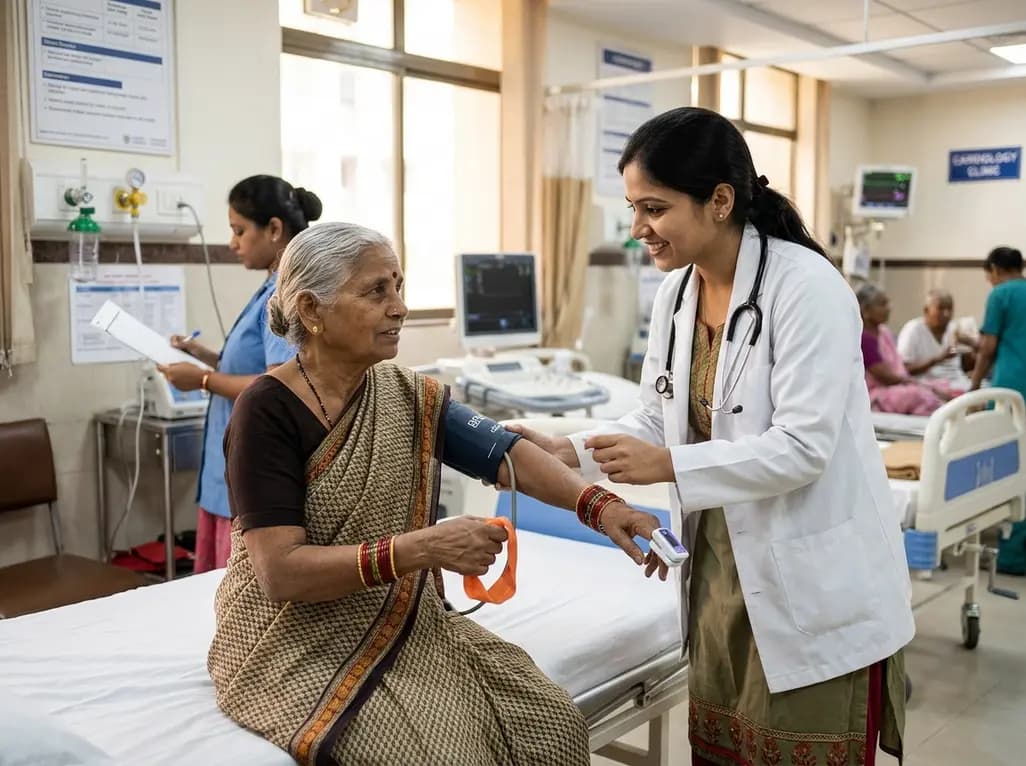
Review how tailored exercise programs benefit frail older patients with heart failure. Explore pathophysiological mechanisms, individualized training prescriptions, and strategies to overcome adherence barriers in clinical practice.
Today

Leucine Rich Bio has introduced South Asia's first comprehensive vaginal microbiome test, BugSpeaks. By profiling microbial dysbiosis, pathogens, and antimicrobial resistance, this next-generation diagnostic platform provides clinicians with deeper insights into recurrent infections, fertility, and reproductive health.
Today
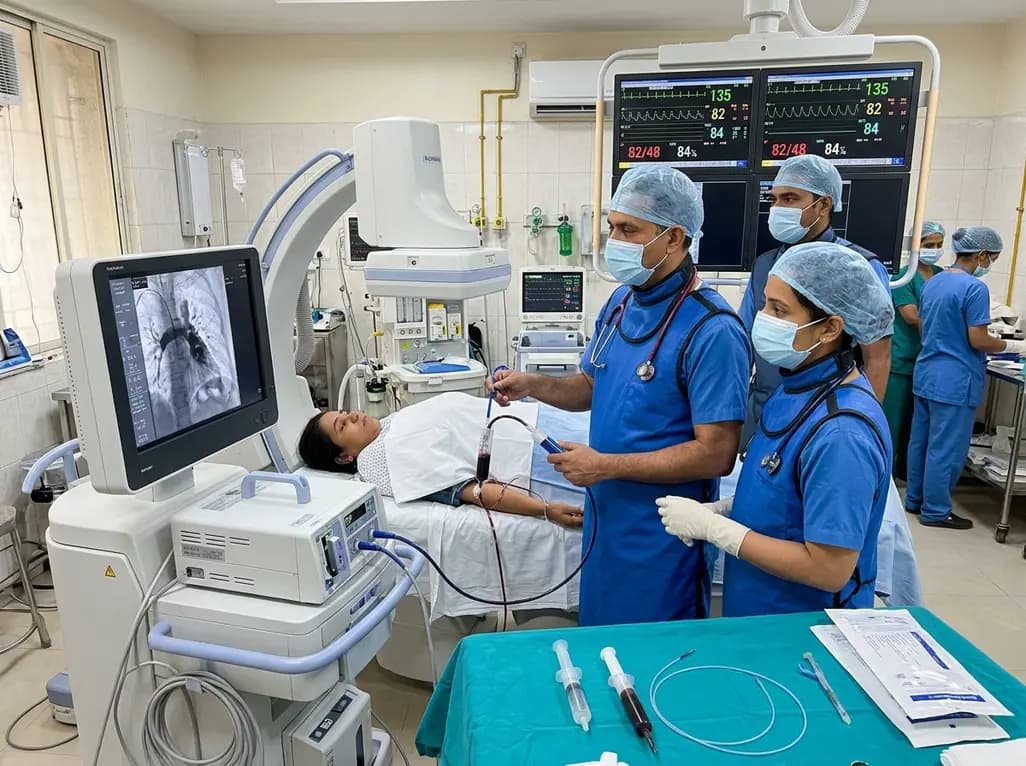
In high-risk pulmonary embolism complicated by severe anemia and active uterine bleeding, systemic thrombolysis is contraindicated. Large-bore aspiration thrombectomy provides rapid hemodynamic rescue without fibrinolysis, supported by inferior vena cava filter placement and multidisciplinary critical care.
Today
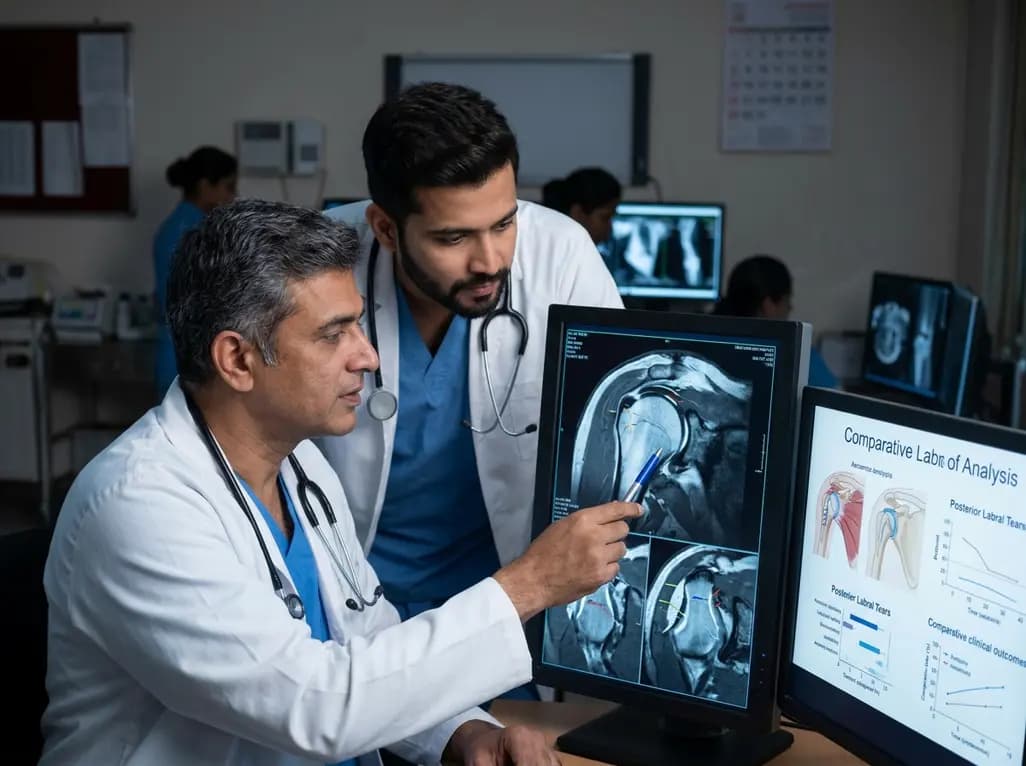
This comparative study evaluates posterior labral tears with and without glenohumeral instability, highlighting distinct demographic patterns, MRI underestimation in stable shoulders, and successful arthroscopic repair outcomes.
Today

A clinical study demonstrates that early intervention with tocilizumab, either as monotherapy or bridged with corticosteroids, achieves significant proptosis reduction and resolves active inflammation in treatment-naive thyroid eye disease.
Today
