.webp&w=384&q=75)

Loading, please wait...
Loading, please wait...
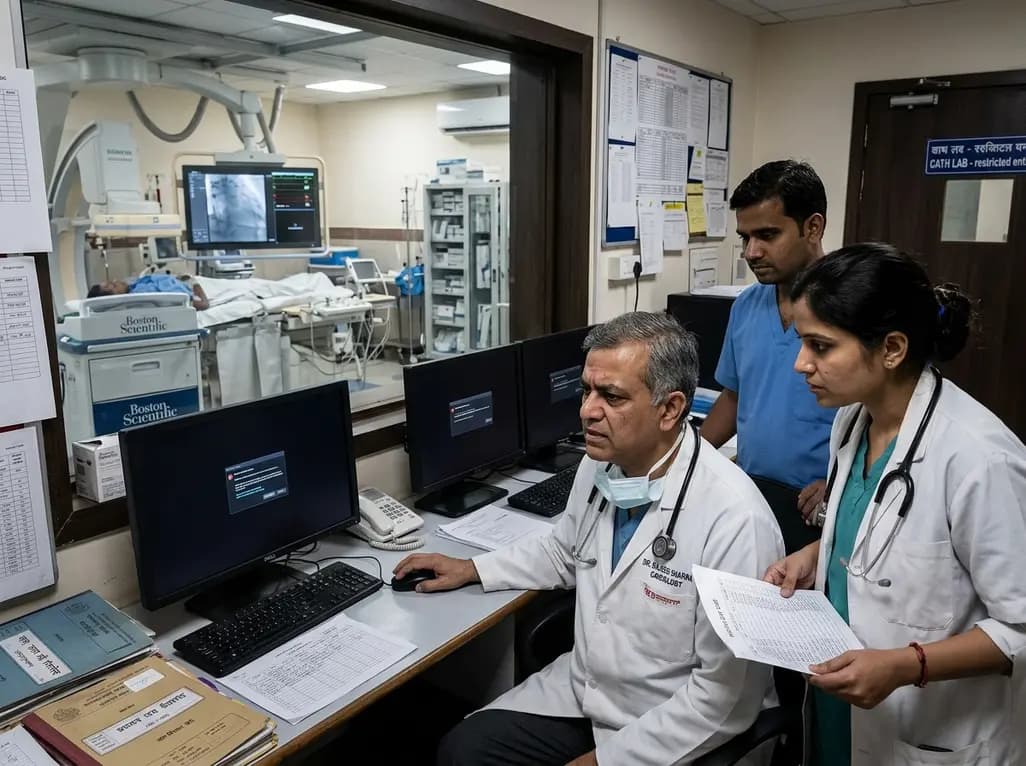
In late August 2026, medical technology manufacturer Boston Scientific disclosed a severe unauthorized intrusion into its internal information technology systems. Consequently, the company announced that it no longer expects to achieve its previously projected third-quarter and full-year financial milestones. The Boston Scientific cyberattack caused extensive network outages across global operational units, directly interrupting manufacturing lines and product distribution channels. Healthcare institutions worldwide depend continuously on specialized cardiovascular, neuromodulation, and endosurgical equipment. Therefore, operational disruptions at a premier manufacturer immediately raise serious clinical concerns for interventional cardiologists and hospital administrators. Clinicians must understand how these external digital events influence hospital inventory levels, cath lab workflows, and patient management protocols.
Security teams first detected the unauthorized system activity on August 25, 2026. In response, internal administrators isolated portions of the corporate network to contain the intrusion. This aggressive defensive isolation successfully protected core cloud platforms and customer-facing medical databases from unauthorized tampering. However, the sudden shutdown temporarily paralyzed essential enterprise resource planning software, automated shipping portals, and global order-processing queues. As a result, central warehouses could not validate, package, or dispatch critical consumables and specialized implants to healthcare centers. Financial analysts observed that the operational halt clouded business visibility, prompting industry stakeholders to reassess annual delivery timelines.
Fortunately, comprehensive post-incident analyses confirmed that the intrusion did not alter the physical integrity or sterility of manufactured stock. Boston Scientific promptly engaged premier third-party cybersecurity specialists to eradicate malicious code, inspect operating systems, and restore enterprise connectivity. Furthermore, technical teams reactivated vital sterilization facilities and gradually returned major international shipping hubs to normal processing thresholds. Nonetheless, clearing extensive accumulated backlogs requires sustained logistical coordination across multiple international supply chains. Consequently, healthcare providers must monitor incoming device shipments closely until normal distribution velocity resumes fully. Meanwhile, clinical supply coordinators should maintain constant contact with regional vendor liaisons to anticipate delivery dates.
Interventional cardiology and electrophysiology departments depend heavily on specialized single-use hardware for complex cardiac interventions. Specifically, electrophysiologists rely on specialized mapping catheters, transseptal access tools, and left atrial appendage closure technologies such as Watchman implants. When central distribution networks halt fulfillment, hospital inventories of niche sizes and diagnostic accessories rapidly deplete. Consequently, cardiac catheterization suites face challenging scheduling dilemmas for elective structural heart procedures. In several instances, clinical teams must postpone non-emergent ablations or appendage closures when specific device dimensions remain unavailable.
Furthermore, procedural delays can increase clinical anxiety and disrupt timely patient optimization. In urgent clinical scenarios, cardiac teams cannot afford to delay therapy while waiting for delayed shipments. Therefore, cath lab directors must maintain immediate access to validated alternative devices from competing manufacturers. This operational necessity requires hospital procurement panels to establish multi-vendor formularies rather than exclusive sole-source purchasing contracts. Additionally, interventionalists must maintain ongoing familiarity with varied delivery sheaths, deployment mechanics, and accessory equipment across differing commercial platforms. Ultimately, cultivating procedural versatility ensures that acute patient care remains uninterrupted during upstream supply shocks. Moreover, clinical supervisors should monitor local catheter stocks weekly to prevent sudden stockouts during high-volume weeks.
Beyond distribution delays, the cybersecurity incident temporarily disrupted new activations on Boston Scientific's remote cardiac monitoring platform. Fortunately, existing pacemakers, implantable cardioverter-defibrillators, and previously registered bedside transmitters continued normal daily functioning. However, newly implanted cardiac devices could not establish initial wireless pairings with the centralized monitoring servers during the outage. Consequently, clinic personnel could not activate real-time remote telemetry for newly discharged cardiac patients. This operational interruption created notable clinical blind spots regarding early postoperative rhythm surveillance and lead impedance tracking.
To mitigate these surveillance gaps, cardiology practices instituted practical interim workflow adjustments. Specifically, clinicians scheduled prompt in-person interrogations within the outpatient clinic to evaluate pacing parameters, battery status, and arrhythmic episodes manually. Moreover, electrophysiology nursing staff maintained direct telephonic communication with patients, instructing them on symptom recognition and red-flag reporting. Hospital teams also documented all pending pairing activations to clear connection queues systematically once server connectivity restored. Through these structured countermeasures, cardiology centers maintained patient safety and preserved clinical continuity despite the digital service disruption. Furthermore, specialized device nurses maintained meticulous paper logs to ensure no newly implanted patient slipped through administrative tracking. Clinicians then transitioned these records into digital platforms as network functions returned.
Modern hospital networks operate predominantly on lean, just-in-time inventory paradigms to minimize carrying overhead and shelf-space allocation. While this practice optimizes hospital operating capital, it renders catheterization laboratories highly vulnerable to upstream manufacturing outages. When an international supplier halts warehouse operations for even a brief period, local departmental buffer stock vanishes swiftly. Consequently, hospital materials managers must scramble to track diminishing inventory across multiple clinical storage suites. In addition, administrative staff often spend excessive hours manually verifying backorders with regional distributor representatives.
Therefore, healthcare systems must reconsider extreme lean supply practices for life-supporting and urgent clinical hardware. Healthcare delivery networks should maintain strategic safety stock of critical cardiac catheters, balloon angioplasty consumables, and vascular closure devices. Furthermore, hospital purchasing departments ought to implement real-time inventory management software equipped with automated stock alerts. These digital monitoring tools enable materials coordinators to recognize impending supply shortages before scheduled procedure lists encounter cancellations. Ultimately, establishing robust clinical supply buffers protects vulnerable patients from unpredictable external industrial shocks. Meanwhile, clinical leaders must establish clear internal communication channels connecting catheterization lab managers directly with hospital supply executives. This coordination prevents unexpected procedural delays when inventory lines run thin.
The incident at Boston Scientific reflects a troubling surge in malicious digital assaults targeting the medical technology ecosystem. Recently, bad actors launched sophisticated network breaches against other prominent healthcare leaders, including Abbott Laboratories, Stryker, Medtronic, and Novo Nordisk. Malicious syndicates frequently target healthcare suppliers because these companies manage sensitive clinical data and maintain time-sensitive manufacturing infrastructure. Furthermore, cybercriminals recognize that operational downtime in life-sciences companies creates immense commercial pressure, making extortion schemes particularly disruptive. Consequently, medical device manufacturing networks have become high-priority targets for financially motivated threat actors.
Moreover, modern medical devices increasingly rely on integrated cloud software, wireless connectivity, and automated supply logistics. Although this digital integration improves patient telemetry and operational efficiency, it simultaneously expands the potential attack surface. Regulatory authorities, including the United States Food and Drug Administration, now mandate rigorous pre-market and post-market cybersecurity protections. Healthcare delivery organizations must also treat cybersecurity as a core component of medical device procurement and patient safety. Ultimately, securing medical technology requires continuous collaboration between hardware manufacturers, cloud software providers, and clinical end-users. In addition, regular industry audits help identify systemic digital software vulnerabilities before malicious cyber actors can exploit them.
To insulate clinical operations from upstream cyber catastrophes, healthcare facilities must institute resilient institutional risk management protocols. First, hospital leadership should conduct routine cybersecurity vulnerability assessments across biomedical engineering and procurement networks. Department managers must verify that all hospital biomedical equipment operates behind segmented virtual local area networks. Consequently, an intrusion into administrative hospital networks cannot spread laterally into bedside medical instruments or telemetry servers. Furthermore, healthcare organizations should draft rigorous third-party risk assessment frameworks for all commercial device vendors.
Second, clinical departments must develop practical business continuity plans that account for sudden supply interruptions. Cath lab committees should create detailed substitution algorithms specifying approved alternate devices for emergency interventions. In addition, hospitals must conduct regular crisis simulation drills with clinical staff, procurement managers, and biomedical engineers. These educational exercises prepare clinical teams to transition smoothly toward manual documentation and alternative equipment without compromising patient safety. Ultimately, building structural resilience ensures that healthcare facilities deliver uninterrupted, high-quality medical care despite evolving digital threats. Moreover, biomedical teams must regularly update device firmware and isolate unpatched legacy systems from external web access. This proactive defense preserves patient safety and minimizes exposure to evolving cyber attacks.
Q1: How did the Boston Scientific cyberattack affect remote cardiac monitoring for patients?
The cybersecurity incident temporarily halted new device registrations on the remote-monitoring platform. Consequently, clinicians could not pair newly implanted devices with remote telemetry servers immediately after surgery. However, existing remote devices functioned normally without interruption. To manage newly implanted devices, clinical teams performed in-person interrogations within outpatient clinics to monitor pacing parameters until platform connectivity returned. Additionally, cardiology nurses established dedicated follow-up phone calls to track patient recovery and reinforce emergency symptom reporting.
Q2: Were the physical quality or sterility of manufactured medical devices compromised?
Comprehensive internal product assessments confirmed that the incident caused no impairment to physical device integrity or software code. Furthermore, rigorous quality audits verified complete product sterility across all manufacturing lines. The disruption affected internal business networks, order processing, and distribution software rather than physical implants. Therefore, healthcare providers can safely utilize available Boston Scientific implants and consumables without concerns regarding manufacturing defects or structural contamination.
Q3: What practical steps should hospital catheterization laboratories take during medical supply disruptions?
Catheterization suites should immediately audit existing shelf inventory to identify depleted consumable sizes and specialized cardiac implants. Furthermore, procurement leaders should establish diversified multi-vendor agreements to source validated alternative equipment quickly. Clinicians should also formulate clear procedural prioritization guidelines to safeguard urgent interventions. Consequently, emergency cases retain guaranteed access to necessary devices while staff reschedule non-urgent elective procedures until replacement hardware arrives.
Disclaimer: This content is for informational and educational purposes only. It does not constitute medical advice or replace professional judgment. Refer to the latest local and national guidelines for clinical practice.
References

Read summarized clinical updates, watch expert medical content, and earn CME certifications right from your smartphone.
Open your smartphone camera to scan and install.





A major cybersecurity breach disrupted global operations at Boston Scientific, delaying device distribution and remote cardiac monitoring activations. This analysis examines the immediate consequences for clinical catheterization suites, electrophysiology teams, hospital inventory systems, and patient care safety.
Today

As India's geriatric demographic prepares to double to 346 million by 2050, national health initiatives are expanding. From universal PM-JAY insurance for individuals aged 70 and above to institutional care homes and dedicated digital caregiver dashboards, proactive public healthcare models are reshaping eldercare.
Today
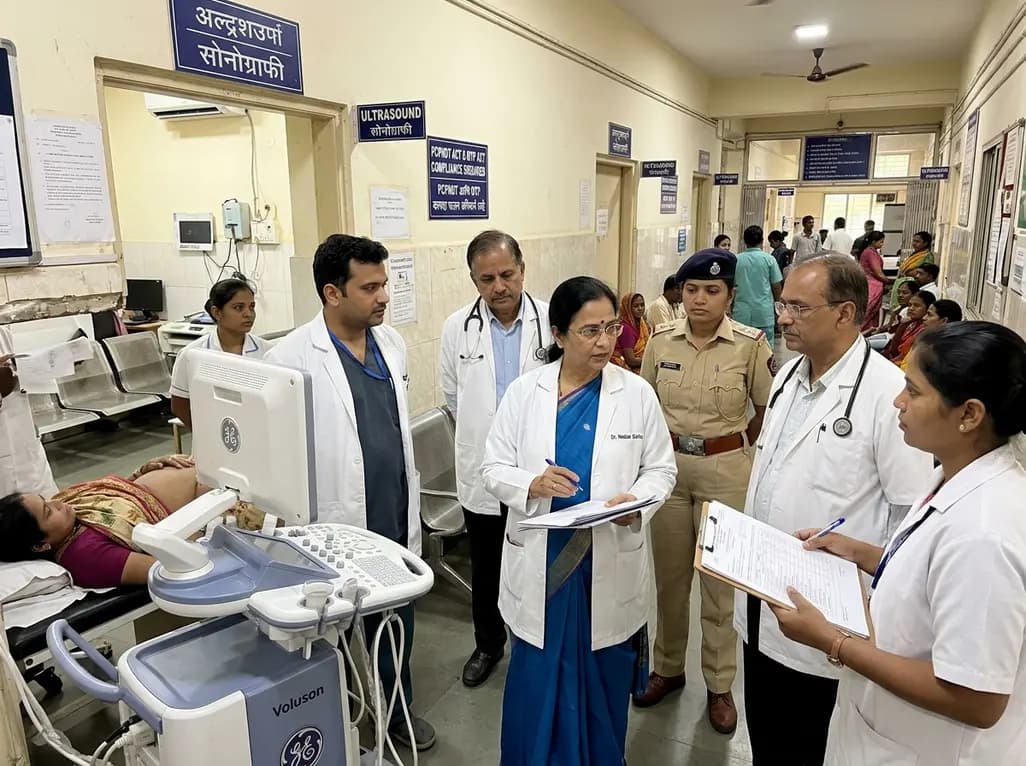
The Maharashtra public health department has established a specialized task force headed by Dr. Neelam Gorhe to eliminate illegal sex determination and unauthorized abortions. The team will execute surprise inspections of ultrasound facilities, audit medical documentation, and enforce strict statutory standards.
Today

Discover how targeted educational interventions enhance health-related quality of life in heart failure patients by fostering self-care behaviors and confidence, as demonstrated through causal mediation analysis.
Today

A propensity-matched study reveals that patients with severe generalized ligamentous laxity experience a slower recovery trajectory after hip arthroscopy for femoroacetabular impingement. While final two-year outcomes remain favorable, tailored rehabilitation and capsular management are critical.
Today
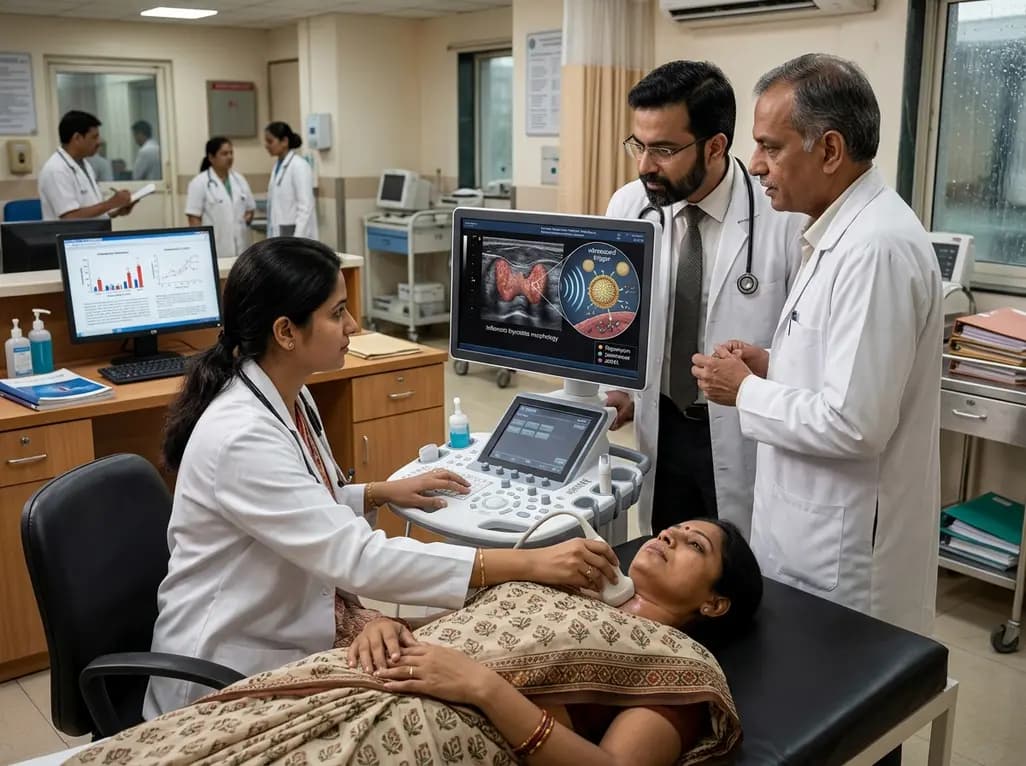
Researchers have developed an innovative ultrasound-responsive nano-contrast agent that co-delivers CIITA-siRNA and rapamycin directly to inflamed thyroid tissue, significantly reducing autoimmune injury and thyroid autoantibodies in preclinical models of Hashimoto thyroiditis.
Today
