.webp&w=384&q=75)

Loading, please wait...
Loading, please wait...
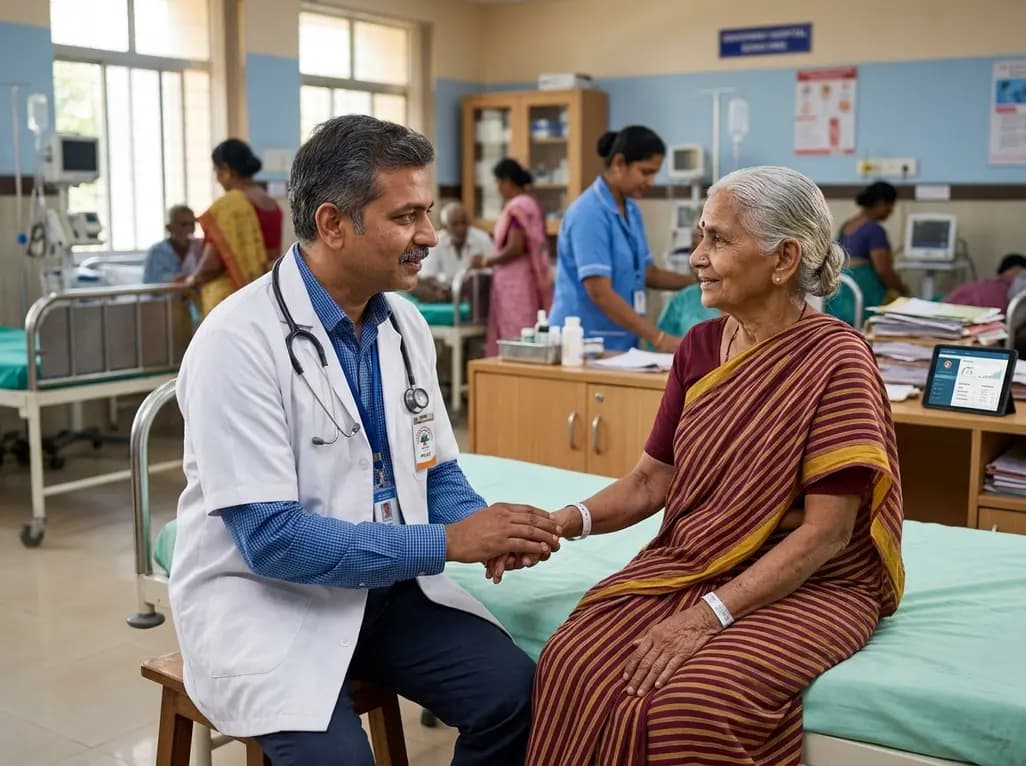
India faces an unprecedented demographic shift as its geriatric population expands at an extraordinary pace. Today, senior citizens represent roughly 16 to 17 crore citizens across the country. Consequently, health authorities project that this demographic segment will double over the next two decades. Meeting the complex medical requirements of older adults requires immediate structural intervention. Therefore, the government is prioritizing the enhancement of senior citizen healthcare services to deliver equitable, accessible, and continuous care. Improvements in baseline medical technology and rising living standards continue to increase life expectancy nationwide. However, this longevity brings a substantial rise in non-communicable diseases, cognitive impairments, and progressive physical dependency among elderly citizens.
India is transitioning rapidly from a youthful country into an aging nation. Currently, individuals aged 60 and above exceed 166 million people across diverse socio-economic strata. Demographic projections indicate this population will reach nearly 346 million individuals by the year 2050. As a result, healthcare systems must transform their existing delivery mechanisms to accommodate chronic disease burdens. Multi-morbidity, degenerative joint diseases, cardiovascular ailments, and metabolic conditions affect a vast proportion of elderly patients. Furthermore, functional disability and social isolation compound these physical vulnerabilities. Modern family structures are shifting towards nuclear households, which significantly diminishes traditional domestic support networks. Consequently, community-based geriatric infrastructure must step in to bridge these domestic caregiving deficits. Expanding specialized senior citizen healthcare services ensures that aging individuals retain dignity, autonomy, and therapeutic support throughout their later years. Healthcare planners emphasize that primary health centers, district hospitals, and private networks must coordinate seamlessly. Ultimately, this structural expansion protects vulnerable older citizens from debilitating medical complications.
Financial toxicity represents a severe barrier to timely healthcare access among older individuals. Because many elderly citizens lack pension security, routine hospital visits often precipitate financial crises. To counter this burden, the central government expanded the flagship Ayushman Bharat PM-JAY program. Specifically, the scheme now covers all senior citizens aged 70 years and above, irrespective of household income. Eligible beneficiaries obtain cashless inpatient hospital coverage up to five lakh rupees annually. In addition, this entitlement operates on a distinct, individual basis for qualifying elderly household members. Older adults whose families already receive benefits gain an exclusive top-up sum insured for medical needs. Thus, seniors do not need to compete with younger relatives for essential surgical or medical treatments. The program covers pre-existing chronic illnesses from the initial enrollment day without waiting periods. Empanelled tertiary and secondary facilities provide comprehensive treatments ranging from coronary stenting to oncological therapy. Consequently, this financial safety net drastically reduces out-of-pocket health expenditures among aging families across India.
Technological innovations serve as vital enablers for organizing elderly care resources efficiently. Because fragmentation hampers access to social and health schemes, authorities launched the Jeevan mobile application. This digital portal consolidates various central and state senior welfare programs into a unified interface. Therefore, older individuals and their relatives can locate essential administrative services without bureaucratic friction. Simultaneously, urban environments face an acute shortage of trained, trustworthy domestic caregivers. To solve this pressing mismatch, the Ministry of Social Justice and Empowerment launched the Shatayu dashboard. This interactive platform functions as a verified marketplace connecting certified caregivers with families seeking home-based assistance. Users can search for local care professionals, evaluate qualifications, and negotiate personalized home care arrangements. Additionally, the dashboard promotes standardized vocational training for the domestic care workforce. These digital interventions empower community health workers to coordinate post-operative care and daily living assistance effectively. Hence, technology integrates fragmented community resources into a coherent clinical and social care continuum.
Institutional infrastructure constitutes another core pillar of comprehensive eldercare management. The Ministry of Social Justice and Empowerment currently operates around 800 care homes nationwide. Moreover, the central administration provides recurring financial assistance to state governments to maintain these centers. Nevertheless, institutional capacity remains insufficient compared to overall demographic demand. Policy makers are currently formulating guidelines to establish dedicated day-care homes across metropolitan and rural districts. These specialized facilities will offer daytime medical monitoring, nutritional assistance, and cognitive stimulation for frail elders. Consequently, family members can sustain professional employment while ensuring safe daytime supervision for elderly relatives. In addition, day-care centers provide crucial opportunities for social engagement, which counters cognitive decline and loneliness. Primary care physicians can utilize these day facilities to monitor treatment compliance and detect functional deterioration early. Therefore, expanding transitional care institutions creates a resilient safety net between acute hospitalization and home care.
The changing demographic landscape is simultaneously catalyzing a rapid expansion of the silver economy. According to industry analyses, India's senior living market represents a potential ten-billion-dollar economic opportunity by 2030. Realizing this opportunity requires substantial capital investment to establish modern, barrier-free residential complexes. As of mid-2026, the organized senior living sector supplied approximately 25,000 units nationwide. However, this volume represents a market penetration rate of only 1.5 percent. Mature international markets, such as the United States and New Zealand, demonstrate significantly higher penetration rates. Furthermore, assisted living options exhibit a severe supply deficit across the country. Current supply provides only 2,100 specialized assisted living beds against a projected requirement of 11,000 beds by 2030. Industry leaders urge regulatory bodies to streamline land acquisition, rationalize taxation, and establish uniform clinical safety guidelines. Consequently, expanding high-quality assisted living facilities will provide specialized nursing care for individuals recovering from strokes, fractures, and severe cognitive disorders.
Physicians and allied healthcare professionals occupy the front lines of this evolving demographic transformation. Clinicians must routinely incorporate comprehensive geriatric assessments into daily outpatient evaluations. Evaluating functional status, gait stability, polypharmacy, and nutritional indices helps identify frail individuals before catastrophic events occur. Moreover, clinicians must remain vigilant regarding cognitive decline, depressive disorders, and fall risks during regular consultations. Educating family caregivers about medication adherence and pressure injury prevention forms an essential therapeutic responsibility. Additionally, practitioners should actively guide older patients toward authorized welfare programs like Ayushman Bharat PM-JAY. Familiarity with local resources, such as verified day-care centers and digital caregiver registries, significantly enhances patient management. Interdisciplinary collaboration between general practitioners, geriatric specialists, physical therapists, and medical social workers ensures comprehensive patient care. Ultimately, proactive clinical intervention preserves functional independence and substantially improves quality of life for India's growing elderly demographic.
Q1: Who is eligible for the expanded Ayushman Bharat PM-JAY senior citizen health coverage?
All Indian senior citizens aged 70 years and above qualify for this benefit, regardless of household income or socioeconomic status. Beneficiaries receive a distinct Ayushman card that provides up to five lakh rupees in annual cashless inpatient treatment at empanelled healthcare institutions nationwide.
Q2: How does the Shatayu dashboard assist families in managing elderly home care?
The Shatayu dashboard functions as an official digital platform that bridges the gap between certified caregivers and households requiring assistance. Families can search the registry for verified local care workers, evaluate qualifications, and arrange tailored home-based services for aging individuals requiring daily medical or functional support.
Q3: Why is assisted living infrastructure experiencing such a critical shortage in India?
The demand for assisted living is rising rapidly due to expanding longevity, nuclear household dynamics, and higher rates of chronic disability. However, existing supply accounts for barely 2,100 beds against an estimated national requirement of 11,000 beds by 2030, highlighting an urgent need for institutional investment.
Disclaimer: This content is for informational and educational purposes only. It does not constitute medical advice or replace professional judgment. Refer to the latest local and national guidelines for clinical practice.
References

Read summarized clinical updates, watch expert medical content, and earn CME certifications right from your smartphone.
Open your smartphone camera to scan and install.





As India's geriatric demographic prepares to double to 346 million by 2050, national health initiatives are expanding. From universal PM-JAY insurance for individuals aged 70 and above to institutional care homes and dedicated digital caregiver dashboards, proactive public healthcare models are reshaping eldercare.
Today
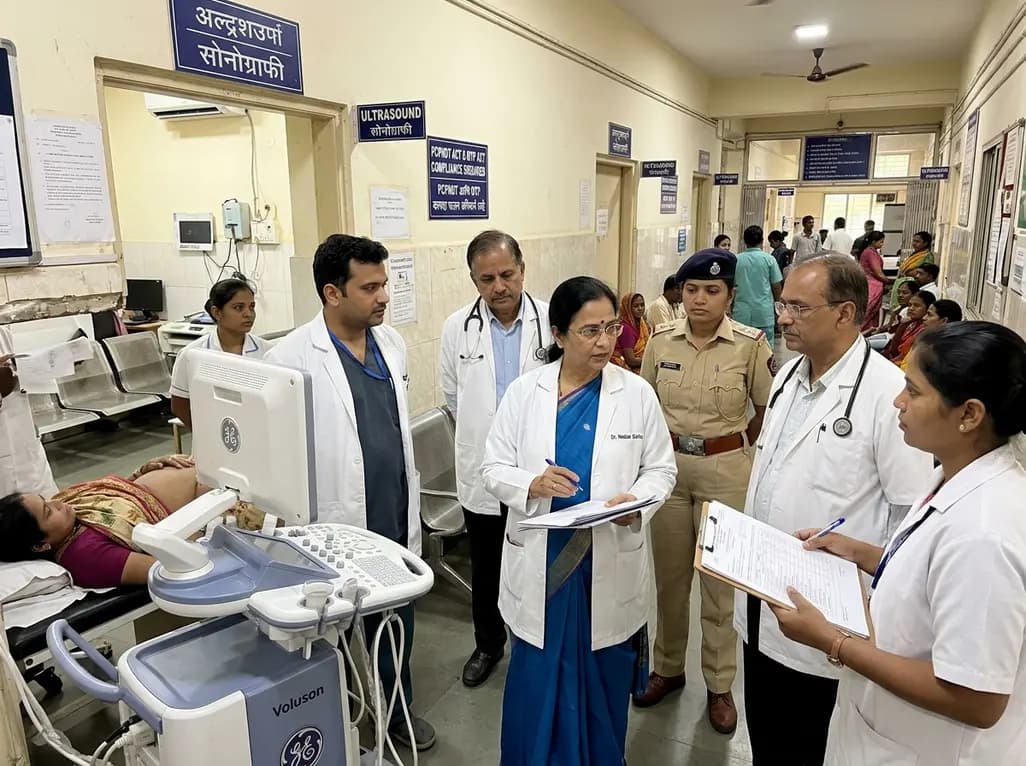
The Maharashtra public health department has established a specialized task force headed by Dr. Neelam Gorhe to eliminate illegal sex determination and unauthorized abortions. The team will execute surprise inspections of ultrasound facilities, audit medical documentation, and enforce strict statutory standards.
Today

Discover how targeted educational interventions enhance health-related quality of life in heart failure patients by fostering self-care behaviors and confidence, as demonstrated through causal mediation analysis.
Today
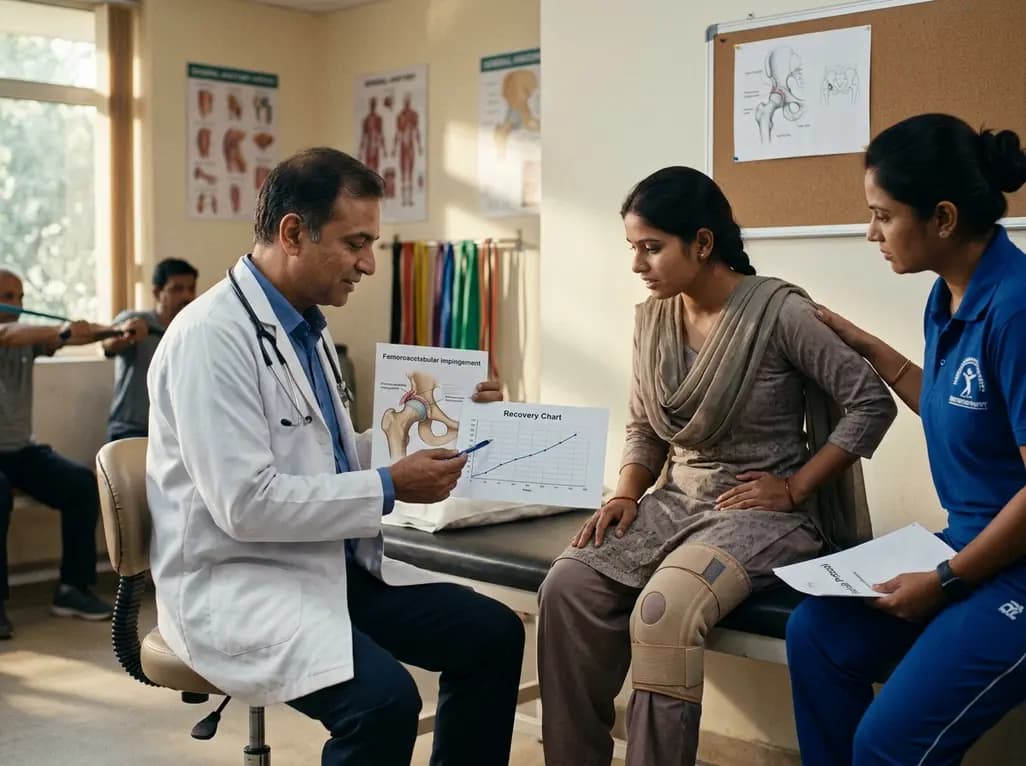
A propensity-matched study reveals that patients with severe generalized ligamentous laxity experience a slower recovery trajectory after hip arthroscopy for femoroacetabular impingement. While final two-year outcomes remain favorable, tailored rehabilitation and capsular management are critical.
Today
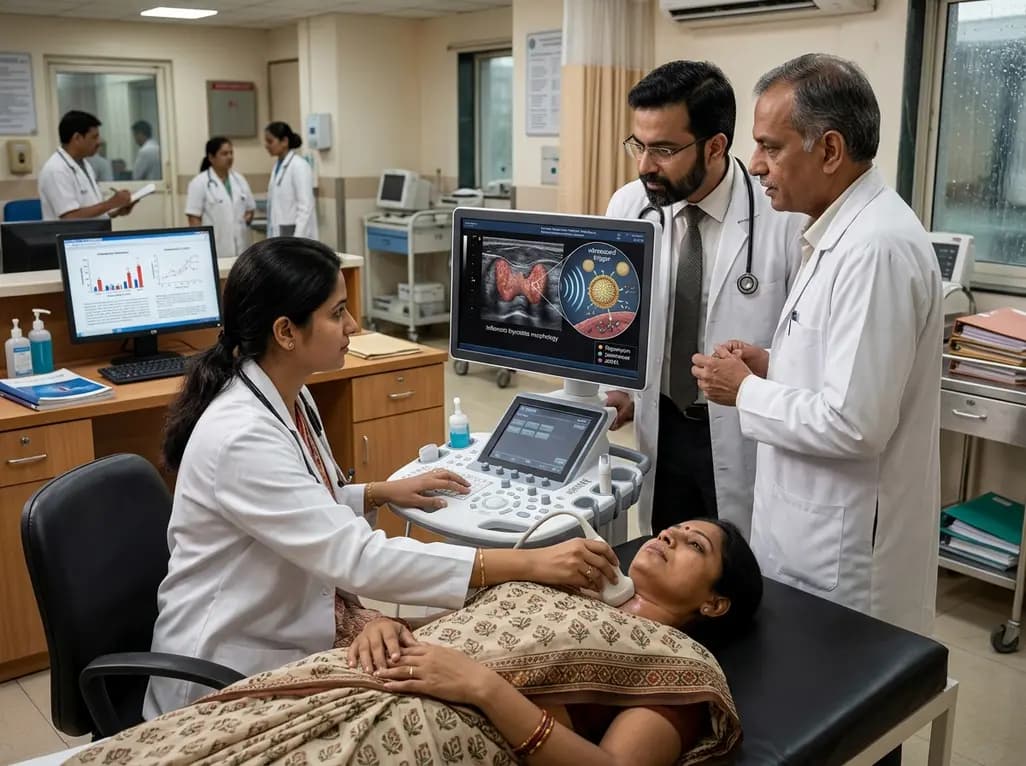
Researchers have developed an innovative ultrasound-responsive nano-contrast agent that co-delivers CIITA-siRNA and rapamycin directly to inflamed thyroid tissue, significantly reducing autoimmune injury and thyroid autoantibodies in preclinical models of Hashimoto thyroiditis.
Today
