

Loading, please wait...
Loading, please wait...

In contemporary clinical practice, clinicians frequently view sexual frequency as an isolated quality-of-life issue rather than a vital systemic sign. However, emerging epidemiological evidence reveals that sexual health provides a sensitive surrogate marker for cardiometabolic and psychological fitness. Adults reporting low sexual frequency exhibit higher rates of chronic multimorbidity. Specifically, researchers recently analyzed how a body shape index interacts with depressive mood states to predict premature mortality among sexually inactive adults. Traditional metrics like body mass index fail to isolate hazardous visceral fat from lean skeletal muscle. Consequently, clinicians routinely misclassify visceral adiposity when relying solely on basic weight scales. Visceral fat functions as an active metabolic disruptor, releasing inflammatory cytokines that compromise endothelial microcirculation. Simultaneously, unaddressed affective disorders disrupt neuroendocrine stability, creating sustained autonomic dysfunction. When low sexual activity coexists with central abdominal fat, baseline physiological vulnerability rapidly accelerates. Therefore, physicians must understand how intimate wellness reflects broader vascular, hormonal, and psychological integrity. Addressing these intertwined domains together uncovers latent mortality hazards in routine outpatient evaluations.
Standard anthropometric evaluations typically depend on body mass index and waist circumference. However, these conventional measurements do not accurately isolate harmful visceral adipose depots. To solve this clinical challenge, researchers developed a body shape index by standardizing waist circumference relative to height and body mass index. In a nationally representative cohort of young and middle-aged adults reporting low sexual frequency, investigators evaluated five anthropometric indicators. Among all examined parameters, a body shape index emerged as the strongest predictor of all-cause mortality. Individuals with an index of 0.082 or higher experienced an eighty-seven percent increase in mortality risk during long-term follow-up. In contrast, standard body mass index showed inferior prognostic discrimination across identical observation intervals. Furthermore, clinical depression independently elevated mortality risk by eighty-six percent. These rigorous findings demonstrate that visceral adiposity compromises physical resilience far more aggressively than generalized weight gain. Consequently, clinicians should incorporate abdominal geometry metrics into routine cardiovascular risk assessments. Evaluating central fat distribution enables earlier identification of vulnerable patients before irreversible vascular injury develops.
The deadly convergence of central adiposity and depression operates through shared neurobiological and inflammatory pathways. First, visceral adipose tissue secretes destructive pro-inflammatory cytokines, including interleukin-6 and tumor necrosis factor-alpha. These signaling proteins damage endothelial walls, reduce nitric oxide synthesis, and accelerate systemic arterial stiffening. Consequently, compromised microvascular perfusion impairs genital blood flow, depressing sexual function. Concurrently, chronic psychological depression triggers persistent hyperactivity of the hypothalamic-pituitary-adrenal axis. This sustained neuroendocrine disruption elevates systemic cortisol levels, promoting central fat accumulation and peripheral insulin resistance. Elevated cortisol levels also attenuate parasympathetic tone, resulting in autonomic imbalance and reduced heart rate variability. Moreover, circulating inflammatory mediators cross the blood-brain barrier, altering monoamine neurotransmission and intensifying depressive symptoms. This bidirectional crosstalk establishes a self-perpetuating cycle where psychological anguish fuels metabolic deterioration and vascular decay. Over time, persistent neurohormonal stress and chronic low-grade inflammation undermine cardiac reserve. As a result, patients experience accelerated atherogenesis and heightened vulnerability to fatal cardiovascular complications.
While visceral obesity and clinical depression independently shorten survival, their combined presentation creates an alarming multiplier effect. Multiplicative interaction models reveal that possessing high visceral adiposity alongside depression elevates all-cause mortality risk by 293 percent in sexually inactive individuals. Thus, somatic and psychiatric pathologies compound each other rather than acting in simple isolation. Behavioral factors further exacerbate this destructive interaction. For example, depressed individuals often experience psychomotor fatigue, leading to sedentary lifestyles, disrupted sleep patterns, and poor nutritional habits. Furthermore, profound depressive symptoms frequently prompt social withdrawal, eliminating opportunities for intimate human connection. Physical intimacy naturally stimulates oxytocin and endorphin release, which buffer neuroendocrine stress responses and support cardiovascular tone. Therefore, prolonged sexual infrequency removes a crucial neurobiological counterweight against systemic allostatic load. When chronic isolation coincides with severe visceral adiposity and depressive mood states, homeostatic reserves disintegrate rapidly. Ultimately, this compounding metabolic-psychological syndrome places patients on an accelerated trajectory toward premature cardiovascular collapse.
Prognostic analyses demonstrate striking sex disparities among patients facing combined metabolic and psychological burdens. Specifically, men exhibiting elevated abdominal adiposity and depression experience a median survival rate of 76.3 percent, whereas comparable women achieve 90.8 percent. Endogenous estrogen exposure likely provides relative vascular protection in women. In contrast, visceral adiposity in men frequently induces secondary hypogonadism and accelerated coronary calcification. To prevent premature mortality, primary clinicians must implement integrated assessment workflows. First, practitioners should incorporate waist-to-height metrics into routine physical exams to detect visceral fat early. Concurrently, physicians must screen for mood disorders using validated instruments like the Patient Health Questionnaire-9. Additionally, doctors should tactfully discuss sexual health, recognizing sexual infrequency as a possible indicator of vascular or psychological illness. Multidisciplinary interventions should combine aerobic exercise, resistance conditioning, and cardioprotective nutrition. When prescribing antidepressants, clinicians must prioritize medications with low sexual side-effect profiles. Through coordinated lifestyle and psychological interventions, healthcare teams can successfully mitigate synergistic mortality risks.
Body mass index calculates total body mass relative to height, failing to distinguish between protective lean muscle and harmful visceral adipose tissue. In contrast, a body shape index normalizes waist circumference against height and weight. This calculation isolates visceral abdominal fat, providing significantly higher predictive accuracy for systemic arterial injury and premature mortality.
Low sexual frequency frequently indicates subclinical cardiovascular illness, vascular endothelial impairment, endocrine disturbances, or chronic mental strain. Furthermore, sexual activity stimulates beneficial neurochemical release, including endorphins and oxytocin, which temper autonomic stress and modulate blood pressure. A persistent absence of intimacy often unmasks severe systemic disease, psychological isolation, and heightened vulnerability to early death.
Clinicians should combine waist-adjusted anthropometric calculations with standardized depression screeners like the Patient Health Questionnaire-9 during annual physical examinations. In addition, practitioners must tactfully explore sexual health history. Identifying patients with high abdominal adiposity, depressive symptoms, and sexual infrequency enables timely lifestyle interventions, cardiovascular testing, and holistic psychological support before irreversible complications develop.
Disclaimer: This content is for informational and educational purposes only. It is not intended to be a substitute for professional medical advice, diagnosis, or treatment. Always seek the advice of your physician or other qualified health provider with any questions you may have regarding a medical condition. Never disregard professional medical advice or delay in seeking it because of something you have read here. Refer to the latest local and national guidelines for clinical practice.
References

Read summarized clinical updates, watch expert medical content, and earn CME certifications right from your smartphone.
Open your smartphone camera to scan and install.





A landmark cohort study demonstrates that an elevated body shape index and depression synergistically increase all-cause mortality risk by 293% in adults with low sexual frequency. Learn key pathophysiological insights, notable sex disparities, and proactive cardiometabolic screening tools for medical practice.
Today

Ambient digital scribes promise effortless medical documentation, but a critical sociotechnical commentary reveals that AI alters rather than eliminates charting work. Discover how shifting cognitive burdens, oversight risks, and workflow redesign impact clinical safety and healthcare practice.
Today

A new comparative study demonstrates that intraoperative imprint cytology achieves 96.6% diagnostic accuracy in ovarian tumours, outperforming frozen section in sensitivity for borderline lesions and offering an accessible, rapid alternative for resource-constrained surgical centres.
Today

Thoracic aortic aneurysm lacks etiologic medical therapy. A new study reveals that targeting specific αV integrins with Cilengitide attenuates TGF-β and mechanotransduction pathways, effectively limiting pro-fibrotic remodeling and aortic bulb dilation in both syndromic and sporadic disease models.
Today
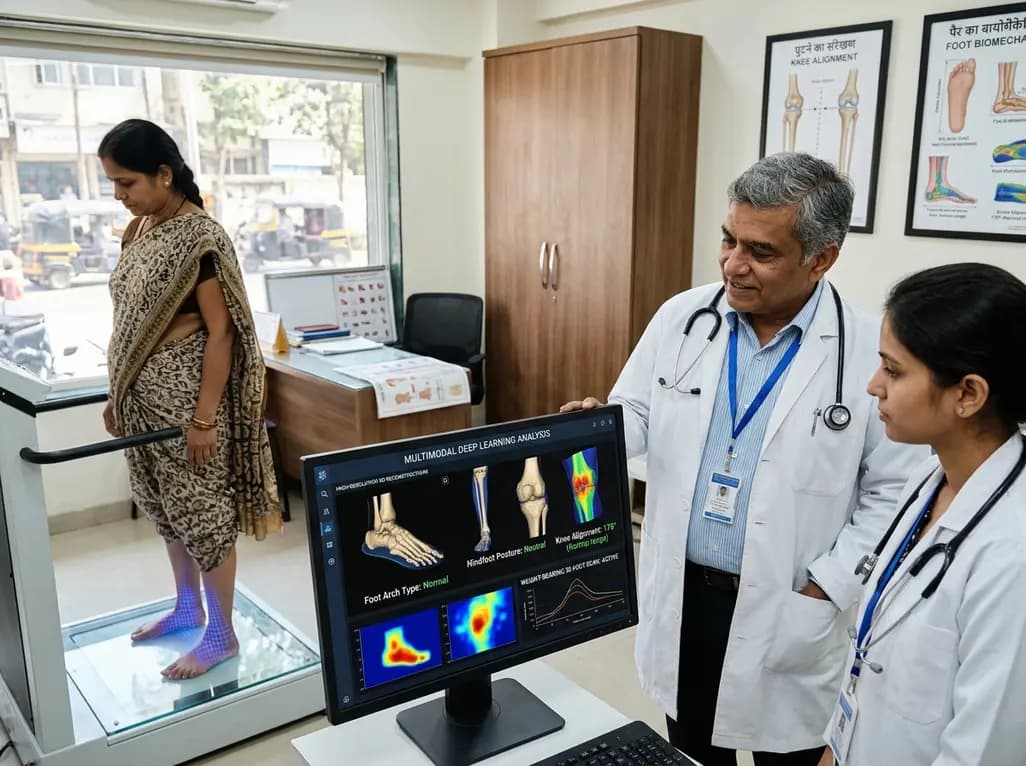
A multimodal deep learning framework utilizing weight-bearing 3D foot scans accurately screens lower-limb alignment, including arch type, hindfoot posture, and knee alignment, offering an accessible, radiation-free alternative to radiography for early biomechanical triage.
Today

A real-world retrospective study demonstrates that combining intravitreal ranibizumab with focal/grid macular laser significantly improves visual acuity and central macular thickness compared to laser monotherapy in patients with center-involved diabetic macular edema.
Today
