.webp&w=384&q=75)

Loading, please wait...
Loading, please wait...

Body dysmorphic disorder screening is becoming an essential practice in dermatology clinics worldwide. This psychiatric condition involves a distressing preoccupation with physical flaws that are often unobservable to others. A recent study in Lebanon highlights how trauma and psychological distress significantly influence the prevalence of this condition among dermatology patients.
Researchers examined 472 participants in cosmetic and general dermatology clinics. They found a BDD prevalence rate of 7.6%. Furthermore, patients with this disorder showed significantly higher scores for anxiety, stress, and depression. In a society that has experienced cumulative trauma, these psychological factors often exacerbate the fixation on perceived physical defects.
Consequently, many patients seeking cosmetic treatments may actually require mental health support. The study also explored how trauma exposure correlates with the severity of BDD symptoms. Because insight is often poor, patients might not realize their concerns are psychiatric. Therefore, clinicians must implement routine screening to avoid unnecessary procedures and provide holistic care.
Additionally, identifying the link between BDD and previous trauma allows for more effective, trauma-informed interventions. Moreover, addressing the underlying psychological distress can improve a patient's overall quality of life. This interdisciplinary approach ensures that patients receive the most appropriate treatment for both their skin concerns and their mental well-being.
Screening helps identify patients who may not benefit from cosmetic procedures due to underlying psychiatric conditions, preventing dissatisfaction and worsening of mental health symptoms.
Body Dysmorphic Disorder frequently occurs alongside clinical anxiety, depression, and significant levels of psychological stress, particularly in populations exposed to trauma.
Disclaimer: This content is for informational and educational purposes only. It does not constitute professional medical advice, diagnosis, or treatment. Always seek the advice of your physician or other qualified health provider with any questions you may have regarding a medical condition. Refer to the latest local and national guidelines for clinical practice.
References
El Khoury J et al. Body dysmorphic disorder in Lebanese dermatology patients: prevalence and correlates of depression, anxiety, stress, and trauma in a multitraumatized population. Eur J Psychotraumatol. 2026 Dec undefined. doi: 10.1080/20008066.2026.2657143. PMID: 42186903.
American Psychiatric Association. Diagnostic and Statistical Manual of Mental Disorders (DSM-5-TR). 5th ed. 2022.
Singh AR, Singh SA. Body dysmorphic disorder: An Indian perspective. Indian J Psychiatry. 2021.

Read summarized clinical updates, watch expert medical content, and earn CME certifications right from your smartphone.
Open your smartphone camera to scan and install.





A study highlights BDD's 7.6% prevalence in dermatology patients, emphasizing links between perceived flaws, trauma, and high psychological distress....
4 months ago

Co-administering antiseizure medications and DOACs frequently causes pharmacokinetic interactions, subtherapeutic drug levels, and thromboembolic failures. This review highlights enzyme induction risks, unpredictable outcomes with levetiracetam, and the vital role of therapeutic drug monitoring.
Today

Demanding exhaustive hormonal profiling can inadvertently discourage clinical studies involving females. Methodological standards must align with the specific scientific question to expand, not restrict, equitable evidence for women.
Today
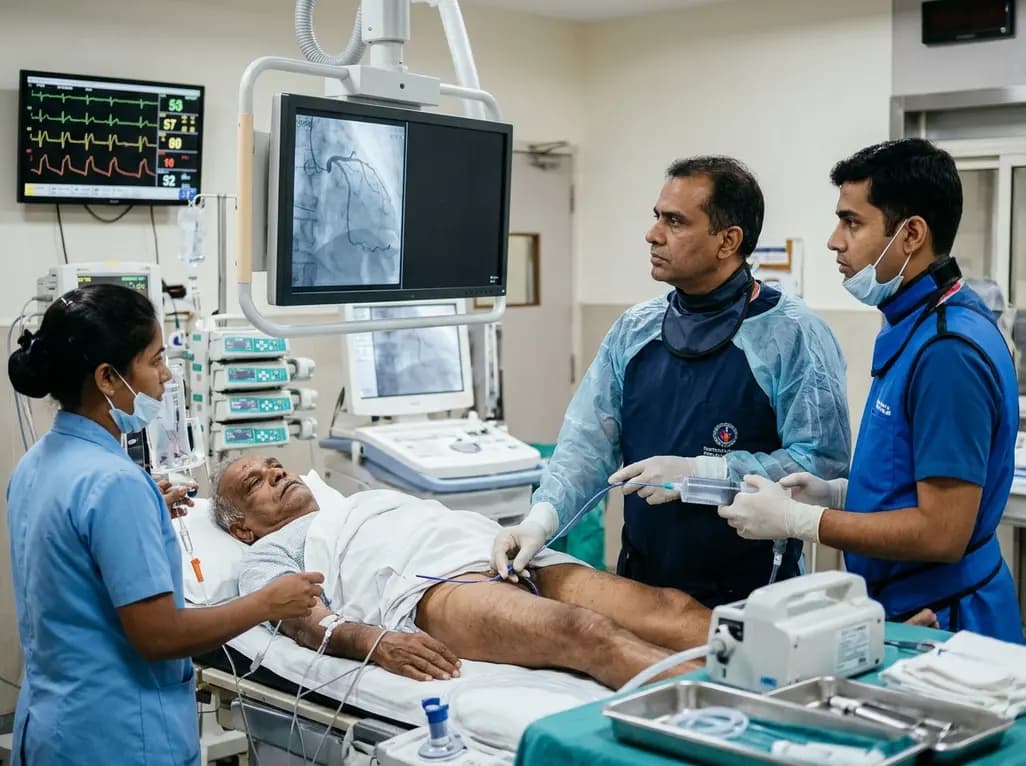
An elderly man with partially repaired Tetralogy of Fallot presented with STEMI caused by coronary embolism rather than atherosclerosis. Successful treatment with sustained mechanical aspiration thrombectomy underscores the vital need for high clinical vigilance in adult congenital heart disease.
Today

A comparative review of tension band wiring and intramedullary screw fixation in thumb metacarpophalangeal arthrodesis, evaluating union rates, hardware complications, and clinical outcomes.
Today

Following regulatory scrutiny from FSSAI regarding promotional representations and lean muscle preservation claims, Dr. Reddy's Laboratories and Nestlé Health Science are currently reviewing the branding and marketing strategy for their joint nutritional supplement Celevida GLP+.
Today
