.webp&w=384&q=75)

Loading, please wait...
Loading, please wait...

Blueberry leaf extract inflammation research has identified Vaccinium virgatum Aiton as a significant natural resource for health promotion. Specifically, this study explored how blueberry leaf extract (BLEx) affects inflammatory responses in RAW264 macrophage cells. Consequently, researchers observed that BLEx markedly reduces the production of nitric oxide and suppresses key inflammatory cytokines like interleukin-1β (IL-1β) and IL-6.
Furthermore, the study found that highly polymerized proanthocyanidins are the primary components driving these anti-inflammatory effects. Interestingly, BLEx treatment also triggered cellular changes associated with autophagy. This suggests that the extract works by activating cellular waste-clearance pathways to manage inflammation. Consequently, when researchers inhibited autophagy, the suppressive effect of BLEx on IL-1β was significantly reduced. Therefore, autophagy induction is a critical pathway through which BLEx exerts its protective benefits.
Moreover, the selective nature of BLEx is noteworthy. While it suppresses IL-1β and IL-6, it does not significantly affect tumor necrosis factor-α. This specificity could be advantageous for targeting specific inflammatory pathways without broad immune suppression. Additionally, these findings support the use of blueberry leaf fractions as potential agents for preventing IL-1β-related inflammatory conditions. Continued research may further clarify how these botanical extracts can be integrated into clinical practice for managing chronic inflammation.
It works by suppressing the production of interleukin-1β and interleukin-6 while inducing autophagy in macrophage cells.
Highly polymerized proanthocyanidins are the major active compounds responsible for the anti-inflammatory effects observed in the study.
No, the extract shows selective activity. While it reduces IL-1β and IL-6, it does not have a significant effect on tumor necrosis factor-α.
Disclaimer: This content is for informational and educational purposes only. It does not constitute professional medical advice, diagnosis, or treatment. Always seek the advice of your physician or other qualified healthcare provider with any questions you may have regarding a medical condition. Refer to the latest local and national guidelines for clinical practice.
References
Takehara N et al. Proanthocyanidin-rich fractions prepared from blueberry leaf hot-water extracts inhibits interleukin-1β production in RAW264 cells and induces autophagy. Biosci Biotechnol Biochem. 2026 May 13. doi: undefined. PMID: 42126890.
Johnson MH, et al. Anthocyanins and proanthocyanidins from blueberry-blackberry fermented beverages inhibit markers of inflammation in macrophages and carbohydrate-utilizing enzymes in vitro. Mol Nutr Food Res. 2013;57(7):1182-1197.
Tian YQ, et al. Polyphenols from blueberries modulate inflammation cytokines in LPS-induced RAW264.7 macrophages. Int J Biol Macromol. 2014;69:382-387. PMID: 24905959.

Read summarized clinical updates, watch expert medical content, and earn CME certifications right from your smartphone.
Open your smartphone camera to scan and install.





A study explores how blueberry leaf extract suppresses IL-1β and induces autophagy, highlighting its potential for managing inflammatory disorders....
5 months ago
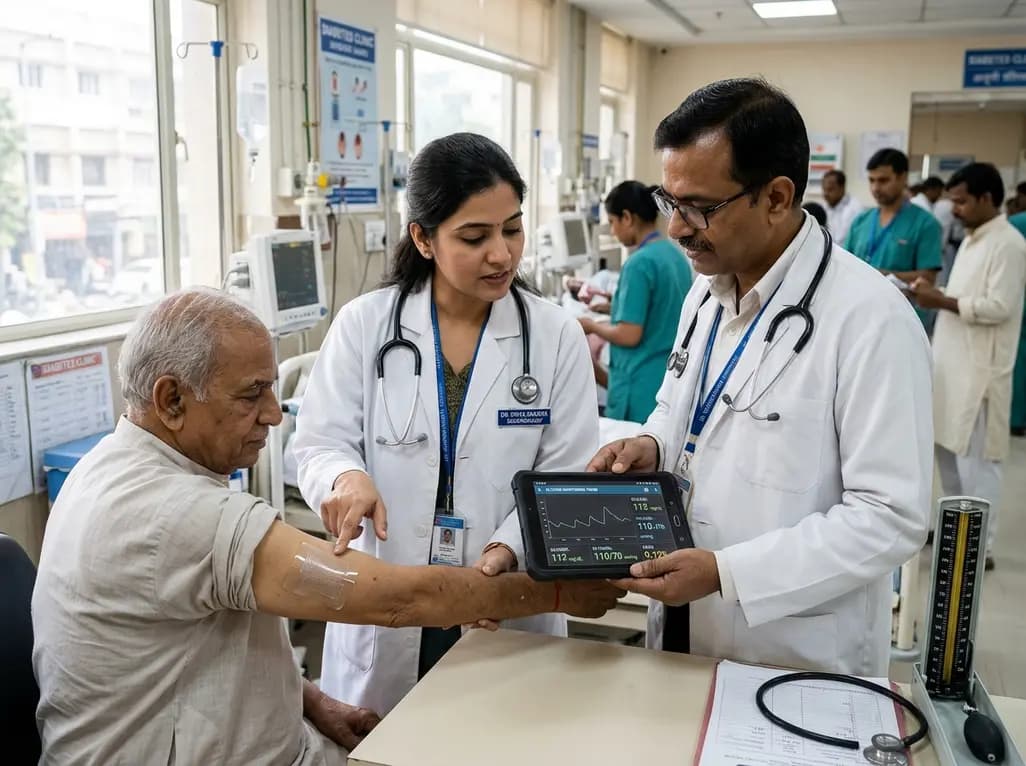
A breakthrough ultrathin multimodal sensor decouples physical hemodynamic monitoring from disposable electrochemical calibration, achieving long-term wearable glucose prediction with 81.36% accuracy and a 9.12% MARD. This offers a robust, drift-free solution for outpatient metabolic surveillance.
Today
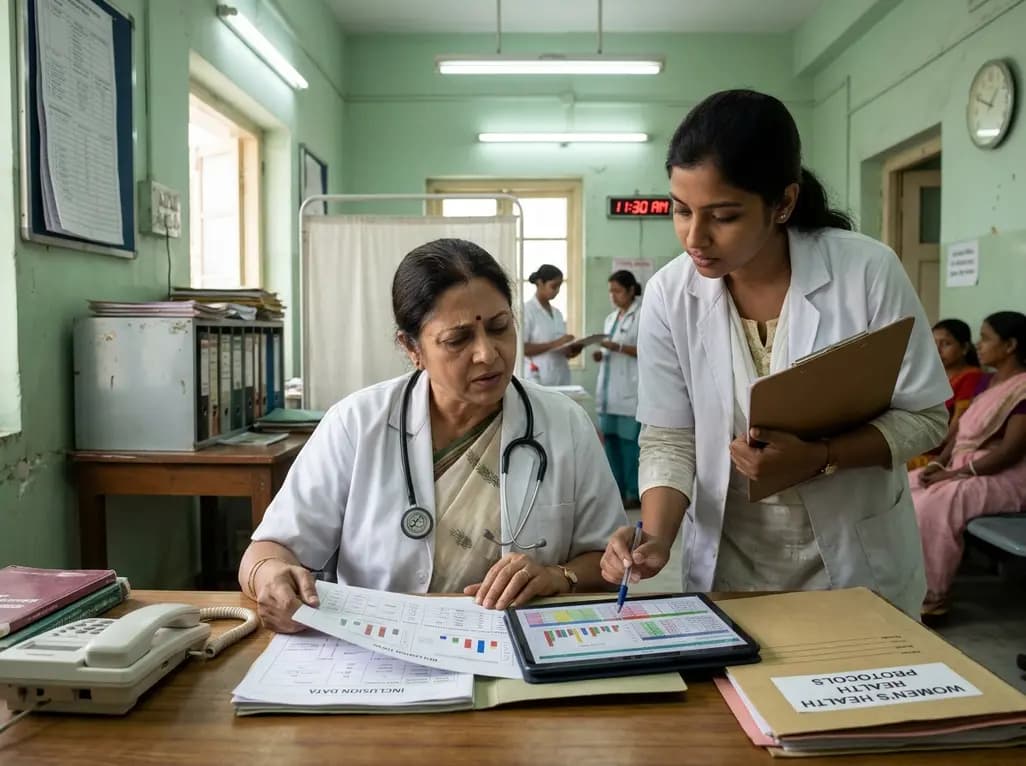
Demanding exhaustive hormonal profiling can inadvertently discourage clinical studies involving females. Methodological standards must align with the specific scientific question to expand, not restrict, equitable evidence for women.
Today
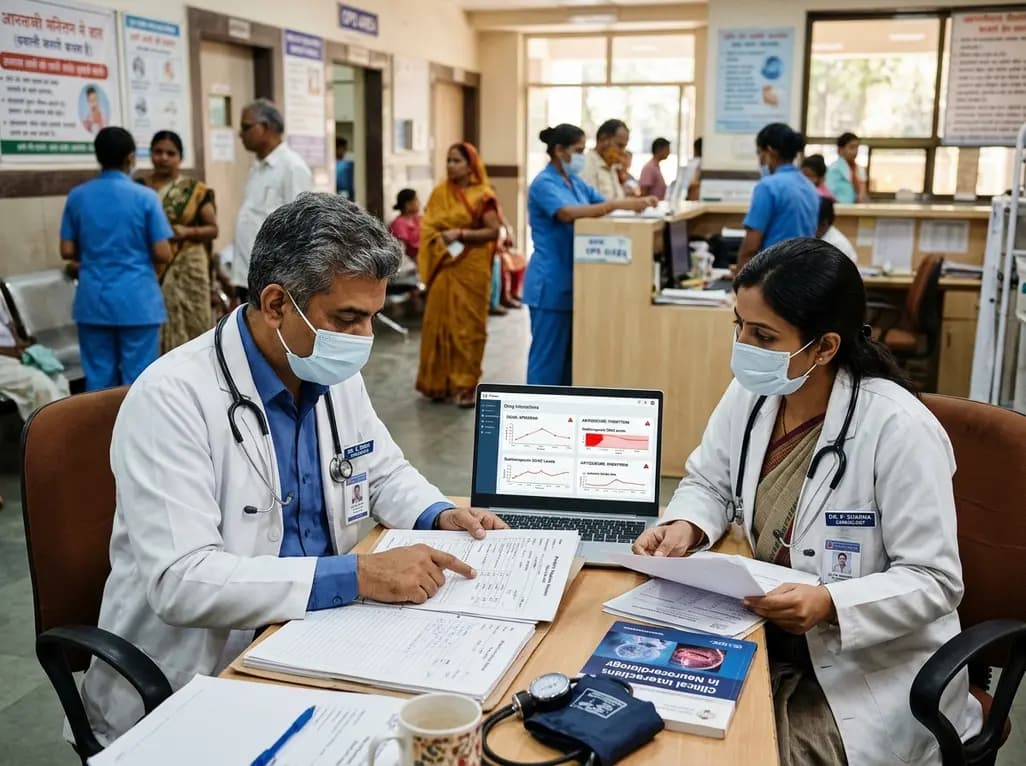
Co-administering antiseizure medications and DOACs frequently causes pharmacokinetic interactions, subtherapeutic drug levels, and thromboembolic failures. This review highlights enzyme induction risks, unpredictable outcomes with levetiracetam, and the vital role of therapeutic drug monitoring.
Today
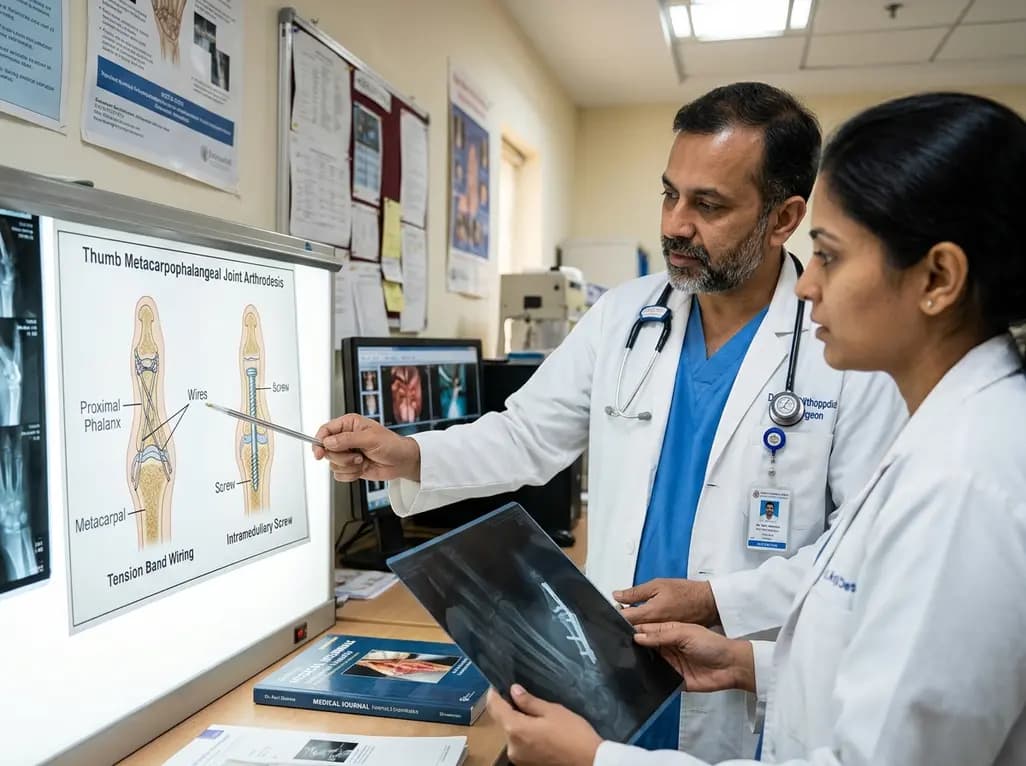
A comparative review of tension band wiring and intramedullary screw fixation in thumb metacarpophalangeal arthrodesis, evaluating union rates, hardware complications, and clinical outcomes.
Today
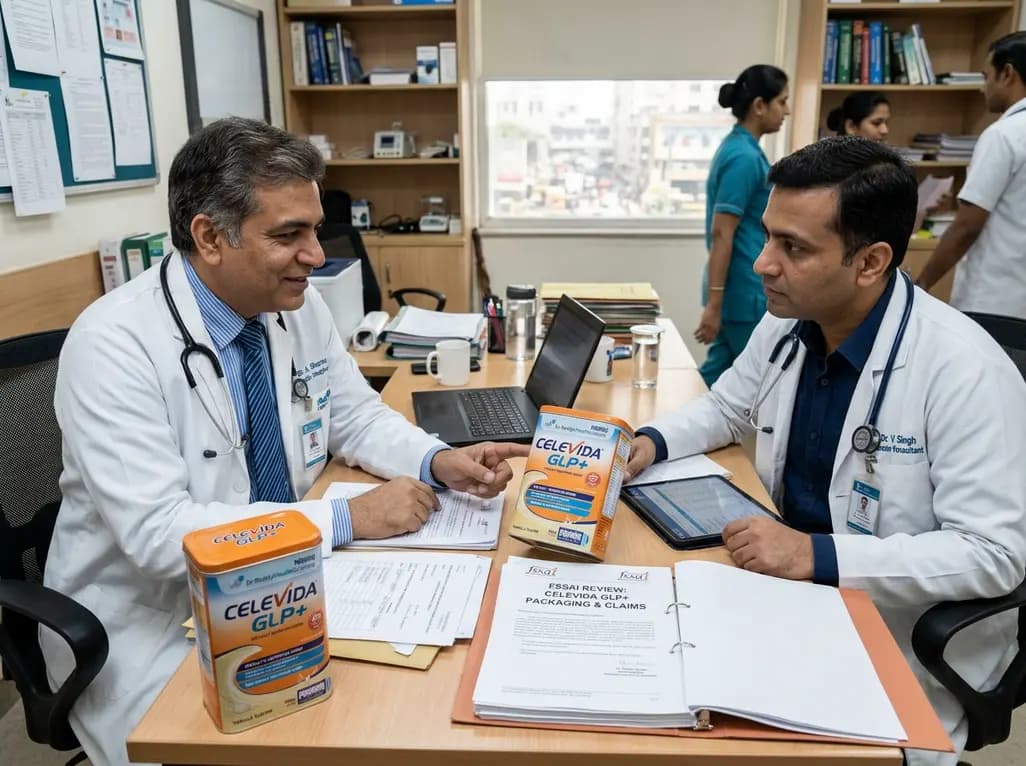
Following regulatory scrutiny from FSSAI regarding promotional representations and lean muscle preservation claims, Dr. Reddy's Laboratories and Nestlé Health Science are currently reviewing the branding and marketing strategy for their joint nutritional supplement Celevida GLP+.
Today
