

Loading, please wait...
Loading, please wait...
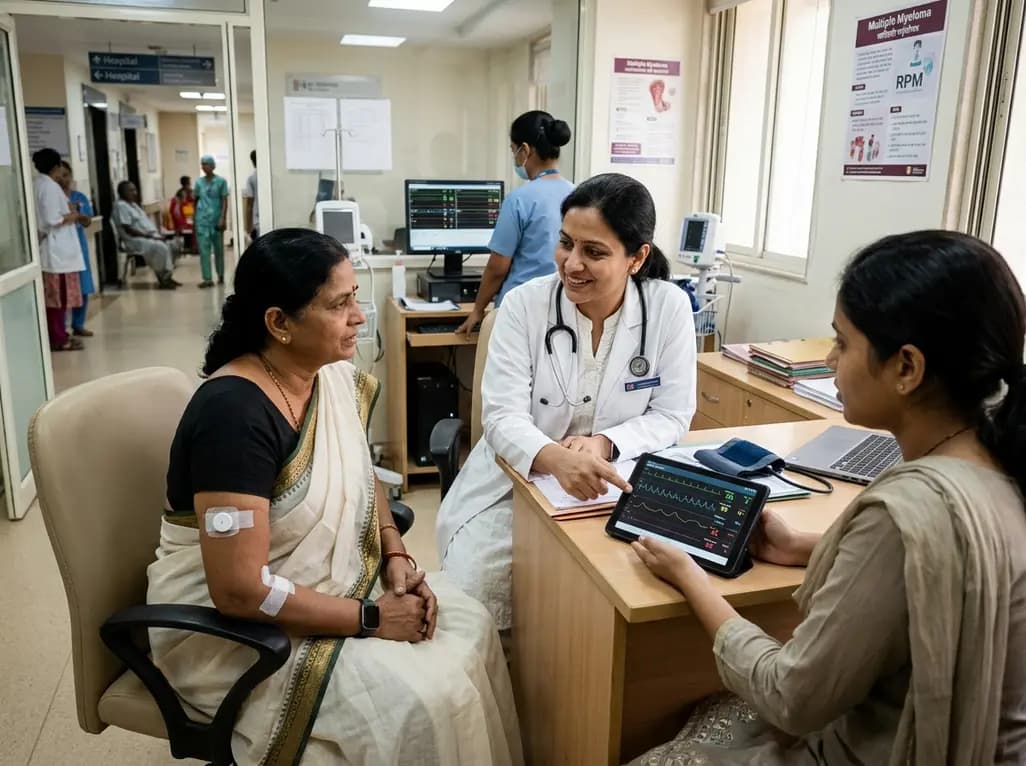
Advanced immunotherapies have transformed the clinical outlook for relapsed and refractory multiple myeloma. However, effective bispecific antibody monitoring remains essential to deliver these potent T-cell engagers safely beyond hospital walls. Approved bispecific antibodies, including teclistamab, talquetamab, and elranatamab, trigger robust anti-myeloma responses. Nevertheless, these agents stimulate massive immune activation that often precipitates cytokine release syndrome and neurotoxicity. Consequently, standard regulatory labeling advises mandatory inpatient hospital admission during initial step-up dosing schedules. This inpatient requirement creates significant bottlenecks in tertiary oncology centers. Furthermore, hospital admissions dramatically inflate healthcare expenditures and disrupt patient quality of life. Implementing decentralized outpatient models alleviates bed shortages and expands treatment access to diverse patient populations. Therefore, oncologists increasingly adopt structured remote surveillance strategies during vulnerable step-up phases. Continuous at-home physiological tracking allows clinicians to observe patient vital signs in real time. As a result, care teams can initiate prompt interventions without confining patients to hospital rooms for extended periods. This paradigm shift bridges tertiary hospital precision with comfortable home-based supportive care.
Successful outpatient step-up dosing requires strict patient selection protocols and standardized risk assessments. Clinical teams must evaluate baseline organ function, functional performance status, and caregiver availability before enrollment. Specifically, patients should demonstrate an ECOG performance status of zero or one without severe end-organ impairment. Additionally, eligible individuals must live within a defined travel distance, usually sixty to ninety minutes from the cancer center. Reliable adult caregiver support during the first forty-eight hours post-infusion represents an absolute prerequisite for home care. Moreover, comprehensive education must prepare both patients and their families before initiating therapy. Care teams instruct caregivers on device mechanics, symptom tracking, and emergency contact routines. Clinicians often incorporate prophylactic interventions, such as premedication with dexamethasone or single-dose tocilizumab, to temper systemic cytokine release. Consequently, pre-emptive medications lower peak cytokine levels and dampen dangerous inflammatory cascades during initial step-up fractions. Standardized checklists ensure that nursing teams verify physiological baseline parameters prior to discharge. Structured enrollment pathways thereby safeguard patients while maintaining high therapeutic fidelity.
Systemic inflammatory reactions typically emerge within twelve to seventy-two hours following step-up dosing infusions. Therefore, rapid detection of initial pyrexia forms the cornerstone of effective outpatient safety programs. Continuous axillary temperature sensors alert clinicians to low-grade fever before subjective chills or rigors manifest. When body temperature crosses 38.0 degrees Celsius, predefined clinical escalation pathways activate immediately. First, triage nurses evaluate the patient via synchronized telemedicine calls to review concurrent symptoms. If the patient exhibits isolated Grade 1 cytokine release syndrome, clinicians may recommend oral antipyretics alongside close surveillance. However, persistent fever, secondary tachycardia, or developing hypotension mandates urgent hospital transit for intravenous hydration and supportive therapies. In addition, healthcare teams must maintain uninterrupted access to interleukin-6 receptor antagonists such as tocilizumab. Because secondary infections frequently complicate multiple myeloma therapy, clinicians must also distinguish cytokine storms from neutropenic sepsis. Prompt antimicrobial evaluation ensures that underlying bacterial pathogens receive immediate empirical therapy. Through these structured mitigation pathways, remote surveillance prevents life-threatening complications while minimizing avoidable readmissions.
Digital monitoring ecosystems combine continuous physiological sensors with secure, cloud-based data dashboards. Patients receive dedicated kits containing wearable continuous axillary thermometers, upper-arm pulse oximeters, and automated blood pressure cuffs. These portable devices transmit encrypted biometric streams directly to institutional electronic health records. Consequently, specialized remote monitoring units track heart rate, oxygen saturation, temperature, and blood pressure patterns continuously. Furthermore, automated clinical algorithms generate real-time alerts whenever biometric parameters breach safety thresholds. For example, a sudden drop in pulse oximetry or rapid heart rate acceleration instantly triggers clinician review. Asynchronous messaging platforms allow caregivers to report subtle neurocognitive symptoms, enabling early identification of neurotoxicity. Clinicians utilize validated bedside cognitive tools to catch expressive dysphasia or handwriting deficits before severe encephalopathy occurs. Furthermore, cloud platforms maintain detailed audit trails that track clinical response times and escalation steps. By providing continuous physiologic visibility, modern digital hubs give oncology teams complete confidence to supervise vulnerable patients remotely.
Seamless interprofessional coordination underpins every successful decentralized oncology program. Dedicated advanced practice providers, clinical nurse specialists, oncology pharmacists, and hematologists collaborate daily to review automated data logs. Specifically, pharmacists conduct rigorous medication reconciliation to discontinue interacting medications and confirm supportive antimicrobials. In addition, triage nurses maintain twenty-four-hour phone coverage, answering patient inquiries and dispatching clinical instructions without delay. Community oncology centers frequently establish shared-care compacts with tertiary academic hubs to standardize clinical pathways. These collaborative frameworks allow local clinics to administer maintenance doses while referring complex cases back to tertiary facilities. Moreover, robust electronic communication ensures seamless transitions of care between community outpatient suites and hospital emergency units. Emergency department physicians receive clear instructions regarding bispecific toxicology and prompt tocilizumab administration. Regular multidisciplinary debriefs evaluate remote alarm accuracy and refine clinical monitoring thresholds over time. Ultimately, structured team workflows guarantee consistent care delivery, lower operational expenses, and expand novel immunotherapy access across diverse geographic settings.
Remote patient monitoring utilizes continuous wearable biosensors to track vital signs in real time. Continuous axillary temperature probes and biometric patches record core body temperature, heart rate, and oxygen saturation. These devices detect subtle temperature spikes and early tachycardia hours before patients feel noticeable chills. Automated algorithms alert the clinical triage team immediately, enabling rapid clinical evaluation, early antipyretic guidance, and timely escalation before toxicities escalate into life-threatening emergencies.
Candidates for outpatient dosing must have an ECOG performance status of zero or one and adequate organ function. In addition, patients must possess reliable twenty-four-hour caregiver support during the critical step-up window. They must reside within sixty to ninety minutes of the treating cancer center to allow rapid hospital transit if severe complications emerge. Individuals with severe comorbidities, significant baseline cognitive deficits, or massive tumor burden remain best suited for traditional inpatient step-up dosing.
Administering prophylactic tocilizumab prior to bispecific antibody dosing significantly reduces the incidence and severity of cytokine release syndrome. By preemptively blocking interleukin-6 receptors, tocilizumab dampens excessive inflammatory cascades without compromising anti-myeloma T-cell efficacy. Consequently, prophylactic protocols substantially diminish fever episodes, lowering emergency department transfers and unscheduled hospital admissions. This pharmacological safety buffer provides clinicians and patients with greater confidence during home-based step-up dosing intervals.
Disclaimer: This content is for informational and educational purposes only and should not be taken as medical advice. Always consult a qualified healthcare professional regarding any medical condition or treatment. Refer to the latest local and national guidelines for clinical practice.
References

Read summarized clinical updates, watch expert medical content, and earn CME certifications right from your smartphone.
Open your smartphone camera to scan and install.





Discover how remote patient monitoring enables safe outpatient step-up dosing of bispecific antibodies in multiple myeloma, reducing hospital bed strain while detecting cytokine release syndrome early.
Today

A study in aged rats reveals that caloric restriction broadly upregulates adipose macrophage genes, whereas concurrent endurance training buffers this response. Despite these tissue-level transcriptional changes, systemic glycemic and lipid markers remain unchanged, highlighting the complexity of geriatric metabolism.
Today
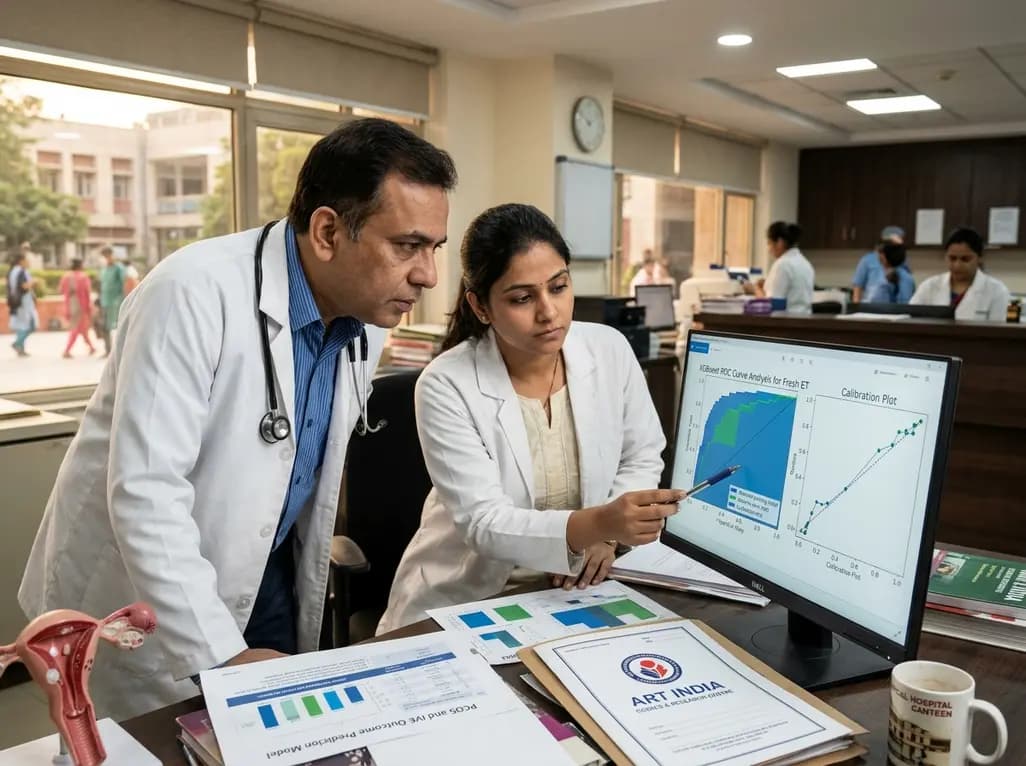
A multicenter study evaluates an XGBoost machine learning model to predict miscarriage risk in PCOS after fresh embryo transfer. While discrimination was strong internally, cross-cohort calibration drift emphasizes its role as a risk-ranking tool rather than a standalone diagnostic instrument.
Today

A landmark study reveals structured variation in daily emotional experiences using mobile cardiac monitoring and machine learning. Uncovering a many-to-many mapping between autonomic states and feelings, this research offers key insights for managing psychosomatic and psychiatric conditions in clinical practice.
Today
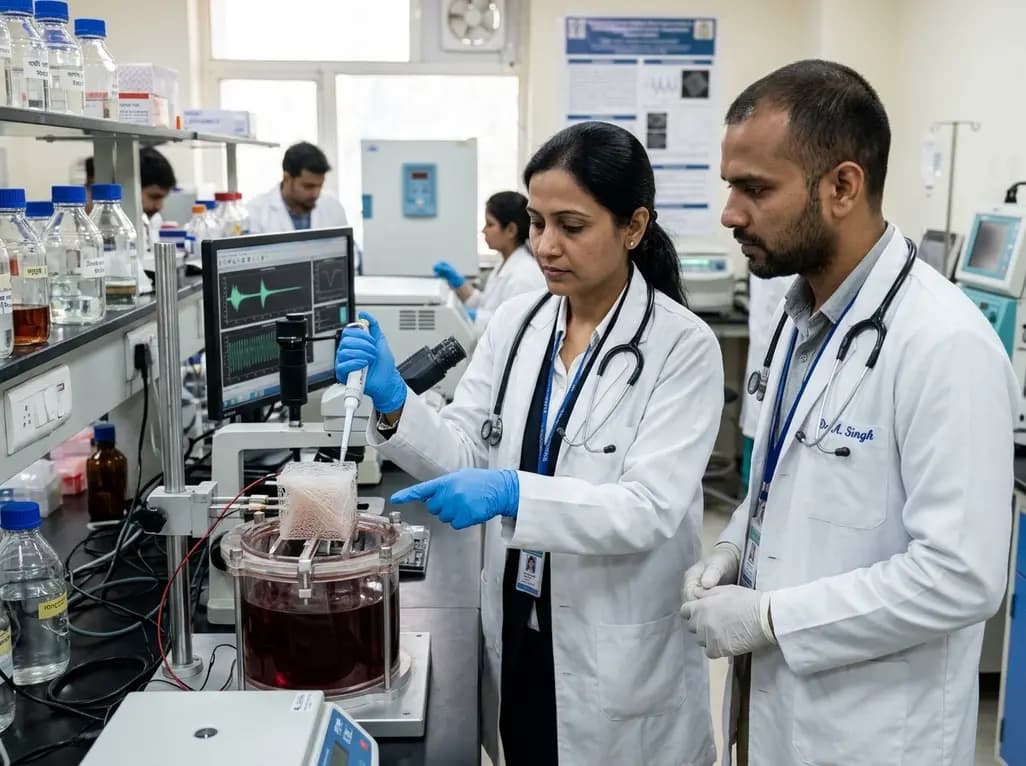
Engineered 3D piezoelectric PHBV scaffolds generate electrical charges during mechanical strain, mimicking native muscle electromechanics to promote cellular alignment, myogenic differentiation, and functional tissue repair in severe volumetric muscle loss.
Today
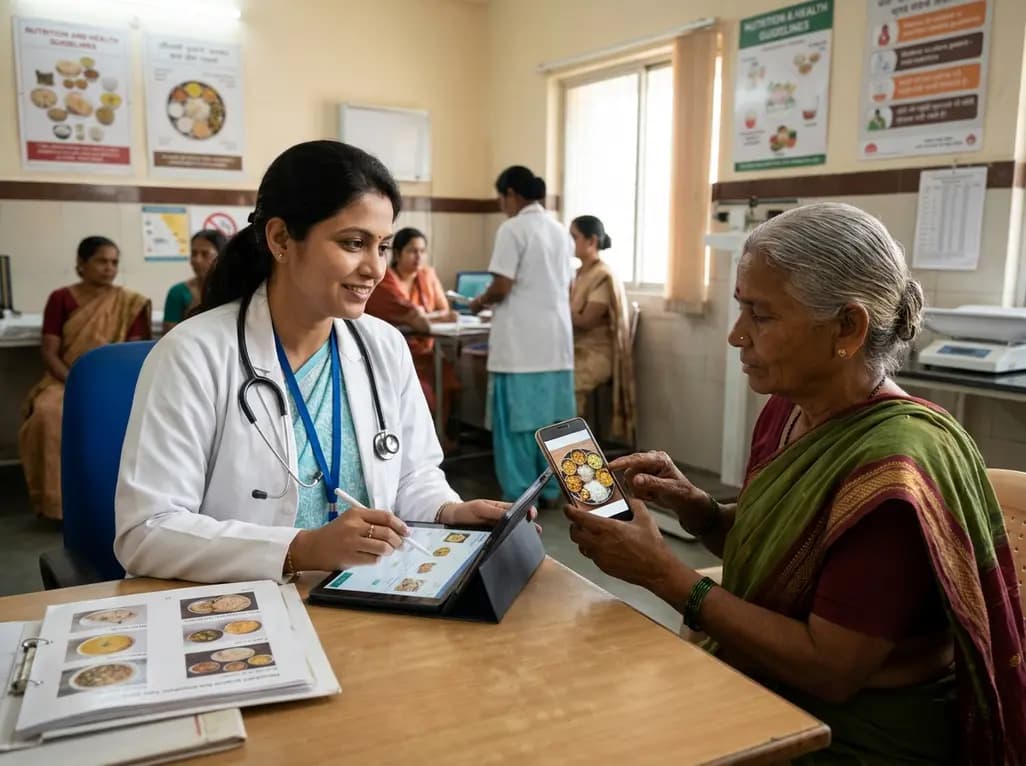
A recent study highlights that pairing photograph-assisted 24-hour recalls with regional food databases significantly boosts dietary assessment accuracy. This methodology reduces cultural bias and strengthens nutrient tracking, offering crucial lessons for clinicians managing nutritional care in diverse populations.
Today
