.webp&w=384&q=75)

Loading, please wait...
Loading, please wait...

The healthcare landscape is rapidly shifting as artificial intelligence integrates into clinical workflows. Historically, Charles Friedman’s Fundamental Theorem of Biomedical Informatics suggested that humans assisted by technology outperform those working alone. Today, this concept evolves further to emphasize human-AI collaboration in healthcare within a broader learning ecosystem. This shift addresses the complexities of modern medicine and large-scale data infrastructures. Since the theorem's original publication, the biomedical enterprise has expanded beyond clinical care into translational science and public health. Consequently, researchers now argue that the focus must move from individual users to adaptive sociotechnical systems.
In the past, informatics focused primarily on the interaction between a single clinician and a specific software tool. However, the modern era demands a more holistic perspective. Learning Health Systems (LHS) now incorporate real-time data from various sources, including genomics and social determinants of health. Moreover, these systems rely on continuous feedback loops to improve patient outcomes. Therefore, the unit of analysis must transition toward interconnected networks of people and technology. This transition ensures that AI-enabled computation remains grounded in human-centered values. Specifically, the proposed expansion of the theorem suggests that a learning ecosystem optimizing collaboration will outperform either humans or AI acting in isolation.
Effective human-AI collaboration in healthcare requires more than just high-performance algorithms. It necessitates robust governance and a deep understanding of sociotechnical theory. For instance, clinicians must trust the AI’s outputs while maintaining the final authority in ethical decision-making. Furthermore, systems must be designed to reduce the cognitive burden on practitioners rather than adding complexity. By integrating AI into the broader life sciences, we can accelerate drug discovery and enhance population health management. Ultimately, this evolved theorem reaffirms that while technology advances, the human element remains the core foundation of informatics. This approach promises a future where medical intelligence is amplified through collective, system-level learning.
The updated theorem states that a learning biomedical ecosystem that continuously optimizes human-AI collaboration will outperform humans or AI alone. This moves the focus from individuals to complex sociotechnical systems.
This collaboration combines the analytical speed of AI with the ethical judgment and contextual understanding of human clinicians. Consequently, it leads to more accurate diagnostics, personalized treatments, and efficient healthcare delivery.
Learning Health Systems are sociotechnical ecosystems where clinical practice and research are integrated. They use data-driven feedback loops to continuously improve the quality, safety, and efficiency of care.
Disclaimer: This content is for informational and educational purposes only and does not constitute medical advice, diagnosis, or treatment. Always seek the advice of a qualified healthcare provider regarding any medical condition. Refer to the latest local and national guidelines for clinical practice.
References
Payne PRO et al. Extending the Fundamental Theorem of Biomedical Informatics for the AI era. J Am Med Inform Assoc. 2026 Apr 26. doi: undefined. PMID: 42035470.
Friedman CP. A "fundamental theorem" of biomedical informatics. J Am Med Inform Assoc. 2009 Mar-Apr;16(2):169-70.
Carayon P. A sociotechnical systems framework for the application of artificial intelligence in health care delivery. J Cogn Eng Decis Mak. 2022;16(4):194-206.

Read summarized clinical updates, watch expert medical content, and earn CME certifications right from your smartphone.
Open your smartphone camera to scan and install.





Exploring the shift from individuals to sociotechnical systems in biomedical informatics to optimize human-AI collaboration for better health outcomes....
5 months ago
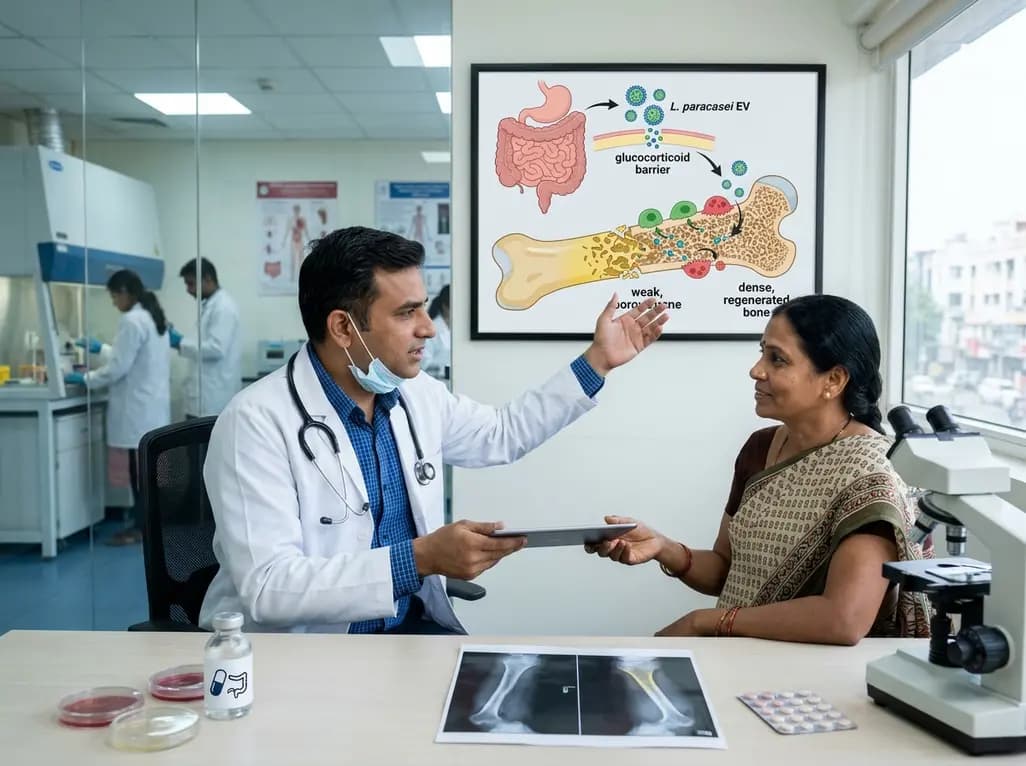
A novel oral nanoplatform using Lacticaseibacillus paracasei-derived extracellular vesicles delivers alendronate, reversing glucocorticoid-induced bone loss and restoring gut-immune-bone homeostasis.
Today

A rare presentation of cervical villoglandular adenocarcinoma metastasizing to the ovary mimicked a borderline ovarian tumor. Multimodal testing with immunohistochemistry and HPV16 DNA confirmed metastatic origin, guiding optimal surgical and chemoradiotherapy intervention.
Today
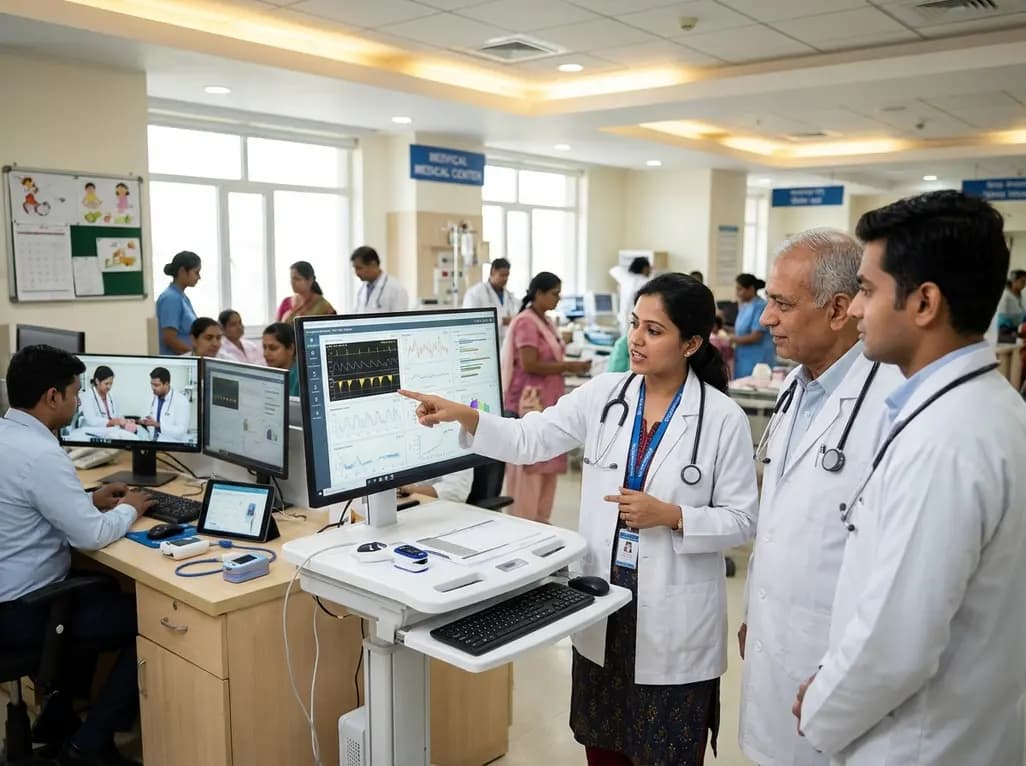
A landmark study details how an enterprise pediatric remote patient management model expanded from a single cardiology pilot to 16 diverse specialty programs by combining centralized digital operations with specialty clinical leadership.
Yesterday
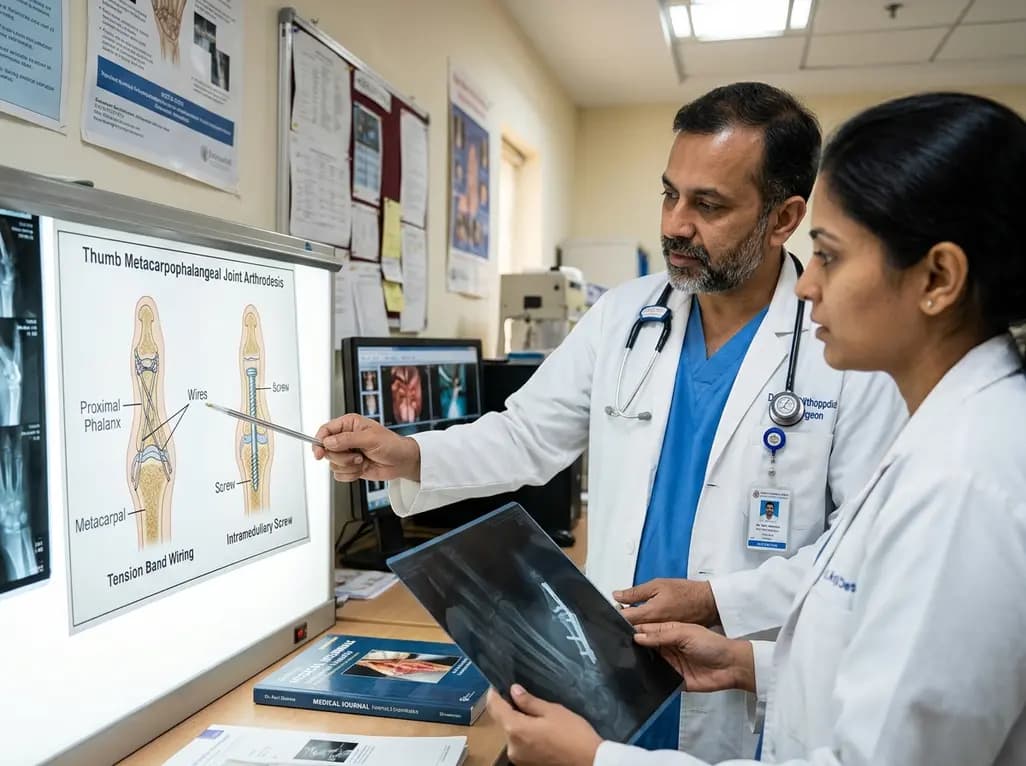
A comparative review of tension band wiring and intramedullary screw fixation in thumb metacarpophalangeal arthrodesis, evaluating union rates, hardware complications, and clinical outcomes.
Yesterday
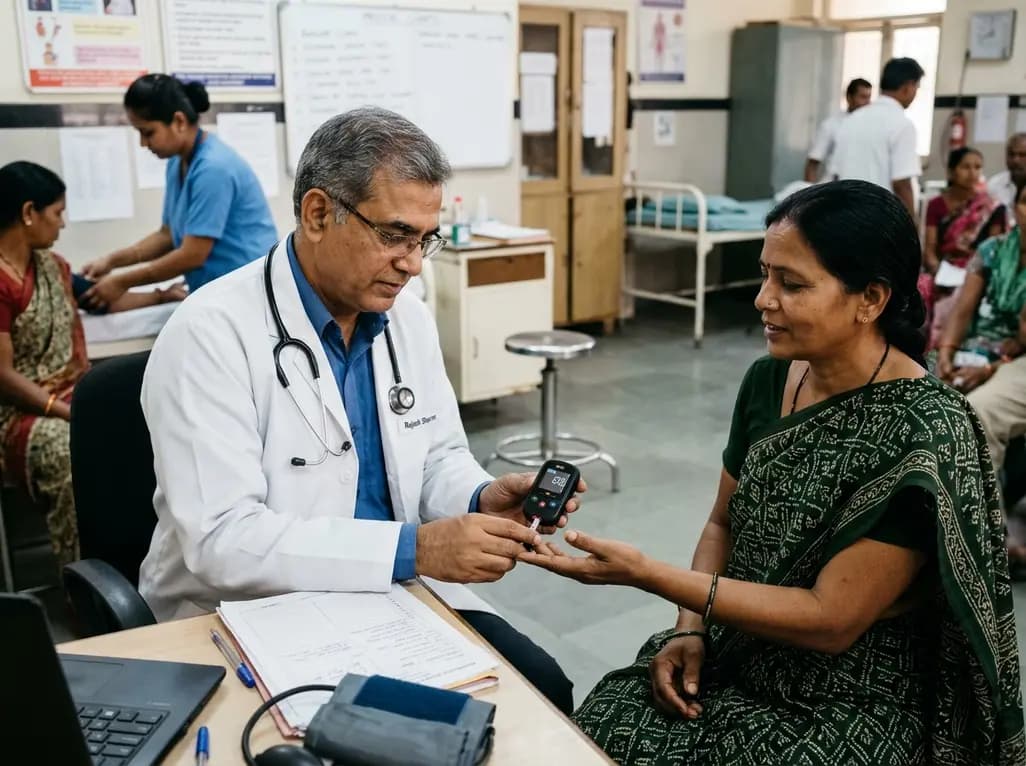
A real-world trial evaluating a near-infrared spectroscopy noninvasive glucose monitoring device in adults with type 2 diabetes demonstrated a combined MAD/MARD of 16.3 across 2,616 paired readings, highlighting its clinical feasibility.
Today
