

Loading, please wait...
Loading, please wait...

Modern diagnostic laboratories rely heavily on high-throughput sequencing technologies, making the understanding of bioinformatics in clinical microbiology indispensable for clinicians and laboratory scientists. However, traditional didactic lectures often fail to convey complex algorithmic principles, leading to decreased learner enthusiasm. Medical educators are therefore implementing innovative gamification strategies that blend interactive problem solving with rigorous molecular concepts to equip healthcare trainees with vital diagnostic competencies.
Clinical microbiology is currently undergoing a transformative genomic revolution. Routine diagnostic workflows now frequently incorporate whole genome sequencing, metagenomics, and phylogenetic analyses to identify elusive pathogens. Consequently, modern microbiologists must decipher complex genomic datasets to manage patient care effectively. For instance, genomic surveillance identifies novel antimicrobial resistance mutations and tracks hospital-acquired outbreak clusters with unprecedented precision. Nevertheless, traditional medical curricula rarely provide adequate computational training. Many undergraduate students and clinical residents find sequence alignments and bioinformatics algorithms intimidating and conceptually detached from bedside care. This computational skill gap can hinder timely outbreak investigations during clinical emergencies. Therefore, academic medical institutions must modernize their instructional methodologies. Integrating practical computational exercises into microbiology training empowers future clinicians to evaluate molecular reports critically, ensuring that healthcare providers utilize pathogen genomic data safely in routine clinical care.
Medical education has progressively shifted away from passive lectures toward active, learner-centered pedagogy. In particular, serious games and educational escape rooms have gained substantial popularity across diverse health professions. These gamified environments place learners in immersive, time-limited scenarios that require teamwork, critical deduction, and rapid synthesis of scientific concepts. Furthermore, game mechanics such as mystery storylines, progressive puzzle unlocking, and peer collaboration substantially boost intrinsic motivation. When applied to abstract disciplines like computational biology, serious games demystify complex software through simulated clinical investigations. Instead of memorizing isolated algorithms, participants actively apply sequencing databases to solve realistic diagnostic dilemmas. Additionally, the low-stakes environment encourages intellectual experimentation and diminishes the intimidation commonly associated with bioinformatics tools. Consequently, gamification provides a versatile framework for teaching intricate laboratory workflows while fostering collaborative communication among interprofessional healthcare cohorts.
To evaluate the pedagogical impact of gamification, investigators developed BioDecryptors, an innovative educational escape game targeting bioinformatics competencies. Specifically, researchers conducted a prospective before-and-after study between January and September 2025 across multiple French academic medical centers. The study enrolled 55 volunteers, comprising 22 undergraduate medical students and 33 postgraduate medical doctors and pharmacists. Participants collaborated dynamically in small teams of three to four individuals, working through customized modules adapted to their training levels. The curriculum introduced fundamental principles of microbial genomic sequencing, variant detection, and phylogenetic interpretation within a gamified narrative. To measure learning outcomes objectively, investigators administered two distinct ten-item knowledge tests before and immediately after the game. In addition, participants completed a validated twelve-item questionnaire to assess motivation. Investigators then analyzed knowledge changes using paired statistical tests and adjusted motivation parameters with Benjamini-Hochberg corrections, ensuring rigorous educational evaluation.
The quantitative findings of the BioDecryptors prospective trial demonstrated remarkable educational efficacy across all learner cohorts. Participants across both undergraduate and postgraduate groups achieved statistically significant improvements in their post-intervention knowledge assessments. Medical students showed substantial progress in understanding basic sequencing mechanics and identifying microbial species from raw genetic data. Similarly, postgraduate residents and clinical pharmacists demonstrated advanced proficiency in navigating phylogenetic trees, identifying critical drug resistance mutations, and interpreting complex metagenomic panels. Because the intervention utilized two distinct testing instruments covering identical learning objectives, score increases reflected genuine conceptual acquisition rather than simple test memorization. Moreover, participants reported exceptionally high satisfaction with the structured team-based format. These robust outcomes confirm that gamified active learning delivers rigorous academic content without compromising scientific depth. Consequently, serious escape games represent a proven, scalable pedagogical modality capable of reinforcing essential laboratory competencies across medical training.
Beyond objective knowledge acquisition, the BioDecryptors study highlighted significant improvements in self-reported learner motivation and professional engagement. Analyzing the questionnaire revealed notable increases across key motivational domains, even after rigorous statistical adjustments for multiple comparisons. Learners highlighted that the collaborative nature of the escape game reduced the intellectual stress typically associated with learning bioinformatics. Instead of working in isolation, participants shared cognitive loads, debated analytical hypotheses, and solved computational puzzles collectively. This team dynamic directly mirrors authentic hospital outbreak investigations, where clinical microbiologists, infectious disease specialists, and epidemiologists must work together seamlessly. Furthermore, post-activity evaluations revealed that participants felt significantly more confident in approaching genomic literature and laboratory reports independently. Therefore, gamified learning environments do more than impart technical facts; they cultivate professional communication, foster camaraderie, and nurture positive attitudes toward evolving diagnostic technologies.
The successful implementation of BioDecryptors carries profound implications for global healthcare systems, including India, where antimicrobial resistance presents an escalating challenge. In modern healthcare settings, rapid pathogen identification and genomic surveillance are essential to curb hospital-acquired infections and monitor resistant bacterial clones. National programs, such as the Indian Council of Medical Research antimicrobial surveillance network, increasingly utilize whole genome sequencing to track multi-drug resistant pathogens. However, the lack of widespread bioinformatics literacy among clinical staff creates severe bottlenecks in translating genomic data into actionable patient interventions. Incorporating gamified educational tools into medical college curricula and postgraduate residency programs can bridge this critical gap effectively. Because digital escape rooms require minimal hardware, academic medical centers can readily implement them in diverse resource settings. Ultimately, training clinicians to interpret genomic data through engaging simulations strengthens hospital infection control, enhances diagnostic accuracy, and promotes responsible antimicrobial stewardship worldwide.
Gamified escape activities combine immersive storytelling with hands-on problem solving, transforming abstract computational data into engaging clinical challenges. Consequently, learners work cooperatively to decrypt genetic sequences and decipher phylogenetic trees under simulated time constraints. This collaborative dynamic stimulates active recall, improves contextual understanding, and significantly reinforces cognitive retention. Furthermore, immediate diagnostic feedback helps medical trainees quickly identify knowledge gaps while sustaining enthusiasm for complex microbiological workflows.
Computational microbiology plays an indispensable role in tracking pathogen transmission, detecting antimicrobial resistance mutations, and investigating hospital outbreaks. Therefore, clinicians must confidently interpret whole genome sequencing reports and phylogenetic trees to make timely therapeutic decisions. Possessing these foundational analytical skills allows infectious disease specialists to tailor precision antimicrobial regimens. Additionally, this computational literacy bridges the communication gap between molecular laboratories and bedside clinical practitioners during critical health crises.
Academic institutions can easily adopt serious games by utilizing accessible digital platforms, free bioinformatics software, and open-source genomic datasets. Faculty members should carefully tailor the puzzle complexity to match learner training levels, ensuring structured alignment with core curriculum objectives. Moreover, combining short debriefing discussions with peer-led problem solving maximizes educational outcomes. As a result, even resource-limited teaching hospitals can provide engaging, high-yield molecular microbiology training without requiring expensive specialized infrastructure.
Disclaimer: This content is for informational and educational purposes only, and should not be taken as professional medical advice. Always consult a qualified healthcare provider for personal health concerns. Refer to the latest local and national guidelines for clinical practice.
References

Read summarized clinical updates, watch expert medical content, and earn CME certifications right from your smartphone.
Open your smartphone camera to scan and install.





A prospective study evaluated BioDecryptors, an innovative educational escape game designed to teach bioinformatics in clinical microbiology. The game substantially enhanced knowledge retention, diagnostic motivation, and practical engagement among undergraduate and postgraduate medical and pharmacy trainees.
Today

A study in aged rats reveals that caloric restriction broadly upregulates adipose macrophage genes, whereas concurrent endurance training buffers this response. Despite these tissue-level transcriptional changes, systemic glycemic and lipid markers remain unchanged, highlighting the complexity of geriatric metabolism.
Today
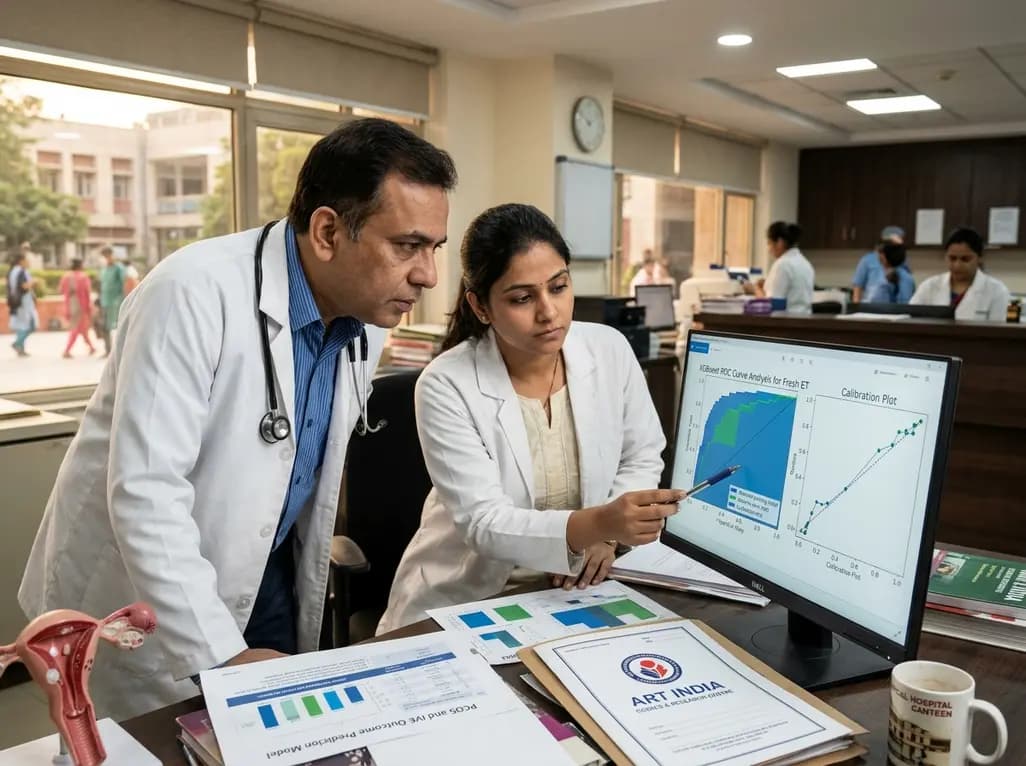
A multicenter study evaluates an XGBoost machine learning model to predict miscarriage risk in PCOS after fresh embryo transfer. While discrimination was strong internally, cross-cohort calibration drift emphasizes its role as a risk-ranking tool rather than a standalone diagnostic instrument.
Today

A landmark study reveals structured variation in daily emotional experiences using mobile cardiac monitoring and machine learning. Uncovering a many-to-many mapping between autonomic states and feelings, this research offers key insights for managing psychosomatic and psychiatric conditions in clinical practice.
Today
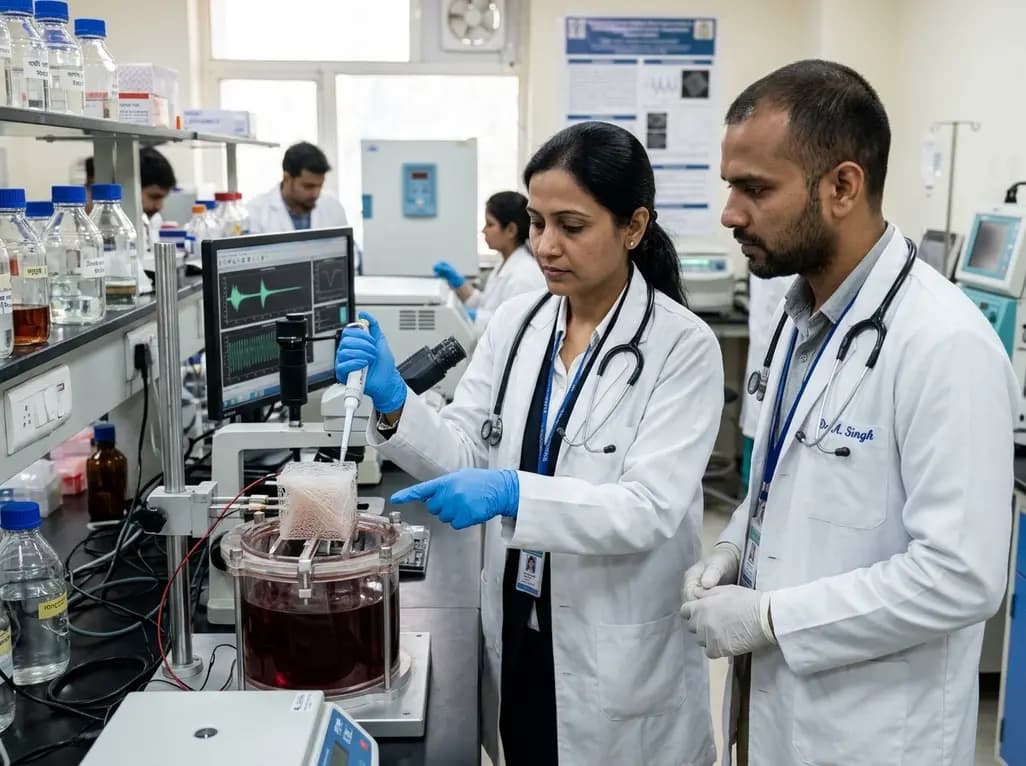
Engineered 3D piezoelectric PHBV scaffolds generate electrical charges during mechanical strain, mimicking native muscle electromechanics to promote cellular alignment, myogenic differentiation, and functional tissue repair in severe volumetric muscle loss.
Today
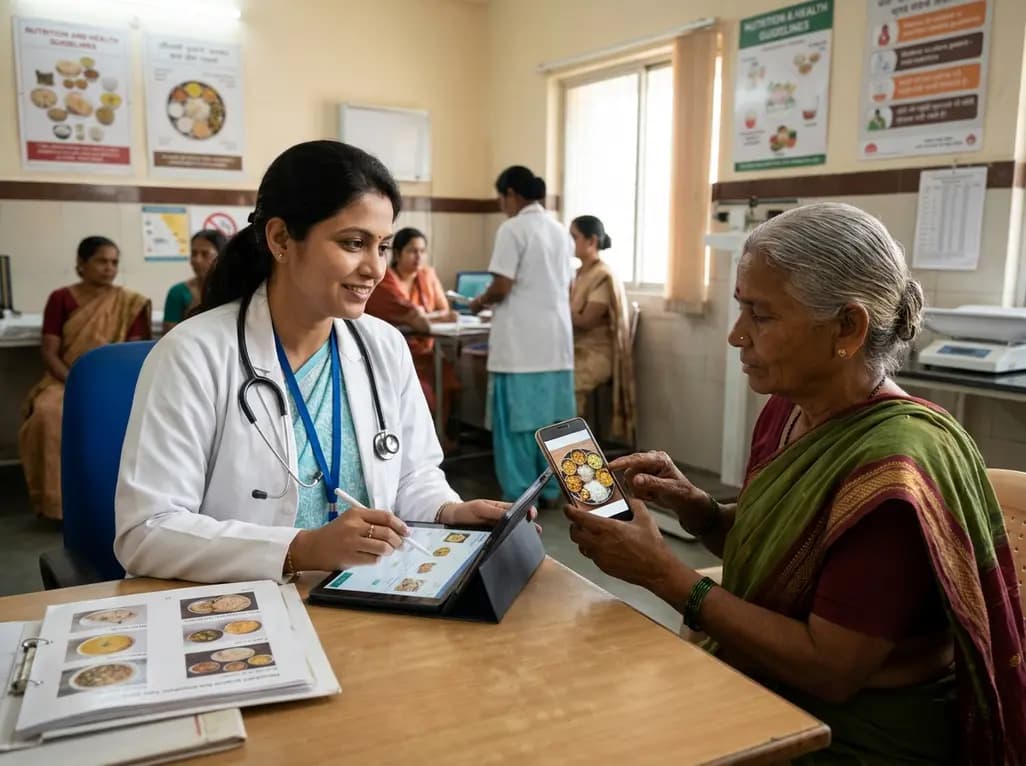
A recent study highlights that pairing photograph-assisted 24-hour recalls with regional food databases significantly boosts dietary assessment accuracy. This methodology reduces cultural bias and strengthens nutrient tracking, offering crucial lessons for clinicians managing nutritional care in diverse populations.
Today
