.webp&w=384&q=75)

Loading, please wait...
Loading, please wait...

Researchers at the Indian Institute of Science have developed a revolutionary biodegradable bile duct stent to improve outcomes in liver transplant patients. This collaboration between materials engineers and surgeons addresses a critical gap in postoperative care. Consequently, patients may avoid invasive secondary procedures previously required for stent removal.
Conventional stents often necessitate a second surgery for removal after the bile duct heals. However, the new "Asthana Stent" utilizes polydioxanone (PDS), which is a polymer that naturally breaks down in the body. Furthermore, the device maintains its structural integrity for six weeks. This timeline matches the critical healing window for biliary anastomoses. Moreover, the design features surface ridges and hooks to prevent migration within the duct.
Engineers at IISc tested the device under rigorous conditions to ensure safety. Specifically, the stent withstands over 16 Newtons of pressure, which exceeds standard physiological demands. Additionally, tiny radiopaque markers allow surgeons to monitor the stent via X-ray. Therefore, clinicians can track placement without invasive imaging. The CDSCO will now oversee the regulatory approval process for this Indian-made medical device. Advanced Medtech Solutions has licensed the technology for manufacturing.
Q1: How long does the Asthana Stent stay in the body?
The stent remains structural for approximately six weeks before it gradually dissolves and is absorbed by the body.
Q2: Why is a biodegradable stent better than traditional options?
Traditional stents require a second invasive procedure for removal, whereas biodegradable versions eliminate this extra surgery and its associated risks.
Disclaimer: This content is for informational and educational purposes only. It does not constitute medical advice or replace professional judgment. Refer to the latest local and national guidelines for clinical practice.
References

Read summarized clinical updates, watch expert medical content, and earn CME certifications right from your smartphone.
Open your smartphone camera to scan and install.





IISc and surgeons develop the Asthana Stent, a dissolving PDS device that eliminates second surgeries for liver transplant and bile duct patients....
6 months ago
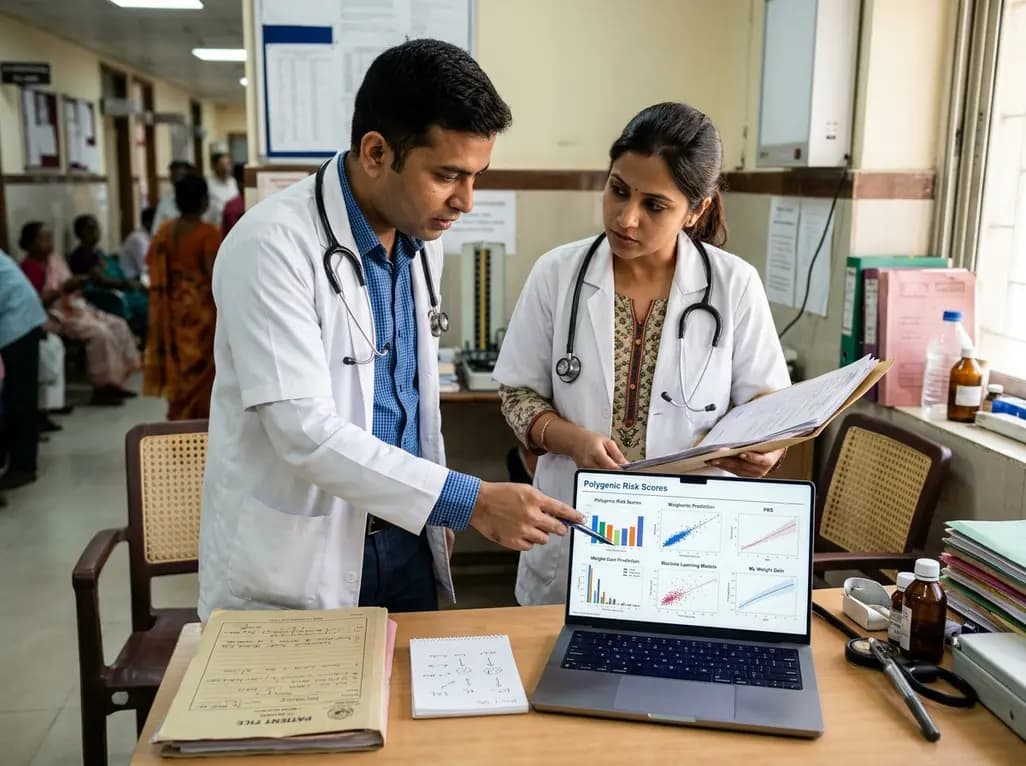
An observational study from the NIH All of Us Research Program reveals that adding a multi-ancestry polygenic risk score to machine learning models provides only modest improvements in predicting adult weight gain, underscoring the enduring significance of routine clinical and lifestyle factors.
Today
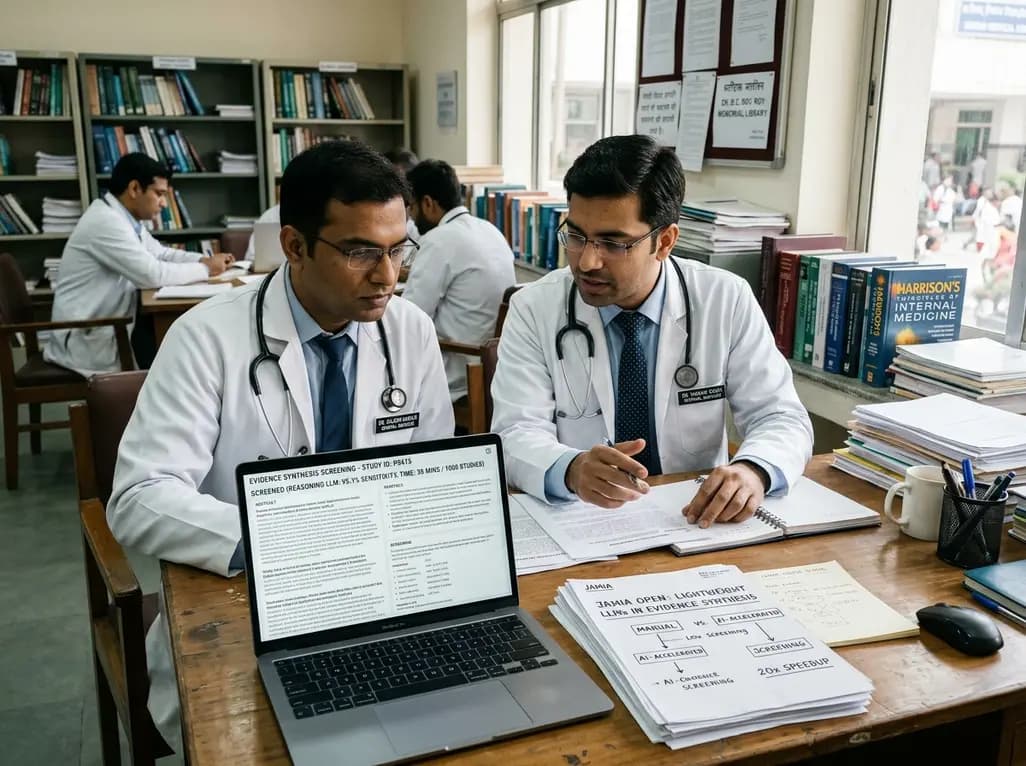
A study in JAMIA Open shows lightweight open-source reasoning LLMs achieve up to 95% sensitivity and accelerate evidence synthesis screening by nearly twentyfold, presenting a cost-effective, scalable AI solution for biomedical research and systematic reviews.
Today
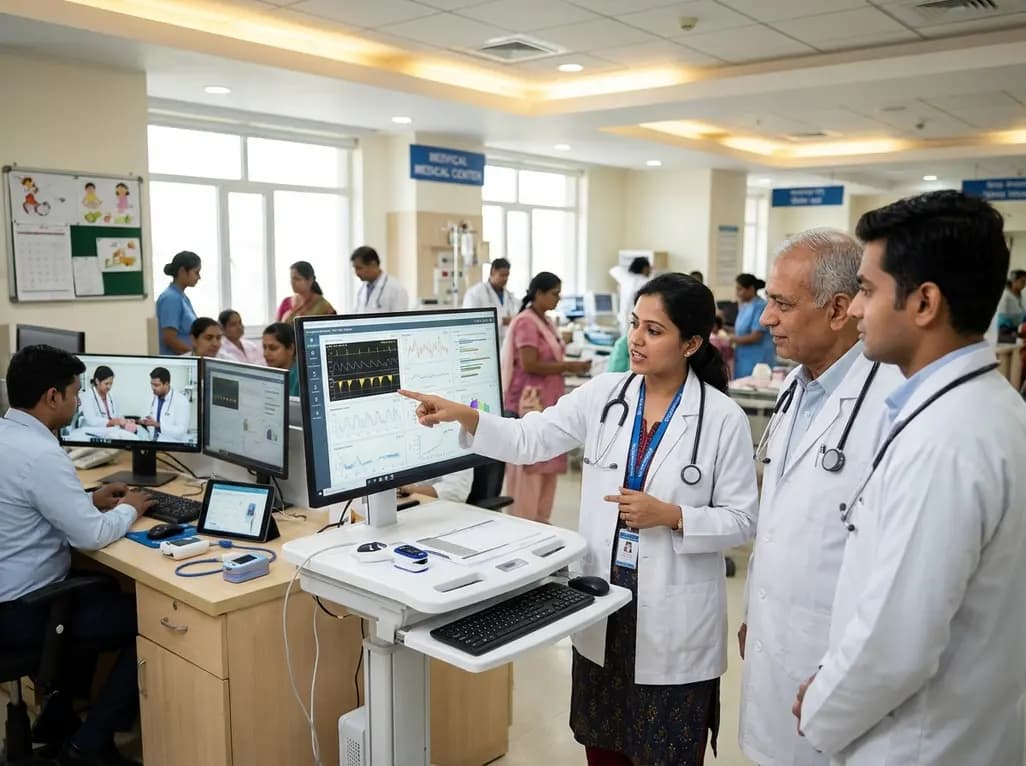
A landmark study details how an enterprise pediatric remote patient management model expanded from a single cardiology pilot to 16 diverse specialty programs by combining centralized digital operations with specialty clinical leadership.
Today
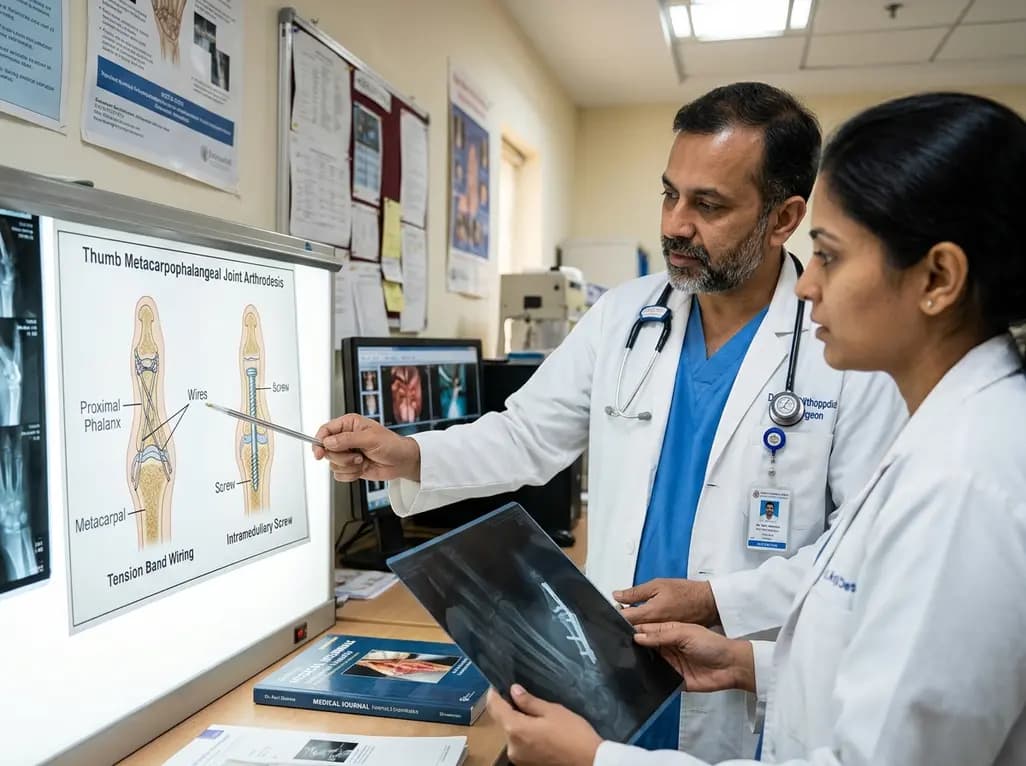
A comparative review of tension band wiring and intramedullary screw fixation in thumb metacarpophalangeal arthrodesis, evaluating union rates, hardware complications, and clinical outcomes.
Yesterday
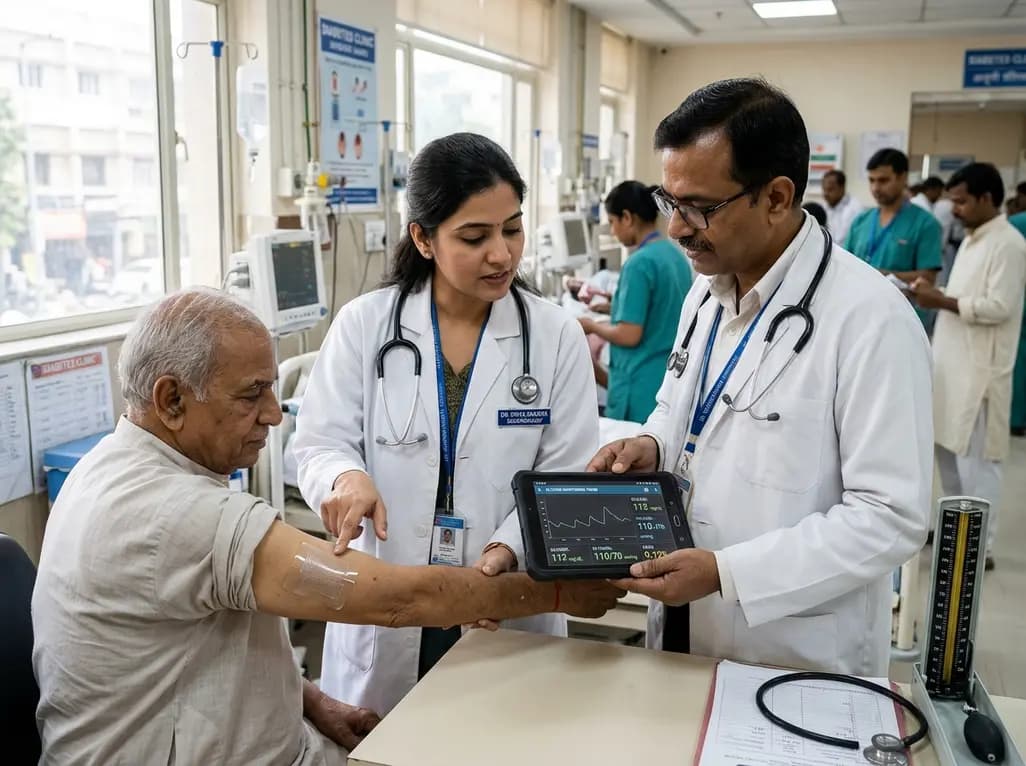
A breakthrough ultrathin multimodal sensor decouples physical hemodynamic monitoring from disposable electrochemical calibration, achieving long-term wearable glucose prediction with 81.36% accuracy and a 9.12% MARD. This offers a robust, drift-free solution for outpatient metabolic surveillance.
Yesterday
