.webp&w=384&q=75)

Loading, please wait...
Loading, please wait...

Brain-machine interfaces (BMI) rely on implantable devices to decode neural activity, yet traditional rigid materials often fail over time. To address this, researchers have developed flexible neural probes using commercial flexible printed circuit board (FPCB) technology. These devices aim to resolve the mechanical mismatch between stiff electrodes and soft brain tissue, which typically triggers a foreign body response. By integrating a biocompatible lubricant coating, these probes offer a promising solution for chronic neurological research and clinical applications.
The innovation lies in combining the FPCB manufacturing process with a specialized surface treatment. Because FPCB materials are inherently pliable, they minimize the shearing forces that occur during natural brain movement. Furthermore, the biocompatible lubricant coating significantly reduces insertion friction and increases hydrophobicity. Consequently, this design prevents water ingress, which maintains the probe's electrical insulation and ensures high signal-to-noise ratios over several months. Additionally, the scalable nature of FPCB production means these flexible neural probes can be manufactured cost-effectively for large-scale clinical use.
Experimental results from mouse hippocampal implants demonstrate the clinical potential of this technology. Specifically, immunohistochemical analysis showed a significant reduction in astrocytic and microglial activation markers, such as GFAP and Iba1. In contrast to uncoated controls, the lubricant-coated probes maintained stable signal quality for several weeks without eliciting a severe inflammatory response. Therefore, this approach successfully mitigates neuroinflammation while preserving the biological interface required for high-fidelity recording.
Conventional probes are usually made of rigid silicon or metal, which creates a mechanical mismatch with soft brain tissue. This mismatch leads to chronic inflammation and the formation of a glial scar, which eventually insulates the electrode from nearby neurons.
The lubricant coating reduces friction during the initial implantation, which limits acute tissue damage. It also provides a hydrophobic barrier that prevents bodily fluids from degrading the probe's electrical components, thereby extending its functional lifespan.
Disclaimer: This content is for informational and educational purposes only and does not constitute medical advice, diagnosis, or treatment. Always seek the advice of a qualified healthcare provider regarding any medical condition. Refer to the latest local and national guidelines for clinical practice.
References
Lee H et al. Biocompatible Lubricant-Coated Flexible Neural Probes with Enhanced Long-Term Recording Stability. ACS Appl Bio Mater. 2026 Mar 20. doi: 10.1021/acsabm.5c02232. PMID: 41860566.
Jeong H et al. A Lubricated Nonimmunogenic Neural Probe for Acute Insertion Trauma Minimization and Long-Term Signal Recording. Adv Sci (Weinh). 2021;8(15):2100231. doi: 10.1002/advs.202100231.
Li H et al. Bioinspired flexible electronics for seamless neural interfacing and chronic recording. Nanoscale Adv. 2020;2(8):3095-3102. doi: 10.1039/d0na00323a.

Read summarized clinical updates, watch expert medical content, and earn CME certifications right from your smartphone.
Open your smartphone camera to scan and install.





Researchers develop FPCB-based flexible neural probes with lubricant coatings to reduce neuroinflammation and enhance chronic recording stability in BMIs....
7 months ago

Co-administering antiseizure medications and DOACs frequently causes pharmacokinetic interactions, subtherapeutic drug levels, and thromboembolic failures. This review highlights enzyme induction risks, unpredictable outcomes with levetiracetam, and the vital role of therapeutic drug monitoring.
Today

Demanding exhaustive hormonal profiling can inadvertently discourage clinical studies involving females. Methodological standards must align with the specific scientific question to expand, not restrict, equitable evidence for women.
Today
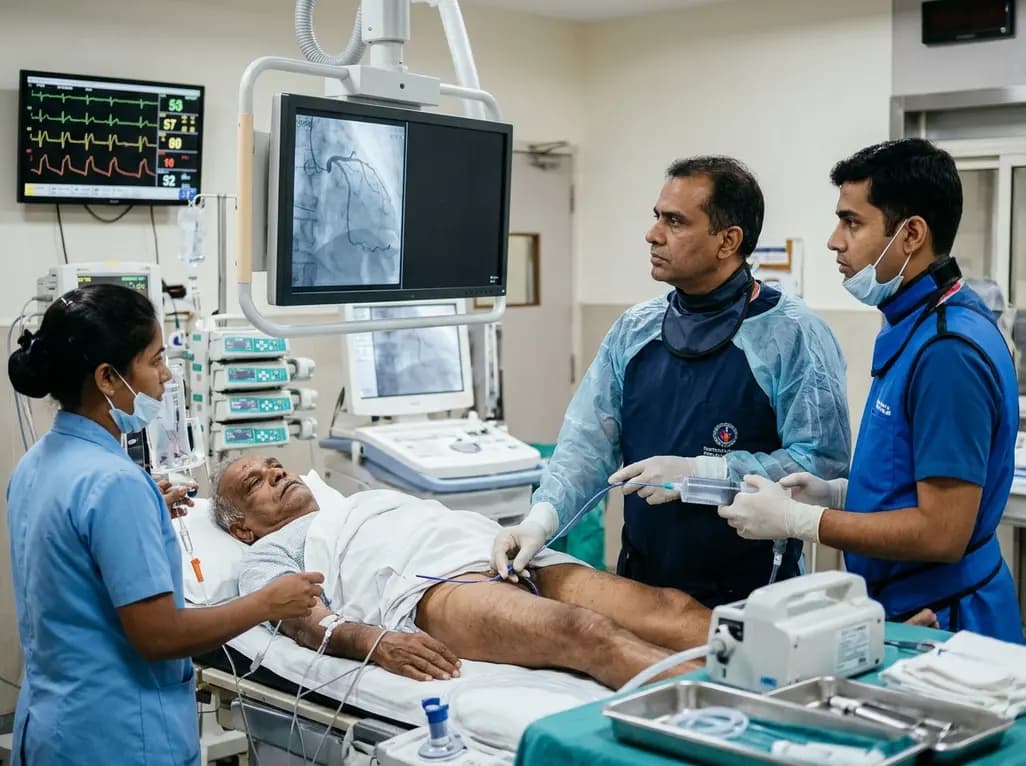
An elderly man with partially repaired Tetralogy of Fallot presented with STEMI caused by coronary embolism rather than atherosclerosis. Successful treatment with sustained mechanical aspiration thrombectomy underscores the vital need for high clinical vigilance in adult congenital heart disease.
Today

A comparative review of tension band wiring and intramedullary screw fixation in thumb metacarpophalangeal arthrodesis, evaluating union rates, hardware complications, and clinical outcomes.
Today
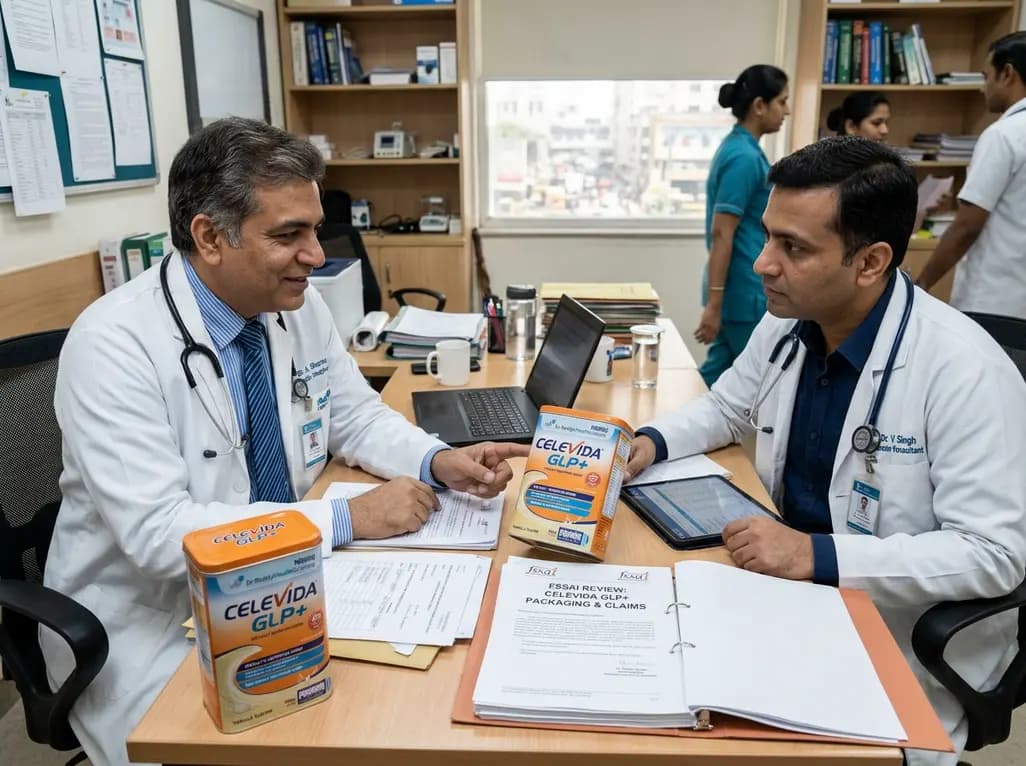
Following regulatory scrutiny from FSSAI regarding promotional representations and lean muscle preservation claims, Dr. Reddy's Laboratories and Nestlé Health Science are currently reviewing the branding and marketing strategy for their joint nutritional supplement Celevida GLP+.
Today
