

Loading, please wait...
Loading, please wait...

Scientists have identified a potentially groundbreaking treatment for cisplatin-resistant lung cancer using compounds derived from a mangrove-associated fungus. The study focused on Aspergillus sp. H6a, which yielded eighteen distinct compounds. Researchers isolated four new naphtho-γ-pyrone dimers, named aurasperones I-L, alongside various monomeric precursors. This discovery significantly expands our understanding of chemical diversity within mangrove-derived species.
Notably, the research team evaluated the cytotoxicity of these compounds against A549 cancer cells. Consequently, Compound 10 emerged as the most potent candidate. It demonstrated an IC50 value of 11.27 µM, which is highly comparable to the standard chemotherapy drug cisplatin. Furthermore, the compound maintained its effectiveness against DDP-resistant A549 cells. While cisplatin's efficacy dropped significantly in resistant cells, Compound 10 retained a potent IC50 of 12.58 µM. Additionally, using Compound 10 in combination with cisplatin further enhanced the overall inhibitory effect.
Moreover, these findings highlight the potential for natural products to bypass established drug resistance mechanisms. Therefore, Compound 10 represents a promising lead for future oncological therapies. However, translating these in vitro results into clinical practice for patients requires further study. Specifically, spectroscopic data and ECD analysis confirmed the absolute configurations of these complex compounds.
Compound 10 is significant because it maintains high potency against cancer cells that have developed resistance to cisplatin. It also enhances the effects of cisplatin when used as a combination therapy.
Researchers isolated the compound from Aspergillus sp. H6a. This is an endophytic fungus that lives within mangrove-associated environments.
Disclaimer: This content is for informational and educational purposes only and does not constitute medical advice. It is not intended to be a substitute for professional medical advice, diagnosis, or treatment. Always seek the advice of your physician or other qualified health provider with any questions you may have regarding a medical condition. Refer to the latest local and national guidelines for clinical practice.
References
Zheng X et al. Bioactive Pyranones Isolated From the Mangrove-Associated Endophytic Fungus Aspergillus sp. H6a. Chem Biodivers. 2026 Jun undefined. doi: 10.1002/cbdv.71376. PMID: 42218802.
Ancheeva E, Daletos G, Proksch P. Bioactive secondary metabolites from endophytic fungi. Curr Med Chem. 2020;27(11):1836-1854.
Zheng R, Li S, Zhang X, Zhao C. Biological activities of some new secondary metabolites isolated from endophytic fungi: A review study. Int J Mol Sci. 2021;22(2):959.

Read summarized clinical updates, watch expert medical content, and earn CME certifications right from your smartphone.
Open your smartphone camera to scan and install.





New research identifies bioactive pyranones from a mangrove fungus that show potent activity against cisplatin-resistant lung cancer cells....
4 months ago
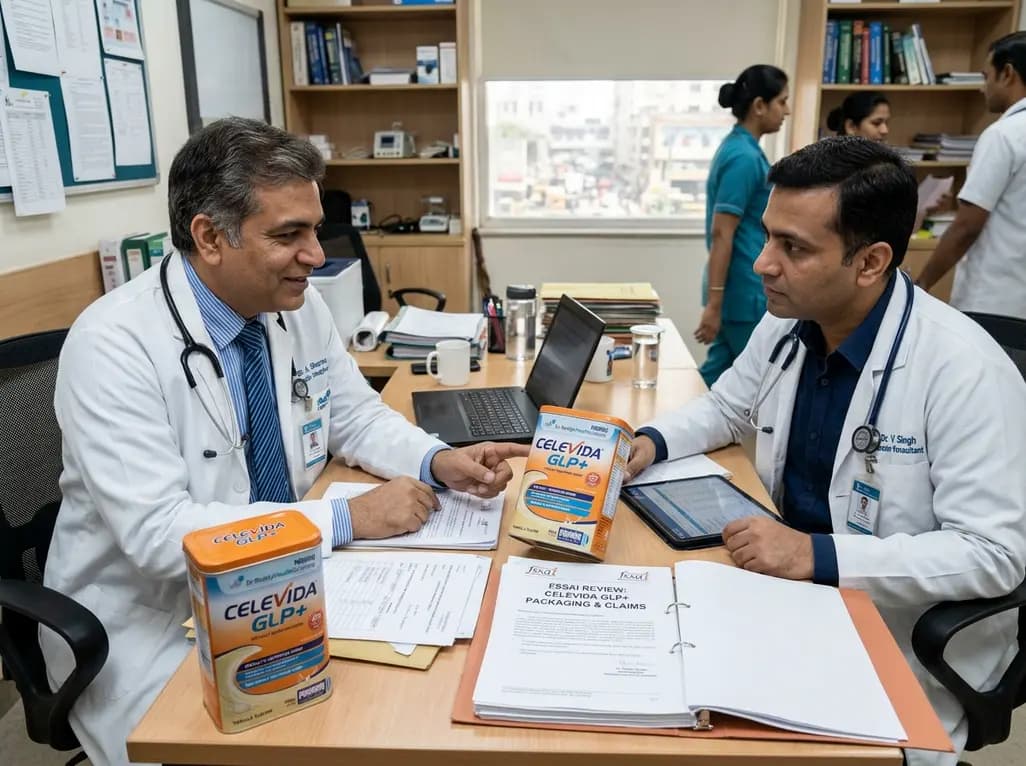
Following regulatory scrutiny from FSSAI regarding promotional representations and lean muscle preservation claims, Dr. Reddy's Laboratories and Nestlé Health Science are currently reviewing the branding and marketing strategy for their joint nutritional supplement Celevida GLP+.
Today

Demanding exhaustive hormonal profiling can inadvertently discourage clinical studies involving females. Methodological standards must align with the specific scientific question to expand, not restrict, equitable evidence for women.
Today
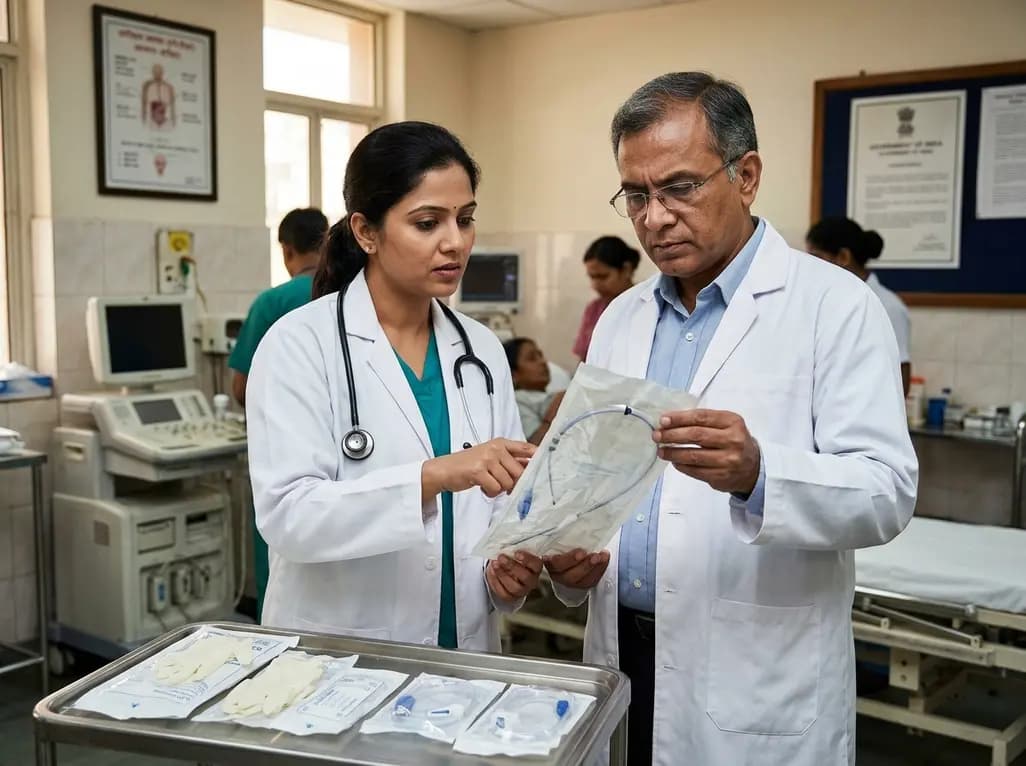
The Directorate General of Health Services directs Indian states to halt the hazardous reuse and reprocessing of single-use medical devices. Discover regulatory implications under the Drugs and Cosmetics Act, critical infection risks, legal liabilities, and operational changes required across clinical specialties.
Today
A novel calcium polyphosphate coacervate enables injectable bone implants with in situ hierarchical porosity via phase separation and gas foaming, significantly enhancing cell proliferation, energy metabolism, and osteogenic differentiation for minimally invasive bone defect repair.
Today
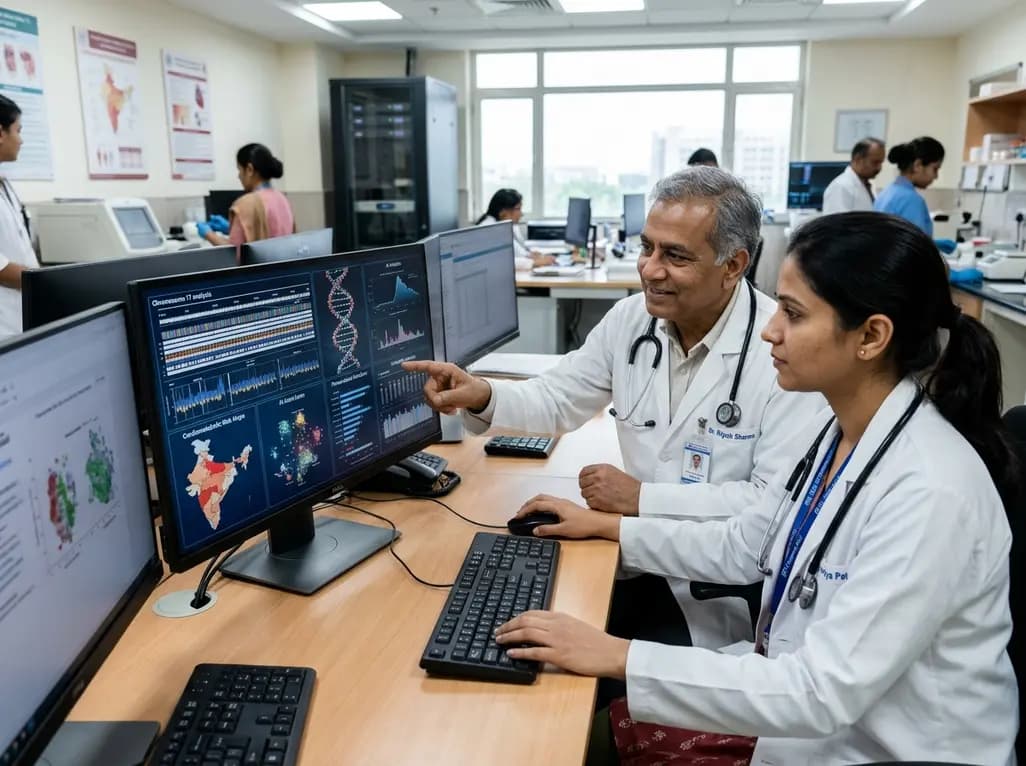
India is advancing preventive healthcare by integrating genomics, artificial intelligence, and quantum technologies. With the SANGAM programme sequencing one million Indian genomes, clinicians can unlock personalized therapies, detect cardiometabolic risks early, and curb the burden of diabetes and heart disease.
Today
