.webp&w=384&q=75)

Loading, please wait...
Loading, please wait...
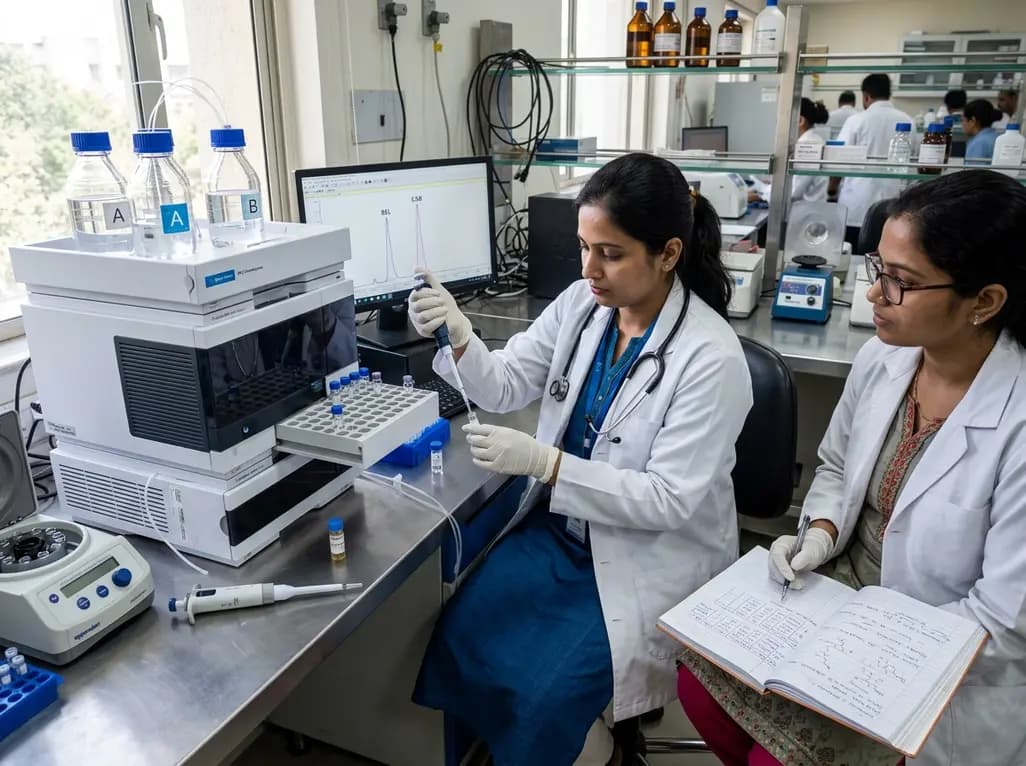
The management of advanced clear cell renal cell carcinoma has evolved substantially with the introduction of novel targeted agents. Clinicians frequently encounter severe exposure-dependent toxicities when prescribing modern oral antineoplastic therapies. Consequently, accurate belzutifan and cabozantinib quantification has emerged as a crucial necessity for individualized patient care. Belzutifan acts as a selective hypoxia-inducible factor-2 alpha inhibitor, whereas cabozantinib functions as a potent multi-targeted receptor tyrosine kinase inhibitor. Because both agents display considerable pharmacokinetic variability, clinicians must carefully navigate the delicate balance between maximum therapeutic efficacy and debilitating adverse events. Patients frequently experience fatigue, severe hypertension, hand-foot syndrome, and progressive anemia during long-term therapy. Therefore, establishing a reliable bioanalytical tool to measure drug concentrations simultaneously within human plasma addresses a long-standing unmet clinical need. By enabling precise plasma concentration measurements, oncologists can fine-tune dosing regimens proactively. Furthermore, routine therapeutic monitoring prevents catastrophic drug accumulation in susceptible patients while sustaining optimal therapeutic pressure on malignant lesions. This modern analytical breakthrough promises to elevate clinical safety standards and therapeutic outcomes significantly.
Targeted therapies have undoubtedly reshaped the therapeutic landscape for advanced urological malignancies. However, systemic toxicity often compromises long-term patient adherence and overall treatment outcomes. Cabozantinib exhibits substantial inter-individual pharmacokinetic variability, which frequently causes severe gastrointestinal toxicity, severe hypertension, and debilitating palmar-plantar erythrodysesthesia. Similarly, belzutifan administration directly triggers dose-dependent hypoxia-related complications and significant reductions in erythropoietin production, resulting in severe anemia. When clinicians explore combination regimens or sequential therapies, overlapping toxicities present profound management challenges. Therefore, personalized therapeutic drug monitoring offers a systematic method to maintain plasma concentrations within safe therapeutic windows. Traditional empiric dose adjustments rely primarily on subjective clinical assessments after severe toxicity occurs. In contrast, bioanalytical concentration monitoring allows oncologists to adjust dosages proactively before irreversible organ impairment occurs. Moreover, therapeutic drug monitoring helps identify non-adherence, absorption irregularities, and covert drug-drug interactions. Consequently, measuring systemic drug concentrations simultaneously enables oncology teams to preserve optimal quality of life while maintaining robust antitumor efficacy.
Developing a rapid and cost-effective bioanalytical assay requires an optimal balance between technical simplicity and chromatographic robustness. In this novel method, investigators utilized an isocratic high-performance liquid chromatography system coupled with ultraviolet detection at 230 nanometers. The bioanalytical workflow utilizes a minimal plasma volume of merely 50 microliters, making it exceptionally feasible for frail cancer patients. Furthermore, the protocol replaces cumbersome liquid-liquid extraction steps with a straightforward, rapid protein precipitation procedure. Chromatographic separation occurs efficiently on a conventional reversed-phase C18 column maintained under stable ambient conditions. The researchers established an isocratic mobile phase comprising 0.5% potassium dihydrogen phosphate buffer adjusted to pH 4.5 and acetonitrile in a 47 to 53 ratio by volume. With a constant flow rate of 1.0 milliliter per minute, the assay achieves sharp peak resolution and rapid elution times. Therefore, hospital clinical pharmacology laboratories can execute high-throughput daily sample batches without requiring specialized, ultra-expensive liquid chromatography-tandem mass spectrometry infrastructure.
Comprehensive analytical validation is fundamental before deploying any bioanalytical method into clinical oncology practice. The newly established assay demonstrated remarkable linearity across clinically relevant concentrations for both therapeutic agents. Specifically, the linear calibration range spanned from 50 to 4,000 nanograms per milliliter for belzutifan and from 25 to 4,000 nanograms per milliliter for cabozantinib. In addition, the assay achieved exceptional coefficients of determination exceeding 0.9998, confirming outstanding quantitative accuracy. Precision testing revealed intra-day and inter-day coefficients of variation below 5.41% for belzutifan and below 12.25% for cabozantinib. Furthermore, both targeted analytes exhibited exceptional stability across bench-top, short-term, long-term, and repeated freeze-thaw experimental conditions. Importantly, selectivity evaluations confirmed that endogenous plasma proteins caused zero baseline interference. Moreover, testing with six commonly co-administered supportive medications demonstrated no chromatographic interference at the target retention times. Thus, the assay provides robust analytical reliability for routine hospital diagnostics.
Implementing practical therapeutic drug monitoring in community and tertiary cancer centers requires accessible technology and streamlined workflows. Because this high-performance liquid chromatography assay uses standard ultraviolet detection, most clinical hospital laboratories can readily adopt the protocol. Minimal sample volume requirements facilitate routine blood sampling during regular outpatient clinic visits without overburdening compromised patients. Furthermore, rapid turnaround times empower oncology teams to make prompt dosage adjustments before discharging patients home. As combination regimens incorporating hypoxia-inducible factor inhibitors and tyrosine kinase inhibitors become more prevalent, simultaneous drug measurement saves significant diagnostic time and operational expense. In addition, proactive concentration monitoring directly mitigates severe toxicities, preventing unnecessary emergency department visits and costly hospitalizations. Consequently, healthcare systems can optimize overall treatment delivery while protecting vulnerable cancer patients from preventable medication harms. Ultimately, this validated method bridges the critical gap between complex pharmacological research and practical bedside patient care.
The ongoing evolution of systemic oncology treatment demands increasingly versatile analytical methodologies. Clinical trials continue to investigate synergistic drug combinations that concurrently disrupt tumor angiogenesis and intracellular transcriptional adaptation. However, combination regimens inherently carry heightened risks of unpredictable metabolic interactions and cumulative organ toxicity. Therefore, bioanalytical laboratories must establish unified analytical platforms that evaluate multiple targeted molecules simultaneously. This validated chromatographic protocol establishes a strong technical template for multiplexed oral oncolytic monitoring in renal cell carcinoma. Future clinical investigations can utilize this methodology to correlate plasma trough concentrations with objective radiographic response rates and specific adverse event profiles. Furthermore, incorporating population pharmacokinetic modeling alongside routine concentration monitoring will enable precise, algorithm-guided dosing recommendations. Consequently, clinicians will possess the necessary empirical tools to customize targeted therapy dynamically for diverse patient demographics globally.
Both belzutifan and cabozantinib display substantial pharmacokinetic variability and exposure-dependent toxicities in advanced renal cell carcinoma patients. Because these oral targeted therapies produce serious adverse effects like anemia and severe hypertension, measuring both drug concentrations simultaneously allows clinicians to optimize therapeutic efficacy. Consequently, oncologists can adjust doses accurately before severe toxicities occur, ensuring continuous disease control while preserving overall patient safety and quality of life.
The simple protein precipitation protocol streamlines sample preparation by using a single-step deproteinization procedure with acetonitrile. This efficient workflow avoids tedious and time-consuming solid-phase or liquid-liquid extraction steps. Furthermore, the assay requires only 50 microliters of human plasma for complete analysis. Consequently, clinical laboratories can process outpatient blood samples rapidly, enabling same-day concentration results and timely therapeutic dose adjustments during routine clinical appointments.
No, comprehensive analytical validation proved that endogenous plasma components and six commonly co-prescribed supportive medications do not interfere with chromatographic detection. The optimized mobile phase and C18 column provide clean baseline resolution and distinct retention times at 230 nanometers. Therefore, clinicians can confidently measure plasma drug levels without concern that concomitant supportive drugs will distort analytical accuracy or produce false readings.
Disclaimer: This content is for informational and educational purposes only and should not be considered medical advice. Always consult a qualified healthcare professional regarding any medical condition or treatment. Refer to the latest local and national guidelines for clinical practice.
References
1. Gando Y et al. Simultaneous determination of belzutifan and cabozantinib, oral agents for renal cell carcinoma, in human plasma using high-performance liquid chromatography. Drug Discov Ther. 2026 Aug 26. doi: 10.5582/ddt.2026.01033. PMID: 42649089.
2. Motzer RJ, Jonasch E, Agarwal N, et al. Belzutifan-lenvatinib versus cabozantinib after checkpoint inhibitors in advanced renal cell carcinoma: LITESPARK-011. J Clin Oncol. 2026;44(12):1420-1431.
3. Choueiri TK, Bauer TM, McDermott DF, et al. Belzutifan plus cabozantinib for patients with advanced clear cell renal cell carcinoma: results from the phase 2 LITESPARK-003 study. Lancet Oncol. 2023;24(5):540-552.
4. Iida K, Sato Y, Tanaka M, et al. Quantitative determination of plasma cabozantinib concentration using HPLC-UV and its application to patients with renal cell carcinoma. J Chromatogr B Analyt Technol Biomed Life Sci. 2023;1224:123735.

Read summarized clinical updates, watch expert medical content, and earn CME certifications right from your smartphone.
Open your smartphone camera to scan and install.





Researchers have validated a rapid, simple HPLC-UV assay to simultaneously measure belzutifan and cabozantinib in human plasma. Requiring only 50 µL of plasma, this reliable method enables effective therapeutic drug monitoring to prevent exposure-dependent toxicities in advanced renal cell carcinoma.
last month

New research reveals that amylin receptor signalling in the laterodorsal tegmental nucleus controls food intake through inhibitory projections to the ventral tegmental area. This study demonstrates how midbrain reward circuits regulate feeding, presenting crucial targets for next-generation obesity pharmacotherapy.
Today

A ten-year cohort study of ABU case logs reveals that URPS fellowship training significantly drives higher annual case volumes, advanced surgical complexity, and increased female representation in pelvic floor reconstruction, underscoring the vital need for structured subspecialty training.
Today
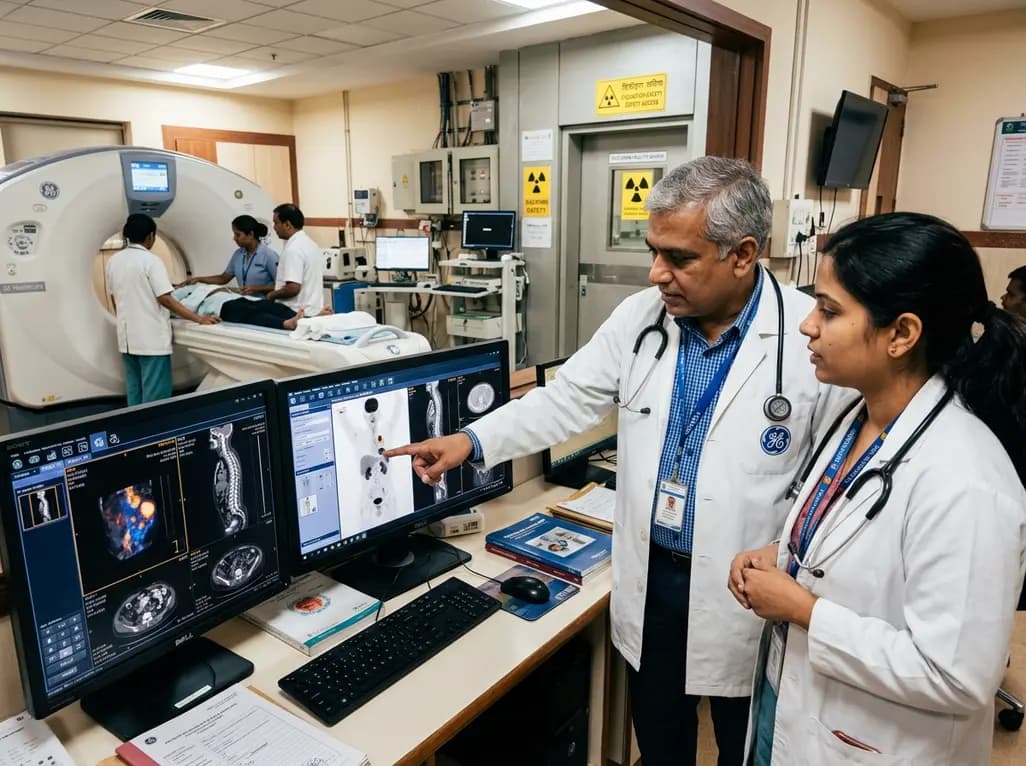
GE HealthCare has agreed to acquire Sofie Biosciences in a 945 million dollar all-cash transaction. The deal secures global rights to the investigational pan-cancer tracer FAPI-74 and expands cyclotron manufacturing infrastructure to accelerate precision theranostics and clinical molecular imaging workflows.
Today

Dual-nanofiber interpenetrating network scaffolds combining silica and PLLA/gelatin nanofibers with sodium alginate achieve complementary mechanical stability, immunomodulatory M2 macrophage polarization, and enhanced osteogenesis for advanced bone repair.
Today

India's food safety authority has cracked down on high-caffeine beverages sold under stimulant branding, prompting legal challenges from major beverage corporations. This review examines FSSAI regulations, cardiac and metabolic complications, pediatric risks, and actionable counseling strategies for physicians.
Today
