.webp&w=384&q=75)

Loading, please wait...
Loading, please wait...
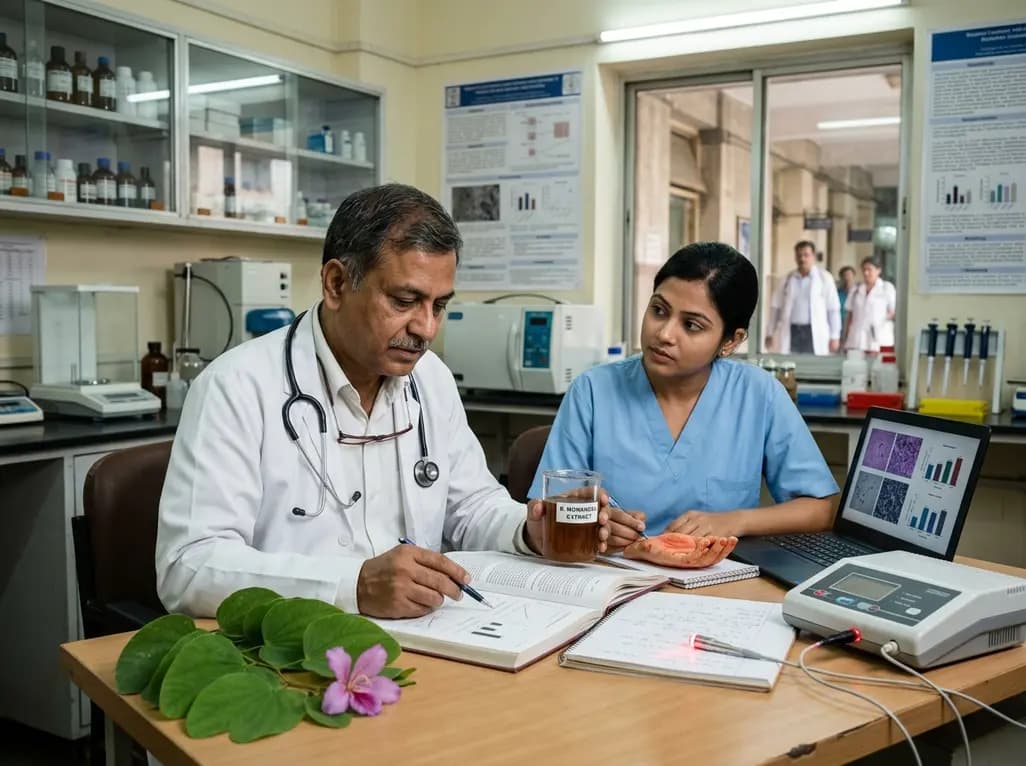
Managing acute inflammation effectively requires therapeutic strategies that minimize systemic side effects while maximizing tissue recovery. Researchers evaluated the ethanolic extract of Bauhinia monandra Kurz alongside low-level laser therapy to identify novel non-pharmacological and botanical synergies. Modern integrative medicine increasingly explores botanical phytoconstituents alongside targeted photobiomodulation to suppress pro-inflammatory cascades. In this experimental model, investigators examined how combining plant bioactive compounds with laser acupuncture anti-inflammatory protocols modulates acute paw edema. Their findings reveal that combining ethanolic extract with precise laser acupuncture generates substantial anti-inflammatory effects that rival conventional corticosteroid treatments.
Before assessing tissue edema in vivo, researchers subjected the ethanolic extract of Bauhinia monandra Kurz to rigorous high-performance liquid chromatography coupled with high-resolution mass spectrometry. This phytochemical profiling confirmed a high concentration of active phenolic compounds, particularly bioactive flavonoids. Consequently, these flavonoids provided strong antioxidant and immunomodulatory properties necessary to neutralize cellular inflammation.
To confirm biological safety, investigators conducted cell viability and nitric oxide assays using RAW 264.7 and J774A.1 macrophage cell lines. Furthermore, exposure to the plant extract demonstrated zero cytotoxicity across tested concentration thresholds. Crucially, the extract significantly suppressed nitric oxide production in activated macrophages. Because nitric oxide acts as a primary signaling molecule during acute vascular swelling, its inhibition indicates strong cellular anti-inflammatory potential. Therefore, these preliminary in vitro findings established a safe, effective biochemical baseline for subsequent animal studies.
Following successful cell culture experiments, researchers tested the therapeutic formulation in female BALB/c mice experiencing acute carrageenan-induced paw edema. Carrageenan injection routinely induces localized vascular leakage, swelling, and rapid leukocyte infiltration. To assess clinical efficacy, animals received oral ethanolic extract at dosages of 100 mg/kg or 200 mg/kg. Furthermore, separate groups received laser acupuncture or local laser irradiation alone.
The laser acupuncture protocol utilized an 808 nm diode laser delivering 120 mW of power and 3 Joules of energy over 25 seconds. Treatment targeted specific anatomical acupoints, namely ST36 (Zusanli) and SP6 (Sanyinjiao). Individually, both the plant extract and laser acupuncture produced statistically significant reductions in paw volume over four hours. However, combining the 200 mg/kg plant extract with laser acupuncture yielded superior outcomes. Consequently, this combined strategy produced an anti-inflammatory effect comparable to standard dexamethasone therapy, proving that dual-modality interventions enhance therapeutic potency.
Acute inflammatory responses depend heavily on the rapid release of major pro-inflammatory cytokines from recruited immune cells. Therefore, measuring cytokine concentrations in tissue homogenates provided critical mechanistic insight into treatment efficacy. Specifically, investigators quantified levels of interleukin-1 beta (IL-1β) and interleukin-6 (IL-6) four hours after carrageenan challenge.
Both single-agent laser acupuncture and high-dose plant extract reduced localized cytokine output. Furthermore, combining the high-dose extract with laser acupuncture resulted in a pronounced downregulation of both IL-1β and IL-6. This suppression matched the therapeutic efficacy observed in the positive control group treated with dexamethasone. Consequently, these results demonstrate that photobiomodulation at acupoints works synergistically with botanical flavonoids to interrupt cytokine signaling pathways. By attenuating upstream inflammatory mediators, the combination therapy effectively halts tissue edema and downstream vascular hyperpermeability.
The remarkable efficacy of laser acupuncture stems from photobiomodulation delivered at recognized anatomical points. Stimulated acupoints ST36 and SP6 regulate systemic immune responses and localized pain processing pathways. Specifically, low-level laser light at 808 nm penetrates superficial tissue to stimulate mitochondrial cytochrome c oxidase. Consequently, cellular adenosine triphosphate production increases, which modulates local microcirculation and reduces vascular permeability.
When combined with local laser application, acupoint laser stimulation triggers neuroendocrine reflex arcs that suppress inflammatory cascades. Meanwhile, phenolic flavonoids from the plant extract scavenge reactive oxygen species and inhibit nuclear factor kappa B activation. Consequently, combining systemic botanical compounds with localized photonic energy produces a dual mechanism of action. This multi-target therapeutic approach attenuates acute swelling far more consistently than single-modality therapies, highlighting the immense value of integrative therapeutic design.
The experimental demonstration of corticosteroid-equivalent anti-inflammatory activity presents exciting possibilities for integrative medical practice. Standard non-steroidal anti-inflammatory drugs and corticosteroids frequently cause adverse gastrointestinal, renal, or metabolic side effects during prolonged use. Therefore, non-pharmacological interventions like laser acupuncture combined with standardized herbal extract represent valuable adjunctive options for acute and chronic inflammatory conditions.
However, clinical translation requires cautious evaluation before healthcare providers adopt these findings into daily practice. The present study focused exclusively on an acute four-hour rodent paw edema model. Consequently, further investigations must evaluate chronic inflammatory models and establish human pharmacokinetic parameters. Furthermore, randomized clinical trials with larger patient cohorts are necessary to confirm clinical safety, optimal dosing protocols, and long-term therapeutic durability. Nonetheless, these findings establish a robust scientific foundation for future research into botanical phototherapy.
The ethanolic extract of Bauhinia monandra Kurz contains a rich concentration of phenolic compounds, specifically bioactive flavonoids. High-performance liquid chromatography and high-resolution mass spectrometry confirmed these active phytoconstituents. Flavonoids exert strong antioxidant and immunomodulatory effects by inhibiting nitric oxide production in activated macrophages and suppressing pro-inflammatory cytokine expression. Consequently, these combined biochemical properties effectively reduce vascular permeability, cellular swelling, and tissue inflammation during acute injury responses.
Laser acupuncture delivers non-invasive photobiomodulation at 808 nm to specific acupuncture points, such as ST36 and SP6. Photonic energy stimulates mitochondrial activity, increases cellular energy production, and modulates local microcirculation. Furthermore, acupoint stimulation triggers neuroendocrine pathways that suppress pro-inflammatory cytokine production, including IL-1β and IL-6. Consequently, laser acupuncture reduces tissue edema and accelerates resolution without causing thermal damage or mechanical discomfort.
In the experimental paw edema model, combining high-dose Bauhinia monandra extract with laser acupuncture produced reductions in tissue swelling and cytokine levels comparable to dexamethasone. While dexamethasone remains a standard corticosteroid treatment, combining botanical flavonoids with targeted photobiomodulation achieved similar anti-inflammatory efficacy. Consequently, this multi-targeted approach offers a promising complementary strategy that minimizes the systemic adverse effects often associated with long-term steroid administration.
Disclaimer: This content is for informational and educational purposes only and does not constitute medical advice, diagnosis, or treatment. Healthcare professionals should rely on their clinical judgment and local regulatory guidelines when interpreting research findings. Refer to the latest local and national guidelines for clinical practice.
References

Read summarized clinical updates, watch expert medical content, and earn CME certifications right from your smartphone.
Open your smartphone camera to scan and install.





Combining Bauhinia monandra extract with laser acupuncture significantly reduces carrageenan-induced paw edema and pro-inflammatory cytokines IL-1β and IL-6, delivering anti-inflammatory efficacy comparable to dexamethasone.
last month
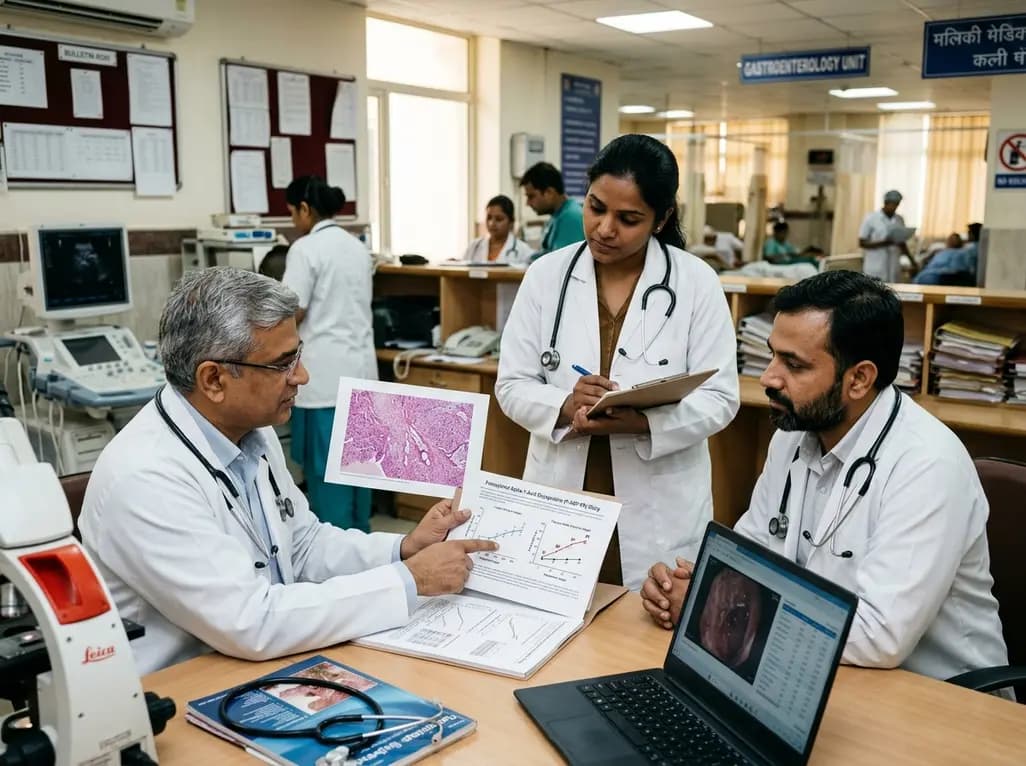
A multicenter clinical study evaluates fucosylated alpha-1-acid glycoprotein (P-AGP-FR) as an accurate noninvasive fibrosis marker in chronic hepatitis B and C, demonstrating strong correlation with histological staging and superior specificity compared to conventional surrogate indices.
Today
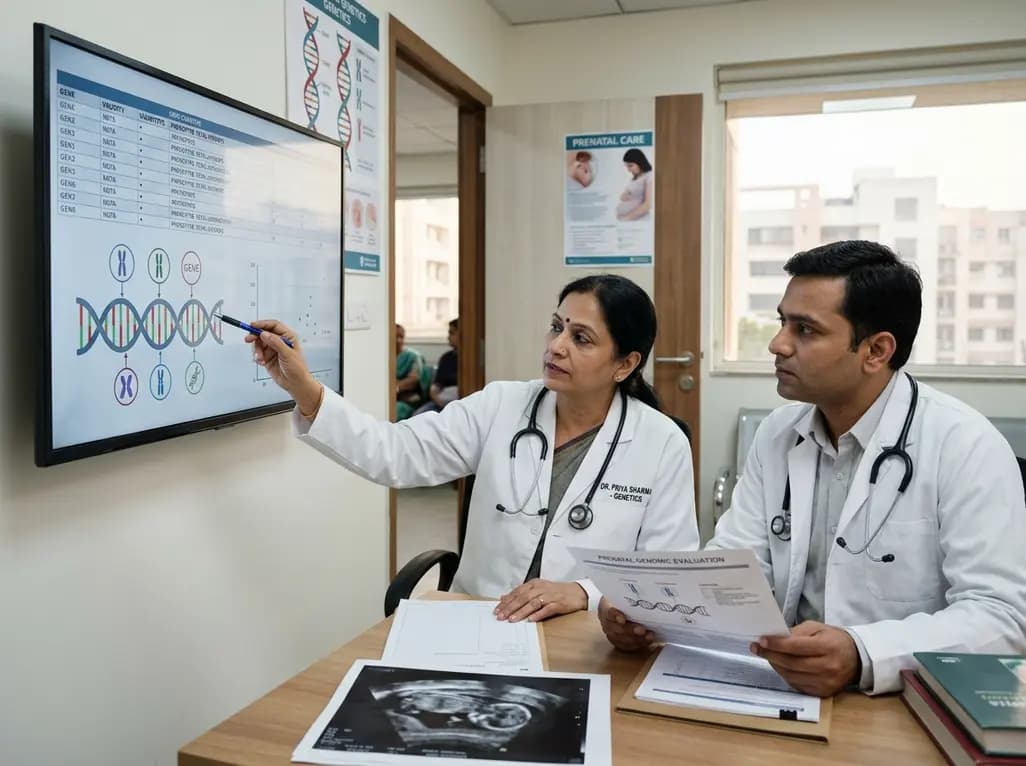
The ClinGen Prenatal Gene Curation Expert Panel evaluated 63 disease relationships across 61 genes, establishing clinical validity for severe fetal phenotypes like hydrops and stillbirth to enhance prenatal genomic interpretation and clinical care.
Yesterday
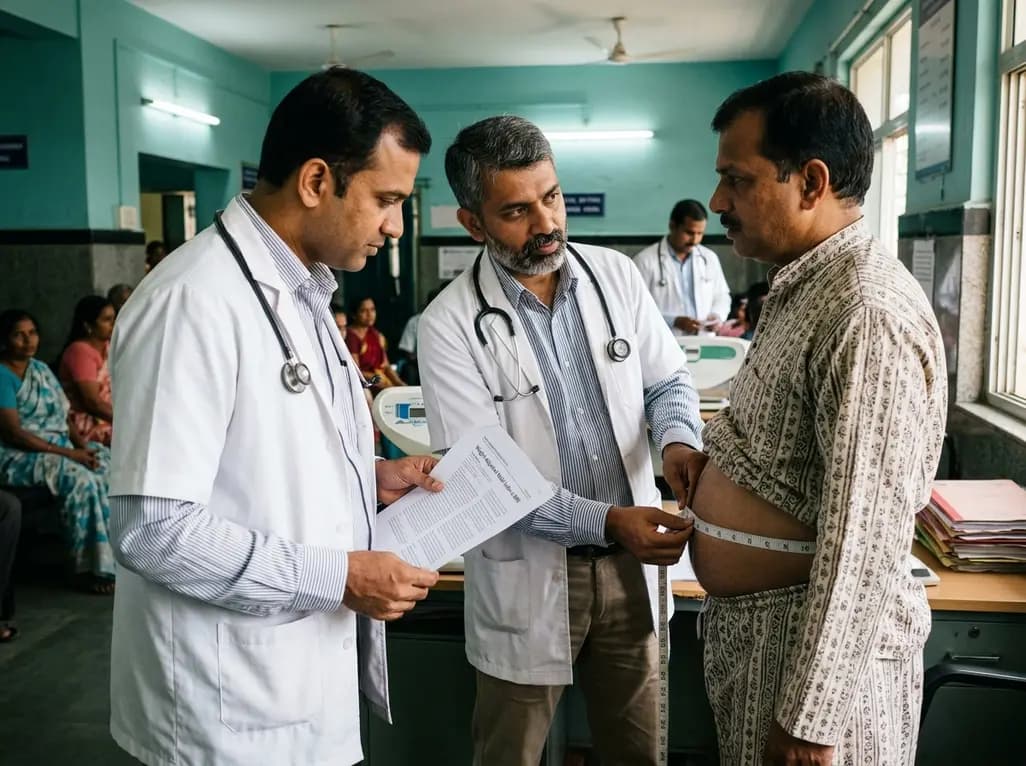
A cohort study demonstrates that the weight-adjusted waist index predicts all-cause and cardiovascular mortality more accurately than BMI and conventional adiposity metrics, offering clinicians a practical anthropometric tool for superior cardiometabolic risk stratification.
Today
New research reveals that HOXD13 regulates primary cilia signalling and genomic stability in distal synovial fibroblasts, uncovering why conditions like rheumatoid arthritis target specific joints.
Today

A real-world observational study evaluates pediatric isolated growth hormone deficiency patients transitioning to once-weekly somatrogon, showing sustained height velocity, early IGF-1 shifts, and stabilized BMI.
Today
