.webp&w=384&q=75)

Loading, please wait...
Loading, please wait...

Scientists have discovered that the bat immune system restoration occurs with surprising speed when these mammals emerge from torpor. Torpor is a state of suspended animation. It helps animals conserve energy during periods of food scarcity. However, this physiological slowdown typically suppresses immune function. This suppression makes hibernating bats vulnerable to infections. A recent study published in the Journal of Experimental Biology investigated this phenomenon in the eastern bent-winged bat (Miniopterus orianae oceanensis).
The research team analyzed 52 bats during the autumn and winter months. They observed that total white blood cell (WBC) counts dropped by 23% during torpor bouts. In contrast, arousal triggered a massive 75.9% increase in circulating WBCs within just 30 minutes. This surge allowed the bats to exceed their pre-torpor baseline by nearly 34%. Neutrophils and monocytes were the primary cells involved in this rapid recovery. Consequently, neutrophils constituted approximately 57% of the circulating immune cells immediately following arousal.
Furthermore, the researchers noted that humoral innate immunity remained stable. Antibacterial capacity did not fluctuate significantly across the different timepoints. This suggests that while cellular defenses fluctuate, chemical defenses remain ready. The rapid return of cells likely comes from sequestered reserves rather than new production. Additionally, this mechanism provides a dual-edged sword. While it protects against pathogens, it also increases the risk of tissue damage. This immunopathology occurs if the inflammatory response becomes too aggressive during the rewarming process.
Understanding these immune shifts is vital for managing zoonotic risks. Bats often host high-profile viruses without falling ill. Their unique ability to balance rapid immune responses with anti-inflammatory control is a key factor. If these animals experience stress or habitat loss, their shedding of viruses may increase. Therefore, studying these physiological cycles helps clinicians understand how pathogens might spill over into human populations.
White blood cell counts decrease during torpor because the body enters a state of extreme energy conservation. The immune cells are likely sequestered in specific tissues like the spleen or lungs to reduce metabolic demand while the bat is inactive.
The primary risk is immunopathology. When neutrophils flood the system rapidly, they can cause inflammation and oxidative stress. This can potentially lead to tissue damage in the bat's organs during the transition back to a normal metabolic state.
Disclaimer: This content is for informational and educational purposes only. It does not constitute medical advice or substitute professional consultation. Refer to the latest local and national guidelines for clinical practice.
References

Read summarized clinical updates, watch expert medical content, and earn CME certifications right from your smartphone.
Open your smartphone camera to scan and install.





A study on Australian bats shows that arousal from torpor triggers a 75.9% surge in white blood cells, potentially protecting them from dormant pathogens....
6 months ago

The 2026 KASID clinical practice guidelines present evidence-based recommendations for ulcerative colitis medical management. This update details induction and maintenance strategies, biologic and small molecule sequencing, the urgent handling of acute severe colitis, and indications for timely surgical intervention.
Today
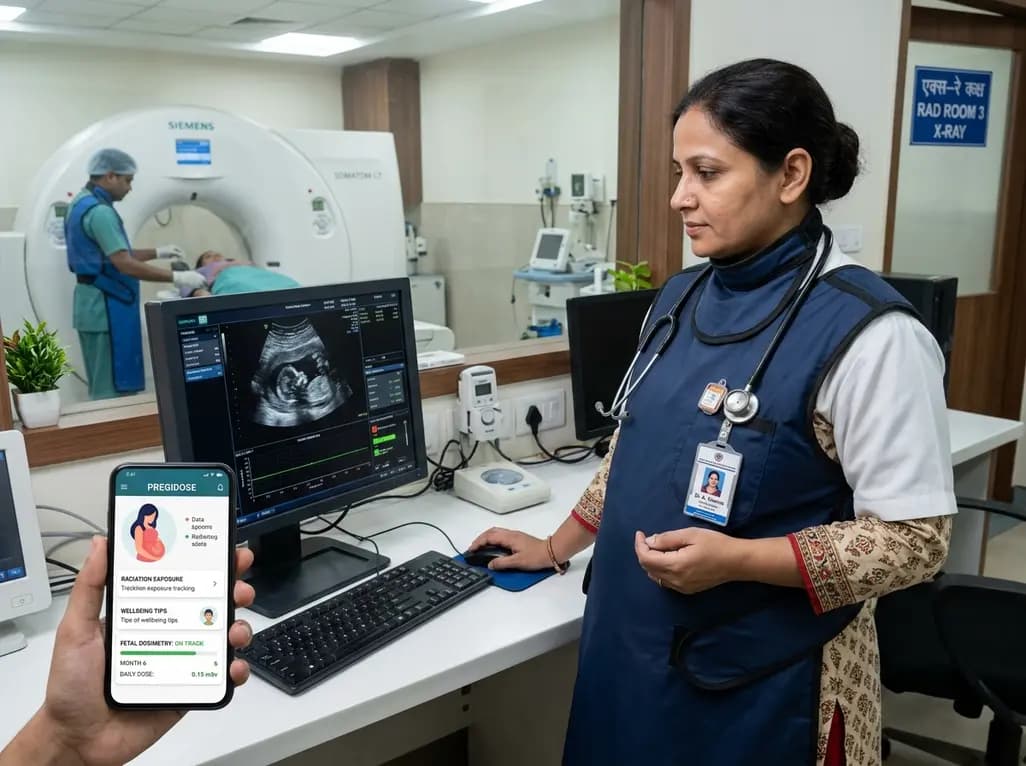
PregiDose is an innovative, user-centred mobile app designed to support pregnant radiographers by enhancing fetal dosimetry, occupational safety education, and psychosocial well-being. It bridges gaps in clinical radiation monitoring and aligns with global healthcare standards.
Today

A comparative non-contact study reveals that high-power radiofrequency delivery with the QDOT MICRO catheter induces an artifactual contact force rise. Electrophysiologists must understand this power-dependent thermal and electrical phenomenon to avoid inadvertent catheter withdrawal and ineffective ablation.
Today

A novel proof-of-concept study presents a six-degree-of-freedom articulated manikin neck equipped with linear potentiometers. The system provides real-time kinematic motion feedback during cervical immobilisation, delivering sub-degree tracking accuracy to improve pre-hospital trauma training and patient safety.
Today

Novel glucose-responsive mPEG-PSA nanocarriers deliver insulin aspart on demand, achieving dual postprandial and basal glycemic control without hypoglycemia in diabetic models. This biomaterial breakthrough offers promising clinical implications for physiologic diabetes management.
Today
