

Loading, please wait...
Loading, please wait...

Ulcerative colitis represents a chronic, relapsing inflammatory bowel disorder that creates significant morbidity across diverse global populations. As therapeutic options expand rapidly, physicians require clear frameworks to guide individualized patient care. The Korean Association for the Study of Intestinal Diseases recently issued updated recommendations using rigorous GRADE-ADOLOPMENT methodology. These standards establish updated principles for ulcerative colitis medical management, emphasizing objective monitoring, prompt disease control, and shared clinical decision-making.
Modern ulcerative colitis medical management requires clinicians to establish rigorous diagnostic accuracy before initiating treatment. Therefore, physicians must carefully assess baseline inflammatory burden, disease extent, and endoscopic severity. Practitioners should utilize validated scoring tools, such as the Mayo score or the Ulcerative Colitis Endoscopic Index of Severity, to quantify mucosal injury. Furthermore, routine baseline evaluations must exclude enteric infections, especially Clostridioides difficile and cytomegalovirus, which frequently mimic acute exacerbations.
Additionally, therapeutic decision-making relies on objective biomarkers rather than subjective symptoms alone. Clinicians regularly monitor fecal calprotectin alongside serum C-reactive protein to track treatment response accurately. Consequently, treating physicians can detect subclinical inflammation early and adjust medication doses before extensive tissue destruction occurs. Moreover, clinicians must involve patients in setting realistic clinical milestones. Shared decision-making aligns treatment plans with individual comorbidities, prior drug exposures, personal lifestyle preferences, and local economic access. Ultimately, this structured protocol ensures consistent clinical care and improves long-term mucosal healing across healthcare settings.
For patients presenting with mild-to-moderate ulcerative colitis, oral and topical 5-aminosalicylic acid formulations remain foundational therapy. Clinicians achieve superior induction outcomes when combining oral mesalamine with topical rectally administered mesalamine, compared to oral therapy alone. Therefore, guideline consensus strongly encourages combined 5-ASA regimens for left-sided colitis or extensive disease. In contrast, isolated proctitis frequently responds well to topical suppository monotherapy.
Furthermore, adherence remains vital because non-adherence significantly increases relapse rates. Once-daily dosing regimens provide equivalent efficacy to multiple daily doses, thereby improving patient compliance over time. If patients fail to respond adequately to optimal 5-ASA dosing, physicians should introduce short-term corticosteroid therapy. Locally acting oral agents, such as budesonide MMX, offer targeted colonic release while minimizing systemic glucocorticoid adverse effects. However, clinicians must never use systemic corticosteroids for maintenance therapy due to severe metabolic and skeletal toxicities. Once clinical remission occurs, physicians must continue maintenance mesalamine indefinitely to reduce flare risks and prevent long-term neoplastic progression.
Patients suffering from moderate-to-severe disease require prompt initiation of advanced biologic or small-molecule therapies. Tumor necrosis factor inhibitors, such as infliximab and adalimumab, demonstrate extensive clinical efficacy for both induction and long-term maintenance. However, newer anti-integrin agents, specifically vedolizumab, provide gut-selective immunosuppression, which substantially lowers systemic infection risks in older adults. In addition, interleukin-12/23 or interleukin-23 inhibitors deliver reliable mucosal healing with favorable overall safety.
Furthermore, oral targeted synthetic small molecules represent a major therapeutic advance. Janus kinase inhibitors, including tofacitinib and upadacitinib, offer rapid symptom relief and achieve high rates of clinical response. Similarly, sphingosine-1-phosphate receptor modulators provide convenient oral maintenance options for bio-naive and bio-exposed patients alike. Nevertheless, clinicians must carefully screen patients for latent tuberculosis, viral hepatitis, and cardiovascular risk factors before prescribing these systemic immunomodulators. By systematically tailoring drug mechanisms to patient risk profiles, clinicians minimize adverse events while optimizing durable endoscopic remission.
Acute severe ulcerative colitis represents a medical emergency that demands prompt hospitalization and intensive multidisciplinary care. Clinicians must immediately initiate high-dose intravenous methylprednisolone or hydrocortisone to curb severe transmural inflammation. Concurrently, medical teams should perform flexible sigmoidoscopy without full bowel preparation to confirm mucosal inflammation and rule out superimposed cytomegalovirus colitis. Furthermore, physicians must provide subcutaneous low-molecular-weight heparin thromboprophylaxis, because active colonic inflammation sharply increases venous thromboembolism risks.
Crucially, clinicians must assess clinical response by day three using established criteria, such as the Oxford criteria. If significant stool frequency and elevated inflammatory markers persist, physicians must immediately initiate rescue medical therapy rather than delaying decisions. Infliximab or intravenous cyclosporine represents the primary medical rescue choice, showing comparable short-term efficacy in preventing emergency surgery. Concurrently, colorectal surgeons must evaluate the patient early during hospitalization. If rescue therapy fails to produce objective clinical improvement within five to seven days, teams must proceed directly to subtotal colectomy to avoid life-threatening toxic megacolon and intestinal perforation.
The emergence of biologic biosimilars and novel subcutaneous formulations has fundamentally transformed the therapeutic landscape of inflammatory bowel disease. Biosimilar agents undergo rigorous analytical and clinical testing to demonstrate equivalent efficacy, safety, and immunogenicity to originator molecules. Therefore, international guidelines endorse biosimilars as reliable, cost-effective options for both treatment-naive individuals and patients undergoing non-medical switching. Consequently, biosimilar adoption markedly improves treatment accessibility and reduces financial strain on modern healthcare systems.
Additionally, subcutaneous formulations of infliximab and vedolizumab now offer substantial advantages over traditional intravenous infusions. Patients achieve steady-state serum drug concentrations that match or exceed intravenous dosing, maintaining robust disease remission over prolonged periods. Moreover, subcutaneous administration grants individuals greater autonomy, saving substantial clinic travel time and reducing hospital resource utilization. However, clinicians must educate patients thoroughly regarding proper self-injection techniques, cold-chain storage requirements, and prompt reporting of local injection site reactions. Through structured follow-up and proactive therapeutic drug monitoring, clinicians can ensure continuous drug safety and maximize long-term therapeutic durability.
Clinicians should escalate therapy whenever patients fail to achieve clinical remission or objective mucosal healing despite optimal conventional doses. Furthermore, persistent elevation of fecal calprotectin, recurrent corticosteroid dependence, or severe endoscopic ulcerations indicates active progressive disease. Under these circumstances, physicians must transition the patient to biologic agents or targeted small molecules. Timely escalation prevents irreversible structural bowel damage, reduces hospitalization rates, and minimizes emergency surgical interventions over time.
The standard first-line medical treatment for acute severe ulcerative colitis is high-dose intravenous corticosteroid therapy, typically methylprednisolone 60 mg daily. Clinicians must concurrently administer prophylactic anticoagulation to prevent thromboembolism and rule out secondary infections such as Clostridioides difficile. If the patient shows inadequate improvement by day three, physicians must promptly escalate to medical rescue therapy using infliximab or cyclosporine, or arrange timely surgical colectomy.
Biosimilars demonstrate equivalent clinical efficacy, safety, and pharmacokinetic profiles compared to their reference originator biologics across extensive clinical trials. Furthermore, switching from reference biologics to approved biosimilars does not increase immunogenicity or trigger disease relapse. Therefore, international guidelines strongly support biosimilar adoption in ulcerative colitis. This practice substantially reduces pharmaceutical expenditures, expands overall patient access to advanced therapies, and maintains excellent long-term clinical and endoscopic remission rates.
Disclaimer: This content is for informational and educational purposes only. It is not intended to provide medical advice or to be a substitute for professional medical advice, diagnosis, or treatment. Patients should always consult their physician or other qualified health provider with any questions they may have regarding a medical condition. Health professionals should verify all information and use their independent clinical judgment in each specific case. Refer to the latest local and national guidelines for clinical practice.
References

Read summarized clinical updates, watch expert medical content, and earn CME certifications right from your smartphone.
Open your smartphone camera to scan and install.





The 2026 KASID clinical practice guidelines present evidence-based recommendations for ulcerative colitis medical management. This update details induction and maintenance strategies, biologic and small molecule sequencing, the urgent handling of acute severe colitis, and indications for timely surgical intervention.
Today
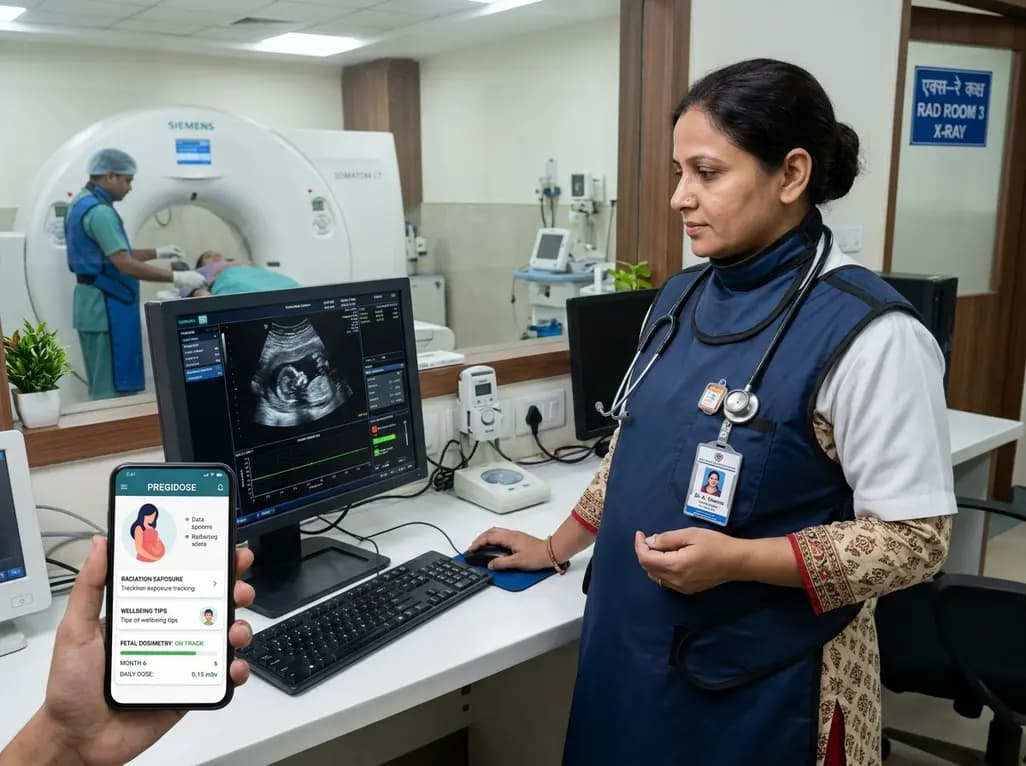
PregiDose is an innovative, user-centred mobile app designed to support pregnant radiographers by enhancing fetal dosimetry, occupational safety education, and psychosocial well-being. It bridges gaps in clinical radiation monitoring and aligns with global healthcare standards.
Today
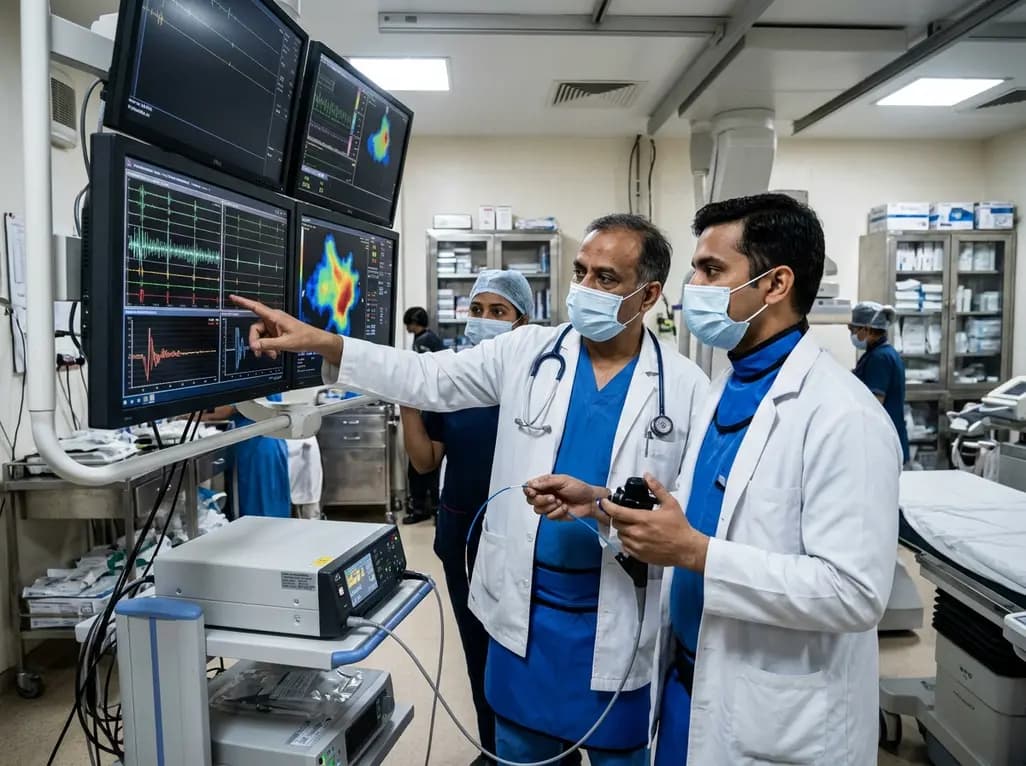
A comparative non-contact study reveals that high-power radiofrequency delivery with the QDOT MICRO catheter induces an artifactual contact force rise. Electrophysiologists must understand this power-dependent thermal and electrical phenomenon to avoid inadvertent catheter withdrawal and ineffective ablation.
Today

A novel proof-of-concept study presents a six-degree-of-freedom articulated manikin neck equipped with linear potentiometers. The system provides real-time kinematic motion feedback during cervical immobilisation, delivering sub-degree tracking accuracy to improve pre-hospital trauma training and patient safety.
Today

Novel glucose-responsive mPEG-PSA nanocarriers deliver insulin aspart on demand, achieving dual postprandial and basal glycemic control without hypoglycemia in diabetic models. This biomaterial breakthrough offers promising clinical implications for physiologic diabetes management.
Today
