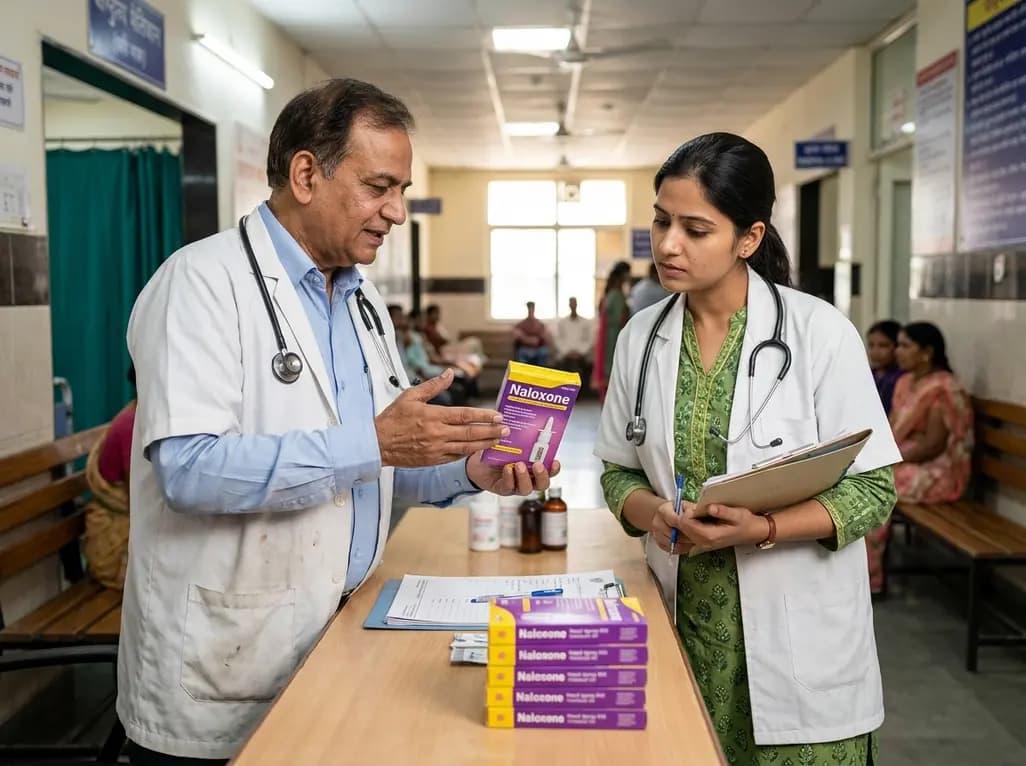
Over the past decade, the global medical community has grappled with the rising tide of opioid-involved fatal overdoses. From North America to parts of South Asia, the crisis demands immediate and effective interventions. While pharmacological antidotes exist, their efficacy depends entirely on availability during an emergency. A recent comprehensive study, “The Decision to Not Carry Naloxone Among People Who Use Drugs in Rhode Island,” provides critical insights into the
barriers to carrying naloxone. This research, conducted from 2021 to 2024, explores the complex psychological and structural reasons why those at highest risk may not possess this life-saving tool. Understanding these factors is essential for Indian healthcare providers, as India begins to face its own escalating challenges with opioid use and harm reduction awareness.
Understanding the Life-Saving Potential of Naloxone
Naloxone remains the gold standard for reversing opioid-induced respiratory depression. By binding to opioid receptors with a higher affinity than most narcotics, it effectively displaces the drug and restores normal breathing within minutes. This medication is safe, has no potential for misuse, and is easy to administer, particularly in its intranasal form. Despite its clear efficacy, the mere existence of naloxone is insufficient to curb mortality rates. The real-world impact hinges on widespread community carriage. When people who use drugs or their peers carry naloxone, they become immediate first responders. This decentralized approach to overdose response significantly reduces the time between respiratory arrest and intervention. Consequently, increasing the frequency with which at-risk individuals carry the medication is a primary goal for global health organizations. In the Indian context, where emergency services may face geographic or traffic-related delays, community-based naloxone distribution is particularly vital. Providing training and access to naloxone can empower families and peers to act decisively, potentially saving thousands of lives annually. Therefore, clinicians must prioritize education regarding naloxone's safety and utility during every patient encounter involving opioid use or pain management.
Key Findings on Barriers to Carrying Naloxone
The study conducted by Ledingham and colleagues utilized a mixed-methods approach to analyze why 40% of surveyed substance users did not carry naloxone. Interestingly, among those who did not carry the medication, a significant portion had witnessed an overdose in the previous year. This discrepancy suggests that personal experience with an overdose event does not automatically translate into consistent carriage of the antidote. One of the primary
barriers to carrying naloxone identified was a lack of perceived risk. Many participants who used non-opioid substances, such as stimulants or synthetic cannabinoids, felt they were not at risk for an opioid-related event. However, the illicit drug supply is increasingly contaminated with potent synthetic opioids like fentanyl. This reality means that individuals who believe they are strictly using non-opioids are still at extreme risk of an accidental overdose. Furthermore, the survey revealed that logistical issues, such as losing the medication or having it confiscated by authorities, played a significant role. These findings highlight a disconnect between clinical guidelines and the lived experiences of individuals in the community. To address these gaps, outreach programs must focus on the universality of overdose risk in an era of drug contamination and prioritize consistent re-supply strategies.
Stigma and Fear as Major Deterrents
Stigma continues to be a pervasive force that hinders harm reduction efforts across the globe. In the Rhode Island study, many respondents expressed that carrying naloxone felt like an admission of drug use, which could lead to social ostracization or professional repercussions. This “intervention stigma” suggests that the medication itself has become a symbol associated with illicit activity rather than a standard safety tool. Moreover, some participants reported a profound fear of the responsibility associated with administering naloxone. The potential trauma of performing a life-saving intervention on a friend or stranger can be overwhelming. Some individuals expressed concern about how they would be perceived by others or law enforcement if they were caught with the medication. In India, where societal views on substance use can be particularly rigid, these barriers are even more pronounced. Patients may fear that possessing naloxone will alert family members or the police to their drug use, leading to legal trouble or domestic conflict. Consequently, clinicians must work to normalize naloxone as a standard component of any first-aid kit. By framing naloxone carriage as an act of community care rather than a sign of pathology, we can begin to dismantle the stigma that keeps this life-saving tool out of the hands of those who need it most.
Misperceptions of Risk and Awareness Gaps
A critical finding from the harm reduction surveillance system was the significant lack of awareness regarding naloxone's use and the specific symptoms of an overdose. Even individuals who reported regular substance use were sometimes unsure of how to properly administer the nasal spray or intramuscular injection. This gap in knowledge often led to a lack of confidence, which discouraged people from carrying the medication. Furthermore, the misperception that naloxone is only for “heavy” opioid users remains common. In reality, anyone using illicit substances is potentially at risk due to the presence of synthetic adulterants. Educational campaigns must, therefore, broaden their target audience to include users of all illicit substances, not just those with a diagnosed opioid use disorder. In India, recent qualitative studies in cities like Kolkata have mirrored these findings, showing that peer educators and users often lack specific knowledge about naloxone despite being aware of overdose dangers. Providing clear, simplified instructions and hands-on training during clinical visits can significantly bridge this gap. Healthcare providers should emphasize that naloxone is harmless if administered to someone not experiencing an opioid overdose, which reduces the fear of “making a mistake.” This reassurance is essential for increasing confidence among lay responders.
Overcoming Structural and Legal Obstacles
Beyond psychological barriers, structural and legal factors often impede the consistent carriage of naloxone. The Rhode Island study highlighted reports of police confiscation or questioning, which creates a significant disincentive for individuals to carry the medication. When law enforcement treats naloxone as drug paraphernalia or a reason for suspicion, it directly contradicts public health goals. Furthermore, the availability and cost of the medication remain major hurdles. While some regions have implemented “standing order” policies that allow pharmacies to dispense naloxone without an individual prescription, access is still limited by pharmacy stocking practices and out-of-pocket costs. In India, the National AIDS Control Organisation (NACO) and other bodies are working to integrate naloxone into harm reduction protocols, but coverage remains inconsistent. The recent discussions regarding indigenous production of naloxone wafers and patches in India suggest a move toward better accessibility and lower costs. However, for these innovations to be effective, legal protections for those who carry and administer naloxone must be clearly communicated and enforced. Implementing “Good Samaritan” laws, which protect individuals from legal repercussions when they assist during an overdose, is a vital step in encouraging community-level response.
Bridging the Gap in Clinical Practice
For medical professionals in India, the lessons from the Rhode Island study provide a roadmap for improving patient outcomes. First, every clinician managing chronic pain or substance use should incorporate naloxone education into their standard practice. This includes explaining the risks of respiratory depression and the simple steps required to reverse it. Second, healthcare providers must actively work to reduce the stigma associated with the medication by discussing it with all patients, regardless of their perceived risk level. Normalizing naloxone in the same way we normalize carrying an EpiPen or an inhaler can change the cultural narrative. Third, physicians should advocate for better availability within the Indian pharmacy system and support community-based distribution programs. As the opioid landscape in India evolves, particularly with the rise of synthetic opioids, the need for a proactive approach becomes more urgent. By addressing the
barriers to carrying naloxone through patient-centered education and advocacy, clinicians can play a pivotal role in reducing preventable deaths. The goal is to ensure that every individual who might witness an overdose has both the tools and the confidence to intervene. Ultimately, the transition from clinical research to community action requires a sustained effort to educate, empower, and protect those on the front lines of the overdose crisis.
Why is it important for non-opioid users to carry naloxone?
Many illicit drugs, including stimulants like cocaine or methamphetamine and various synthetic cannabinoids, are frequently contaminated with potent synthetic opioids like fentanyl. Consequently, individuals who do not intentionally use opioids are still at a high risk of experiencing a life-threatening overdose. Carrying naloxone allows these individuals to protect themselves and their peers from accidental exposure to hidden opioids, which have become a primary driver of fatal overdoses globally.
Does carrying naloxone encourage riskier drug use behaviors?
Extensive research into harm reduction strategies has consistently shown that increased access to naloxone does not lead to more frequent or riskier substance use. Instead, individuals who receive overdose prevention training and naloxone often report feeling a greater sense of responsibility for their health and the safety of their community. Providing naloxone is a pragmatic safety measure that acknowledges the reality of drug use while prioritizing the preservation of human life above all else.
How should a clinician address the stigma associated with carrying naloxone?
Clinicians can reduce stigma by framing naloxone as a standard safety tool, similar to a fire extinguisher or a first-aid kit. It is important to emphasize that carrying naloxone is an act of community care and preparedness. By discussing the medication with all patients who may be at risk or who might witness an overdose, healthcare providers can normalize its presence and decouple it from the social shame often associated with addiction.
Disclaimer: This content is for informational and educational purposes only... Refer to the latest local and national guidelines for clinical practice.
References
Ledingham EM et al. The Decision to Not Carry Naloxone Among People Who Use Drugs in Rhode Island: A Mixed-Methods Analysis of Harm Reduction Surveillance System Survey Data, 2021 to 2024. Subst Use Addctn J. 2026 Jul 21. doi: 10.1177/29767342261464479. PMID: 42478442.
National AIDS Control Organisation (NACO). Community System Strengthening Response in India. Ministry of Health & Family Welfare. Feb 2024.
World Health Organization. Community management of opioid overdose. Geneva: WHO; 2014.
"
}
.webp&w=384&q=75)