

Loading, please wait...
Loading, please wait...

In a historic milestone, West Bengal signed an agreement with the Centre to implement the flagship health assurance scheme. Consequently, the rollout of Ayushman Bharat West Bengal completes the nationwide implementation.
It becomes the 36th state to adopt this initiative. Additionally, the scheme will extend health assurance benefits to approximately 1.43 crore families. This will ensure equitable access to quality care.
The Union Health Ministry highlighted that the rollout will protect vulnerable families from catastrophic medical expenses. Specifically, PM-JAY provides an annual health cover of up to five lakh rupees per family.
This cover supports secondary and tertiary care hospitalisation. Since its launch in September 2018, the scheme has provided more than 12 crore treatments across the country. Furthermore, this initiative has successfully reduced out-of-pocket healthcare expenditure from 64.6% to 43.4% nationwide.
Because the program features a digital architecture, it enables seamless and cashless healthcare services for all beneficiaries. Additionally, the portability feature offers a critical advantage for migrant workers seeking employment in other states.
These families can now access healthcare benefits at any empanelled hospital across India. Therefore, West Bengal's inclusion represents a major victory for universal health coverage. It successfully bridges critical gaps in national healthcare delivery.
Alongside the PM-JAY implementation, the state has also prioritised crucial preventive health interventions. Specifically, the West Bengal government recently launched an HPV vaccination campaign targeting adolescent girls to prevent cervical cancer.
Furthermore, healthcare workers have already vaccinated more than 33,000 girls, demonstrating strong progress toward protecting women's health. Ultimately, integrating these preventive measures with comprehensive health assurance marks a transformative era for the state's healthcare ecosystem.
Q1: What is the health cover limit provided under PM-JAY in West Bengal?
The scheme provides an annual health coverage of five lakh rupees per family. This supports secondary and tertiary hospitalisation services.
Q2: How does the portability feature of the scheme benefit migrant workers?
The portability feature ensures beneficiaries can access cashless treatment at any empanelled hospital across India. This particularly benefits migrant families.
Q3: How many families in West Bengal will benefit from this rollout?
The implementation of the scheme in West Bengal will extend comprehensive health assurance benefits to approximately 1.43 crore families.
Disclaimer: This content is for informational and educational purposes only. It does not constitute medical advice or replace professional judgment. Refer to the latest local and national guidelines for clinical practice.
References

Read summarized clinical updates, watch expert medical content, and earn CME certifications right from your smartphone.
Open your smartphone camera to scan and install.





West Bengal signs an MoU with the NHA to implement Ayushman Bharat PM-JAY, expanding cashless, paperless tertiary health coverage to 1.43 crore families....
4 months ago
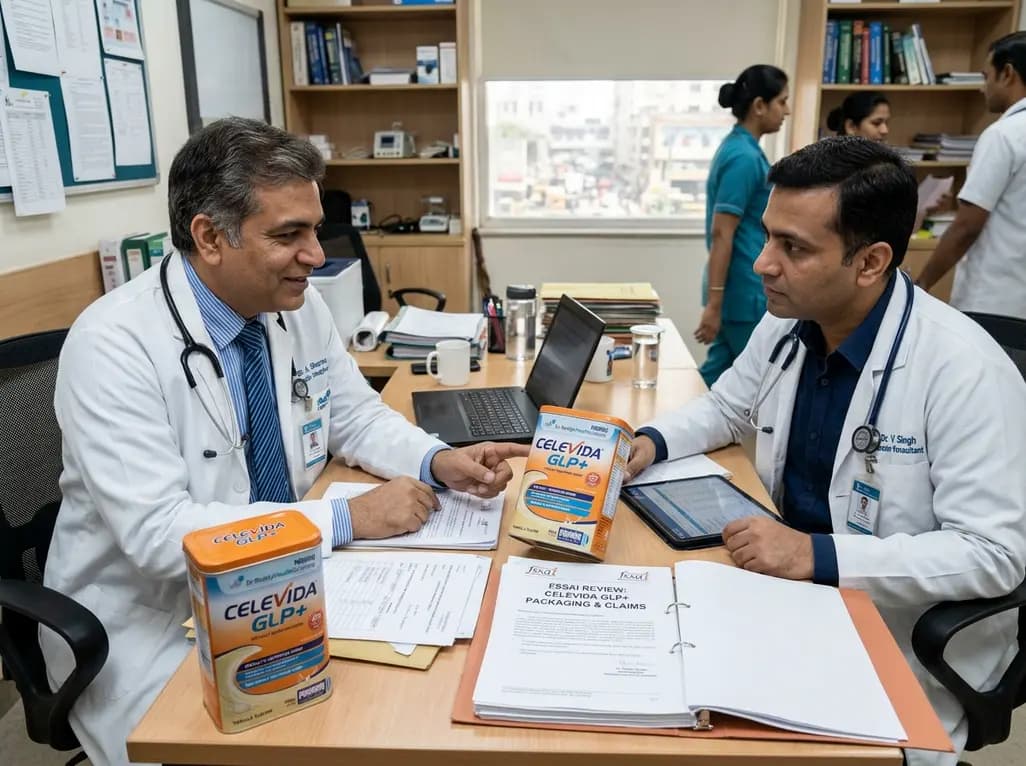
Following regulatory scrutiny from FSSAI regarding promotional representations and lean muscle preservation claims, Dr. Reddy's Laboratories and Nestlé Health Science are currently reviewing the branding and marketing strategy for their joint nutritional supplement Celevida GLP+.
Today
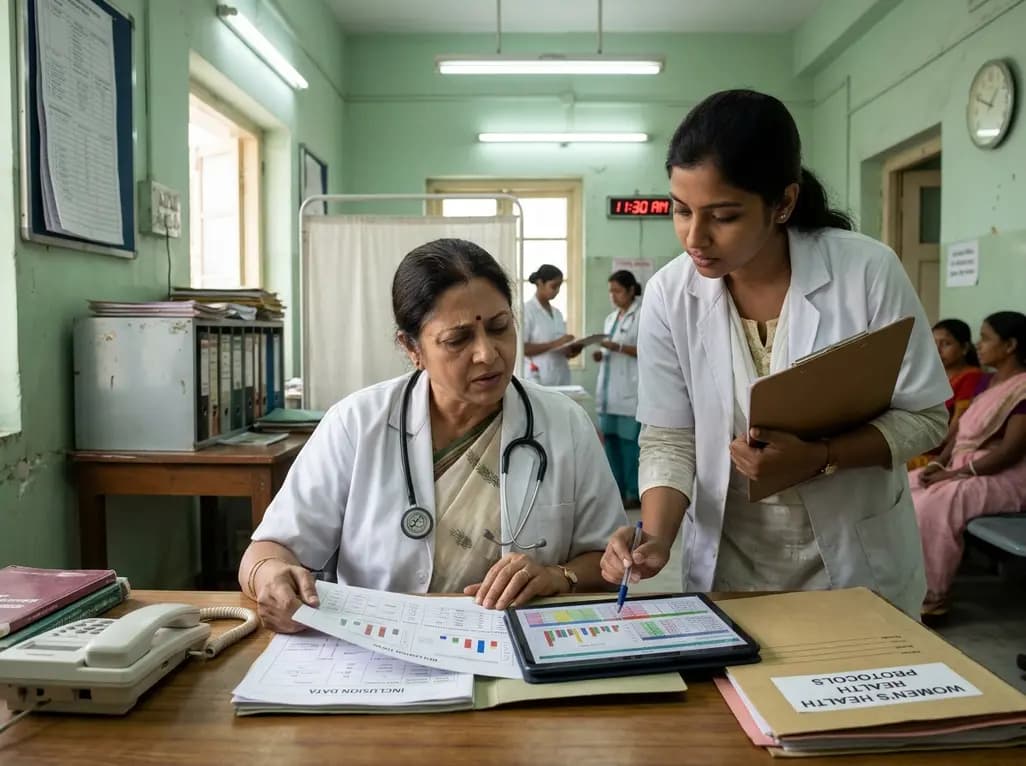
Demanding exhaustive hormonal profiling can inadvertently discourage clinical studies involving females. Methodological standards must align with the specific scientific question to expand, not restrict, equitable evidence for women.
Today
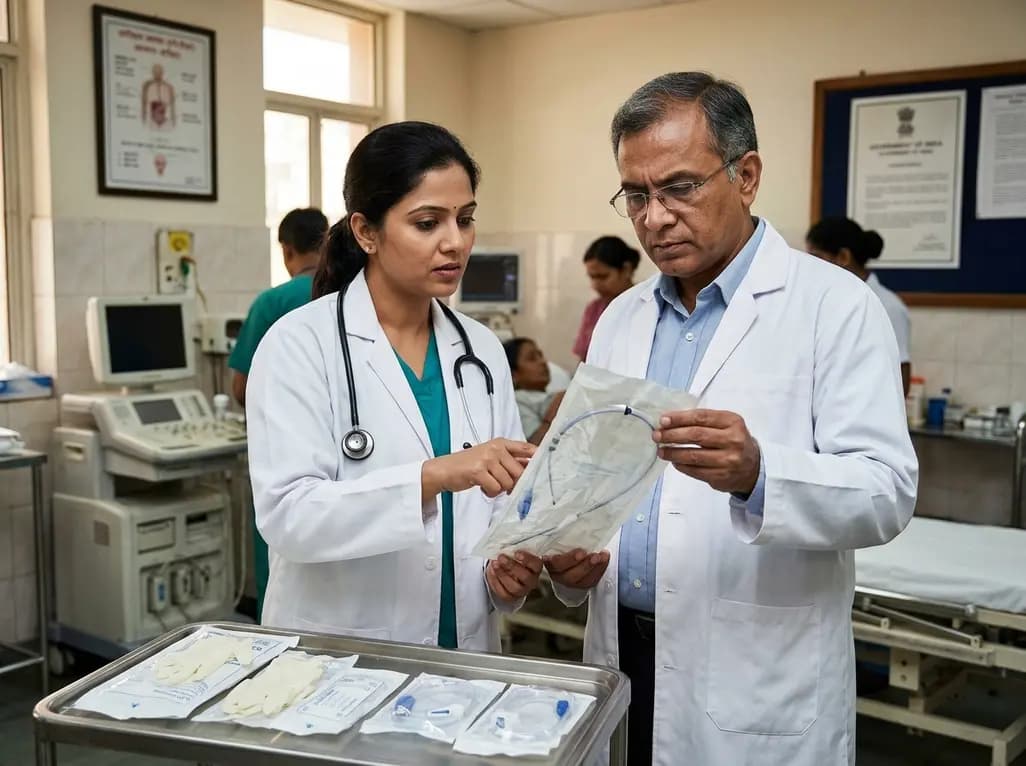
The Directorate General of Health Services directs Indian states to halt the hazardous reuse and reprocessing of single-use medical devices. Discover regulatory implications under the Drugs and Cosmetics Act, critical infection risks, legal liabilities, and operational changes required across clinical specialties.
Today
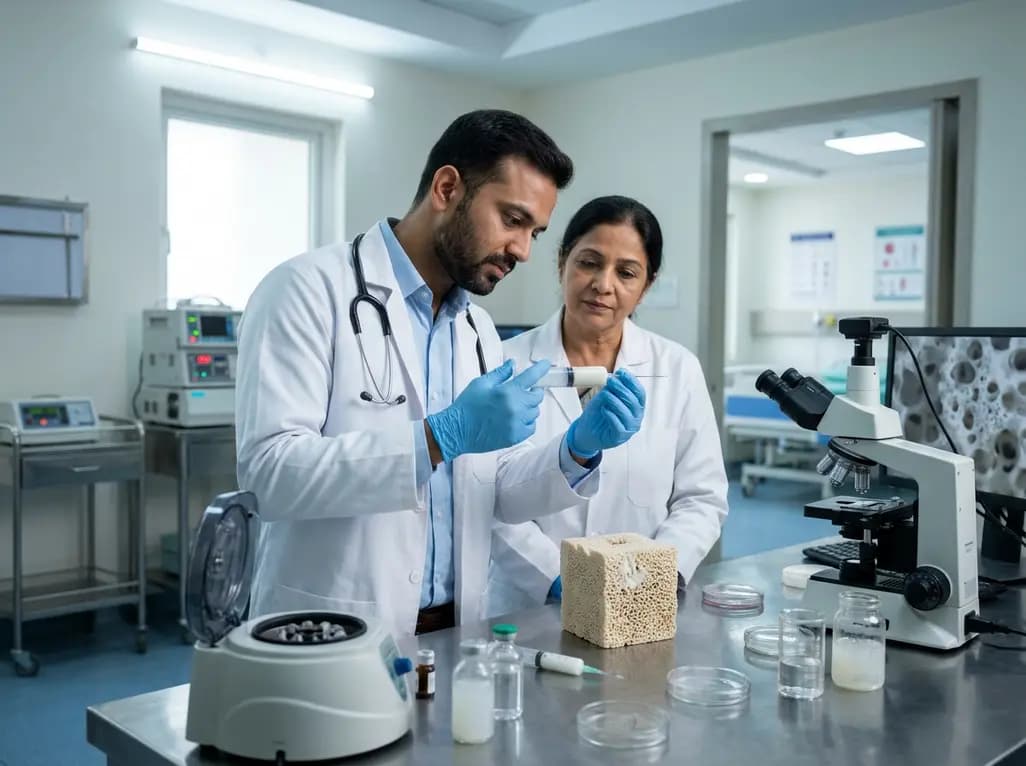
A novel calcium polyphosphate coacervate enables injectable bone implants with in situ hierarchical porosity via phase separation and gas foaming, significantly enhancing cell proliferation, energy metabolism, and osteogenic differentiation for minimally invasive bone defect repair.
Today
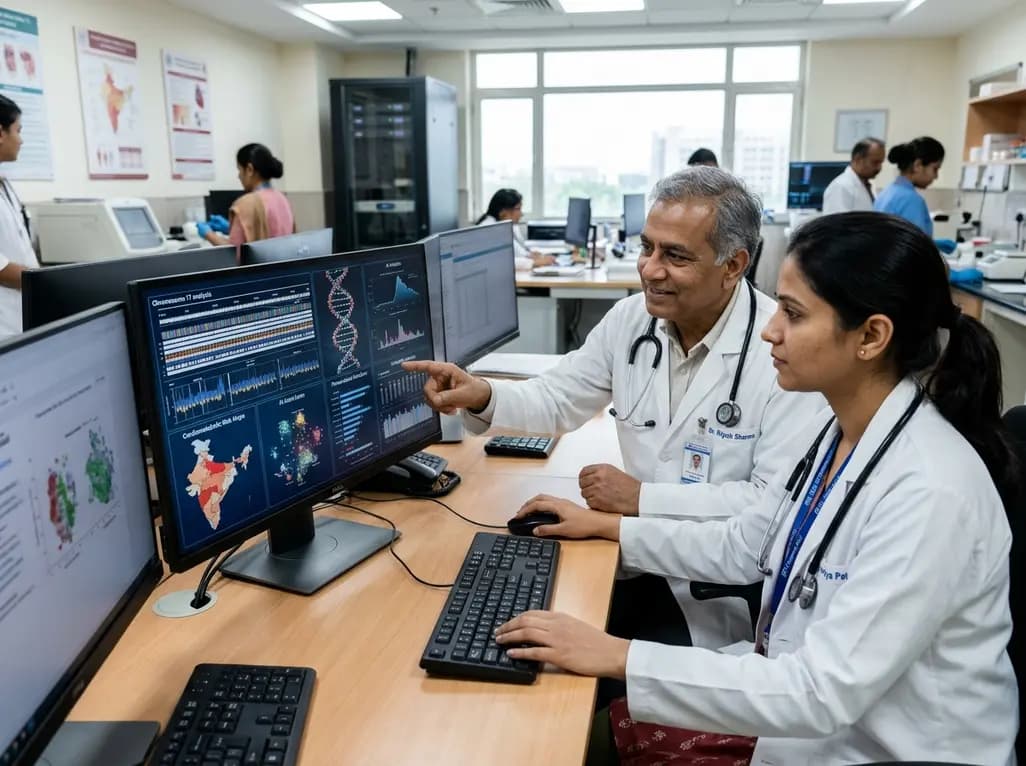
India is advancing preventive healthcare by integrating genomics, artificial intelligence, and quantum technologies. With the SANGAM programme sequencing one million Indian genomes, clinicians can unlock personalized therapies, detect cardiometabolic risks early, and curb the burden of diabetes and heart disease.
Today
