.webp&w=384&q=75)

Loading, please wait...
Loading, please wait...
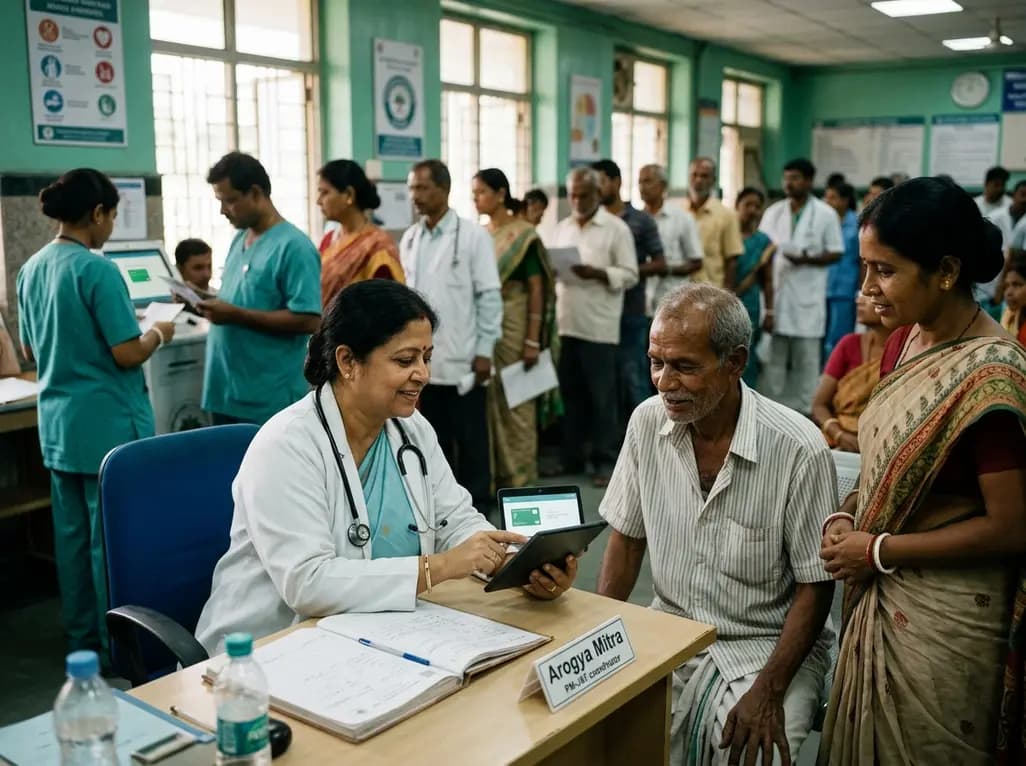
The nationwide expansion of public health assurance marks an essential milestone for universal healthcare delivery in India. Recently, Ayushman Bharat PM-JAY achieved a significant initial operational record in West Bengal by delivering cashless hospital care to tens of thousands of families. During its very first month of implementation, the flagship health assurance scheme addressed urgent clinical needs across diverse clinical specialties. Consequently, this rapid uptake demonstrates the vital role of structured financing in protecting underprivileged populations from devastating out-of-pocket medical expenditure.
The rollout of the national scheme on August 16 represented a historic turning point for healthcare access in West Bengal. Within thirty days, more than 50,000 patients successfully accessed vital inpatient care across empanelled healthcare facilities. Furthermore, these clinical admissions accounted for essential medical and surgical treatments valued at over Rs 28 crore. Healthcare providers across tertiary medical colleges and district hospitals managed acute conditions efficiently under standardized clinical packages. Additionally, public health administrators observed rapid enrollment and high service utilization across both rural and urban districts. Consequently, thousands of vulnerable families received life-saving interventions without facing crushing financial liabilities. Medical teams addressed complex surgical emergencies, maternal disorders, and acute medical illnesses promptly. Meanwhile, digital authentication systems enabled rapid bed allocation, transparent record creation, and continuous pre-authorization processing. Therefore, the administrative burden on bedside clinicians remained minimal during emergency presentations. Hospital authorities reported seamless coordination between nursing units, attending physicians, and dedicated help desks. In addition, state leadership lauded the exceptional dedication of doctors, nurses, and hospital staff members. This collaborative momentum ensures that underprivileged citizens receive dignified, evidence-based hospital therapy. Ultimately, this successful initial month provides a robust foundation for long-term clinical expansion throughout the state.
Nationwide portability remains one of the most transformative elements of the national health assurance model. Specifically, 1,102 patients originating from West Bengal availed specialized medical treatments outside their home state during the first month. At the same time, healthcare institutions within West Bengal treated 1,849 visiting patients from other Indian states. Migrant laborers and mobile families frequently travel across regional borders for seasonal employment and trade. Previously, interstate travel created severe disruptions in chronic disease management and elective surgical care. However, the unified digital framework now guarantees seamless portability across all empaneled hospitals nationwide. Consequently, patients receive continuous clinical attention regardless of geographic location or domestic domicile. For tertiary referral centers, this bidirectional patient flow requires active coordination between regional hospital authorities. Empaneled clinical teams verify digital Ayushman cards swiftly through national biometric portals. Therefore, doctors can initiate essential oncological, surgical, or cardiology therapies without procedural delays. Moreover, this interstate interoperability reduces regional treatment disparities significantly. Major metropolitan medical centers can now share critical caseloads with regional facilities smoothly. In addition, portability allows patients to consult top subspecialists in distant centers during complex health crises. Hence, portability safeguards patient safety while promoting equitable distribution of advanced clinical resources across India.
The financial protection provided under the scheme covers extensive secondary and tertiary therapeutic domains. Eligible beneficiary families receive up to Rs 5 lakh annually for comprehensive inpatient treatment. In clinical practice, this assurance enables clinicians to offer advanced interventions that patients previously declined due to poverty. For example, cardiology teams can perform urgent percutaneous coronary interventions and valve replacements without delay. Similarly, oncologists can initiate timely chemotherapy, surgical tumor resections, and radiation therapy regimens. Medical evidence demonstrates that prompt therapeutic initiation markedly improves long-term survival in aggressive malignancies. Furthermore, nephrology units provide maintenance hemodialysis sessions to patients with end-stage renal disease. Orthopedic surgeons also address complex trauma, joint replacements, and spinal disorders with standard implants. In addition, pediatric and general surgical departments deliver life-saving operative interventions across diverse socioeconomic cohorts. Physicians can recommend diagnostic imaging, blood products, and intensive care admissions with greater clinical freedom. As a result, clinical decision-making aligns strictly with evidence-based medicine rather than economic constraints. Dedicated clinical pathways also minimize treatment abandonment during protracted hospitalizations. Ultimately, standardized clinical packages elevate healthcare quality across both government and private empanelled facilities.
The rapid success of the scheme depends on a robust hospital network and seamless digital architecture. Empanelled hospitals must integrate dedicated hospital management software that complies with national digital standards. Specifically, the software connects hospital desks directly to the Transaction Management System. Consequently, hospital admission staff can verify beneficiary eligibility within minutes using biometric identification. Pre-authorization requests flow directly to medical approvers, which prevents administrative bottlenecks during acute admissions. Moreover, hospital teams must maintain strict clinical documentation to facilitate timely claim processing. Transparent electronic medical records support clinical audit teams during routine post-discharge reviews. Therefore, participating healthcare facilities maintain higher adherence to infection control and patient safety protocols. Additionally, the digital architecture reduces paperwork for attending clinicians and ward nurses. Healthcare providers can dedicate more attention to bedside patient care and procedural safety. Nevertheless, hospital administrators must provide continuous training for desk coordinators and junior medical officers. Regular technical workshops ensure compliance with updated package coding guidelines and medical audit rules. Furthermore, digital tracking prevents unauthorized billing and optimizes drug inventory in hospital pharmacies. Thus, a well-coordinated digital pipeline strengthens institutional efficiency and prevents fraudulent claims effectively.
Out-of-pocket medical expenditure historically pushed millions of Indian households into severe financial hardship. Catastrophic health events often forced families to sell productive assets or borrow money at exorbitant interest rates. However, comprehensive health assurance fundamentally alters this socioeconomic vulnerability. By covering pre-hospitalization investigations, inpatient care, and post-discharge medications, the scheme establishes complete financial protection. In West Bengal, delivering treatments worth Rs 28 crore in thirty days highlights this massive economic relief. Beneficiaries no longer delay seeking care for severe symptoms out of fear of hospital bills. Consequently, clinicians observe earlier disease presentations in outpatient clinics and emergency departments. Early medical presentation allows physicians to treat pathological conditions at earlier, more reversible stages. Furthermore, sustaining this clinical milestone requires ongoing collaboration between public healthcare institutions and private healthcare providers. Public hospitals absorb substantial patient volumes, while private empanelled centers offer advanced tertiary infrastructure. Therefore, an equitable partnership optimizes regional bed capacity and surgical suite utilization across all districts. Routine clinical audits protect the system against unwarranted interventions and procedural inflation. Ultimately, expanding empanelled networks will reinforce healthcare resilience and health equity across rural and semi-urban Bengal.
Q1: What financial coverage does Ayushman Bharat PM-JAY provide to eligible families?
The scheme provides an annual health cover of up to Rs 5 lakh per eligible family. This assurance covers secondary and tertiary care hospitalization across a vast network of empanelled public and private hospitals. The coverage includes diagnostic tests, surgical procedures, intensive care, medicines, and post-discharge consultations. Consequently, eligible beneficiaries access comprehensive hospital treatments without making out-of-pocket payments during admission or discharge.
Q2: How does the portability feature of the scheme benefit patients traveling across states?
Nationwide portability allows eligible beneficiaries to receive cashless hospital treatment in any empanelled hospital across India. Migrant workers, students, and traveling patients do not lose their healthcare entitlements when leaving their home state. Empanelled hospitals authenticate patient identity through the national digital portal using biometric or Aadhaar verification. Therefore, patients receive seamless emergency and planned medical care anywhere in India without needing interstate transfer clearances.
Q3: How does the scheme influence clinical workflows and patient admission protocols in hospitals?
Hospitals utilize the dedicated Transaction Management System to verify beneficiary identity and submit electronic pre-authorization requests. Frontline healthcare teams initiate clinical management immediately while administrative desks handle electronic documentation. Clinicians follow standardized treatment package guidelines, which promotes evidence-based medical decisions. Furthermore, electronic recordkeeping streamlines post-discharge claim submissions, which ensures timely hospital reimbursements and maintains high standards of patient safety and clinical transparency.
Disclaimer: This content is for informational and educational purposes only. It does not constitute medical advice or replace professional judgment. Refer to the latest local and national guidelines for clinical practice.
References

Read summarized clinical updates, watch expert medical content, and earn CME certifications right from your smartphone.
Open your smartphone camera to scan and install.





Within thirty days of implementation, Ayushman Bharat PM-JAY delivered vital clinical interventions worth over Rs 28 crore in West Bengal. The initiative demonstrates how nationwide portability and institutional health financing safeguard vulnerable households against catastrophic secondary and tertiary medical costs.
Today
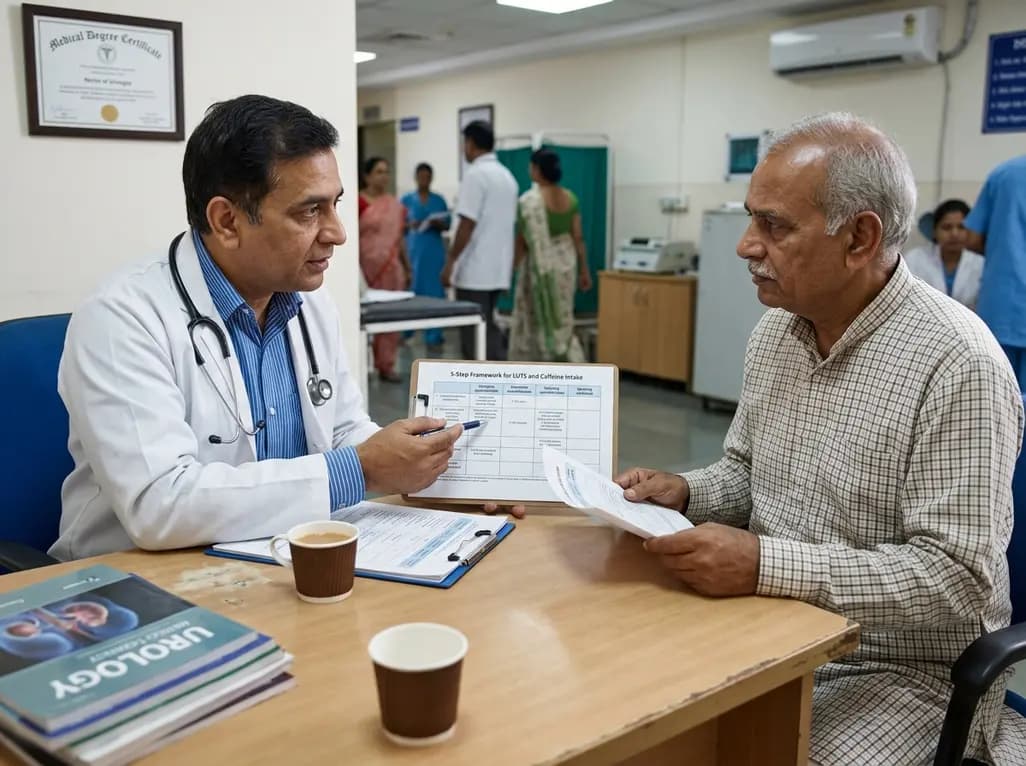
Evaluating caffeine intake in lower urinary tract symptoms (LUTS) requires more than cutting coffee. This 5-step clinical framework details symptom classification, intake quantification across hidden sources, CYP1A2 pharmacokinetic modifiers, and individualized weaning schedules for improved urological outcomes.
Today
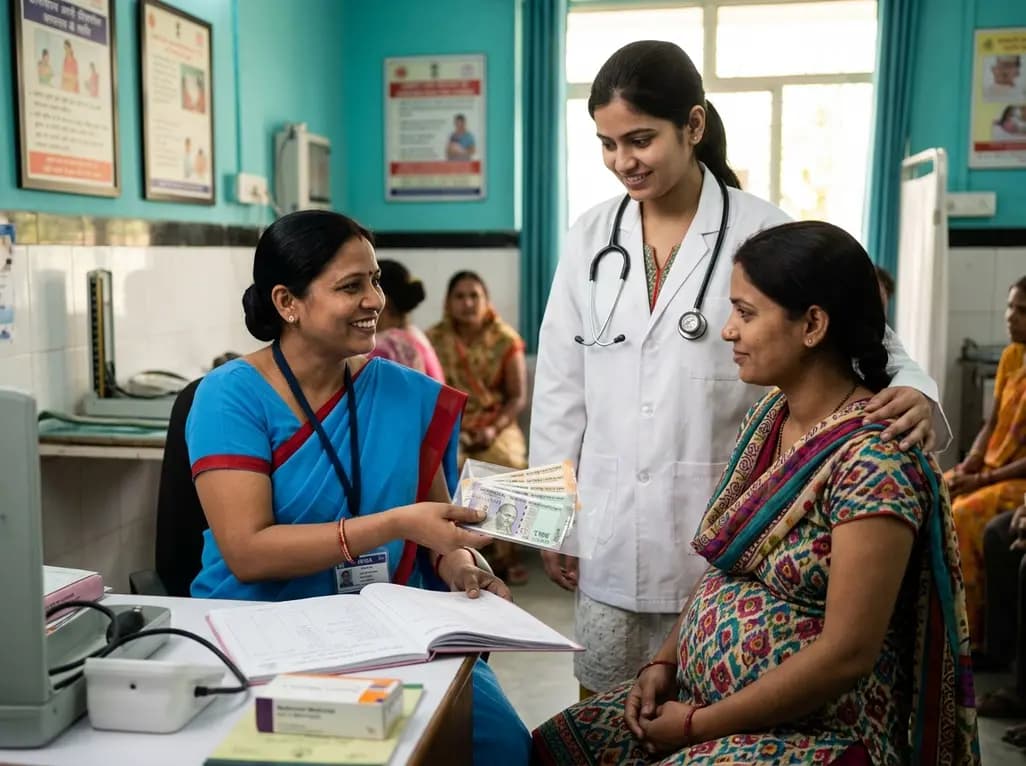
The Delhi Cabinet has approved a key policy revision doubling the fixed monthly allowance for accredited social health activists. This financial enhancement bolsters grassroots maternal and child healthcare delivery, strengthens urban public health surveillance, and improves frontline community health worker retention.
Today
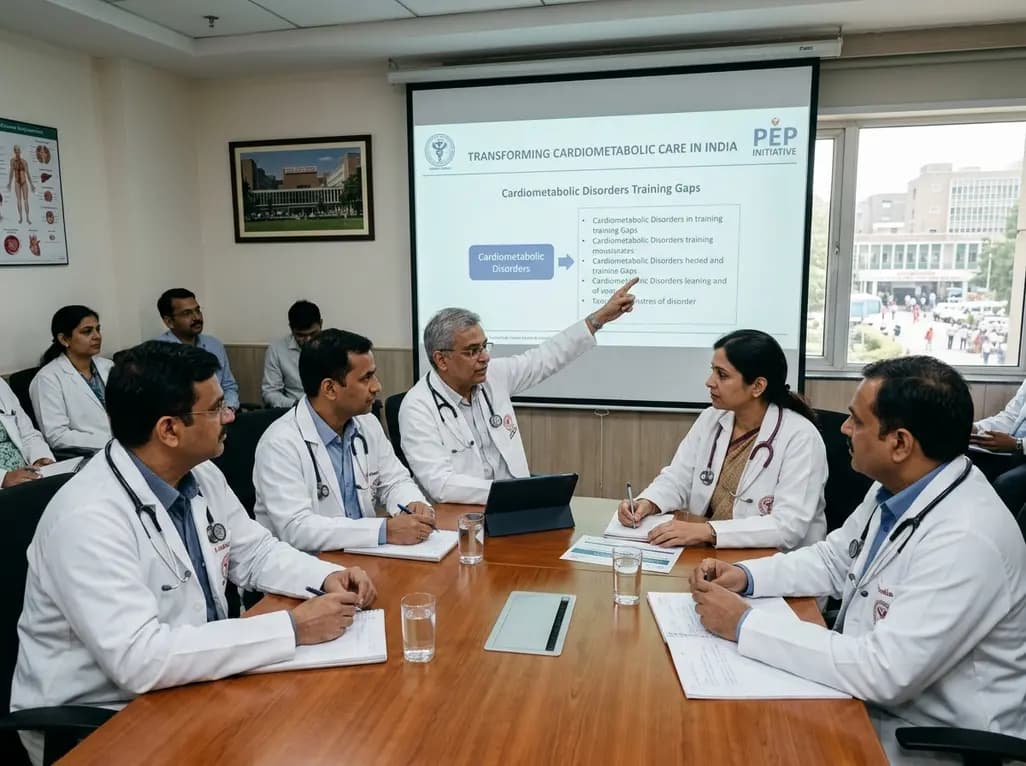
The All India Institute of Medical Sciences has convened national health experts, policymakers, and state nodal officers to transform medical training for cardiometabolic disorders. This collaborative effort under the PEP initiative addresses training gaps to elevate chronic disease care across Indian healthcare.
Today
A systematic review and meta-analysis of 21 RCTs reveals that platelet-rich plasma provides small but statistically superior pain relief and functional improvements compared to hyaluronic acid at 12 months in knee osteoarthritis, influenced by platelet concentration and leukocyte enrichment.
Today
A multicenter real-world prospective study in Taiwan demonstrates that liraglutide effectively reduces body weight and BMI standard deviation score in adolescents with obesity. The therapy shows a favorable safety profile with mild gastrointestinal adverse events and zero treatment discontinuations due to intolerance.
Today
