.webp&w=384&q=75)

Loading, please wait...
Loading, please wait...
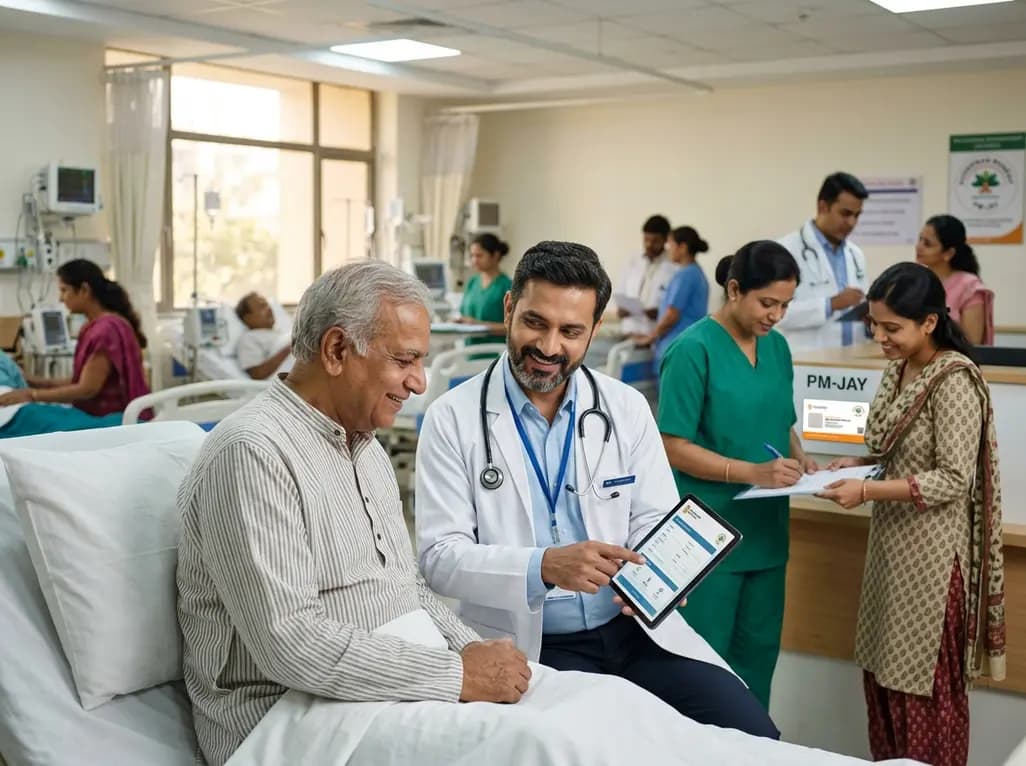
Addressing medical leaders at Aarogya Manthan 2026, Union Health Minister J P Nadda highlighted the profound social impact of the Ayushman Bharat PM-JAY ecosystem. Historically, catastrophic illness plunged millions of vulnerable families into deep financial distress. Consequently, patients frequently sold residential property and agricultural land to finance secondary and tertiary clinical procedures. Today, India operates the largest public health assurance program worldwide. The scheme safeguards vulnerable households from financial ruin while modernizing digital hospital administration across all tiers of clinical practice.
During the inaugural address, the Health Minister shared that the scheme has funded over 13 crore hospital admissions. Furthermore, the financial value of these clinical interventions exceeds Rs 2 lakh crore across participating centers. The entitlement network now protects more than 60 crore citizens nationwide. In addition, national portability empowers internal migrant workers to access tertiary care across state boundaries seamlessly. Consequently, tertiary hospitals in major metropolitan hubs provide uninterrupted critical care to patients regardless of domicile.
Previously, underprivileged patients lacked financial protection for major cardiovascular surgery or comprehensive oncology therapies. For example, local representatives routinely struggled to secure discretionary state relief funds for complex coronary bypass operations. Today, cashless empanelment provides dignified, timely intervention across thousands of accredited public and private healthcare centers. Therefore, clinicians can focus on evidence-based delivery without administrative delays linked to upfront payments.
A pivotal policy expansion discussed at the conclave extends full scheme coverage to all senior citizens aged 70 and older. Crucially, this geriatric benefit applies universally, regardless of family income or socioeconomic background. Eligible elders receive a distinct identification card providing dedicated yearly coverage of up to Rs 5 lakh. Moreover, families already registered under the scheme gain this entitlement as a non-shared, separate top-up allotment.
This demographic transition directly addresses India's escalating chronic non-communicable disease burden. Senior citizens often face severe cardiovascular disorders, degenerative joint diseases, neurological impairment, and prolonged oncological therapies. Therefore, dedicated financial protection mitigates catastrophic personal expenditures during retirement years. Additionally, elders who hold private health coverage remain fully eligible to access these state-backed insurance benefits. Consequently, geriatricians and primary physicians can now coordinate comprehensive multidisciplinary management plans with minimal fear of out-of-pocket dropouts.
The conference also commemorated five years of the Ayushman Bharat Digital Mission (ABDM). Over 97.8 crore Ayushman Bharat Health Accounts (ABHAs) now exist across the country. Furthermore, participating institutions have digitally linked over 121 crore verified clinical records into this longitudinal network. More than 5.6 lakh healthcare facilities and approximately 11 lakh licensed medical professionals currently populate the registry.
Consequently, digital health infrastructure is transitioning Indian medicine away from fragmented paper documentation. By utilizing ABHA accounts, clinicians rapidly access vital patient histories, diagnostic panels, and operative summaries across referral pathways. Thus, emergency physicians can instantly verify allergic reactions, preexisting metabolic conditions, and prior surgical records. Similarly, patient consent protocols guarantee strong data sovereignty while eliminating redundant diagnostic testing across different hospital networks.
Administrative inefficiency and delayed claims processing have historically challenged private and public hospital finances. To resolve these friction points, the National Health Authority launched the National Health Claims Exchange (NHCX). This unified digital highway connects empanelled hospitals, third-party administrators, and insurance payers onto an interoperable claims gateway. In addition, Aarogya Manthan 2026 introduced the formal NHCX implementation guide alongside automated claim adjudication frameworks.
Standardized data exchange significantly curtails administrative overhead for hospital billing departments. Furthermore, digital processing reduces turnaround times for pre-authorizations and final discharge settlements. As a result, empanelled medical centers experience improved cash flow stability and reduced operational friction. Simultaneously, health authorities leverage automated machine algorithms to identify fraudulent claims, ensuring program sustainability and transparent public expenditure across all states.
Future iterations of the assurance program prioritize clinical excellence, longitudinal care continuity, and rigorous cost-effectiveness. In particular, the Indian Council of Medical Research has developed more than 150 standard treatment workflows. These algorithms guide empanelled hospitals toward consistent clinical pathways, uniform prescribing habits, and standardized surgical interventions. Therefore, clinical governance protects patients against arbitrary variations in medical practice.
Meanwhile, the Health Technology Assessment in India (HTAIn) division under the Department of Health Research evaluates therapeutic cost-effectiveness. By measuring quality-adjusted outcomes against budgetary impact, policymakers establish evidence-based reimbursement tariffs for advanced surgical hardware and innovative therapeutics. Additionally, the National Health Authority partnered with the Indian Institute of Science to build the Secure Data Environment. This isolated computational platform enables certified researchers to analyze anonymized datasets responsibly, driving artificial intelligence innovations that address distinct public health priorities.
Q1: What major geriatric benefit did the government introduce under the scheme?
The government extended comprehensive coverage to all senior citizens aged 70 and above, regardless of family income or economic status. Eligible individuals receive a dedicated Ayushman card providing Rs 5 lakh in annual coverage. Furthermore, enrolled families receive this entitlement as a separate top-up allotment that does not diminish the healthcare benefits assigned to younger family members.
Q2: How does the National Health Claims Exchange benefit empanelled hospitals?
The National Health Claims Exchange provides a single, interoperable digital communication protocol linking hospitals, insurance payers, and third-party administrators. Consequently, it accelerates pre-authorizations, streamlines electronic documentation, and facilitates auto-adjudication of clinical claims. This streamlined process reduces administrative overhead, minimizes discharge waiting times for admitted patients, and ensures rapid reimbursement for participating healthcare institutions across India.
Q3: How does the integration of ICMR treatment workflows ensure clinical quality?
The Indian Council of Medical Research has introduced over 150 standard treatment workflows that provide standardized clinical management algorithms. These evidence-based guidelines ensure uniform clinical practices, reduce inappropriate polypharmacy, and minimize irrational surgical variations across empanelled hospitals. Consequently, medical facilities maintain higher quality standards, optimize therapeutic resource allocation, and enhance clinical safety outcomes for vulnerable patients across every district.
Disclaimer: This content is for informational and educational purposes only. It does not constitute medical advice or replace professional judgment. Refer to the latest local and national guidelines for clinical practice.
References

Read summarized clinical updates, watch expert medical content, and earn CME certifications right from your smartphone.
Open your smartphone camera to scan and install.





At Aarogya Manthan 2026, Union Health Minister J P Nadda highlighted the transformation driven by Ayushman Bharat PM-JAY, funding over 13 crore admissions worth Rs 2 lakh crore. The initiative now integrates senior citizens aged 70 and above, standard treatment workflows, and secure digital health data systems.
Today
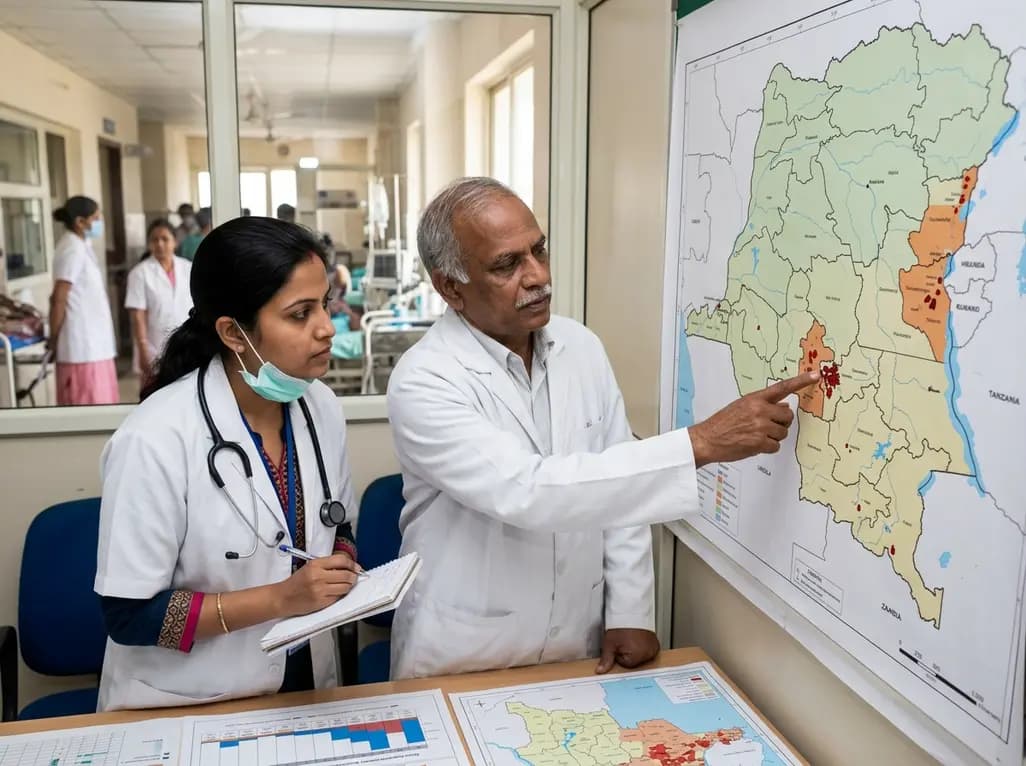
Epidemiologists and health leaders warn that active Ebola virus transmission in the Democratic Republic of Congo remains entrenched within communities. With fewer than ten percent of expected contacts monitored, public health officials urge rapid surveillance scale-up and reinforced healthcare precautions.
Today
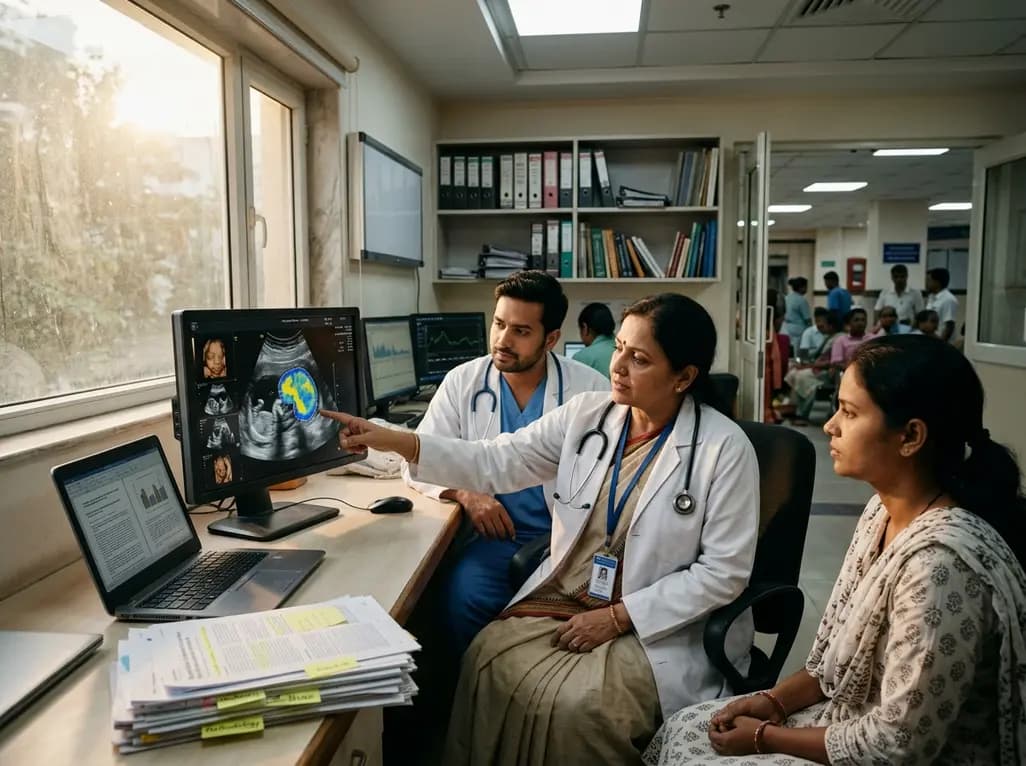
A scoping review evaluates 116 studies on AI in women's reproductive health, finding that 83.6% carry high risk of bias. While ensemble models show promise, disparities and lack of validation hinder LMIC deployment.
Today
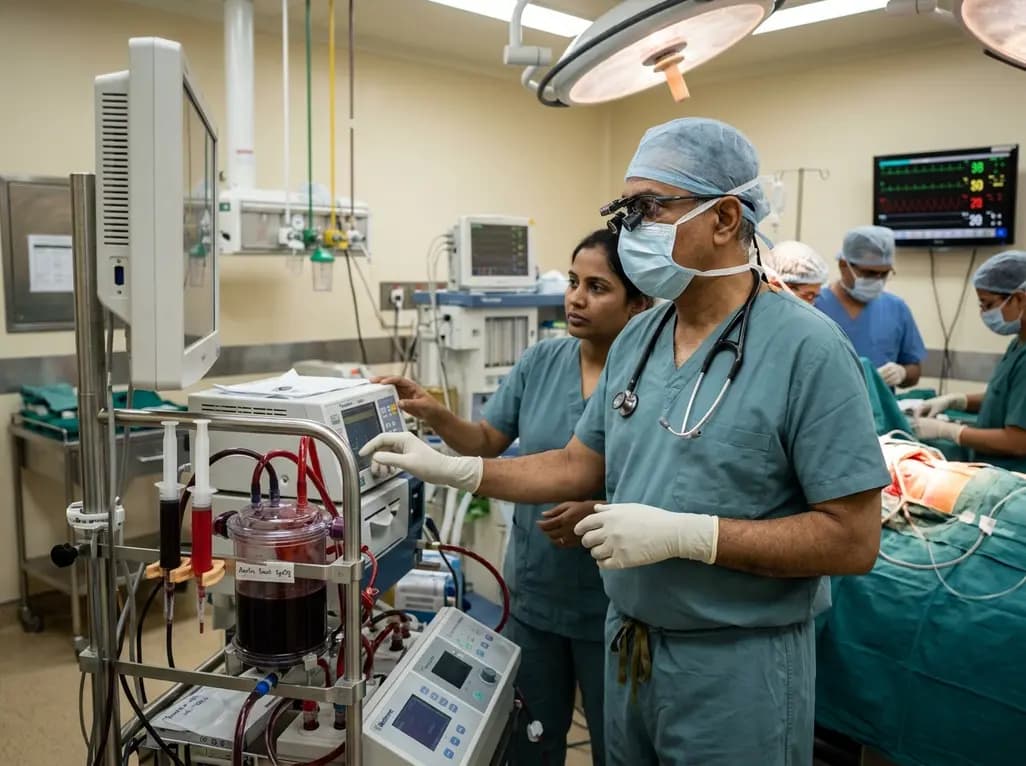
Differential oxygenation during peripheral TA-NRP can cause undetected coronary hypoxemia due to arch vessel clamping. A novel circuit with continuous aortic root monitoring detects desaturation early, facilitating left ventricular unloading and preventing allograft dysfunction and unnecessary heart discard.
Today

India faces significant opportunities to expand medical device exports to high-growth markets like Mexico, Brazil, and the UK. By addressing its trade deficit, advancing domestic component manufacturing, and aligning with global regulatory standards, the country aims to become an international healthcare hub.
Today
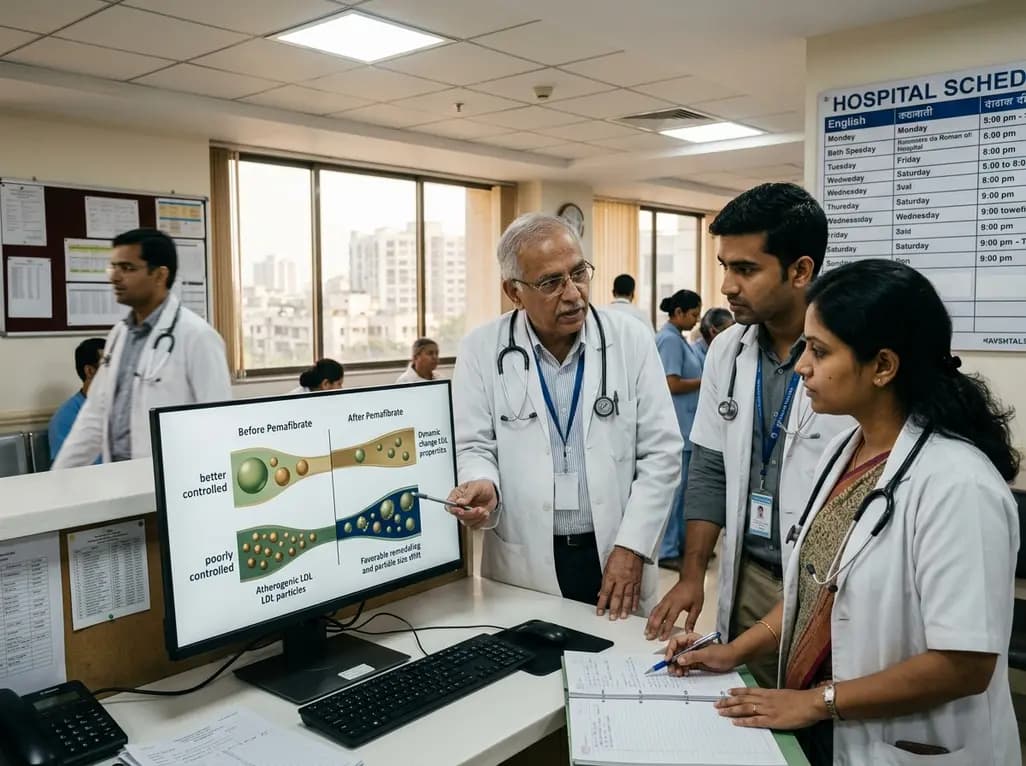
A post hoc analysis of the PARM-T2D study shows pemafibrate exerts baseline-dependent effects on LDL-C and particle size in type 2 diabetes and hypertriglyceridemia. It lowers triglycerides and remnants while favorably remodeling atherogenic LDL particles based on initial lipid control status.
Today
