

Loading, please wait...
Loading, please wait...
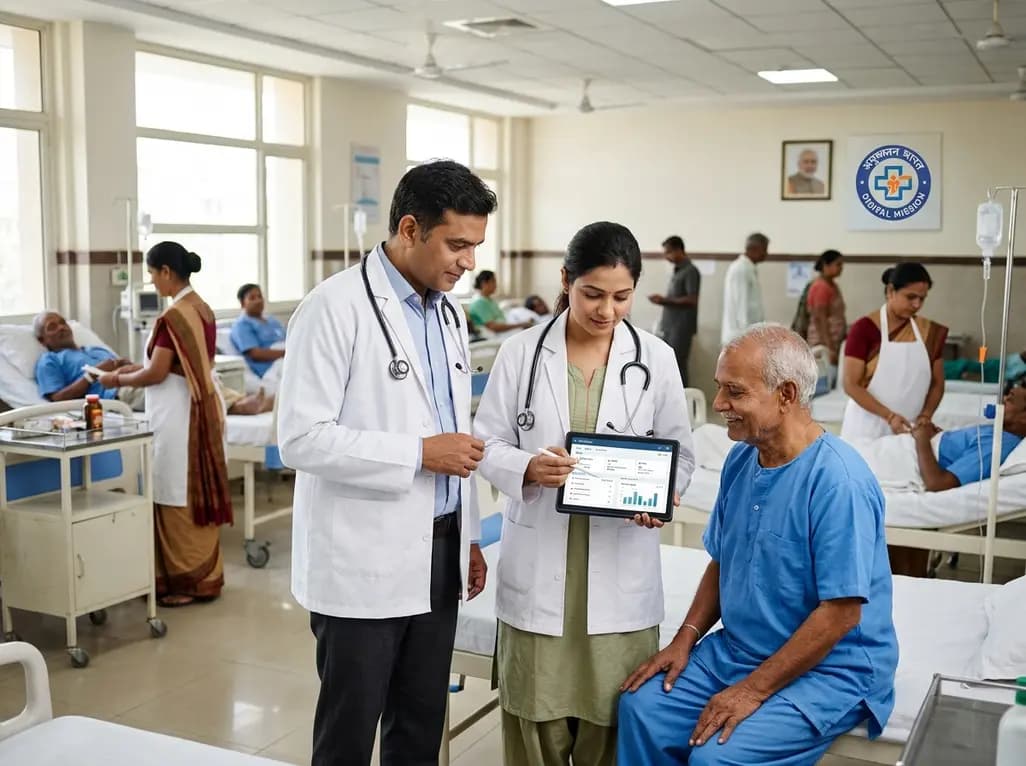
The digitisation of Indian medicine is reshaping modern clinical delivery. Through the Ayushman Bharat Digital Mission, India is establishing an interconnected, nationwide health architecture. Furthermore, structured clinical information offers medical practitioners unprecedented diagnostic clarity. Consequently, healthcare institutions must adapt their operational systems to support unified national health standards.
The Ayushman Bharat Digital Mission establishes an open, federated digital infrastructure for healthcare facilities nationwide. Therefore, patient health records no longer remain confined to physical paper files or isolated proprietary software. The National Health Authority spearheads this monumental transformation through standardized health communication protocols. Under this unified framework, the Ayushman Bharat Health Account serves as the core digital identifier for every citizen. Clinicians can retrieve longitudinal diagnostic records after securing explicit, verified patient consent. In addition, this decentralized architecture guarantees that medical data remains at the point of clinical generation. Healthcare facilities retain full data custody while facilitating secure interoperability through open national standards. Consequently, hospital administrators can modernize their departmental workflows without compromising patient privacy or data integrity. This structural shift effectively mirrors nationwide financial reforms by creating reliable, standard digital conduits. Furthermore, the architecture eliminates unnecessary administrative duplication across busy tertiary health centers. As a result, clinical teams can dedicate significantly more time to direct diagnostic evaluations and acute therapeutic care. By enforcing consistent health data exchange standards, the platform bridges the divide between primary clinics and super-specialty hospitals. Ultimately, this foundational architecture provides the structural bedrock for modern, evidence-based digital medicine across India.
Interoperability remains a critical prerequisite for delivering continuous and safe patient care across healthcare networks. Historically, fragmented medical records forced Indian physicians to practice within isolated diagnostic silos. Furthermore, repeated diagnostic investigations frequently cause severe financial exhaustion for vulnerable families. The integration of ABHA identifiers solves this clinical dilemma by streamlining longitudinal medical documentation. Consequently, an emergency room physician can instantly access baseline electrocardiograms or medication registries recorded elsewhere. Structured electronic health records utilize Fast Healthcare Interoperability Resources to maintain strict diagnostic fidelity. In addition, interoperable systems drastically minimize prescription errors by highlighting chronic comorbidities and known drug allergies. Medical specialists no longer need to interpret incomplete physical paper prescriptions during urgent transfers. Instead, clinicians obtain an accurate timeline of prior therapeutic regimens and surgical procedures. Therefore, therapeutic decision-making becomes inherently faster, safer, and remarkably precise. Moreover, universal identifier adoption creates cohesive referral pathways between peripheral health posts and metropolitan institutions. Thus, medical providers can ensure seamless continuum of care across diverse healthcare tiers. Ultimately, standardized digital health identifiers safeguard patients while providing practitioners with indispensable diagnostic clarity across inpatient and outpatient care environments.
Aggregated and structured health data represents an extraordinary technological goldmine for medical science and public health. When clinicians curate standardized electronic records, artificial intelligence algorithms can extract actionable epidemiological patterns. However, unstructured medical notes often impair the predictive accuracy of modern computational tools. Standardized longitudinal data enables machine learning models to detect emerging infectious outbreak clusters with remarkable speed. In addition, predictive analytics forecast hospital bed shortages, oxygen requirements, and regional antibiotic resistance trends. Clinicians can also utilize validated computer vision algorithms to identify subtle radiological abnormalities at earlier stages. Therefore, clinical artificial intelligence acts as an indispensable cognitive co-pilot rather than an autonomous replacement for doctors. Furthermore, aggregated epidemiological data accelerates the discovery of localized risk factors for chronic non-communicable diseases. Healthcare policymakers can effectively tailor preventive public health programs to address specific demographic vulnerabilities. As a result, clinical interventions shift from reactive crisis management toward proactive, population-wide preventive healthcare. Moreover, clinical research organizations gain high-quality real-world evidence to optimize pharmacological trials across diverse communities. Consequently, the convergence of robust data architecture and artificial intelligence creates unprecedented breakthroughs for clinical governance and therapeutic efficiency.
Healthcare authorities recognize that medical excellence requires uncompromising safety benchmarks across all healthcare institutions. Prof Dr M Srinivas urged hospitals to transcend routine care by establishing universal baseline standards. Consequently, every hospital in India must implement structured clinical audit systems and safety protocols. Administrators must cultivate an institutional environment where error reporting drives systematic quality improvements. In addition, standardized clinical pathways reduce hospital-acquired infections, surgical complications, and adverse pharmacological events. National accreditation frameworks provide clear parameters for evaluating clinical outcomes, sanitation protocols, and staff competence. Furthermore, digital traceability allows hospital safety committees to monitor compliance with hygiene protocols and surgical check-lists. Transparent digital reporting also establishes enduring public trust between medical establishments and patient communities. However, safety benchmarks must apply uniformly across small community hospitals and elite corporate facilities. Thus, the global medical community will recognize Indian healthcare institutions for outstanding clinical reliability. Moreover, robust clinical protocols protect doctors and nursing staff from systemic burnout by clarifying emergency workflows. Ultimately, embedding mandatory quality standards elevates the international reputation of India's medical delivery system and assures patients of standardized care.
Equitable healthcare distribution remains an urgent priority for national development and universal health coverage. Currently, advanced tertiary infrastructure remains heavily concentrated within metropolitan tier-1 urban centers. Therefore, private healthcare providers must actively expand modern facilities into rapidly growing tier-2 and tier-3 towns. This geographical decentralization prevents rural and semi-urban patients from enduring catastrophic out-of-pocket travel expenses. Furthermore, private hospital participation in universal health assurance schemes enhances financial protection for marginalized households. By linking peripheral centers through digital telemedicine corridors, specialists can guide local general practitioners through complex emergencies. In addition, expanding advanced diagnostic infrastructure into semi-urban zones encourages early detection of non-communicable diseases. Local clinicians can manage diabetes, hypertension, and early oncological conditions before complications require emergency tertiary transfers. Consequently, regional healthcare ecosystems experience reduced inpatient congestion and improved survival statistics. Moreover, deploying digital health infrastructure in smaller districts attracts qualified young medical specialists to rural practices. Thus, equitable healthcare expansion directly mitigates geographic disparities in clinical outcomes. Ultimately, public-private synergy across secondary towns ensures that high-quality clinical care becomes universally accessible to every citizen regardless of socioeconomic background or geographic location.
Q1: How does the Ayushman Bharat Digital Mission protect patient data privacy?
The mission implements a federated architecture where personal medical records remain at the generating hospital rather than in a central government repository. Furthermore, data sharing requires explicit, time-bound consent from the patient through the Health Information Exchange and Consent Manager. All participating software applications must undergo rigorous security audits in an authorized sandbox environment. Consequently, patients maintain complete autonomy over who accesses their diagnostic information and therapeutic histories.
Q2: Why is interoperability essential for clinical electronic health records in India?
Interoperability allows disparate electronic medical record systems to communicate seamlessly using unified Fast Healthcare Interoperability Resources standards. Therefore, clinicians can immediately view prior laboratory findings, medication lists, and imaging studies from any registered facility nationwide. In addition, this continuous record exchange eliminates redundant diagnostic testing and minimizes fatal adverse drug interactions. Consequently, interoperable systems streamline emergency triage, improve clinical decision accuracy, and substantially reduce overall treatment costs for families.
Q3: How do minimum hospital safety standards impact private healthcare providers?
Establishing baseline quality standards requires private facilities to standardize clinical audit systems, infection control protocols, and incident reporting mechanisms. Moreover, these mandatory benchmarks ensure uniform patient safety regardless of hospital bed capacity or location. Compliance with standardized safety guidelines also protects healthcare personnel by minimizing occupational risks and legal exposure. Consequently, private hospitals that adopt these transparent quality standards build enduring public trust and enhance their clinical reputation globally.
Disclaimer: This content is for informational and educational purposes only. It does not constitute medical advice or replace professional judgment. Refer to the latest local and national guidelines for clinical practice.
References

Read summarized clinical updates, watch expert medical content, and earn CME certifications right from your smartphone.
Open your smartphone camera to scan and install.





Discover how the Ayushman Bharat Digital Mission leverages ABHA identifiers, structured EHR interoperability, and artificial intelligence to redefine clinical care across India and the Global South. Explore Dr. M. Srinivas's call for nationwide hospital safety standards and equitable tier-2 and tier-3 expansion.
Today

Recent rapid autopsy cohorts and tissue biopsy studies reveal that tissue immune cell phenotypes differ substantially from peripheral blood. These findings uncover how viral reservoirs persist in sanctuary anatomical sites, providing critical clues for developing targeted HIV eradication strategies.
Today
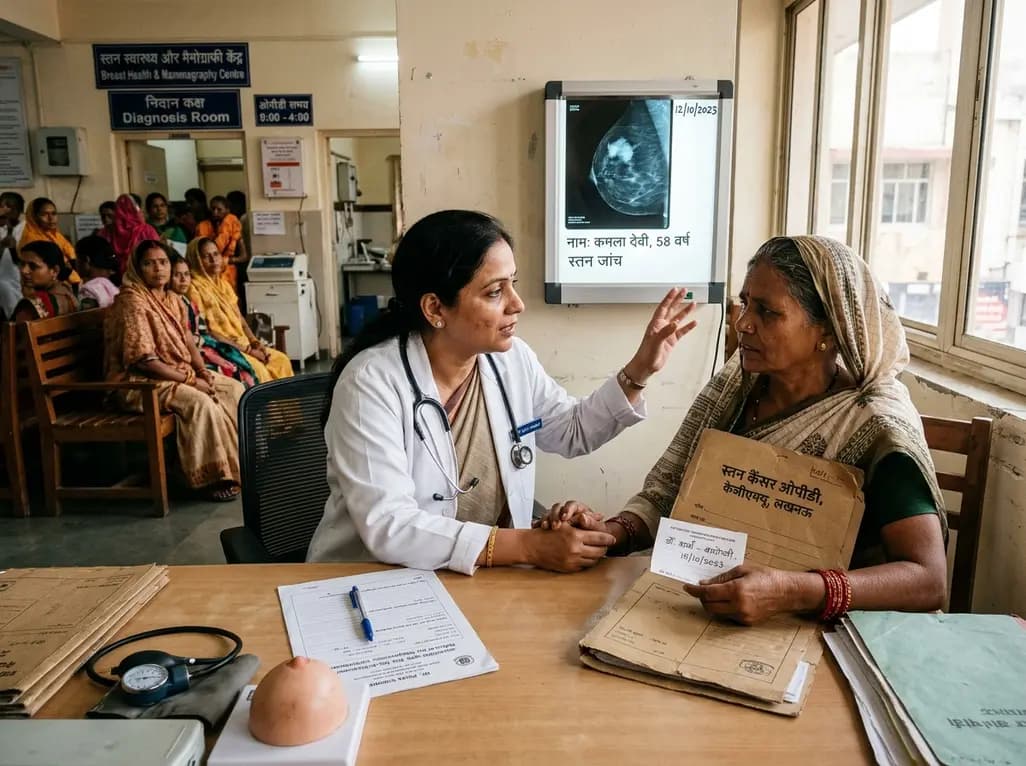
A KGMU study reveals over half of women with breast abnormalities fail to undergo diagnostic confirmation, leading to advanced-stage detection. Discover the socio-cultural barriers, clinical risks of incomplete resection, and community-level solutions needed to bridge the critical screening-to-diagnosis gap in India.
Yesterday
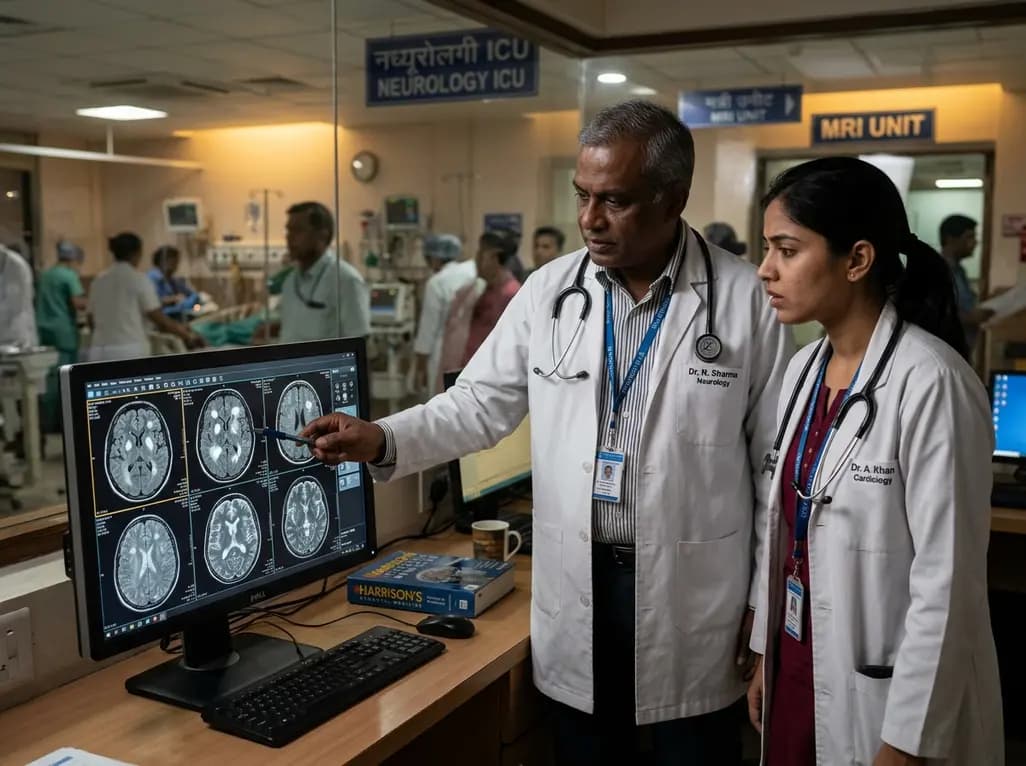
Recent findings from the VESUVE study demonstrate that brain MRI detects intracranial lesions in over 76% of patients with infective endocarditis. Acute ischemic stroke and subarachnoid hemorrhage independently elevate six-month mortality, underscoring the critical prognostic utility of neuroimaging.
Today
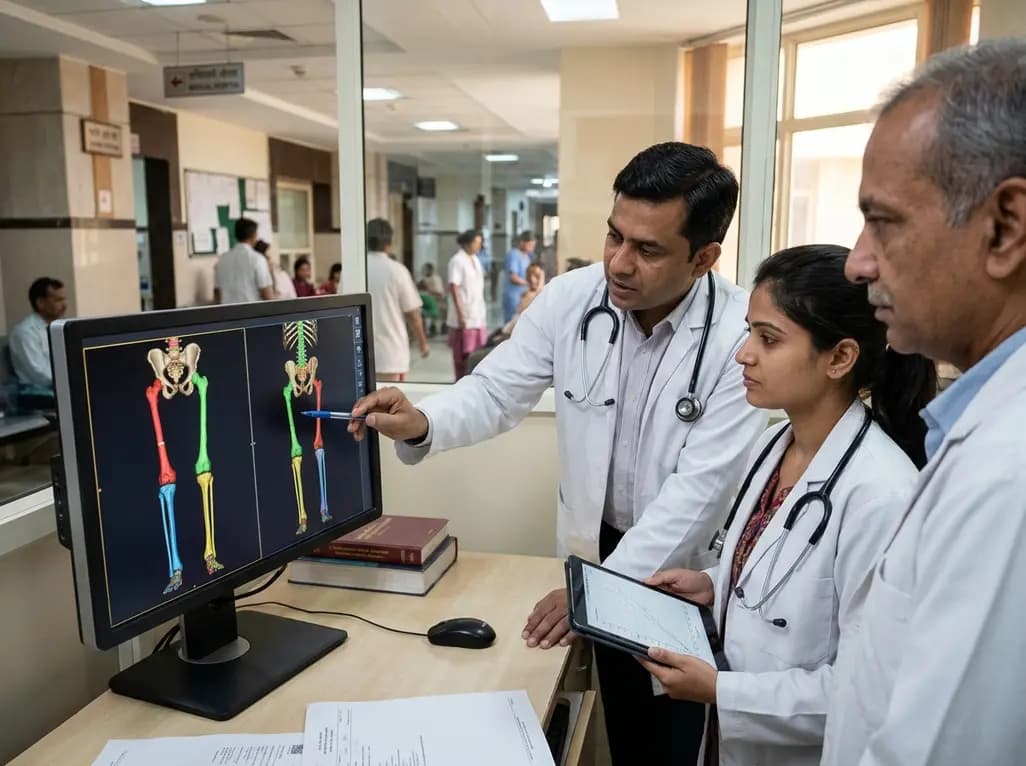
Modern 3D anthropometry reveals that pediatric leg growth ceases years before spinal elongation, exposing the clinical illusion of the classical Anderson-Green model. Learn how segmental growth dissociation improves surgical timing for epiphysiodesis in adolescent leg length discrepancy.
Today

A meta-analysis of 18 studies reveals that bariatric surgery does not significantly alter circulating homocysteine levels, regardless of follow-up duration. Clinicians must maintain vigilance over post-surgical micronutrient supplementation to prevent hyperhomocysteinemia.
Today
