.webp&w=384&q=75)

Loading, please wait...
Loading, please wait...
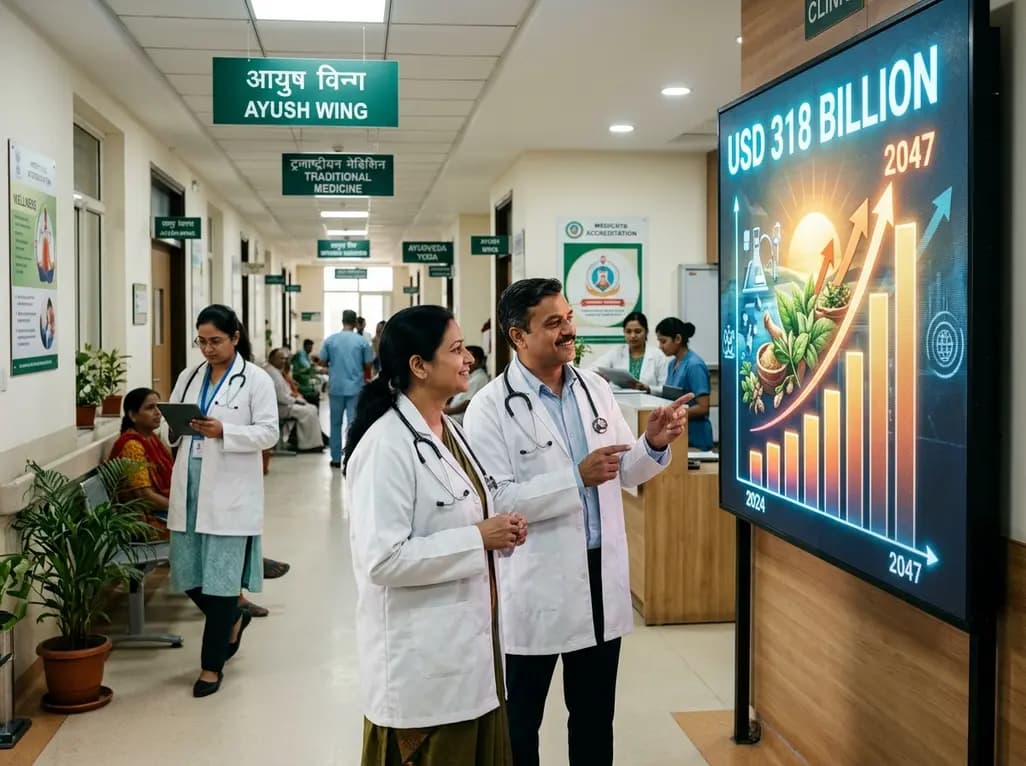
India is witnessing a profound transformation across its traditional healthcare landscape. The rapid expansion of the Ayush services sector highlights a decisive shift toward holistic and preventive clinical interventions. Recent economic assessments demonstrate that traditional healthcare systems now operate as powerful engines of national wellness and financial progress.
A landmark study by the Research and Information System for Developing Countries provides clear insights into traditional medicine. Researchers surveyed 15,914 healthcare establishments across all six recognized Ayush disciplines. Consequently, the findings establish that the sector contributed approximately USD 36.92 billion during the 2024-25 fiscal period. Furthermore, projections indicate that this dynamic ecosystem could expand to between USD 216 billion and USD 318 billion by 2047. This growth trajectory reflects a compound annual growth rate of nearly seventeen percent since 2022. Moreover, traditional medicine has clearly moved away from being a peripheral service. Today, it functions as a structured and knowledge-based care economy. The study also confirms that the sector directly supports 1.76 million professional livelihoods across the country. In addition, women comprise forty-three percent of the overall workforce, demonstrating strong gender equity. In several organized care facilities, female participation actually exceeds fifty percent. Therefore, these establishments offer vital economic opportunities while providing patient-centered therapeutic care. As clinical demand continues to rise, the economic footprint of traditional healthcare will continue to accelerate nationwide. Consequently, policymakers view these findings as a foundation for targeted health investments and comprehensive structural reforms.
Primary and ambulatory care facilities form the bedrock of traditional service delivery in India. According to recent survey data, outpatient clinics and day-care facilities account for over seventy-one percent of total industry revenue. Specifically, standalone clinics generated an impressive USD 16.21 billion during the evaluated period. Meanwhile, dedicated day-care centers contributed an additional USD 10.13 billion to the overall healthcare market. These community facilities also sustain more than one million primary jobs, anchoring healthcare delivery in urban and rural regions alike. Among the traditional medical disciplines, Ayurveda represents the dominant therapeutic system. In fact, Ayurveda generated USD 17.73 billion, representing nearly forty-eight percent of aggregate service revenue. Concurrently, the wellness sector has witnessed unprecedented consumer interest and financial momentum. Yoga centers, specialized retreats, and therapeutic spas achieved an impressive annual expansion rate above twenty-one percent. In particular, yoga centers alone recorded a remarkable seventy-five percent revenue increase over a two-year period. Thus, preventive therapies and lifestyle management attract growing numbers of health-conscious individuals. Furthermore, outpatient providers continue to diversify treatment modalities, creating sustainable growth across regional communities. Consequently, primary care clinicians benefit from robust local referral patterns and steady patient flow.
Cross-border medical tourism represents an increasingly vital avenue for clinical expansion. During the 2024-25 period, international travel for traditional care generated USD 1.77 billion in revenue. Although foreign patients represent merely five percent of total clinical attendance, their financial contribution is profound. In fact, international visitors account for fifteen to twenty-five percent of overall hospital revenues. Traditional therapies frequently demand extended therapeutic regimens, which significantly lengthens clinical interaction. For example, residential yoga therapies and classical Panchakarma protocols require sustained inpatient monitoring. Consequently, foreign medical travelers maintain an average clinical length of stay between five and eleven days. This duration provides healthcare practitioners with extended observation windows to assess therapeutic efficacy. Additionally, digital infrastructure heavily influences cross-border decisions. Facilities with dedicated, functional websites experience 3.6 times higher odds of attracting overseas patients. Similarly, standard accreditation from bodies like NABH or ISO doubles international patient attraction. Therefore, modern healthcare facilities must modernize their web infrastructure and clinical documentation. By establishing validated clinical standards, Indian centers can readily establish lasting global trust and attract international clientele. Furthermore, these findings encourage hospital administrators to pursue international accreditations to maximize patient flow and foreign exchange earnings.
To reach the projected USD 318 billion milestone by 2047, Indian stakeholders must address critical structural priorities. The RIS research report identifies four strategic pillars to reinforce institutional capability across the healthcare landscape. First, institutions must strengthen the traditional knowledge value chain through robust scientific inquiry. Practitioners should generate verifiable clinical evidence through structured trials and translational research. Second, medical organizations need to scale their enterprise capabilities and management operations. Third, healthcare administrators must enhance global competitiveness by standardizing service protocols. Finally, institutions must embrace digital innovation and artificial intelligence to refine diagnostic workflows. In addition, quality accreditation through NABH remains essential for establishing institutional credibility. Standardized clinical practice protects patient safety and elevates care consistency across varied treatment facilities. Furthermore, widespread workforce training ensures that therapists master modern sanitary guidelines and safety practices. Digitizing health records also enables comprehensive clinical tracking and simplifies collaborative cross-specialty reviews. Consequently, these structural interventions will bridge classical therapeutic principles with contemporary healthcare standards, elevating medical excellence nationally. Moreover, modernizing these foundational systems empowers local clinics to enter mainstream insurance networks, substantially reducing out-of-pocket costs for regular Indian patients.
For contemporary medical practitioners, the massive expansion of traditional medicine offers compelling opportunities for collaborative patient management. Modern physicians frequently encounter patients utilizing complementary therapies for chronic conditions, such as osteoarthritis, metabolic disorders, and psychosomatic illness. Therefore, clinicians must foster transparent communication regarding concurrent treatments to prevent adverse interactions. Systematic integration requires clinicians to understand standardized traditional therapies, including therapeutic massage, Panchakarma, and regulated herbal remedies. In addition, evidence-based integration creates clear synergy between conventional pharmacotherapy and lifestyle modifications. For instance, supervised yoga practice significantly improves glycemic control in patients with type 2 diabetes. Similarly, customized Ayurvedic dietary protocols support long-term digestive rehabilitation in functional gastrointestinal disorders. However, clinicians must maintain rigorous vigilance concerning herb-drug interactions, particularly with anticoagulants, immunosuppressants, and hypoglycemic agents. Furthermore, interprofessional collaboration allows doctors to design holistic, multi-modal care plans that address physical and emotional recovery. As traditional healthcare facilities adopt standardized electronic health records, communication between allopathic physicians and traditional practitioners will become significantly smoother. Thus, constructive clinical dialogue ensures comprehensive patient safety, optimizes therapeutic outcomes, and modernizes integrative healthcare across India. Consequently, patients achieve superior restorative outcomes through coordinated therapeutic guidance.
Q1: What key factors drive the projected expansion of traditional medicine to USD 318 billion by 2047?
Several vital developments propel this economic expansion. First, consumer interest in preventive lifestyle management and non-invasive remedies continues to surge. Second, rapid growth in outpatient clinics and specialized day-care facilities expands community access. Third, increasing medical value travel attracts foreign patients seeking Panchakarma and therapeutic yoga. Finally, nationwide investments in quality accreditation, digital health infrastructure, and standardized research validate these modalities, enabling broader global market integration and sustainable economic development.
Q2: How does quality accreditation impact medical value travel within traditional care facilities?
Quality accreditation significantly elevates patient confidence and hospital revenue. Empirical research shows that facilities possessing recognized certifications, such as NABH or ISO, double their odds of attracting international medical travelers. In addition, maintaining a functional, dedicated website increases these odds by 3.6 times. Certified centers demonstrate verified hygiene, standardized therapeutic protocols, and professional care standards. Consequently, foreign medical travelers feel assured, leading to higher admissions, extended therapeutic stays, and increased institutional revenue.
Q3: Why should conventional physicians monitor patient engagement with traditional therapeutic modalities?
Modern physicians must track complementary therapies to protect patient safety and optimize clinical outcomes. Many patients take herbal preparations concurrently with prescription medications, introducing possible risks of metabolic or pharmacokinetic interactions. For example, specific herbal extracts alter hepatic drug metabolism or amplify anticoagulant activity. By proactively discussing traditional therapies, doctors can identify potential interactions, modify dosages appropriately, reinforce evidence-based lifestyle changes, and collaborate with certified practitioners to create safe, comprehensive, and patient-centered management plans.
Disclaimer: This content is for informational and educational purposes only. It does not constitute medical advice or replace professional judgment. Refer to the latest local and national guidelines for clinical practice.
References

Read summarized clinical updates, watch expert medical content, and earn CME certifications right from your smartphone.
Open your smartphone camera to scan and install.





A comprehensive survey reveals that India's Ayush services economy is projected to expand significantly to USD 318 billion by 2047. Driven by standalone clinics, wellness therapies, and medical value travel, the traditional medicine landscape is undergoing rapid modernization, standardisation, and accreditation.
Today
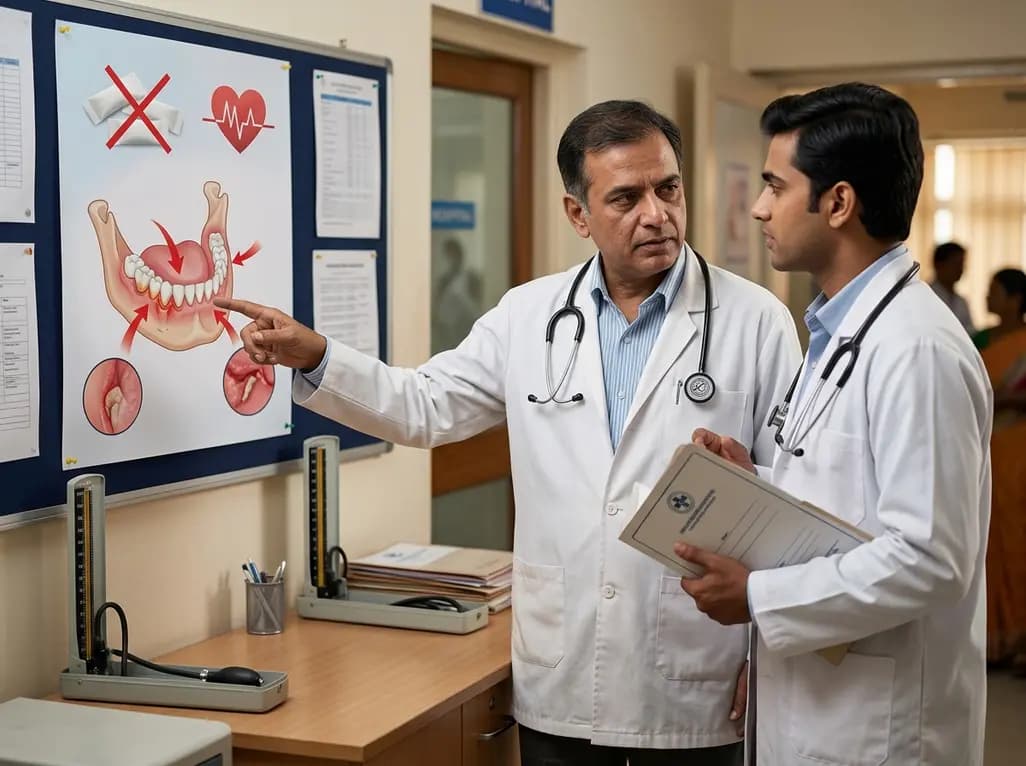
India's health ministry has instructed state authorities to confiscate unapproved oral nicotine products and prosecute unauthorized sellers. Although marketed as smokeless harm-reduction tools, these pouches deliver high doses of nicotine, posing significant cardiovascular, mucosal, and addiction hazards for patients.
Today
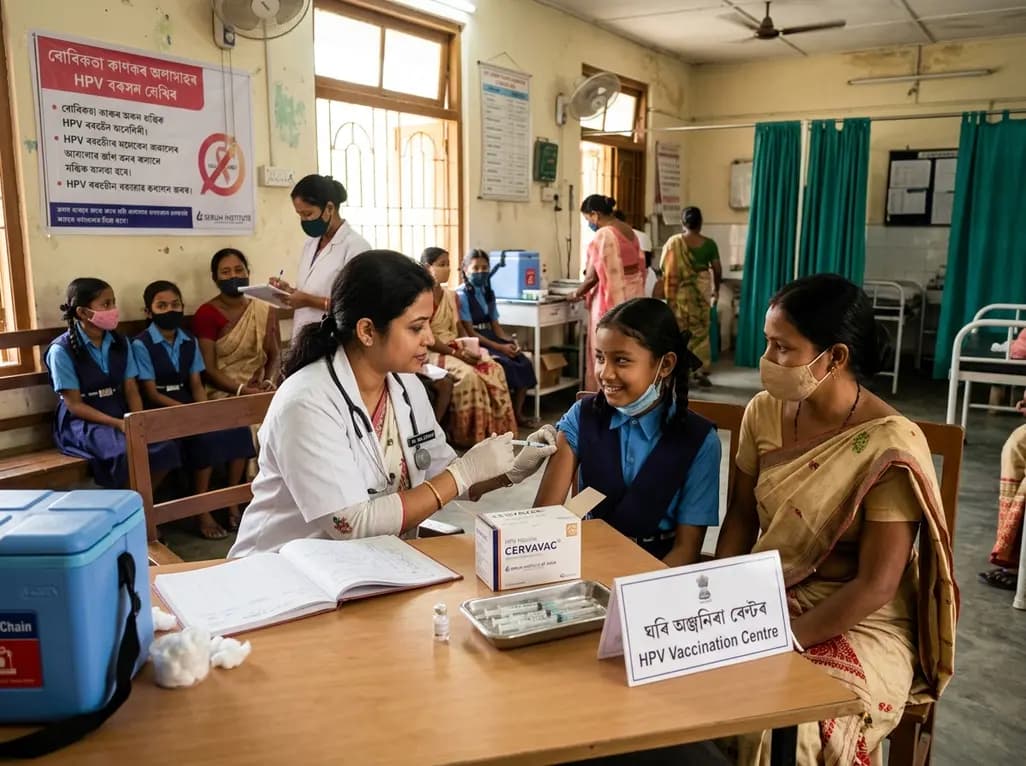
An independent clinical evaluation from Assam confirms the excellent safety profile of CERVAVAC, India's indigenous HPV vaccine. Evaluating 3,800 doses administered to 2,000 young girls, researchers documented zero serious adverse events, providing critical real-world evidence to resolve vaccine hesitancy.
Today
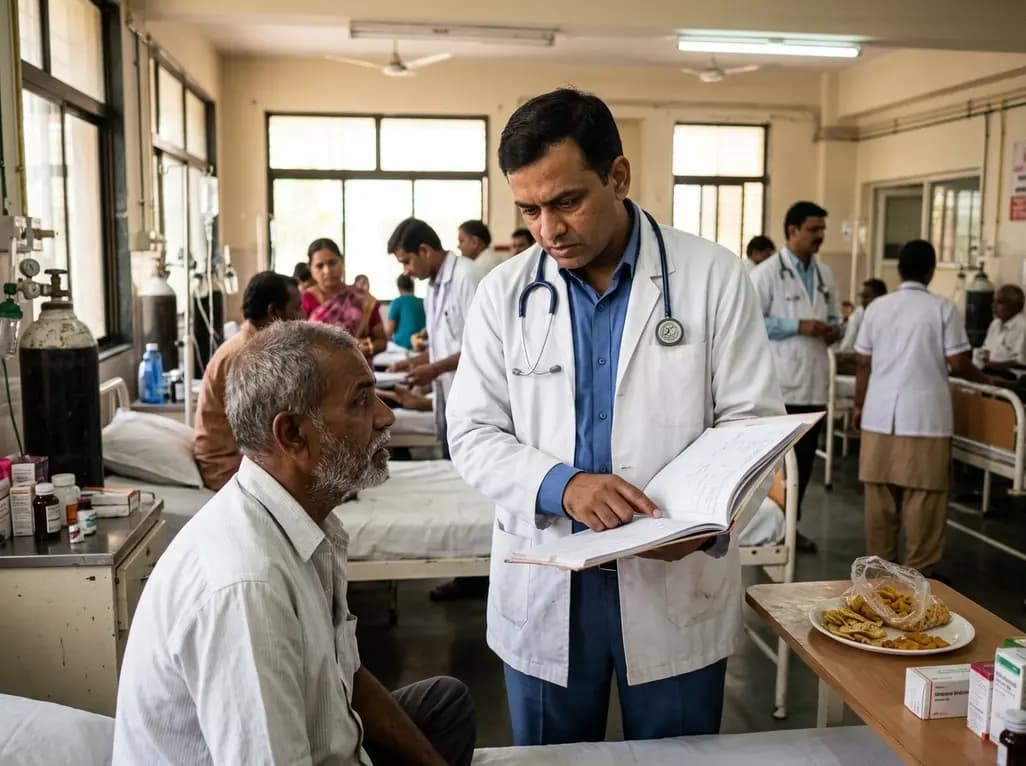
Maharashtra FDA Commissioner Tukaram Mundhe warns that widespread non-compliance with food standards is driving a surge in non-communicable diseases. Healthcare professionals must bridge clinical practice with nutritional vigilance, recognizing dietary quality as a primary driver of premature cardiometabolic conditions.
Today
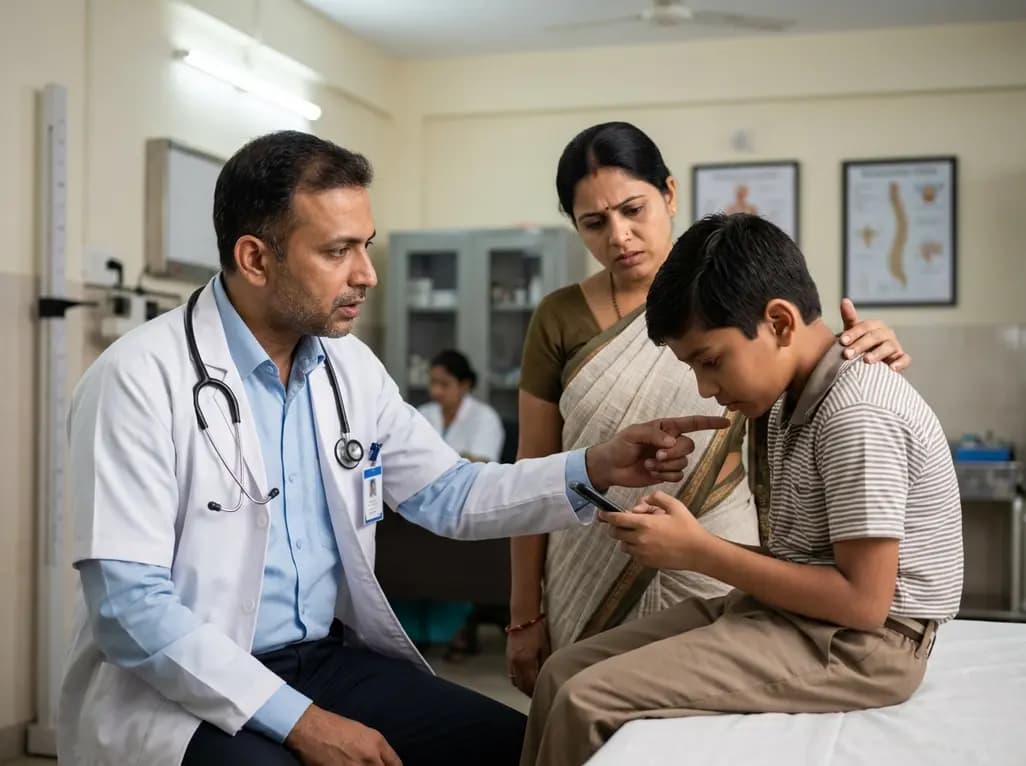
Excessive screen exposure and sedentary routines are driving a silent surge in musculoskeletal pain among young patients. This comprehensive overview examines pediatric cervical strain, biomechanical loads, clinical evidence, and targeted physiotherapy interventions to safeguard growing spinal structures.
Today
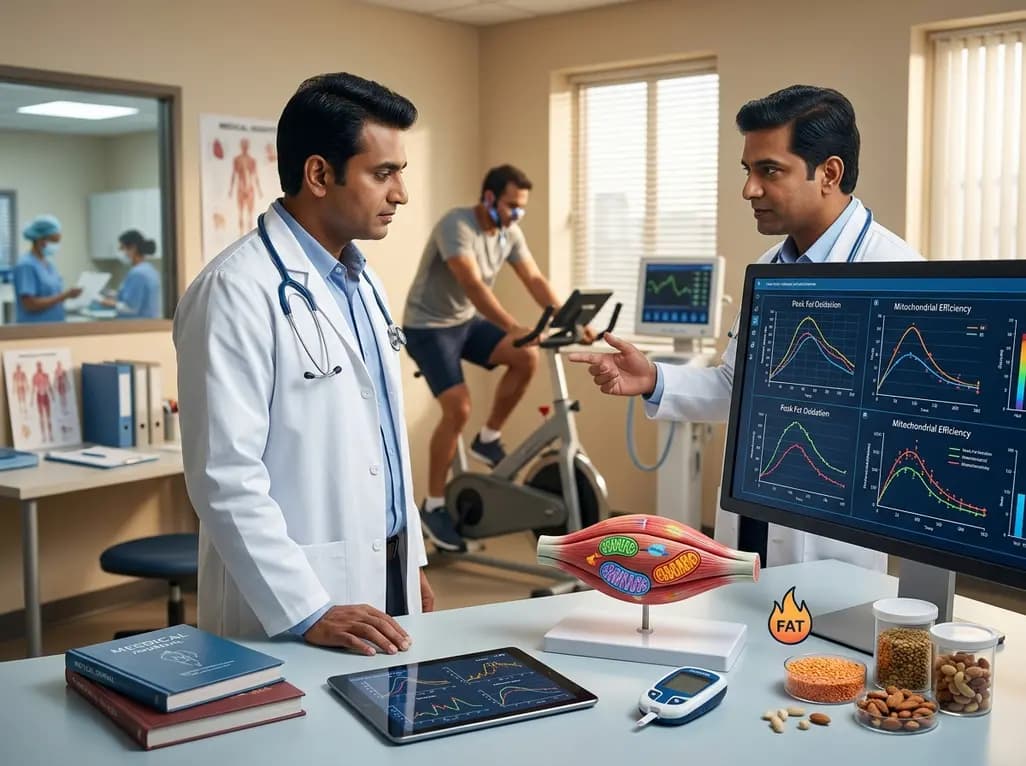
A randomized crossover study reveals that exercise-induced glycogen depletion combined with a low-carbohydrate diet significantly enhances peak fat oxidation without impairing skeletal muscle mitochondrial coupling control or efficiency in healthy trained men.
Today
