.webp&w=384&q=75)

Loading, please wait...
Loading, please wait...

Long COVID fatigue remains one of the most debilitating sequelae confronting clinicians after SARS-CoV-2 infection. Patients frequently report overwhelming exhaustion, unrefreshing sleep, and cognitive fog that standard laboratory evaluations cannot explain. Consequently, clinicians often struggle to quantify these fluctuating symptoms or identify objective physiological triggers. Moreover, emerging research indicates that post-viral dysautonomia plays a central role in driving this persistent disability. Disrupted sympathetic-parasympathetic balance impairs cardiovascular adaptation and prevents deep physiological recovery during rest. Furthermore, patients experience significant day-to-day symptom variability, complicating routine clinical assessments during brief outpatient visits. Traditional cross-sectional studies fail to capture these dynamic daily fluctuations. Therefore, continuous physiological tracking provides essential insights into real-world illness patterns. Digital health devices now allow clinicians to track nocturnal autonomic metrics alongside subjective symptoms. By capturing continuous biometrics over extended periods, researchers can observe how nightly rest interacts with daily physical exertion. Understanding these physiological mechanisms enables physicians to offer targeted guidance. Ultimately, validating the biological basis of patient symptoms reduces psychological distress and fosters therapeutic alliance. Continuous monitoring bridges the gap between patient self-reports and physiological science.
Recent investigations utilize commercial wearable devices to objectively record nocturnal heart rate variability and sleep architecture in affected individuals. Specifically, investigators deployed continuous wearable sensors to gather high-resolution physiological telemetry over several consecutive weeks. Devices recorded nocturnal root mean square of successive differences, high-frequency spectral power, and the low-to-high frequency ratio. Concurrently, wearable algorithms categorized sleep architecture into rapid eye movement stages, deep non-REM stages, and overall sleep efficiency. In addition, patients submitted prompt symptom reports regarding their perceived fatigue and energy through specialized smartphone applications. Researchers collected over six hundred thousand minute-level data points across longitudinal monitoring cohorts. This robust dataset allowed investigators to isolate within-person changes from between-person variance using sophisticated cumulative link mixed models. Consequently, clinicians can now evaluate how subtle nocturnal autonomic disturbances influence daytime functioning on a personalized basis. Wearables offer non-invasive continuous telemetry without imposing undue burden on recovering patients. Moreover, objective nocturnal measurements bypass recall bias, which often compromises retrospective symptom surveys. By tracking heart rate variability alongside sleep stages, digital platforms provide an accessible window into autonomic stability. These innovations establish a practical blueprint for remote monitoring in post-acute syndromes.
Prospective analyses reveal clear correlations between nocturnal physiology and next-day clinical symptoms. Specifically, within-person repeated-measures models demonstrate that total sleep duration correlates inversely with daytime fatigue levels. When participants obtain shorter or disrupted sleep, their morning and afternoon exhaustion increases significantly. Furthermore, reductions in nocturnal parasympathetic activity directly precede exacerbations of daytime lethargy. Depressed high-frequency heart rate variability indicates inadequate vagal reactivation during nocturnal resting cycles. Consequently, the cardiovascular system remains under persistent sympathetic tone, failing to restore metabolic balance before morning waking. In addition, diminished deep non-rapid eye movement sleep severely dampens daytime energy reserves. Patients who lose slow-wave sleep report persistent brain fog and reduced cognitive clarity during work tasks. Interestingly, between-person comparisons often mask these critical physiological links because individual baseline values differ substantially. Disaggregating within-person trends reveals that individual sleep deviations dictate symptom severity on following afternoons. Therefore, clinicians must emphasize consistent sleep duration rather than relying solely on generic population sleep norms. Clinicians should educate patients that minor sleep reductions can trigger substantial fatigue crashes the following day. Proactive sleep preservation directly stabilizes energy capacity across daytime hours.
Crucially, the temporal interaction operates bidirectionally rather than as a one-way physiological street. Severe evening fatigue does not simply vanish at bedtime; instead, elevated exhaustion alters subsequent nocturnal autonomic parameters. When patients experience intense post-exertional fatigue, nocturnal heart rate variability drops during the ensuing sleep period. Elevated sympathetic arousal persists throughout the night, driving nocturnal tachycardia and reducing overall parasympathetic tone. Furthermore, higher evening fatigue predicts fragmented sleep architecture, leading to frequent micro-arousals and decreased deep sleep stages. Patients describe feeling wired yet exhausted, entering a state where unrefreshing rest perpetuates daytime impairment. Consequently, this bidirectional loop creates a compounding cycle of autonomic exhaustion and unrefreshing sleep. In addition, elevated biological stress from daytime physical overexertion inhibits vagal recovery during rapid eye movement sleep. Because the nervous system remains hyperaroused, the nocturnal cardiac restorative phase fails to complete its biological rebuilding. Therefore, severe daytime exertion acts as a physiological stressor that destabilizes autonomic recovery. Recognizing this reverse relationship enables healthcare providers to identify the drivers of chronic symptom chronification. Clinicians must intervene early to interrupt this self-reinforcing vicious cycle before debilitating chronicity solidifies.
These findings provide clear guidance for designing effective clinical management protocols. Because daytime exertion damages nocturnal recovery, clinicians must caution against aggressive physical exercise regimens. Instead, practitioners should recommend structured activity pacing, which balances energy expenditure against individual physiological thresholds. Patients can monitor their real-time heart rate thresholds to avoid triggering post-exertional symptom exacerbations. Furthermore, incorporating autonomic reconditioning techniques helps restore parasympathetic dominance during waking and resting hours. Controlled diaphragmatic breathing, resonance frequency respiration, and gentle stretching stimulate the vagus nerve effectively. Consequently, these practices lower resting heart rate, improve high-frequency heart rate variability, and facilitate deeper slow-wave sleep. In addition, physicians should optimize sleep hygiene practices by advising strict schedules, screen-free evenings, and cool sleeping environments. Clinicians can also review pharmacotherapy, avoiding stimulating medications near bedtime that might exacerbate nocturnal tachycardia. Addressing orthostatic intolerance through hydration and compression garments further mitigates sympathetic overactivation. When primary care physicians provide structured pacing frameworks, patients regain control over daily energy expenditure. Structured rehabilitation protects restorative sleep architecture and progressively rebuilds physiological stamina.
Integrating commercial wearable trackers into clinical outpatient practice provides significant diagnostic and therapeutic advantages. Digital devices offer continuous objective physiological measurements that augment subjective patient self-reports. Furthermore, longitudinal biometric trends enable physicians to track therapeutic progress objectively over months of post-viral recovery. Patients gain immediate visibility into personal physiological stress triggers, facilitating proactive lifestyle modifications. Consequently, individuals learn to pace daily routines before debilitating post-exertional crashes take place. Clinicians can also utilize wearable heart rate variability profiles to evaluate treatment responses to targeted autonomic therapies. However, physicians must educate patients against becoming hyper-fixated on daily biometric scores. Anxiety regarding poor sleep metrics can inadvertently elevate nocturnal sympathetic tone, worsening insomnia. Therefore, clinicians should frame wearable data as broad operational trends rather than rigid diagnostic endpoints. In addition, multidisciplinary teams comprising physicians, physiotherapists, and psychologists can interpret digital telemetry collectively. This multidisciplinary framework ensures balanced support across physiological and cognitive recovery domains. Ultimately, wearable health technology transforms passive convalescence into an active, data-informed recovery partnership between patients and clinicians.
Heart rate variability reflects beat-to-beat temporal changes governed by parasympathetic and sympathetic nervous balance. In healthy individuals, high variability indicates strong vagal tone and robust physiological resilience. Conversely, patients recovering from viral infections frequently exhibit depressed variability, showing persistent sympathetic overactivity and impaired parasympathetic braking. Continuous nocturnal monitoring tracks these shifts objectively. Consequently, clinicians can identify suppressed rest recovery, detect impending post-exertional crashes, and assess physiological progress during structured rehabilitation programs.
Clinicians discourage vigorous exercise because excessive physical exertion triggers severe neuroimmune activation and autonomic dysfunction. Patients with post-viral conditions often suffer from impaired cellular metabolism and blunted vagal recovery. When these individuals push beyond their physiological boundaries, they trigger prolonged post-exertional symptom exacerbation. Consequently, intense exertion suppresses nocturnal heart rate variability and destroys sleep quality, worsening subsequent daytime fatigue. Physicians must therefore prescribe activity pacing, which preserves vital autonomic reserves while preventing recurrent debilitating crashes.
Non-pharmacological strategies support nocturnal autonomic recovery by systematically shifting the autonomic balance toward parasympathetic dominance. Patients should practice slow diaphragmatic breathing or resonance frequency pacing for ten minutes before bedtime. Furthermore, keeping bedrooms quiet, dark, and comfortably cool lowers nocturnal resting heart rates effectively. Avoiding blue-light screens and evening cognitive stressors diminishes circulating catecholamines. In addition, maintaining regular bedtimes reinforces circadian stabilization, which significantly enhances slow-wave sleep depth and nocturnal vagal heart rate modulation.
Disclaimer: This content is for informational and educational purposes only... Refer to the latest local and national guidelines for clinical practice.
References

Read summarized clinical updates, watch expert medical content, and earn CME certifications right from your smartphone.
Open your smartphone camera to scan and install.





A longitudinal digital health study reveals bidirectional links between nocturnal autonomic dysfunction, altered sleep architecture, and daytime symptoms in long COVID fatigue. Continuous wearable biometrics highlight how sleep loss worsens fatigue and evening exertion impairs subsequent nocturnal recovery.
Today
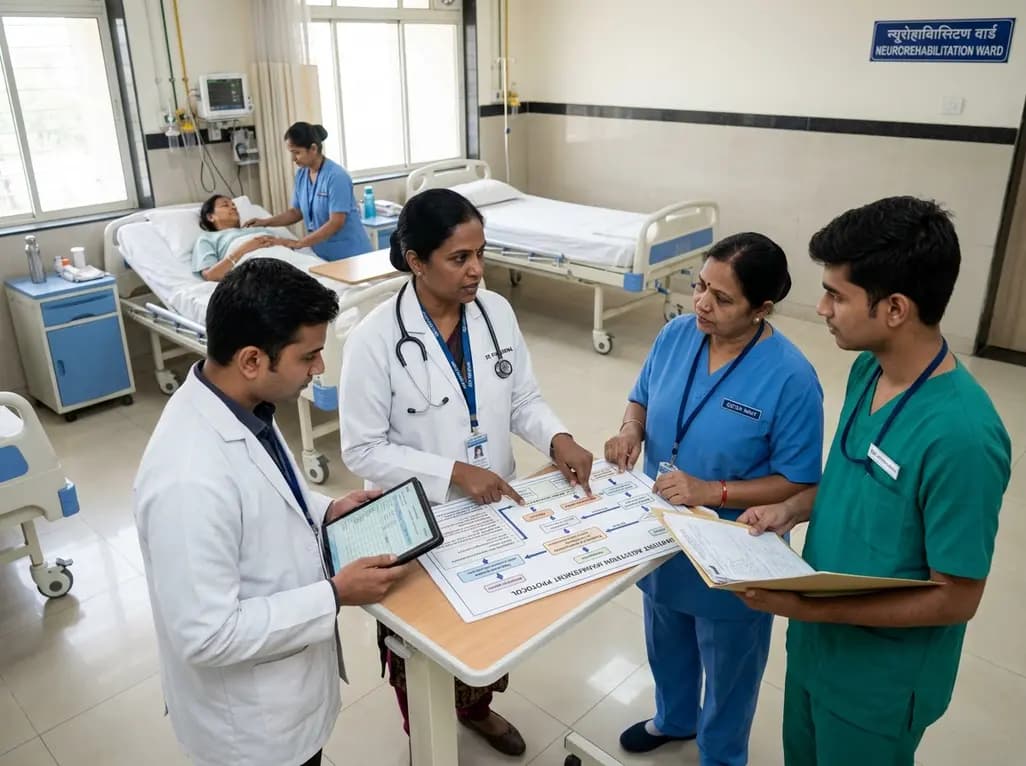
Agitation complicates neurorehabilitation and challenges clinical staff. A structured quality improvement initiative demonstrates that validated scales, clinical decision trees, and multidisciplinary education significantly enhance provider confidence and optimize patient safety during inpatient recovery.
Today
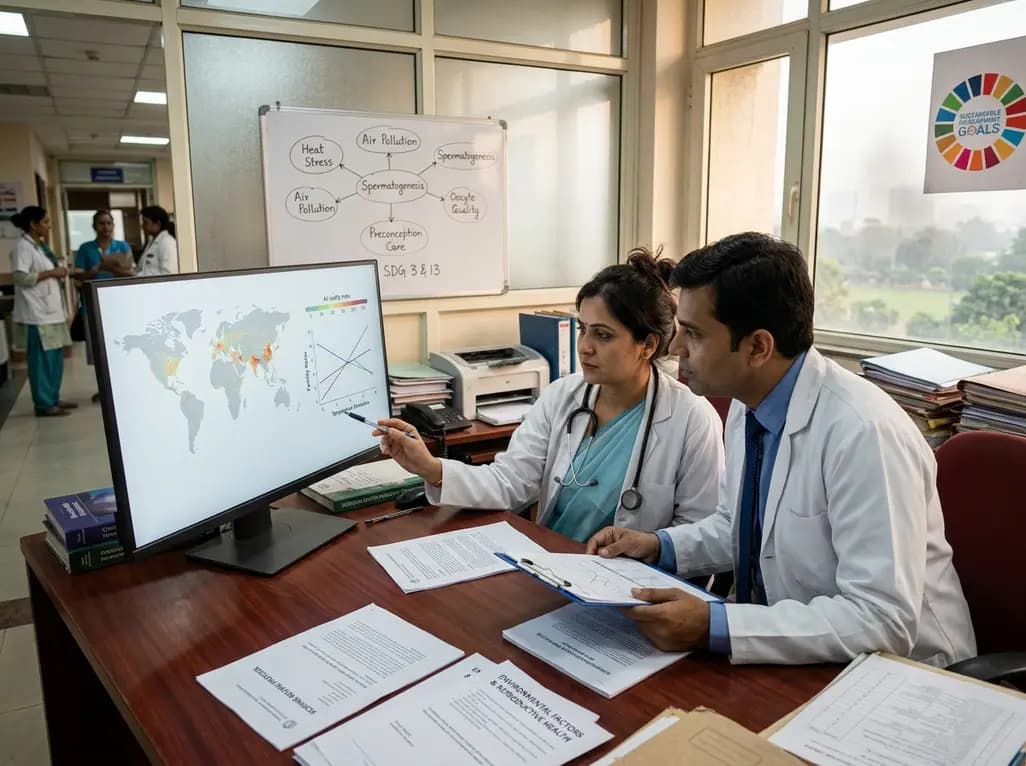
A new scoping review protocol systematically maps global evidence on how climatic shifts, ambient heat, and pollution impact human fertility. Discover key physiological mechanisms, clinical preconception strategies, and critical public health alignments under Sustainable Development Goals 3 and 13.
Today
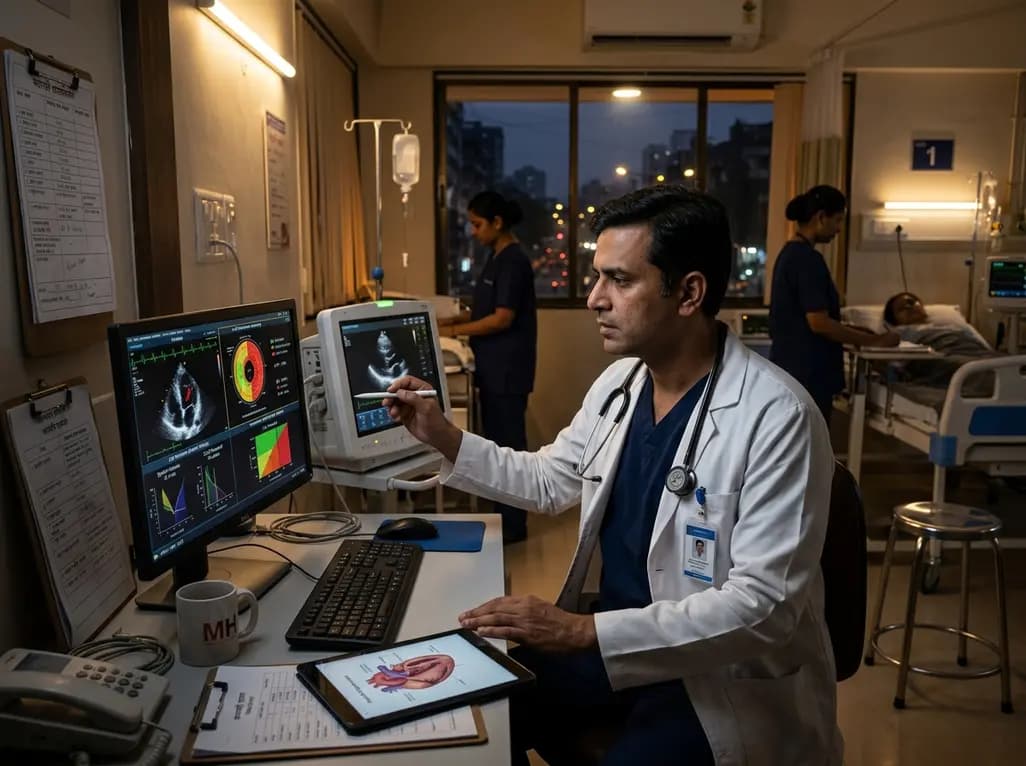
Emerging evidence shows that even dim night-time light exposure alters cardiac geometry and weakens contractility. In a landmark cohort study, nocturnal light above 3 lux triggered concentric left ventricular hypertrophy and subclinical dysfunction, highlighting nocturnal illumination as a modifiable cardiac risk factor.
Today
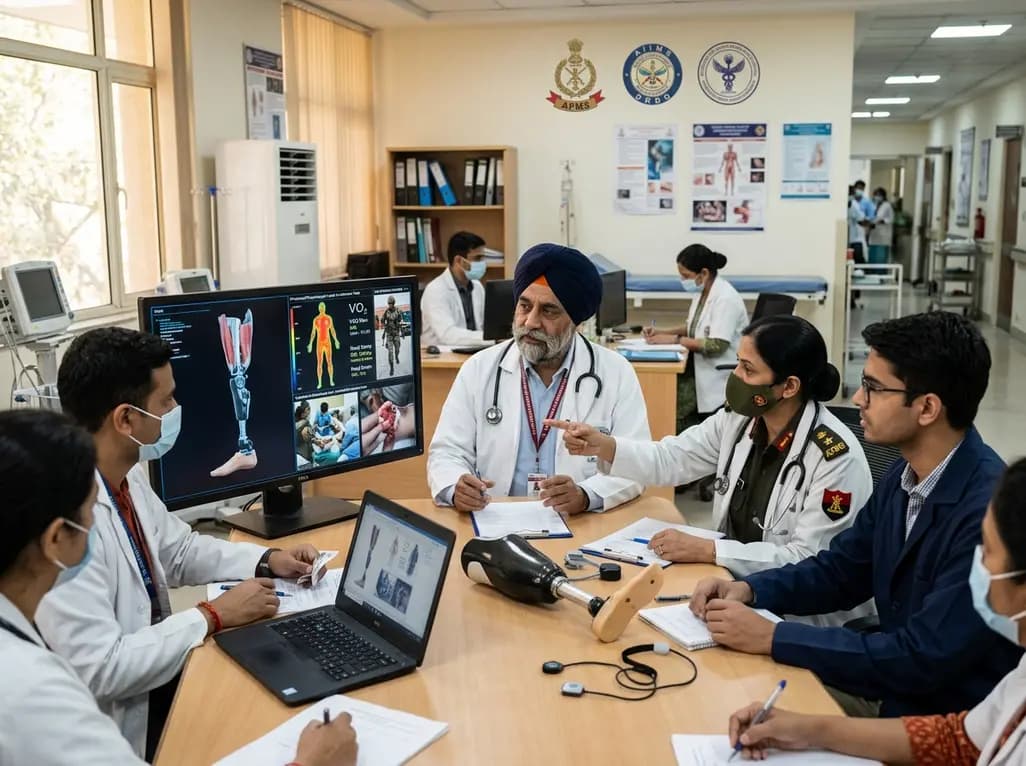
India's premier scientific bodies have joined the Armed Forces Medical Services to solve unique physiological and operational challenges faced by soldiers. The national collaboration covers combat casualty care, artificial intelligence diagnostics, bionic prosthetics, and extreme-environment physiological resilience.
Yesterday
A retrospective cohort study evaluates the short- and long-term impacts of SARS-CoV-2 infection on patients with Graves' disease receiving antithyroid drug therapy, highlighting thyroid status destabilization, clinical symptom exacerbations, and post-viral sequelae.
Today
