.webp&w=384&q=75)

Loading, please wait...
Loading, please wait...

Automated LOINC mapping represents a critical milestone in achieving seamless clinical data interoperability across global healthcare systems. In modern medicine, laboratories and hospitals frequently use inconsistent internal codes, making the exchange of diagnostic information difficult. While the Logical Observation Identifiers Names and Codes (LOINC) system provides a global standard, mapping local strings to these codes remains a labor-intensive process. Consequently, researchers have developed advanced biomedical natural language processing (NLP) models to streamline this transition and support scalable health information exchange.
A recent study introduced ScispaCy-LOINC, a pipeline designed to identify clinical entities and link them to Unified Medical Language System (UMLS) concepts. Furthermore, the system assembles LOINC codes from specific parts and ranks potential matches using weighted scoring. Specifically, when tested on the MIMIC-IV dataset, ScispaCy-LOINC correctly identified 42.3% of LOINC codes. This performance significantly outperformed standard keyword search (19.5%) and semantic search (21.4%) algorithms. Therefore, these findings suggest that NLP models are particularly effective at handling the noisy or sparse data often found in real-world clinical records.
The research also highlighted the complementary nature of different mapping strategies. While ScispaCy-LOINC excels with unstructured inputs, existing algorithms in the Open Concept Lab (OCL) performed better on standardized terminologies like the CIEL dataset. This comparison underscores the need for an integrated framework that combines multiple algorithmic approaches. In India, such advancements align perfectly with the Ayushman Bharat Digital Mission (ABDM), which promotes the adoption of standards like LOINC to create longitudinal and interoperable health records. By reducing manual errors and increasing efficiency, these tools accelerate the digital transformation of the diagnostic sector.
It significantly reduces the time required to manually assign standardized codes to laboratory tests, ensuring that data shared across different hospital systems is instantly recognizable and actionable.
Unlike keyword retrieval, ScispaCy-LOINC uses biomedical NLP to understand clinical context and link terms to standardized medical concepts, allowing it to handle poorly formatted or inconsistent test descriptions.
LOINC is one of the primary standards recommended by the Ayushman Bharat Digital Mission to ensure that diagnostic data remains structured and interoperable across the national digital health ecosystem.
Disclaimer: This content is for informational and educational purposes only. It does not constitute medical advice or professional diagnostic services. Refer to the latest local and national guidelines for clinical practice.
References
Naliyatthaliyazchayil P et al. Automated Logical Observation Identifiers Names and Codes mapping with biomedical natural language processing models: enabling scalable health information exchange via the Open Concept Lab. J Am Med Inform Assoc. 2026 Feb 11. doi: undefined. PMID: 41671017.
Ayushman Bharat Digital Mission (ABDM). Interoperability Standards for Health Information Exchange. Ministry of Health and Family Welfare, Government of India.
Regenstrief Institute. LOINC (Logical Observation Identifiers Names and Codes) for Laboratory Observations. Available at loinc.org.

Read summarized clinical updates, watch expert medical content, and earn CME certifications right from your smartphone.
Open your smartphone camera to scan and install.





Researchers developed ScispaCy-LOINC, an NLP pipeline that automates laboratory test mapping to enhance data exchange and clinical interoperability....
8 months ago
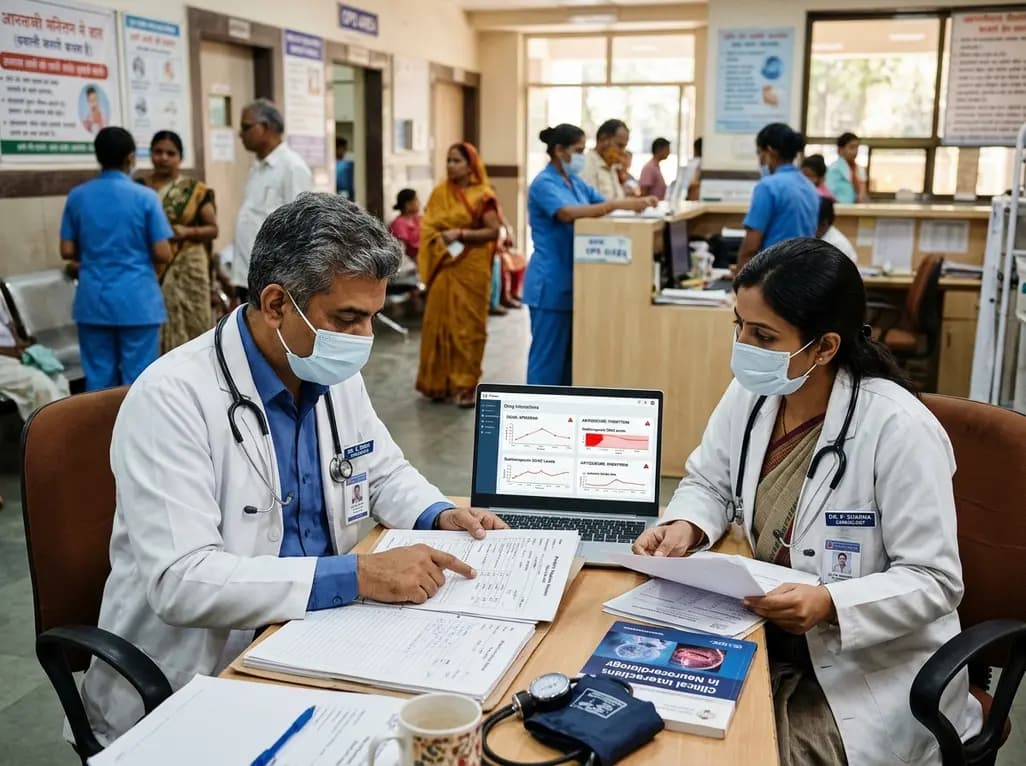
Co-administering antiseizure medications and DOACs frequently causes pharmacokinetic interactions, subtherapeutic drug levels, and thromboembolic failures. This review highlights enzyme induction risks, unpredictable outcomes with levetiracetam, and the vital role of therapeutic drug monitoring.
Today
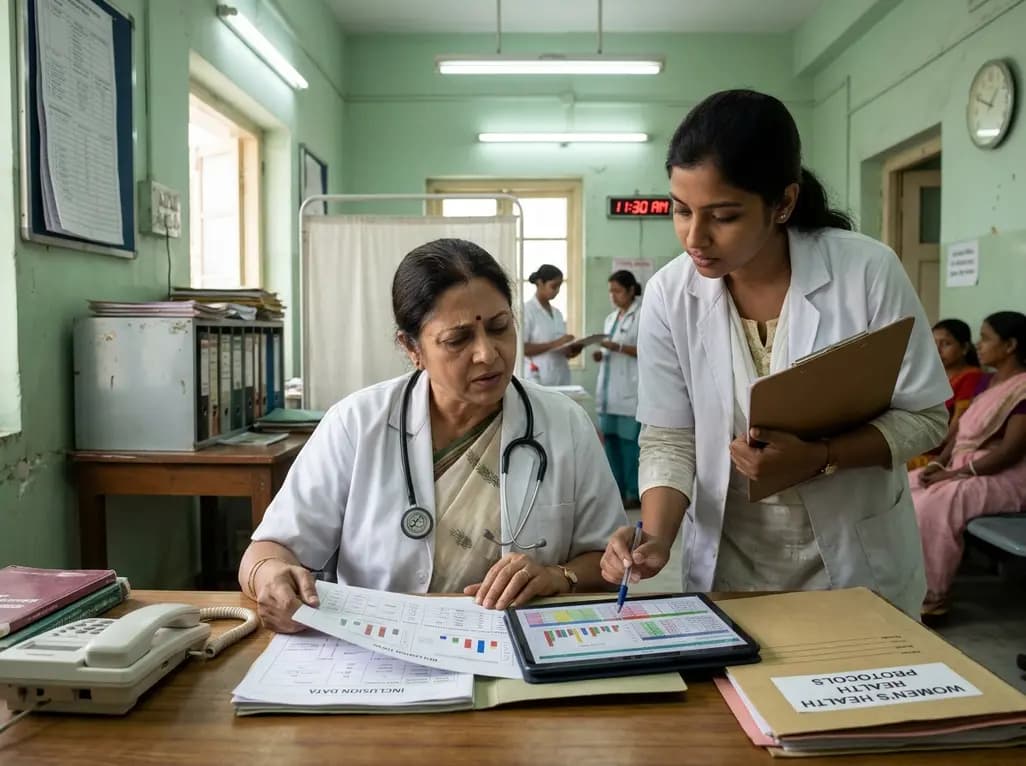
Demanding exhaustive hormonal profiling can inadvertently discourage clinical studies involving females. Methodological standards must align with the specific scientific question to expand, not restrict, equitable evidence for women.
Today
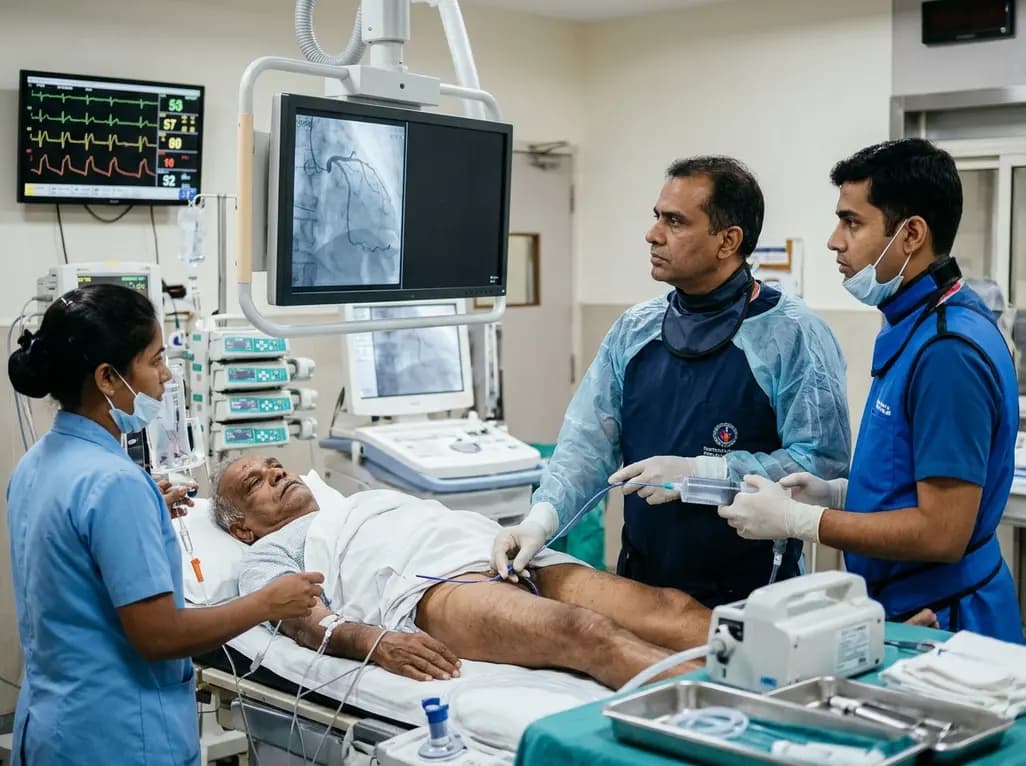
An elderly man with partially repaired Tetralogy of Fallot presented with STEMI caused by coronary embolism rather than atherosclerosis. Successful treatment with sustained mechanical aspiration thrombectomy underscores the vital need for high clinical vigilance in adult congenital heart disease.
Today
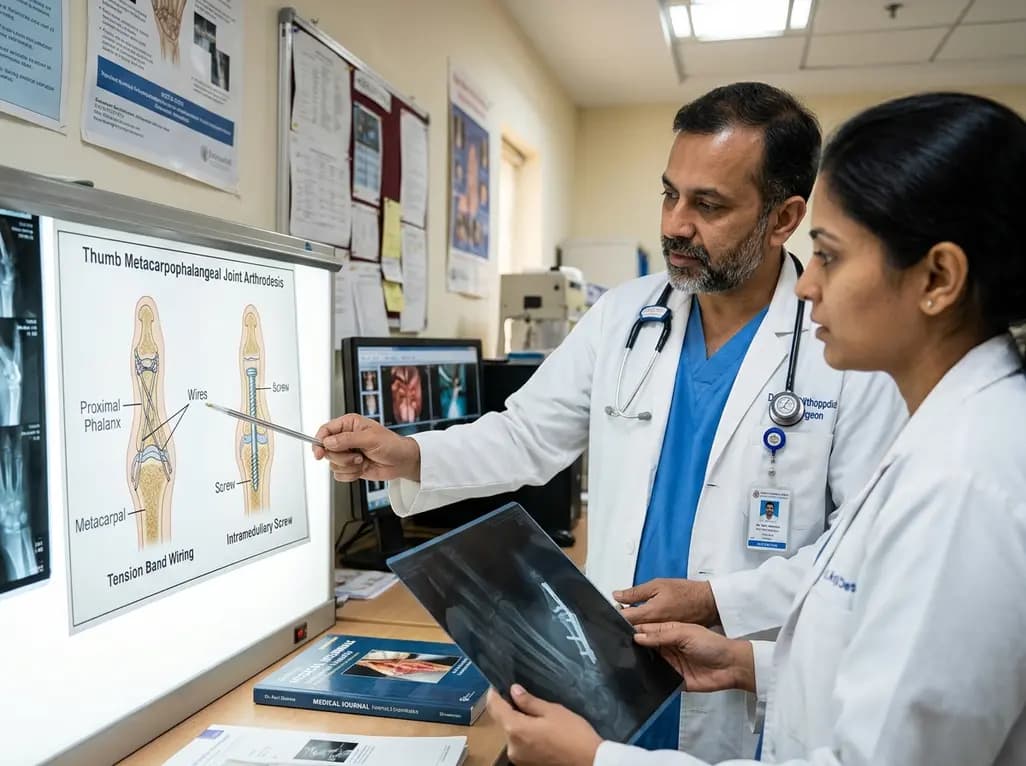
A comparative review of tension band wiring and intramedullary screw fixation in thumb metacarpophalangeal arthrodesis, evaluating union rates, hardware complications, and clinical outcomes.
Today

Following regulatory scrutiny from FSSAI regarding promotional representations and lean muscle preservation claims, Dr. Reddy's Laboratories and Nestlé Health Science are currently reviewing the branding and marketing strategy for their joint nutritional supplement Celevida GLP+.
Today
