

Loading, please wait...
Loading, please wait...

Autoimmune conditions represent a major therapeutic challenge across modern medicine. To address these complex disorders, the Indian Council of Medical Research has launched a landmark four-year research initiative. This multicentric project investigates autoimmune disease genetics by analyzing multiplex families across India, uncovering key molecular drivers to improve clinical patient care.
Autoimmune disorders arise when the immune system mistakenly attacks self-antigens. While sporadic presentations occur frequently, familial clustering reveals critical insights into underlying disease biology. Dr. Ranjan Gupta notes that possessing a positive family history significantly elevates susceptibility to immune dysregulation. However, carrying specific risk alleles does not guarantee overt disease. Environmental triggers and epigenetic alterations frequently act alongside hereditary variants to initiate pathogenesis. Therefore, studying affected multiplex families offers an unprecedented opportunity to dissect shared immunopathogenic events.
In India, clinicians frequently observe autoimmune diseases clustering across generations within distinct families. Despite this common observation, the country previously lacked a systematically characterized multiplex cohort. Consequently, researchers designed this multicenter initiative to fill this critical scientific void. By examining both healthy and affected relatives within the same pedigree, investigators can isolate protective factors alongside pathogenic variants. Furthermore, this approach helps differentiate benign polymorphisms from genuine drivers of tissue damage. Ultimately, evaluating these genomic patterns will enrich our understanding of polygenic autoimmunity in ethnically diverse populations.
To achieve robust statistical power, the investigation establishes a nationwide cohort of 200 multiplex families. Each qualifying family must include at least three members diagnosed with an autoimmune condition. Additionally, the inclusion criteria mandate the participation of at least two unaffected relatives from the same pedigree. This rigorous threshold establishes a minimum of five biological participants per family, ensuring deep comparative genetic analysis. Furthermore, each participating family must feature at least one relative diagnosed with systemic lupus erythematosus. Lupus serves as the primary phenotypic anchor because its heterogeneity encompasses extensive systemic immune pathways.
Six premier tertiary healthcare and academic institutions across India will drive patient recruitment and sample collection. AIIMS Delhi acts as a central hub alongside AIIMS Bibinagar in Telangana. In addition, the consortium incorporates the Sanjay Gandhi Postgraduate Institute of Medical Sciences in Lucknow. Nizam's Institute of Medical Sciences in Hyderabad and Kolkata Medical College contribute vital regional representation. Finally, St. John's Medical College in Bengaluru strengthens southern recruitment, while Ashoka University coordinates data analytics. Consequently, this broad institutional network captures extensive geographic, demographic, and phenotypic diversity across the country.
Understanding complex familial autoimmunity demands rigorous multi-omic laboratory evaluations. Therefore, investigators will collect peripheral blood samples from both affected individuals and their unaffected kin. Central laboratories will then perform high-throughput genomic sequencing, comprehensive transcriptomic analyses, and detailed cytokine profiling. Specifically, the team aims to identify shared single-nucleotide polymorphisms, copy number variations, and distinct gene expression profiles. Moreover, serum cytokine panels will map systemic inflammatory signatures that distinguish symptomatic individuals from resilient family members.
In addition to standard sequencing, researchers will scrutinize intracellular signaling networks that drive immune hyperactivation. For instance, dysregulation within the type I interferon cascade frequently drives systemic lupus erythematosus and related autoimmune diseases. Furthermore, variations in major histocompatibility complex alleles, STAT4, and IRF5 pathways warrant rigorous evaluation in Indian cohorts. Consequently, comparative transcriptomic assays may reveal altered regulatory T-cell functions or aberrant B-cell activation pathways. By linking phenotypic diversity with exact molecular aberrations, the consortium expects to clarify how environmental triggers activate inherited risks. Ultimately, these biological discoveries will illuminate critical checkpoints that precipitate systemic multi-organ inflammation.
Systemic lupus erythematosus remains an exemplary model of multisystem autoimmune pathophysiology. Patients frequently suffer from severe complications, including debilitating lupus nephritis, neuropsychiatric events, and accelerated vascular disease. Because familial cases often display elevated morbidity, early detection remains essential for preserving long-term organ function. However, current clinical practice lacks sensitive genetic biomarkers to predict familial transmission or severe organ involvement. Through this ICMR-funded initiative, clinicians hope to acquire validated predictive tools that pinpoint high-risk relatives before irreversible damage occurs.
Furthermore, this multi-center research creates immediate avenues for therapeutic innovation across immunology. Identifying targetable immunopathogenic checkpoints allows scientists to repurpose existing biological therapies and develop novel small molecules. For example, targeted agents like Janus kinase inhibitors and interferon-alpha receptor blockers could benefit genetically stratified patient subcategories. Additionally, pediatric and adult rheumatologists can utilize these molecular signatures to personalize therapeutic regimens, reducing toxic immunosuppressive exposures. Consequently, this collaborative effort moves Indian rheumatology closer toward genuine precision medicine, ensuring tailored treatment protocols for complex, refractory familial cases in regular practice.
The success of this nationwide cohort heavily depends upon active collaboration among practicing clinicians. Dr. Ranjan Gupta and the AIIMS Delhi team have issued an open appeal to lupus patients to enroll. Specifically, patients residing within the Delhi-NCR area can contact AIIMS directly to assess eligibility. Nevertheless, rheumatologists, nephrologists, and primary care physicians across the nation also play a foundational role. When evaluating patients with lupus, clinicians should routinely ask about family histories of autoimmune thyroid disease, type 1 diabetes, or rheumatoid arthritis.
Whenever physicians identify families meeting the study criteria, prompt referral to participating regional centers provides immense investigative value. Eligible families will receive thorough specialized evaluations, detailed genetic counseling, and ongoing specialist guidance. Moreover, participating in this study gives patients an active voice in shaping future therapeutic guidelines and national protocols. Because recruiting 200 multiplex families presents logistical challenges, continuous clinician engagement remains vital throughout the four-year timeline. Therefore, community and academic practitioners serve as essential partners in bridging bench science and clinical care.
Q1: What are the primary eligibility criteria for families enrolling in this ICMR study?
Participating families must include at least three members diagnosed with an autoimmune disease and at least two unaffected relatives. Furthermore, every enrolled pedigree must feature at least one member with systemic lupus erythematosus (SLE). This inclusion framework ensures a minimum of five participating individuals per pedigree, facilitating robust comparative genetic, cytokine, and immunological profiling between healthy and affected relatives across identical genetic backgrounds.
Q2: Why does the study specifically focus on systemic lupus erythematosus as an entry criterion?
Systemic lupus erythematosus serves as a quintessential polygenic autoimmune disease characterized by profound immunological dysregulation. It involves multiple autoantibodies, systemic cytokine imbalances, and widespread vascular inflammation. Because SLE shares common genetic variants with conditions like rheumatoid arthritis and autoimmune thyroid disease, studying lupus-centered multiplex families helps researchers uncover broader molecular mechanisms that drive multi-organ autoimmunity across diverse familial pedigrees.
Q3: How will the genomic and cytokine findings translate into everyday clinical practice?
The study aims to discover targetable shared biological pathways and validated biomarkers for earlier disease detection. Consequently, clinicians will gain predictive tools to identify high-risk relatives before severe clinical symptoms emerge. Furthermore, delineating these precise immunopathogenic cascades will guide targeted drug selection, such as specific cytokine or kinase inhibitors, transforming standard empirical immunosuppression into individualized precision medicine for complex autoimmune conditions.
Disclaimer: This content is for informational and educational purposes only. It does not constitute medical advice or replace professional judgment. Refer to the latest local and national guidelines for clinical practice.
References

Read summarized clinical updates, watch expert medical content, and earn CME certifications right from your smartphone.
Open your smartphone camera to scan and install.





A multicentric Indian Council of Medical Research initiative led by AIIMS Delhi and Ashoka University explores familial clustering and shared immunopathogenic events across 200 multiplex families, seeking to unveil targeted biologic pathways for systemic lupus erythematosus and related autoimmune disorders.
Today
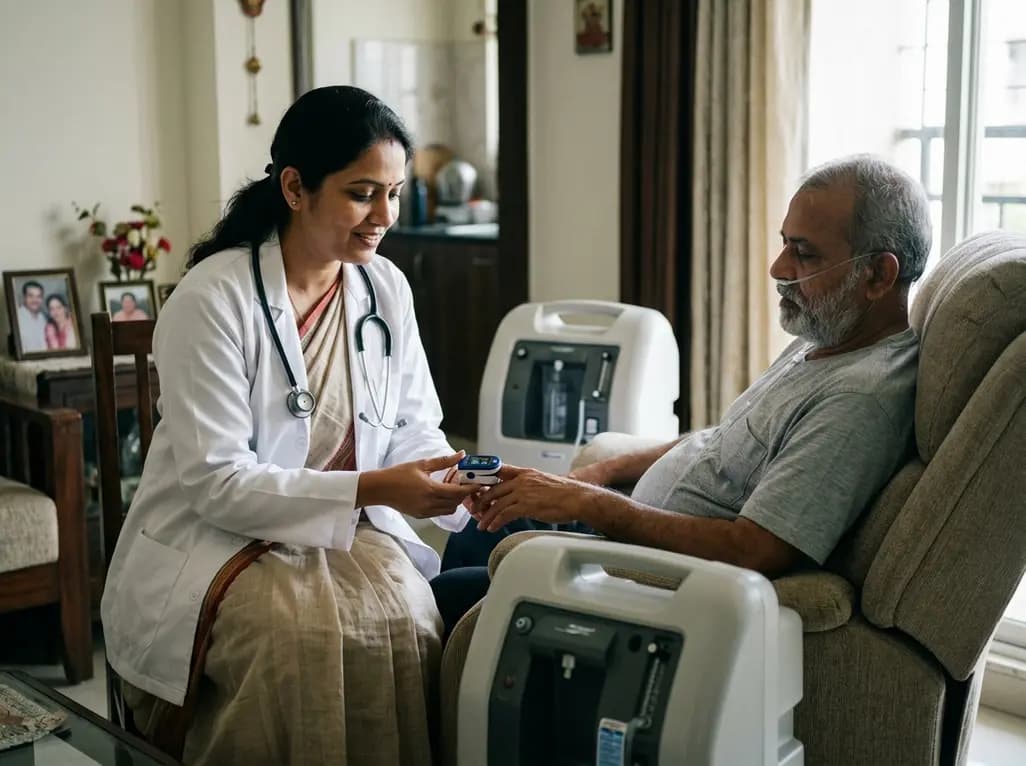
Chronic respiratory conditions like COPD pose an escalating health burden in India. As advanced stationary concentrators enter domestic healthcare, clinicians must evaluate hypoxaemic thresholds, reinforce daily adherence protocols, and balance device ergonomics to improve long-term outcomes and patient survival.
Today
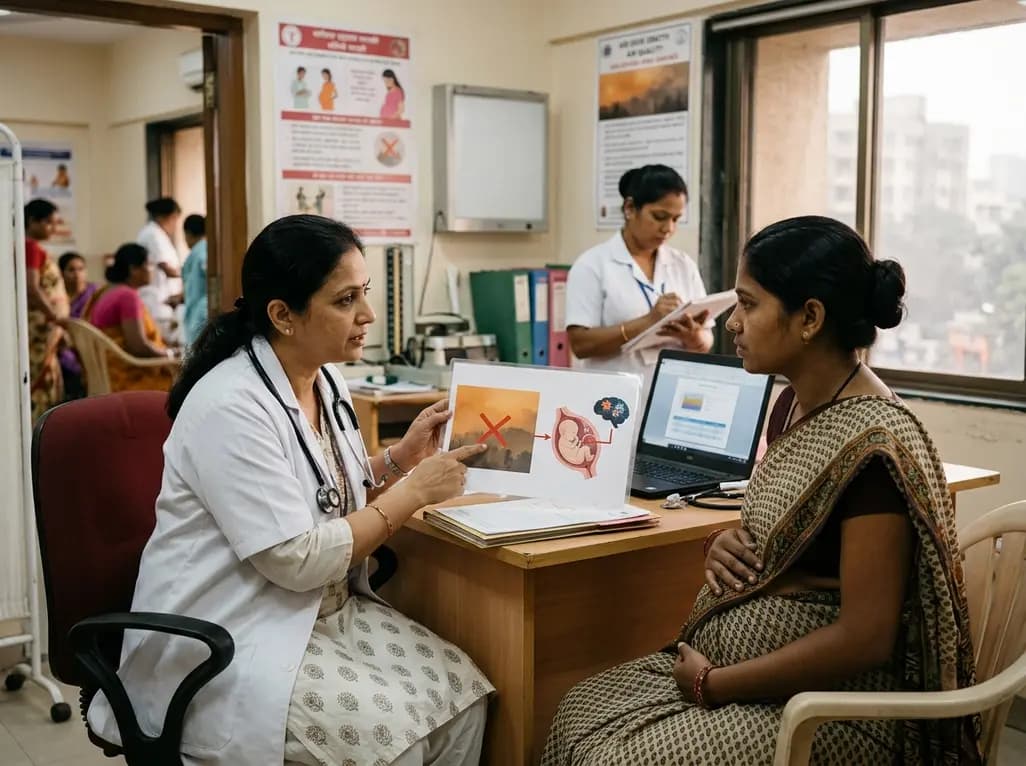
A nationwide cohort study published in JAMA Pediatrics reveals that maternal exposure to wildfire fine particulate matter, especially in late pregnancy, is linked to an elevated risk of childhood autism. Clinicians should evaluate ambient air quality risks and provide proactive protective counseling to mothers.
Yesterday

Annual health checks only offer static snapshots. Real-world evidence from 2.1 million insured Indians reveals that tracking dynamic biomarker trends over time enables clinicians to spot evolving cardiometabolic risks early, reverse borderline pathology, and deliver tailored preventive interventions.
Today
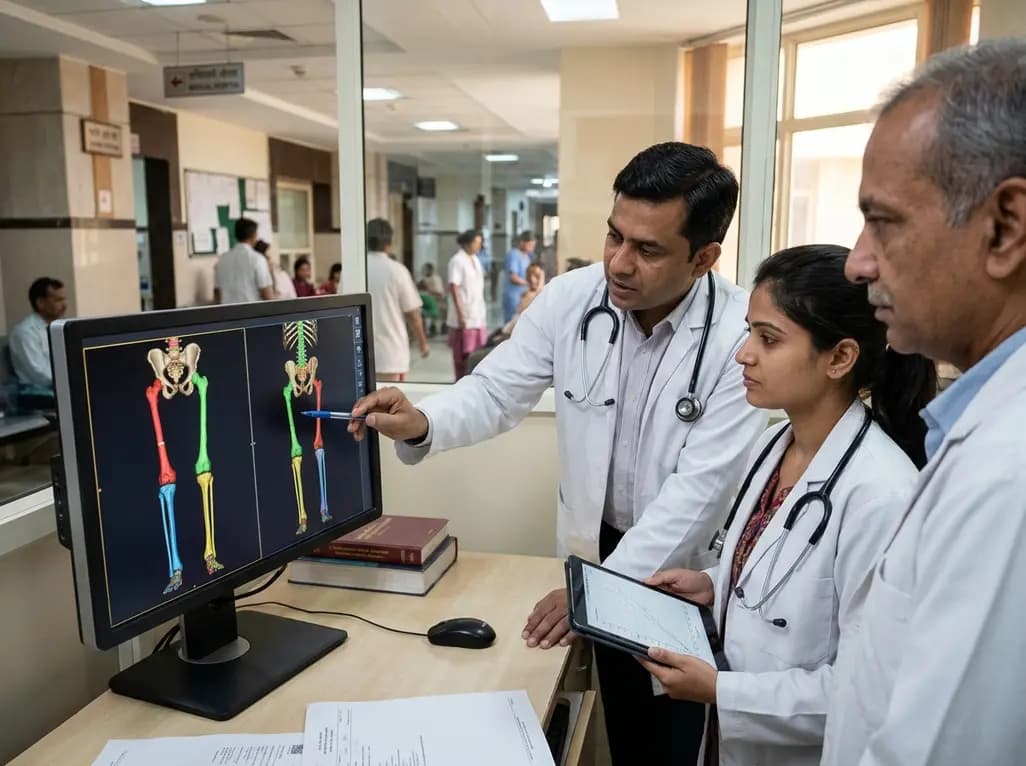
Modern 3D anthropometry reveals that pediatric leg growth ceases years before spinal elongation, exposing the clinical illusion of the classical Anderson-Green model. Learn how segmental growth dissociation improves surgical timing for epiphysiodesis in adolescent leg length discrepancy.
3 days back

With packaged goods giant HUL backing FSSAI's proposed front-of-pack red warning labels for foods high in fat, sugar, and salt, India takes a major step toward curbing non-communicable diseases. Learn how clearer nutrition disclosures empower clinicians, inform consumer choices, and drive dietary reform.
Yesterday
