.webp&w=384&q=75)

Loading, please wait...
Loading, please wait...

Advancements in auricular cartilage regeneration are set to transform the management of microtia, a complex congenital ear deformity. Currently, surgeons face significant hurdles because ear cartilage does not naturally heal well. This is largely due to the inactive nature of mature chondrocytes. However, a recent study has introduced a novel bioengineering approach using 3D bioprinting and modified extracellular vesicles. Researchers developed a specialized hydrogel scaffold to promote the growth of functional ear tissue.
The core of this innovation lies in engineered platelet-derived extracellular vesicles (PEVs). Specifically, these vesicles carry a concentrated payload of miR-92a-3p. This microRNA acts as a key effector by suppressing the SMAD7 protein. Consequently, this suppression activates the TGFβ/Smad signaling pathway, which is essential for cartilage growth. Furthermore, the auricular cartilage regeneration process is supported by the ElaMA/GelMA double-network hydrogel. This scaffold mimics the natural environment of the ear, providing both flexibility and strength. In laboratory tests, the miR@PEVs significantly increased how quickly chondrocytes moved and multiplied.
Beyond cellular growth, the engineered vesicles help create a supportive environment for healing. Notably, miR@PEVs encourage macrophages to adopt the M2 phenotype. This shift reduces inflammation and creates an immunological milieu that favors tissue formation. Moreover, the 3D-printed scaffolds showed remarkable mechanical properties after one month of implantation. Their Young's modulus, or stiffness, closely approached that of native human auricular cartilage. Therefore, these scaffolds can maintain the intricate shape of the ear while resisting external pressure. Altogether, this technology represents a giant leap toward achieving total ear reconstruction without the need for invasive rib cartilage harvesting.
Traditional surgery often requires harvesting cartilage from the patient's ribs, which is invasive and can cause donor-site pain. This new method uses 3D-printed scaffolds and biological signals to grow new cartilage, potentially reducing surgical trauma.
miR-92a-3p is a signaling molecule that turns off inhibitors of cartilage growth. By blocking SMAD7, it allows the body’s natural growth factors to effectively transform cells into functional ear cartilage.
Currently, this research is in the advanced preclinical stage. While 3D-bioprinting centers are growing in India, this specific miR-enriched hydrogel treatment must undergo clinical trials before it becomes a standard of care.
Disclaimer: This content is for informational and educational purposes only and does not constitute medical advice. It is not intended to be a substitute for professional medical advice, diagnosis, or treatment. Always seek the advice of your physician or other qualified health provider with any questions you may have regarding a medical condition. Refer to the latest local and national guidelines for clinical practice.
References
1. Hua S et al. Enhanced Auricular Cartilage Regeneration via 3D-Printed Hydrogel With miR-92a-3p-Enriched Platelet-Rich Plasma-Derived Extracellular Vesicles. Adv Healthc Mater. 2026 May 10. doi: 10.1002/adhm.202505389. PMID: 42106949.
2. Balaji SM. Objective analysis of microtia reconstruction in Indian patients and modifications in management protocol. J Maxillofac Oral Surg. 2012;11:47–52. doi: 10.1007/s12663-011-0290-1.
"
Read summarized clinical updates, watch expert medical content, and earn CME certifications right from your smartphone.
Open your smartphone camera to scan and install.





New research highlights how 3D-printed hydrogels with miR-92a-3p-enriched vesicles enhance auricular cartilage regeneration, offering hope for microtia repa...
5 months ago
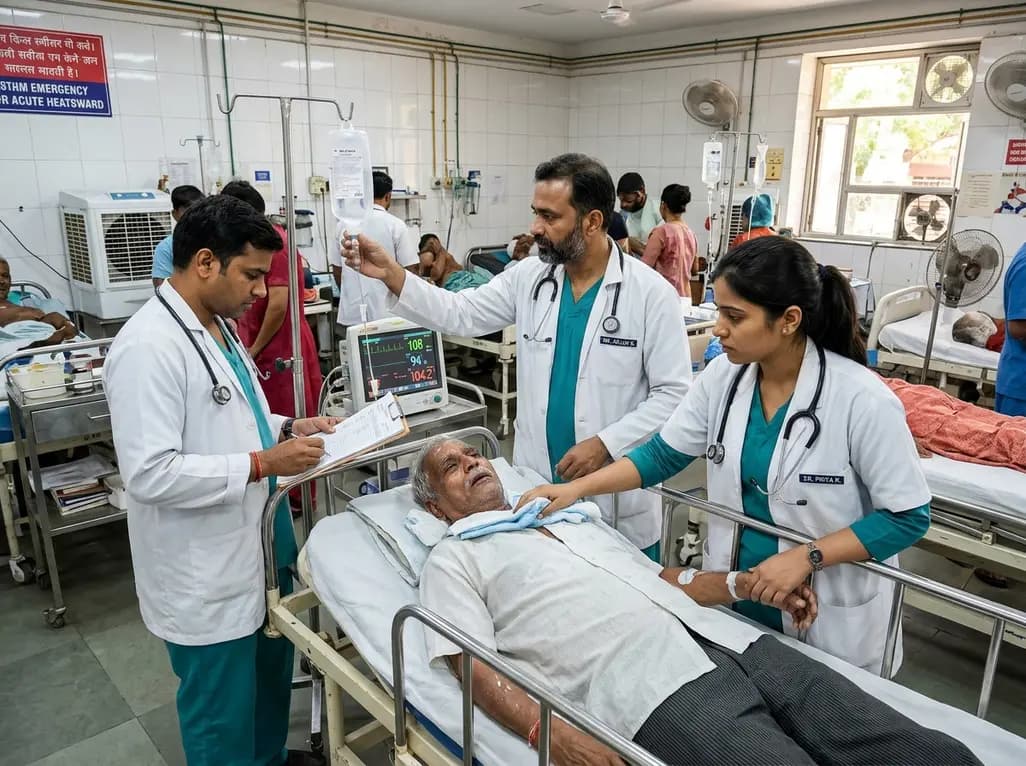
Recent epidemiological data reveals a dramatic surge in summer heat mortality driven by human-induced climate warming. This analysis explores the pathophysiological impacts on cardiac and renal systems, diagnostic dilemmas in death certification, and essential emergency cooling protocols for acute clinical care.
Today

Odisha has established India's first state-level clinical protocol specifically tailored for pregnant women with sickle cell disease. Developed with NHM and UNICEF, the framework provides structured antenatal screening, crisis mitigation, standardized referral pathways, and specialized interdisciplinary care.
Today

India is advancing preventive healthcare by integrating genomics, artificial intelligence, and quantum technologies. With the SANGAM programme sequencing one million Indian genomes, clinicians can unlock personalized therapies, detect cardiometabolic risks early, and curb the burden of diabetes and heart disease.
Today
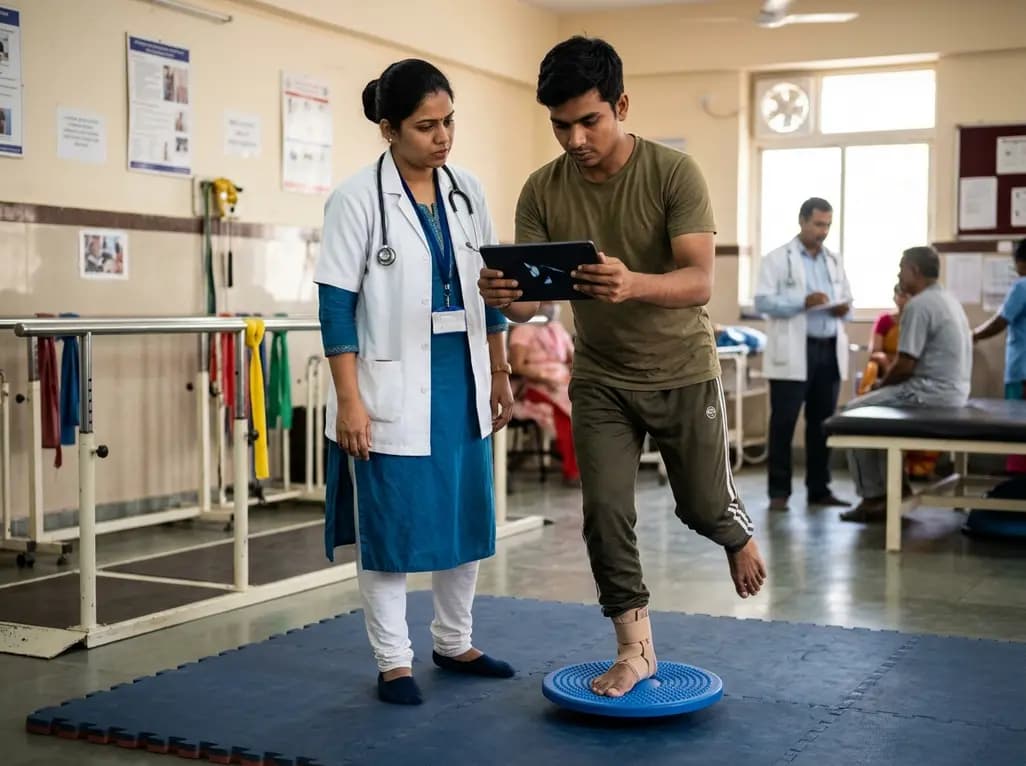
A randomized controlled trial demonstrates that an eight-week dual-task training intervention significantly improves static and dynamic postural control over standard balance exercises in individuals with chronic ankle instability, addressing critical neurocognitive deficits during athletic and daily activities.
Today

A retrospective cohort study of 7,716 ICU patients from the MIMIC-IV database demonstrates that Gradient Boosting Decision Trees significantly outperform traditional SOFA scores in predicting in-hospital mortality among patients with sepsis and diabetes, with SHAP analysis providing clinical interpretability.
Today
