

Loading, please wait...
Loading, please wait...

Moyamoya disease presents a formidable neurovascular challenge characterized by progressive steno-occlusion of the terminal internal carotid arteries. Extracranial-intracranial revascularization remains the cornerstone surgical intervention to augment cerebral perfusion and prevent debilitating cerebral infarctions. However, neurosurgeons frequently encounter dilemmas regarding the perioperative management of antiplatelet therapy. Therefore, recent nationwide clinical evidence sheds light on the safety and efficacy of pre-operative aspirin in moyamoya bypass surgery, providing valuable insights for clinical decision-making and perioperative risk optimization.
Managing antiplatelet therapy prior to revascularization surgery requires delicate balance between ischemic prevention and hemorrhagic risk. Historically, neurosurgeons feared that maintaining antiplatelet agents up to surgery might induce uncontrollable intraoperative microvascular bleeding or postoperative intracerebral hematoma. Conversely, abruptly withholding antiplatelet agents frequently triggers acute thromboembolic occlusions in fragile collaterals, precipitating severe perioperative ischemic strokes. Moyamoya disease inherently features delicate, friable collateral networks known as puff-of-smoke vessels. These vessels remain exceptionally vulnerable to sudden hemodynamic shifts and microthrombosis. Furthermore, direct superficial temporal artery to middle cerebral artery anastomoses require prompt, laminar endothelial flow to secure long-term graft patency. When clinicians withdraw aspirin before surgery, platelet reactivity rebounds sharply. Consequently, microthrombi can rapidly occlude either the newly constructed microanastomosis or underperfused cortical watershed zones. In Indian neurosurgical centers, where patients frequently present at advanced stages with severe ischemic symptoms, establishing a definitive perioperative antiplatelet protocol is vital. Therefore, clarifying the clinical safety profile of continuous or chronic pre-operative aspirin therapy helps surgeons standardize care and avoid preventable neurologic deficits during cerebral revascularization.
To clarify these critical clinical questions, researchers conducted an extensive nationwide retrospective study utilizing the United States National Inpatient Sample from 2002 to 2020. The investigators identified adult patients with moyamoya disease who underwent extracranial-intracranial bypass procedures during this nineteen-year window. Furthermore, the team stratified patients into two distinct cohorts based on documented pre-operative long-term aspirin use at admission. The primary analysis applied survey-weighted t-tests and Rao-Scott chi-square models to compare patient demographics, clinical characteristics, and in-hospital outcomes. Overall, the researchers analyzed 1453 weighted surgical admissions. Women accounted for 72.8 percent of the cohort, reflecting the typical female predominance of adult moyamoya disease, with a mean cohort age of 43 years. Among these admissions, 470 patients, representing 32.3 percent, maintained long-term aspirin therapy before surgical intervention. In contrast, 983 patients, comprising 67.7 percent, did not receive chronic aspirin therapy prior to hospitalization. In addition, the statistical methodology accounted for hospital clustering and sampling weights to ensure generalizable real-world findings across diverse institutional settings. This robust population-level dataset provides compelling statistical power to evaluate both rare surgical complications and broad systemic recovery trajectories.
The investigation revealed striking differences in postoperative cerebrovascular complications between the two cohorts. Specifically, patients who took long-term aspirin experienced a significantly lower rate of ischemic stroke events during the index hospitalization compared to non-users. Ischemic stroke occurred in 18.9 percent of long-term aspirin users versus 27.9 percent of non-users, demonstrating a highly significant risk reduction. Importantly, this protective benefit against cerebral infarction did not compromise surgical hemostasis. Postoperative intracranial hemorrhagic events occurred in only 1.7 percent of the chronic aspirin group compared to 3.5 percent among non-aspirin users. Statistical testing confirmed that hemorrhagic complication rates did not differ significantly between the groups. Therefore, these empirical findings effectively refute the traditional assumption that pre-operative aspirin inevitably increases major bleeding complications during direct or indirect neurovascular bypass. Instead, maintained platelet inhibition suppresses acute platelet aggregation at the microsurgical anastomosis and stabilizes stenotic native vessels. Consequently, cerebral perfusion remains stable through the critical immediate postoperative window. These quantitative findings reassure operating neurosurgeons that antiplatelet continuation prevents catastrophic graft occlusion without triggering fatal hemorrhagic transformation.
Beyond acute neurological events, the study demonstrated marked improvements in recovery metrics and secondary in-hospital outcomes. Long-term aspirin users exhibited a significantly shorter mean hospital length of stay compared to patients without chronic antiplatelet therapy. Specifically, aspirin users stayed an average of 5.7 days, whereas non-users required 7.1 days, reflecting a meaningful reduction in acute hospitalization time. Moreover, the long-term aspirin cohort experienced significantly fewer postoperative pulmonary complications, recording a rate of 1.5 percent versus 3.6 percent in the non-user cohort. Lower rates of acute neurological deterioration likely explain this decrease in systemic pulmonary morbidity, as preserved functional status enables earlier postoperative mobilization. In terms of overall survival, in-hospital mortality rates did not differ significantly between the cohorts, measuring 8.3 percent in aspirin users versus 6.1 percent in non-users. Furthermore, total hospitalization charges remained comparable between both treatment arms despite the differing complication rates. Thus, the clinical advantage of chronic pre-operative antiplatelet therapy translates directly into expedited patient recovery, fewer pulmonary setbacks, and lower healthcare resource consumption without compromising overall patient safety.
These nationwide findings offer timely guidance for neurovascular centers across India, where moyamoya disease represents an important cause of stroke among young adults. Indian clinicians frequently encounter patients presenting with repeated transient ischemic attacks, progressive cognitive decline, or completed territorial infarcts. However, clinical protocols regarding antiplatelet cessation prior to bypass revascularization have remained heterogeneous across Indian institutions. Many surgical centers routinely discontinue aspirin seven to ten days before surgery to avoid bleeding, unintentionally elevating the perioperative stroke risk. In light of this evidence, Indian surgical teams should re-evaluate strict drug withholding policies. Maintaining low-dose aspirin throughout the perioperative window can safeguard watershed territories and preserve anastomosis patency during critical hemodynamic fluctuations. Furthermore, multidisciplinary coordination between neurosurgeons, stroke neurologists, and neuroanesthesiologists is essential to optimize mean arterial pressures and avoid postoperative hypocapnia. In addition, neurocritical care units should implement standardized protocolized monitoring, utilizing transcranial Doppler or perfusion imaging to detect early hyperperfusion or hypoperfusion. Accordingly, adopting evidence-based antiplatelet maintenance protocols can substantially improve surgical safety and functional recovery for Indian patients undergoing complex cerebral revascularization.
Evidence shows that continuing long-term aspirin does not significantly increase intracranial hemorrhage during or after bypass surgery. In the National Inpatient Sample analysis, hemorrhagic complications occurred in only 1.7 percent of aspirin users compared to 3.5 percent of non-users, confirming that pre-operative aspirin remains safe without elevating major intracranial bleeding.
Pre-operative aspirin prevents acute platelet activation and thrombus formation at the microvascular anastomosis site. Additionally, maintained antiplatelet therapy preserves laminar blood flow through fragile moyamoya collateral vessels and vulnerable watershed territories. Consequently, patients maintain adequate cerebral perfusion during perioperative hemodynamic fluctuations, which substantially decreases acute postoperative ischemic stroke risks.
Current evidence advises against routine aspirin cessation before surgery. Abrupt antiplatelet discontinuation increases the risk of graft thrombosis and acute cerebral ischemia in underperfused cerebral hemispheres. Therefore, surgical teams should consider maintaining low-dose aspirin perioperatively, pairing this strategy with meticulous microsurgical hemostasis and rigorous postoperative blood pressure management.
Disclaimer: This content is for informational and educational purposes only, and does not substitute for professional medical advice, diagnosis, or treatment. It does not establish a doctor-patient relationship nor should it be considered an endorsement. All medical and clinical data presented should be independently validated. Consult appropriate healthcare professionals before making clinical decisions. This content is not intended to serve as legal, clinical, or other professional guidance. Refer to the latest local and national guidelines for clinical practice.
References

Read summarized clinical updates, watch expert medical content, and earn CME certifications right from your smartphone.
Open your smartphone camera to scan and install.





A nationwide analysis reveals that pre-operative long-term aspirin use before EC-IC bypass for moyamoya disease reduces acute perioperative ischemic strokes and shortens hospital stays without increasing intracranial hemorrhage, offering vital guidance for cerebrovascular revascularization protocols.
Today

An observational study from the NIH All of Us Research Program reveals that adding a multi-ancestry polygenic risk score to machine learning models provides only modest improvements in predicting adult weight gain, underscoring the enduring significance of routine clinical and lifestyle factors.
Today

A study in JAMIA Open shows lightweight open-source reasoning LLMs achieve up to 95% sensitivity and accelerate evidence synthesis screening by nearly twentyfold, presenting a cost-effective, scalable AI solution for biomedical research and systematic reviews.
Today
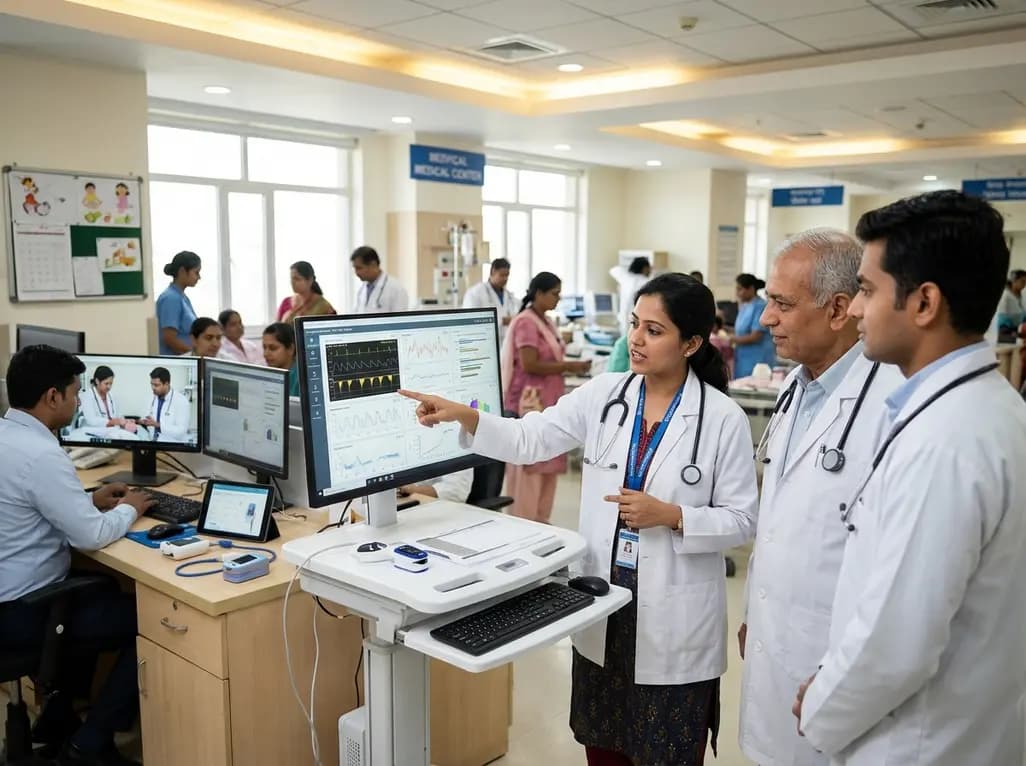
A landmark study details how an enterprise pediatric remote patient management model expanded from a single cardiology pilot to 16 diverse specialty programs by combining centralized digital operations with specialty clinical leadership.
Yesterday
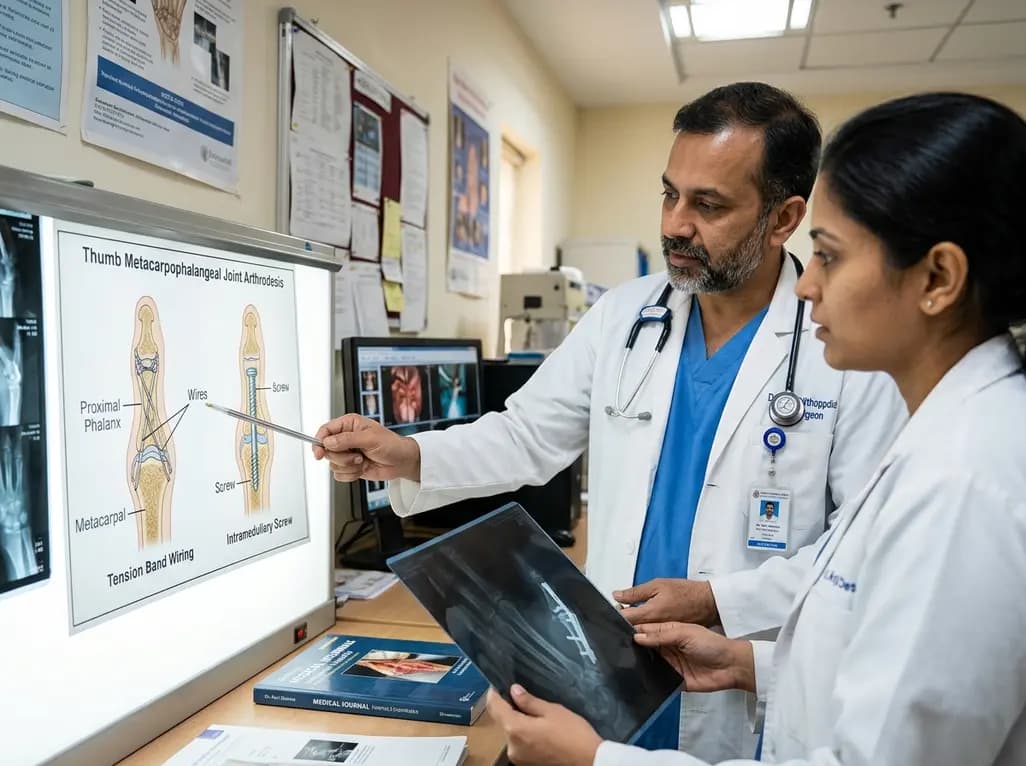
A comparative review of tension band wiring and intramedullary screw fixation in thumb metacarpophalangeal arthrodesis, evaluating union rates, hardware complications, and clinical outcomes.
Yesterday
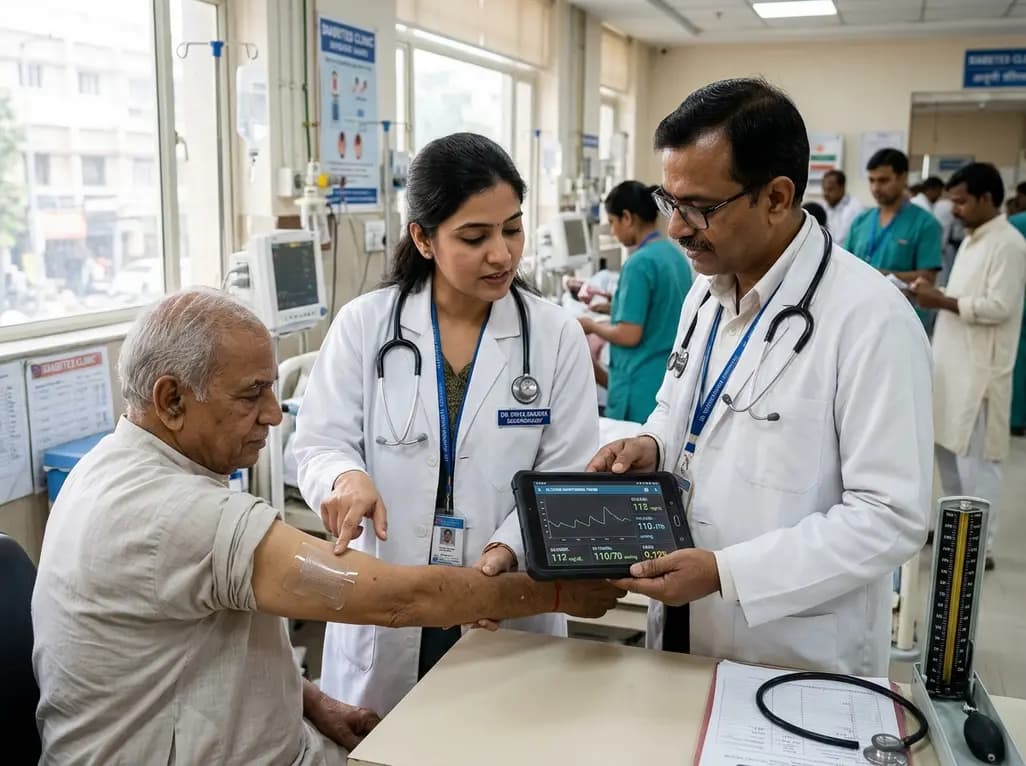
A breakthrough ultrathin multimodal sensor decouples physical hemodynamic monitoring from disposable electrochemical calibration, achieving long-term wearable glucose prediction with 81.36% accuracy and a 9.12% MARD. This offers a robust, drift-free solution for outpatient metabolic surveillance.
Yesterday
