.webp&w=384&q=75)

Loading, please wait...
Loading, please wait...
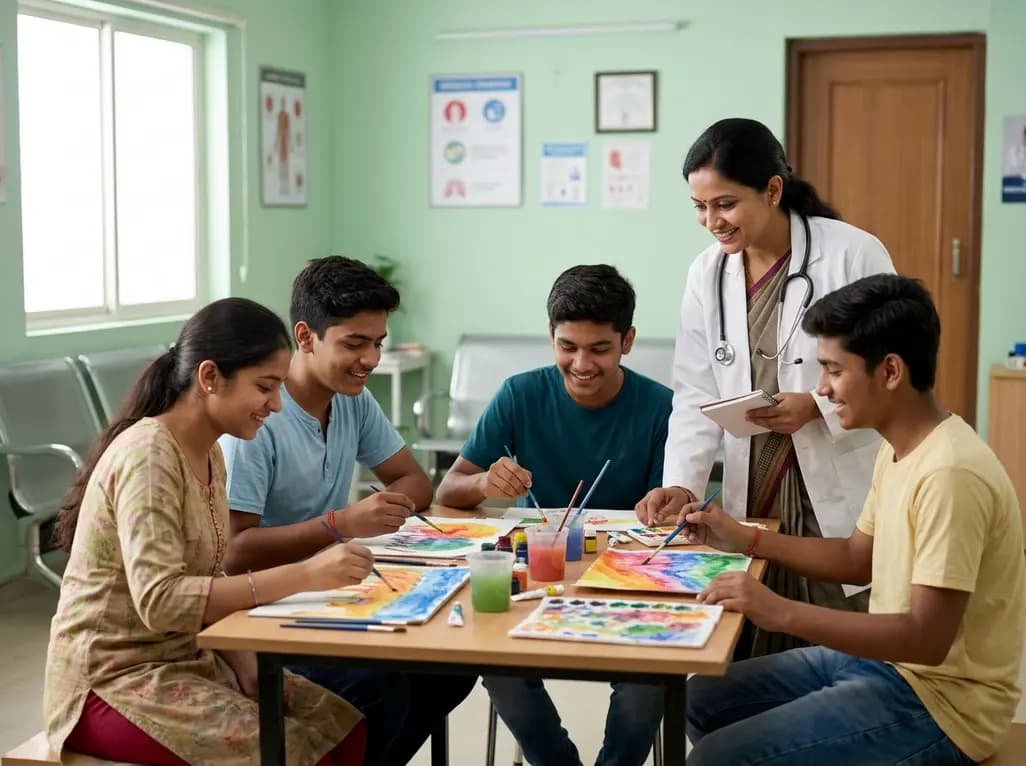
Globally, the landscape of adolescent well-being is shifting under the weight of escalating mental health concerns. Young people today navigate a complex world of digital pressures, social instability, and academic stress, yet traditional clinical services often remain out of reach for many. Consequently, researchers and policymakers are looking toward innovative, low-barrier interventions to bridge this gap. Evidence suggests that arts engagement youth mental health initiatives offer a vital pathway for promotion and prevention. By participating in creative activities, young people find a safe space for expression that transcends the limitations of verbal therapy. This engagement ranges from everyday creative habits, such as listening to music or journaling, to structured creative arts therapies. Ultimately, the goal is to embed these practices within community and clinical settings to ensure that every young person has the tools to thrive. In India, where a massive youth population faces unique socio-economic challenges, the integration of culturally resonant arts-based support is more relevant than ever. By fostering a culture of creativity, we can potentially reduce the stigma surrounding mental illness and provide inclusive support systems.
To understand the nuances of this phenomenon, a comprehensive mixed-methods international study was conducted. Researchers utilized a diverse range of data collection tools, including online surveys, qualitative focus groups, and dyadic interviews involving youth aged 16 to 25. Furthermore, the study employed poetic inquiry, allowing participants to express their experiences through creative writing. This multi-layered approach ensured that the data captured both broad statistical trends and deep, personal narratives. Quantitative analysis focused on descriptive data from 56 participants, while the qualitative component utilized reflexive thematic analysis for a subset of 36 individuals. Recruitment specifically prioritized diversity in age, geography, and lived experience to ensure the findings were globally representative. Ethical approval was obtained from New York University, highlighting the rigorous standards of the research. By placing youth voice at the center, the study moved beyond clinical observations to capture the lived reality of mental health. This methodology reflects a growing trend in public health research where the subjects of the study are treated as experts in their own lives. Such an approach is essential for developing interventions that truly resonate with the target demographic.
The results of the study underscore the profound impact of creativity on psychological states. Survey respondents reported broad engagement across various art forms, including visual arts, music, and literary arts. Notably, arts participation was found to be a daily habit for approximately 40% of the respondents, indicating that creativity is a core component of their lifestyle. Among those who perceived specific mental health benefits, a staggering 82% reported improved mood, while 80% noted significant stress-management benefits. These figures suggest that arts engagement youth mental health strategies are not just decorative but functional. Young people associate mental health with being flexible and adaptable, qualities that are naturally fostered through creative problem-solving. Furthermore, 86% of respondents viewed the inclusion of youth voice as either very important or extremely important in designing these initiatives. This data reinforces the idea that for arts programs to be effective, they must be co-created with the individuals they aim to serve. The quantitative evidence provides a strong foundation for advocating for the arts as a legitimate and highly effective tool for mental health promotion and treatment across diverse contexts.
Qualitative analysis revealed several core themes that explain why the arts are so impactful. First and foremost, participants believe that art is an essential part of life, rather than a luxury. They described the arts as a primary vehicle for social connection, helping them feel part of a community. Additionally, personal development through the arts was a significant theme, with many noting that creative practice helped them build confidence and self-awareness. Transformative experiences were also common, where the process of creating allowed for a radical shift in perspective or emotional state. These qualitative insights demonstrate that the arts serve multiple functions: they are therapeutic, educational, and social. For many young people, the act of creation is a form of freedom. It provides a sanctuary where they can explore their identity without judgment. This is particularly important for marginalized youth who may feel silenced in other areas of their lives. By validating these experiences, the study highlights how arts-based strategies can foster resilience and help young people navigate the challenges of transitioning into adulthood. The findings align with global recommendations calling for more holistic, person-centered care models.
Despite the clear benefits, several barriers prevent young people from fully engaging with the arts. Participants identified limited financial access and overly competitive environments as major hurdles. In many school systems, arts education is being deprioritized in favor of STEM subjects, which further restricts opportunities for creative expression. Conversely, low-barrier modalities, such as music-listening or informal drawing, were identified as enablers that foster inclusion. To address these challenges, the researchers suggest that policy recommendations should focus on embedding arts initiatives in schools, community centers, and healthcare systems. These programs should be youth-led and culturally responsive to ensure they are accessible to individuals from all backgrounds. Specifically, the study advocates for a shift away from elite, performance-based arts toward more process-oriented, inclusive practices. By reducing the pressure to produce a 'perfect' product, we can encourage more young people to use the arts as a tool for mental well-being. Ultimately, the goal is to create an ecosystem where creativity is recognized as a fundamental right and a vital resource for public health. Achieving this requires sustained investment and a commitment to health equity at all levels of government.
For medical professionals in India, these findings offer a roadmap for improving adolescent mental health. Given the shortage of specialized psychiatric services in many parts of the country, arts-based community programs can serve as an effective first-line intervention. Integrating arts engagement youth mental health concepts into primary care and pediatric practices could help normalize mental health discussions. For instance, clinicians might suggest creative outlets as part of a holistic management plan for stress or mild depression. Moreover, India's rich cultural heritage provides a wealth of local art forms—from folk music to traditional visual arts—that can be leveraged to create culturally resonant interventions. Programs like the 'It's OK to Talk' campaign have already demonstrated the power of youth-led creative engagement in reducing stigma. Moving forward, robust evaluation is necessary to capture the health and social outcomes of these programs within the Indian context. By investing in accessible, youth-driven programming, the healthcare system can offer safe and expressive pathways for healing. This study reinforces the value of creative arts therapies as a vital component of promotion, prevention, and treatment, offering a beacon of hope for a more inclusive future in mental healthcare.
According to the recent mixed-methods study, frequent arts engagement helps roughly 82% of youth improve their mood and 80% manage their stress more effectively. The process of creating art provides a psychological 'flow' state that reduces cortisol levels and offers a safe outlet for emotional release. It allows young people to process complex feelings non-verbally, leading to greater emotional regulation and a sense of personal agency during difficult transitions.
Young people often face significant barriers such as the high cost of materials or classes and the presence of competitive environments that prioritize technical perfection over self-expression. Additionally, the lack of available programs in schools or local communities can limit access. The study suggests that moving toward low-barrier, inclusive modalities like music listening or community-based workshops can help overcome these hurdles and ensure more equitable participation for all socioeconomic groups.
Clinicians can incorporate arts-based strategies by recommending creative activities as adjuncts to traditional treatments or by referring patients to certified creative arts therapists. During consultations, asking about a young person's creative interests can help build rapport and identify existing coping mechanisms. Integrating simple arts-based check-ins or expressive tools in clinical settings can also make the environment less intimidating, thereby encouraging more open communication regarding mental health concerns among youth.
Disclaimer: This content is for informational and educational purposes only and does not constitute professional medical advice, diagnosis, or treatment. Always seek the advice of your physician or other qualified health provider with any questions you may have regarding a medical condition. Refer to the latest local and national guidelines for clinical practice.
References
Bahr E et al. 'When I create, I am free and happy': a mixed-methods study of young people's experiences of arts engagement and implications for public mental health policy. Perspect Public Health. 2026 Jul 21. doi: 10.1177/17579139261462495. PMID: 42479424.
World Health Organization. What is the evidence on the role of the arts in improving health and well-being? A scoping review. Health Evidence Network synthesis report 67. Copenhagen: WHO Regional Office for Europe; 2019.
Gaiha SM et al. Effectiveness of arts interventions to reduce mental-health-related stigma among youth: a systematic review and meta-analysis. BMC Psychiatry. 2021;21:350. doi: 10.1186/s12888-021-03350-8.

Read summarized clinical updates, watch expert medical content, and earn CME certifications right from your smartphone.
Open your smartphone camera to scan and install.





A new mixed-methods study highlights how frequent arts engagement significantly improves youth mental health by boosting mood and reducing stress. The research advocates for integrating youth-led, culturally responsive arts initiatives into public health and clinical care systems to foster healing.
3 months ago
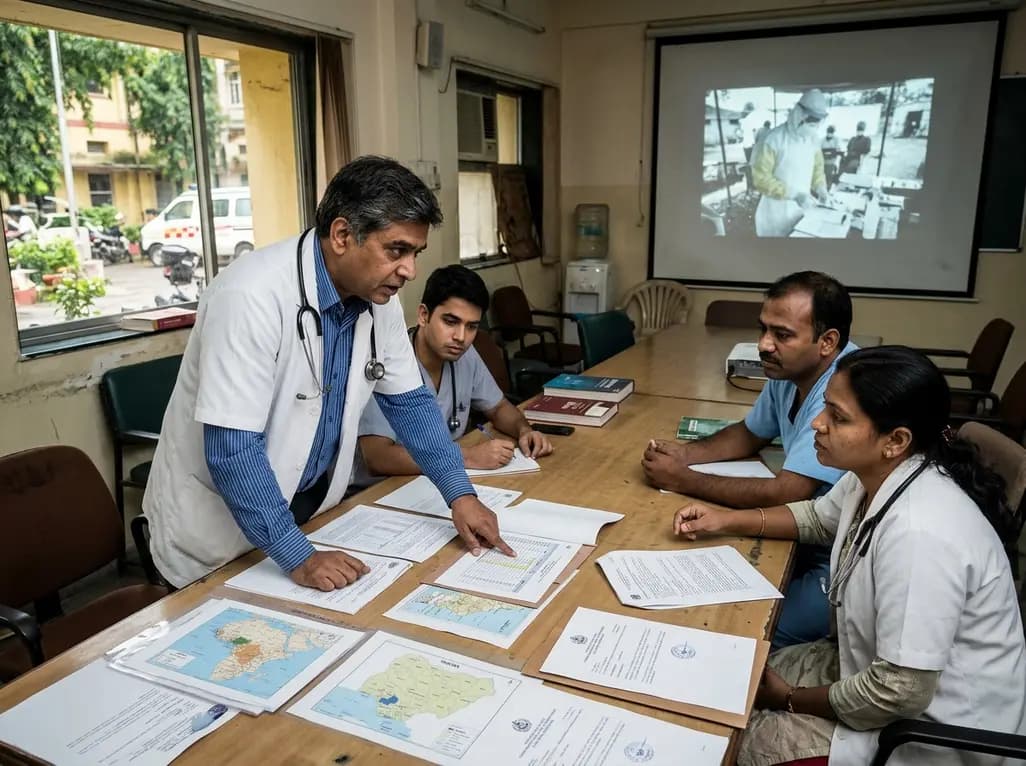
Following Nigeria's first recorded Ebola case linked to regional travel, the Africa CDC has convened an emergency ministerial summit. This alert underscores critical clinical priorities for healthcare professionals, including differentiating early viral infection from malaria, implementing barrier nursing, and triage.
Today

Leucine Rich Bio has introduced South Asia's first comprehensive vaginal microbiome test, BugSpeaks. By profiling microbial dysbiosis, pathogens, and antimicrobial resistance, this next-generation diagnostic platform provides clinicians with deeper insights into recurrent infections, fertility, and reproductive health.
Today

Review how tailored exercise programs benefit frail older patients with heart failure. Explore pathophysiological mechanisms, individualized training prescriptions, and strategies to overcome adherence barriers in clinical practice.
Today

This comparative study evaluates posterior labral tears with and without glenohumeral instability, highlighting distinct demographic patterns, MRI underestimation in stable shoulders, and successful arthroscopic repair outcomes.
Today

A clinical study demonstrates that early intervention with tocilizumab, either as monotherapy or bridged with corticosteroids, achieves significant proptosis reduction and resolves active inflammation in treatment-naive thyroid eye disease.
Today
