.webp&w=384&q=75)

Loading, please wait...
Loading, please wait...
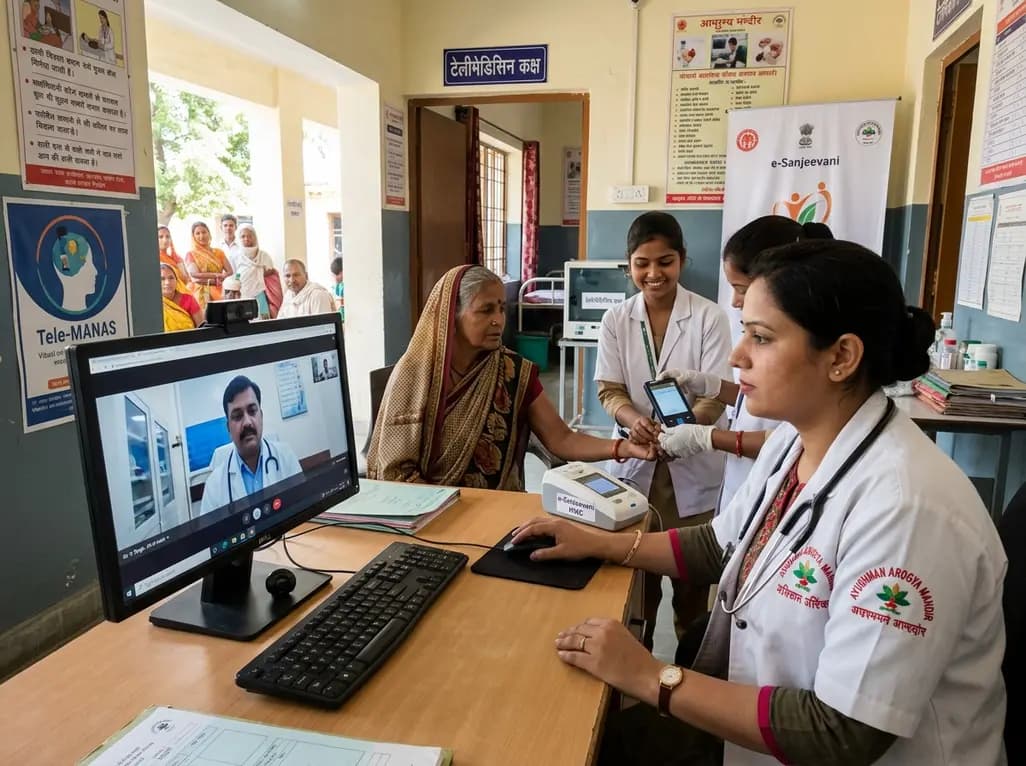
Healthcare delivery in Uttar Pradesh is undergoing a decisive transformation to bridge the rural-urban divide in specialist clinical expertise. Consequently, state health authorities have introduced Arogya Mandir telemedicine services to deliver tertiary consultations directly to remote village populations. Ayushman Arogya Mandirs now operate as vital technological conduits that connect grassroots patients with experienced hospital-based medical specialists. Furthermore, this strategic healthcare initiative pairs real-time video consultations with rapid point-of-care diagnostic instrumentation. As a direct result, rural residents avoid extensive travel and catastrophic expenses for routine specialty evaluations and preliminary pathology tests. This systematic digital modernization promises to reshape clinical triage, referral efficiency, and primary care delivery standards across northern India.
The state administration designed this clinical initiative around a robust, interconnected hub-and-spoke structural framework. In this operational model, established medical colleges, district hospitals, and community health centres function as specialized regional hubs. Meanwhile, decentralized Ayushman Arogya Mandirs situated across village and panchayat levels operate as primary spokes. For instance, authorities recently designated the historic Colvin Hospital in Prayagraj as a key telemedicine hub for surrounding rural facilities.
Therefore, specialist physicians stationed at urban hub facilities can evaluate patients who visit rural clinics miles away. The digital network relies primarily on the central e-Sanjeevani teleconsultation software platform developed for national public health delivery. Because of this integration, rural clinics transmit real-time patient records, clinical photography, and vital trends directly to hospital terminals. Furthermore, doctors can conduct structured high-definition video interactions with beneficiaries in the presence of local healthcare workers.
Consequently, patients avoid costly and exhausting travel to crowded urban medical centres for routine specialty advice. In addition, this decentralized architecture reduces severe outpatient congestion at district tertiary facilities. Specialists can easily monitor chronic cardiovascular diseases, assess acute presentations, and guide primary interventions remotely. Ultimately, the hub-and-spoke model democratizes specialist access while reinforcing clinical governance across every administrative district.
Community Health Officers, commonly designated as CHOs, serve as the clinical backbone of this decentralized teleconsultation system. When an individual presents to a rural spoke facility, the CHO performs a thorough primary clinical examination. Subsequently, the CHO inputs all preliminary vital signs, relevant history, and symptom logs into the secure e-Sanjeevani portal.
Moreover, health workers upload any immediate lab values and diagnostic strip readings directly into the cloud interface. The specialist doctor stationed at the hub reviews this synthesized clinical profile before starting the live video conference. During the live teleconsultation, the physician examines the patient with active physical assistance from the on-site CHO. Thus, the CHO acts as the specialist's physical hands and trusted clinical liaison during the remote clinical encounter.
Following the assessment, the hospital doctor generates a legally valid digital prescription directly within the portal. The local clinic prints or delivers this electronic prescription to the patient immediately after the call concludes. Furthermore, the Arogya Mandir dispenses necessary essential medications directly from its in-house pharmacy store without additional cost. Consequently, patients receive a seamless continuum of evaluation, specialty diagnosis, and pharmacological treatment during a single clinic visit. This structured clinical workflow substantially improves patient compliance and builds durable trust in public health infrastructure.
Delayed diagnostic turnaround times have historically hindered timely clinical decision-making within peripheral rural practices. To resolve this diagnostic bottleneck, health authorities are equipping Arogya Mandirs with smart, portable point-of-care laboratory analysers. Specifically, dry-biochemistry analysers enable local clinical staff to process essential blood panels in just five to ten minutes.
Because these compact devices do not require elaborate central laboratory infrastructure, rural clinics operate with enhanced diagnostic autonomy. Clinicians can immediately review critical liver enzymes, renal functional parameters, blood glucose levels, and total haemoglobin concentrations. Consequently, specialist doctors receive reliable biochemical data while the patient remains actively engaged on the consultation screen. In addition, the state government has deployed specialized portable testing kits tailored specifically for maternal healthcare needs.
These portable diagnostic tools allow rapid detection of severe anaemia and early biological markers of high-risk pregnancies. Therefore, frontline health personnel can quickly identify obstetric complications before life-threatening emergencies emerge in remote villages. Similarly, clinicians manage chronic metabolic disorders like diabetes mellitus and hypertension with unprecedented diagnostic precision. By coupling instant laboratory insights with digital clinical expertise, this comprehensive program significantly elevates diagnostic accuracy and therapeutic safety.
Rural communities across India have long faced substantial structural barriers when attempting to access psychological and psychiatric care. Due to persistent social stigma and an acute shortage of trained psychiatrists, villagers frequently leave debilitating mental conditions unaddressed. However, the systematic expansion of Arogya Mandir facilities directly tackles this critical and neglected public healthcare disparity.
Authorities have linked these peripheral health centres with the state-level Tele-MANAS comprehensive tele-mental health helpline network. Residents struggling with acute emotional stress, severe depression, persistent insomnia, or substance use disorders can now seek confidential assistance. Specifically, individuals access free professional psychological counselling through dedicated communication setups within their local Arogya Mandir. In Prayagraj district alone, nearly five hundred operational Arogya Mandirs facilitate direct access to Tele-MANAS services.
Patients can connect through designated national toll-free contact numbers, including the 14416 short code and 1800 lines. Furthermore, official records indicate that hundreds of rural patients have already utilized these remote psychiatric counselling resources successfully. Frontline caregivers can also coordinate with regional psychiatrists for pharmacotherapy when non-pharmacological psychological counselling proves insufficient. As a result, this integrated platform normalizes psychiatric discussions and systematically bridges the vast rural mental health divide.
This systemic healthcare reorganization presents several crucial professional implications for physicians practicing across both rural and urban India. Primary care practitioners operating at community health centres can now triage complex clinical conditions much more effectively. In addition, medical specialists stationed at urban hub hospitals must develop proficiency in remote clinical communication and digital assessment.
Telemedicine fundamentally requires clear clinical documentation, structured communication protocols, and proactive coordination with mid-level allied health providers. Moreover, hub physicians must remain conscious of the operational constraints and formulary limitations inherent to rural health outposts. When prescribing therapeutics, doctors should ensure that recommended medicines strictly align with standard primary health centre drug inventories. Furthermore, longitudinal digital records created during these teleconsultations generate invaluable real-world data for continuous epidemiological surveillance.
Clinicians can track disease prevalence patterns, monitor antibiotic prescription trends, and observe emerging regional infectious outbreaks early. Consequently, the telemedicine network functions both as an active clinical treatment highway and as an intelligent public health monitoring tool. In conclusion, medical professionals who actively embrace this collaborative framework will drive substantially improved chronic disease outcomes across underserved populations.
Q1: How does the hub-and-spoke telemedicine model function in Ayushman Arogya Mandirs?
In this framework, rural Ayushman Arogya Mandirs act as peripheral spokes, while district hospitals and medical colleges serve as central hubs. Community Health Officers at rural spokes record clinical symptoms and baseline diagnostics on the e-Sanjeevani platform. Subsequently, hospital specialists conduct live video evaluations, discuss cases with the local officer, and generate digitally authorized prescriptions for the patient immediately.
Q2: Which rapid diagnostic capabilities are available at upgraded Arogya Mandir clinics?
Upgraded Arogya Mandirs utilize advanced dry-biochemistry analysers that deliver vital test results within five to ten minutes without large laboratory infrastructure. These smart devices accurately test haemoglobin concentrations, blood glucose, renal parameters, and liver function profiles. Additionally, health workers utilize dedicated portable screening kits to identify severe maternal anaemia and detect high-risk pregnancy complications during routine antenatal community visits.
Q3: How do rural patients access mental health support through the Tele-MANAS initiative?
Patients experiencing acute stress, persistent depression, anxiety, or sleep disturbances can visit their local Arogya Mandir to connect with the Tele-MANAS helpline network. The facility links beneficiaries directly to trained counsellors and psychiatric teams via toll-free numbers such as 14416. Consequently, rural residents receive free, confidential mental health support and clinical guidance without enduring social stigma or travelling long distances.
Disclaimer: This content is for informational and educational purposes only. It does not constitute medical advice or replace professional judgment. Refer to the latest local and national guidelines for clinical practice.
References

Read summarized clinical updates, watch expert medical content, and earn CME certifications right from your smartphone.
Open your smartphone camera to scan and install.





Uttar Pradesh is upgrading Ayushman Arogya Mandirs with a hub-and-spoke telemedicine framework via e-Sanjeevani. The initiative connects rural citizens with hospital specialists, deploys rapid point-of-care blood testing, and integrates Tele-MANAS mental health services to enhance primary healthcare delivery.
last month
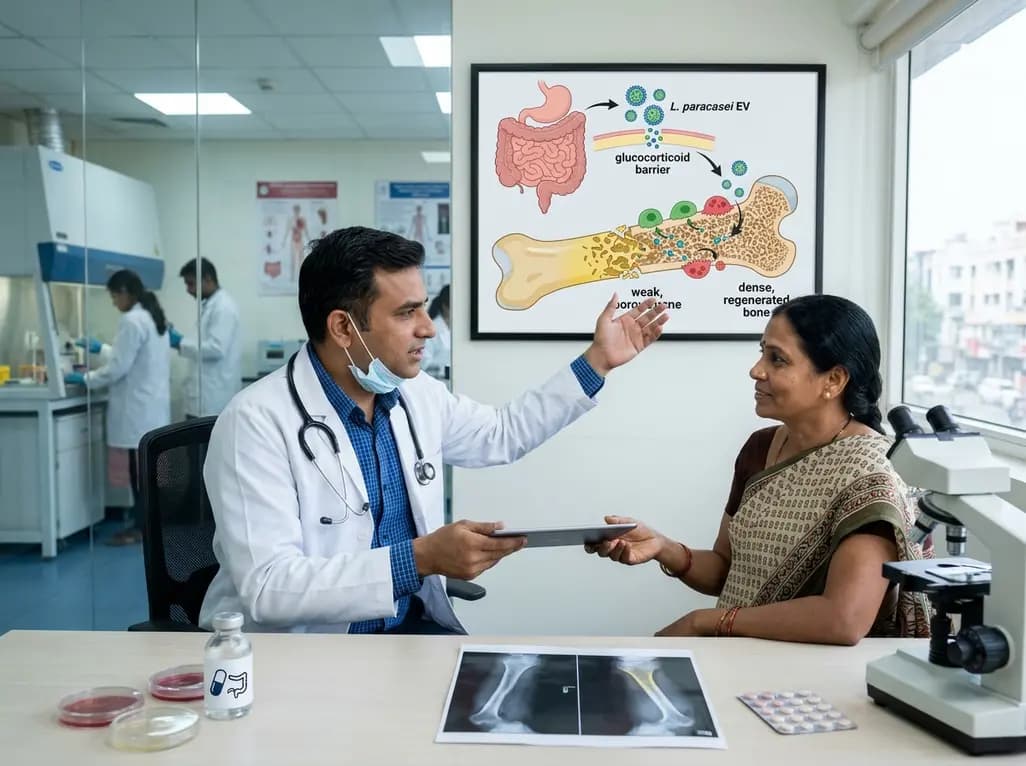
A novel oral nanoplatform using Lacticaseibacillus paracasei-derived extracellular vesicles delivers alendronate, reversing glucocorticoid-induced bone loss and restoring gut-immune-bone homeostasis.
Today
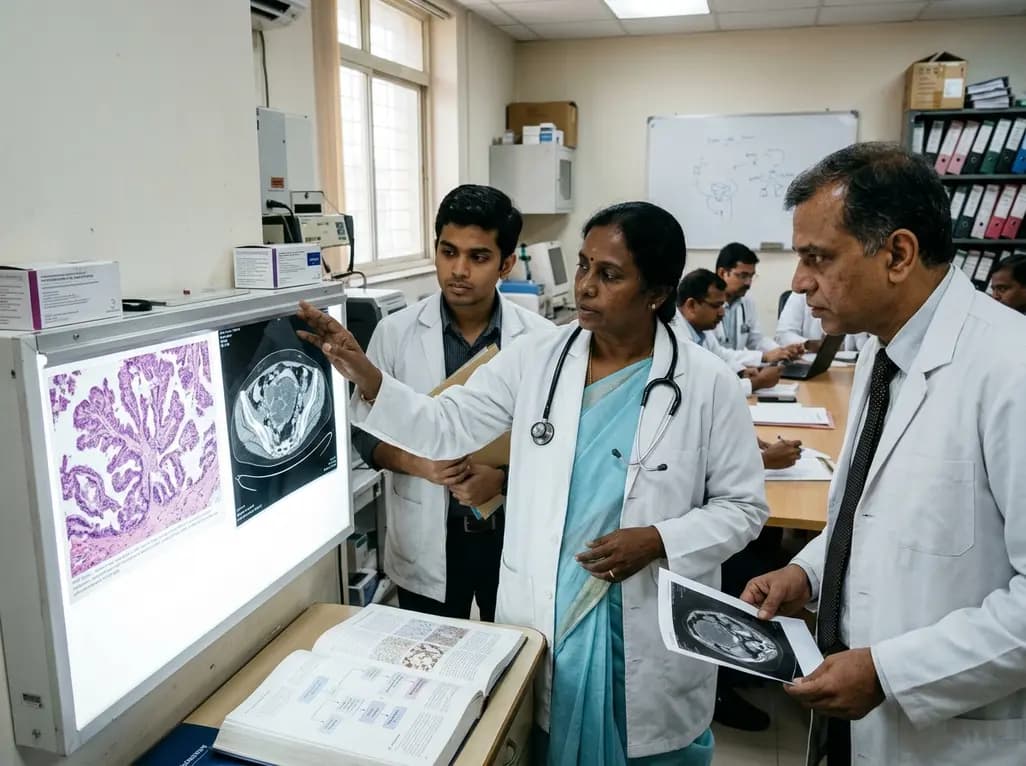
A rare presentation of cervical villoglandular adenocarcinoma metastasizing to the ovary mimicked a borderline ovarian tumor. Multimodal testing with immunohistochemistry and HPV16 DNA confirmed metastatic origin, guiding optimal surgical and chemoradiotherapy intervention.
Today
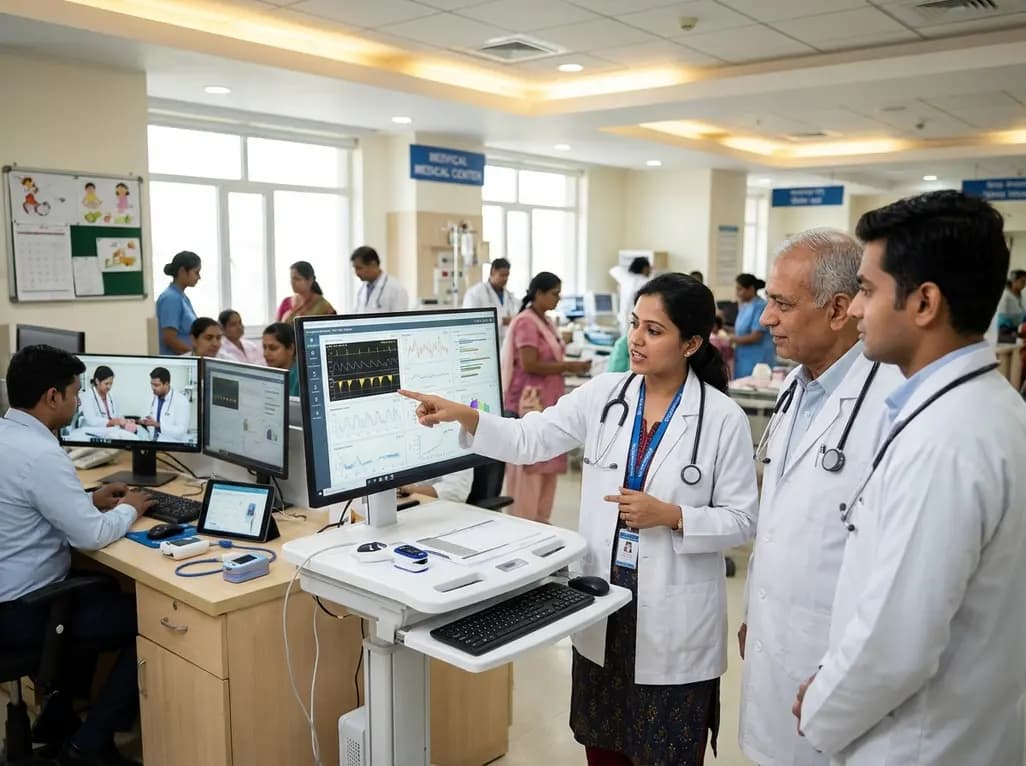
A landmark study details how an enterprise pediatric remote patient management model expanded from a single cardiology pilot to 16 diverse specialty programs by combining centralized digital operations with specialty clinical leadership.
Yesterday
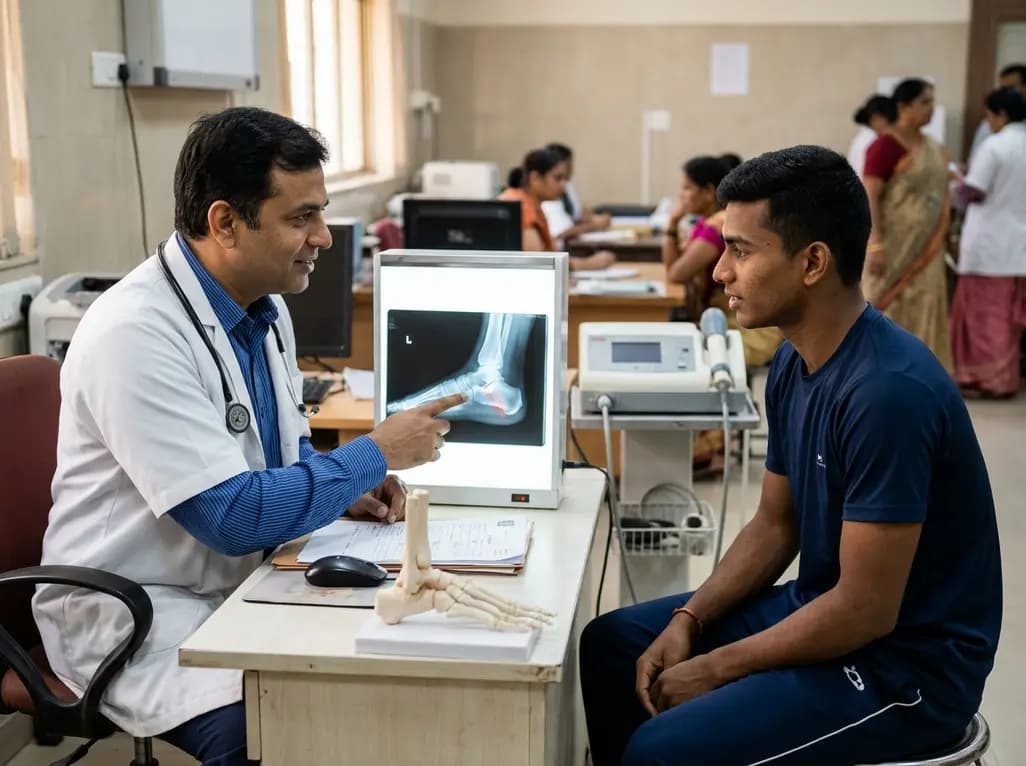
A collegiate hurdler with a 2-year neglected Degan type III anterior process calcaneus fracture achieved complete pain resolution and bony bridging using focused extracorporeal shock wave therapy, returning to competition without invasive surgery.
Today
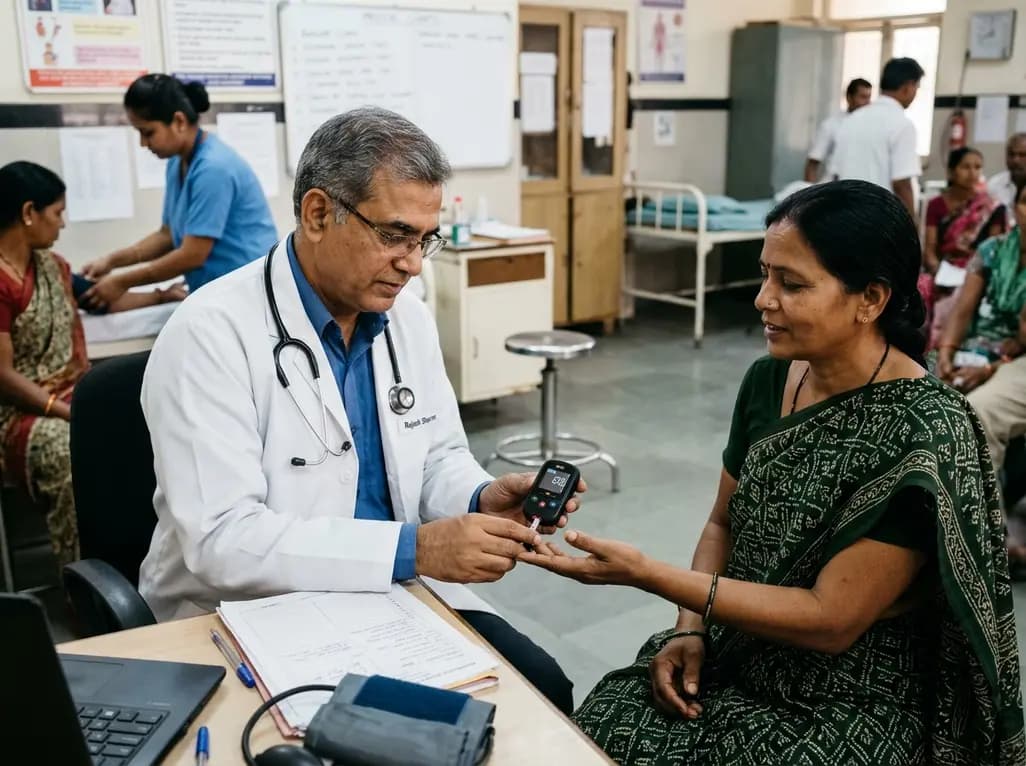
A real-world trial evaluating a near-infrared spectroscopy noninvasive glucose monitoring device in adults with type 2 diabetes demonstrated a combined MAD/MARD of 16.3 across 2,616 paired readings, highlighting its clinical feasibility.
Today
