

Loading, please wait...
Loading, please wait...
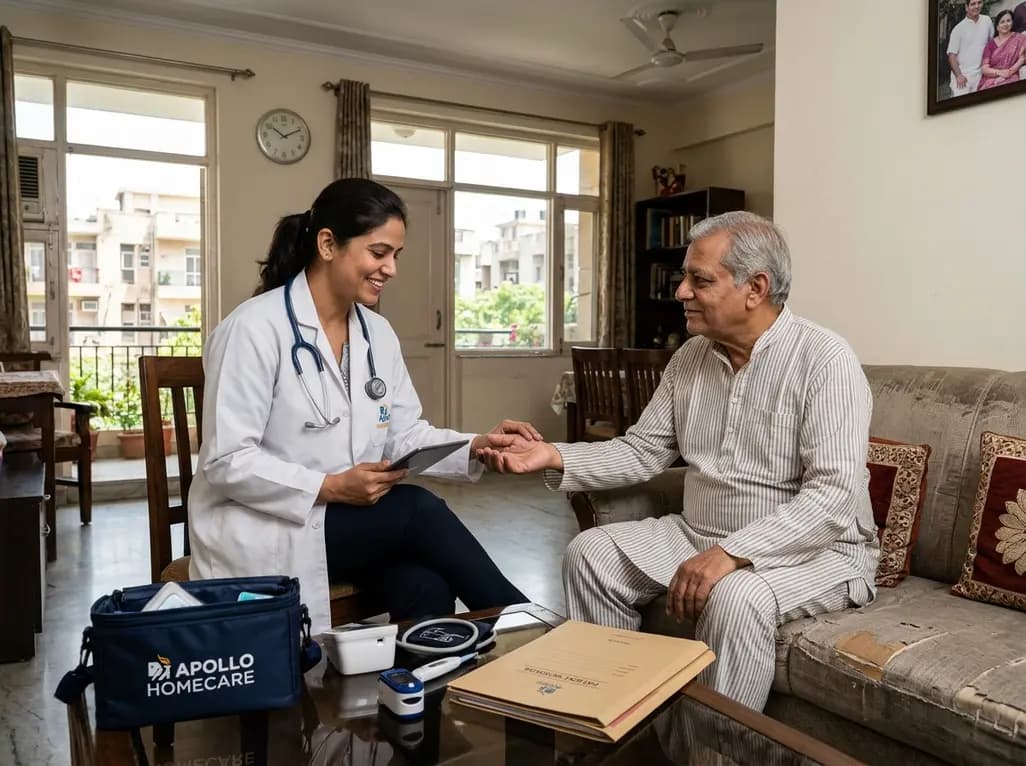
The modern healthcare delivery ecosystem in India is undergoing rapid decentralization. Urban patients increasingly demand prompt medical consultations without facing congested clinic waiting rooms or grueling traffic delays. Addressing this growing necessity, Apollo Homecare has introduced an innovative doctor-at-home service in Gurugram. This pilot program guarantees that a qualified physician reaches the patient's residence within 90 minutes of booking confirmation. Consequently, this rapid-response initiative bridges the critical operational gap between delayed outpatient appointments and costly emergency department admissions. Moreover, it introduces an organized domiciliary framework to modern urban primary healthcare.
The newly unveiled service specifically targets urgent, non-emergency clinical conditions. Patients frequently experience acute discomfort from seasonal fevers, upper respiratory tract infections, or uncomplicated gastrointestinal illnesses. In such scenarios, traveling to an outpatient clinic poses immense logistical challenges for ailing individuals. Therefore, the visiting physician conducts a thorough physical assessment right in the patient's living room. Furthermore, the clinician evaluates baseline vital parameters, reviews current prescriptions, and formulates an evidence-based management plan. In addition to treating acute ailments, the clinician addresses routine follow-ups for chronic conditions like hypertension and uncomplicated type 2 diabetes. However, healthcare personnel must emphasize that this service does not substitute for dedicated emergency medical services. Critical clinical presentations, such as severe crushing chest pain, acute neurological deficits, or severe trauma, require immediate tertiary hospital admission. By establishing clear triage boundaries, the service effectively manages ambulatory complaints in a comfortable home setting. Consequently, clinicians safely resolve minor acute exacerbations while reserving emergency rooms for life-threatening crises. This balanced triage protocol prevents systemic overburdening and optimizes resource utilization across urban healthcare networks.
A primary clinical strength of this program lies in its robust integration with the wider Apollo hospital network. Traditional domiciliary consultations often function in complete isolation, leaving patients without seamless referral pathways during complications. In contrast, this model directly connects the visiting physician with advanced secondary and tertiary hospital infrastructure. For instance, when a doctor evaluates an elderly patient with suspected pneumonia, they can immediately order diagnostic investigations. Furthermore, the physician can coordinate home phlebotomy, portable radiologic evaluations, or prompt hospital admission if red-flag symptoms arise. This continuous continuum of care significantly mitigates diagnostic delays. Additionally, integrated electronic health records ensure that outpatient notes transfer smoothly into institutional hospital databases. Therefore, admitting hospital consultants can review the exact clinical findings documented during the initial domestic encounter. This clinical continuity minimizes repetitive laboratory testing, reduces administrative confusion, and strengthens patient compliance. Moreover, family physicians and hospital specialists can collaborate dynamically on treatment plans. As a result, patients receive coordinated multidisciplinary attention while remaining in their domestic environment. Such structural alignment transforms fragmented home visits into a dependable tier of comprehensive hospital-backed healthcare delivery.
Urban centers across India present formidable obstacles to timely healthcare access. Severe vehicular traffic, long clinic queues, and hectic professional routines frequently deter patients from seeking early medical advice. Consequently, individuals often postpone consultations until minor illnesses escalate into complicated medical conditions requiring emergency admission. Vishal Lathwal, Chief Executive Officer of Apollo Homecare, noted that travel friction frequently prevents patients from receiving timely clinical attention. Therefore, eliminating travel barriers fundamentally improves community health seeking behavior. In addition, transparent financial modeling plays a pivotal role in establishing patient trust. The Gurugram pilot implements a flat consultation fee of Rs 3,500 per visit. Because patients know the exact financial commitment beforehand, they can make informed healthcare decisions without fear of hidden expenses. Moreover, this transparent pricing model reduces billing friction in private healthcare delivery. When medical providers offer clear arrival windows alongside predictable fees, patients experience greater dignity and psychological comfort. Thus, streamlining the initial point of contact encourages earlier clinical intervention. Ultimately, eliminating geographical and administrative hurdles empowers families to seek timely treatment for vulnerable relatives, especially pediatric and geriatric patients.
The geriatric population in urban India experiences profound vulnerability when accessing traditional healthcare facilities. Many senior citizens manage multiple chronic conditions, including osteoarthritis, cognitive decline, and chronic obstructive pulmonary disease. For these individuals, traveling to crowded medical centers causes substantial physical distress, joint pain, and emotional exhaustion. Furthermore, exposure to hospital environments elevates the risk of acquiring nosocomial infections among immunocompromised seniors. In this context, bringing competent medical professionals directly to the bedside represents a transformative standard of care. Visiting physicians can observe the domestic living environment directly. Consequently, they can identify critical fall hazards, nutritional deficiencies, and medication non-adherence patterns that routine clinic visits typically overlook. Similarly, families caring for infants and young children benefit immensely from timely home visits. Parents can avoid exposing febrile pediatric patients to congested waiting areas. Additionally, doctors can offer reassuring bedside counseling in a calm setting, which significantly alleviates parental anxiety. Therefore, personalized domiciliary evaluations offer both therapeutic and preventive advantages. By addressing clinical issues within the family environment, physicians foster stronger therapeutic relationships and improve long-term treatment adherence.
While the initial launch in selected parts of Gurugram marks significant progress, scaling rapid home visits requires overcoming operational hurdles. First, navigating unpredictable urban traffic within a strict 90-minute window demands sophisticated logistics and algorithmic route planning. Furthermore, dispatch coordinators must implement rigorous phone triage protocols. Clinicians must quickly screen incoming calls to confirm that acute emergencies receive immediate ambulance dispatch rather than ambulatory home visits. Additionally, maintaining a consistent cadre of qualified, empathetic general physicians across expanding geographical sectors requires substantial recruitment and continuous training. Apollo Homecare plans to monitor initial clinical outcomes and patient feedback closely before expanding into neighboring areas. As the program evolves, integrating point-of-care diagnostics, digital prescription delivery, and remote tele-monitoring will further enhance clinical efficiency. Moreover, health insurance providers in India are gradually recognizing the clinical value of domiciliary care. If third-party payers expand insurance reimbursement for home consultations, patient adoption will accelerate rapidly. Consequently, home-based primary care models could soon become an essential pillar of urban public health infrastructure across India.
Q1: What medical conditions does the Gurugram doctor-at-home service cover?
The service addresses acute, non-emergency conditions that do not require immediate intensive resuscitation. Specifically, visiting clinicians manage seasonal fevers, suspected viral or bacterial infections, acute bronchitis, gastroenteritis, and minor physical complaints. In addition, the service provides comprehensive routine evaluations for chronic illnesses like hypertension and diabetes. However, patients experiencing life-threatening symptoms, such as sudden chest tightness, severe dyspnea, or acute neurological deficits, must seek emergency room care immediately.
Q2: What is the consultation cost and expected arrival time for the visit?
The program features a clear, flat consultation fee of Rs 3,500 per confirmed domestic visit. Furthermore, Apollo Homecare commits to dispatching a qualified medical doctor to the patient's doorstep within 90 minutes of booking confirmation. This predictable timeline and upfront financial pricing eliminate the uncertainty often associated with outpatient visits, enabling urban families to access prompt, high-quality medical care without unexpected financial surprises.
Q3: How does this home service connect with secondary and tertiary hospital facilities?
The domiciliary service connects directly with the broader Apollo Hospitals ecosystem. Therefore, if a visiting physician determines that a patient requires advanced diagnostic workups, parenteral therapy, or intensive inpatient observation, they coordinate immediate escalation pathways. The doctor can arrange priority hospital admission, specialized laboratory tests, or specialist referrals seamlessly. Consequently, patients transition between home-based care and advanced clinical facilities without redundant assessments or hazardous clinical delays.
Disclaimer: This content is for informational and educational purposes only. It does not constitute medical advice or replace professional judgment. Refer to the latest local and national guidelines for clinical practice.
References

Read summarized clinical updates, watch expert medical content, and earn CME certifications right from your smartphone.
Open your smartphone camera to scan and install.





Apollo Homecare has introduced an on-demand medical consultation pilot in Gurugram, dispatching general physicians to patient residences within 90 minutes. Designed for non-emergency conditions and chronic reviews, the initiative bridges rapid home triage with comprehensive hospital infrastructure.
Today

A novel smartphone-assisted biosensor utilizing molecularly imprinted polymers and catalytic nanozymes offers antibody-free, enzyme-free urinary microalbumin testing, enabling rapid, low-cost point-of-care screening for early chronic kidney disease.
Today

Public health experts urge policymakers to review rigorous clinical evidence before scaling up double fortified salt. With only half of India's anaemia cases stemming from iron deficiency, specialists highlight structural trial limitations, dietary diversity needs, and pending data from the SAMPADA national survey.
Today
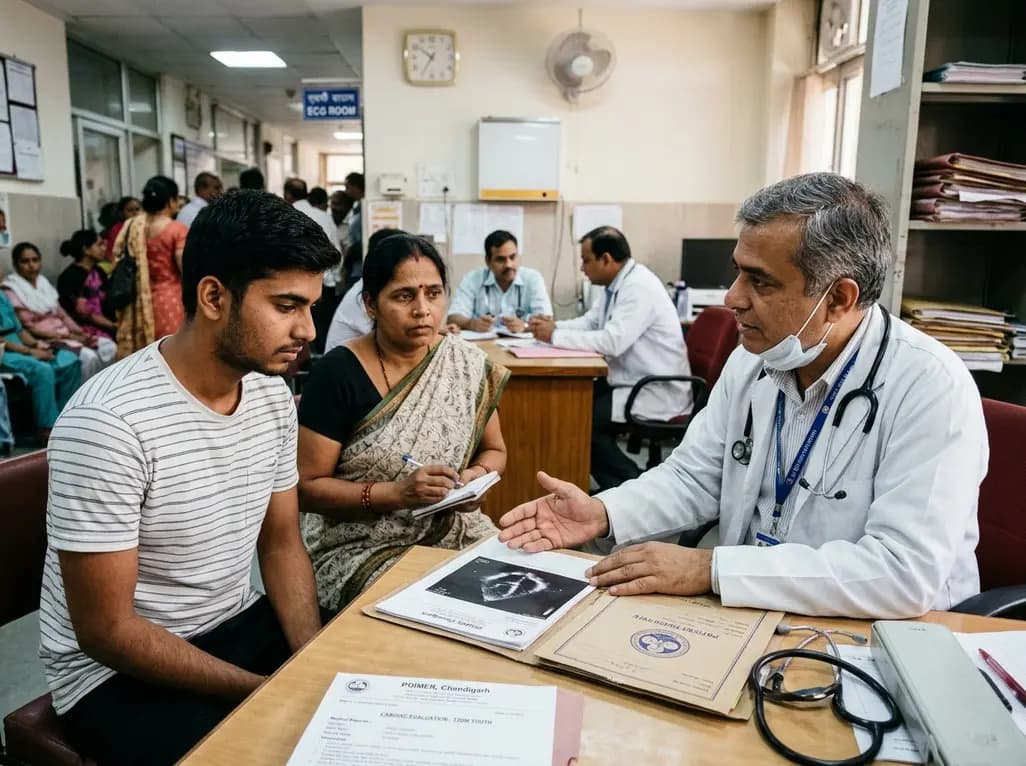
Recent data from PGIMER reveals that young adults diagnosed with type 2 diabetes face an aggressive disease trajectory. They encounter severe cardiovascular and microvascular damage within five years, occurring at higher rates than in type 1 diabetes despite lower mean blood glucose levels.
Today
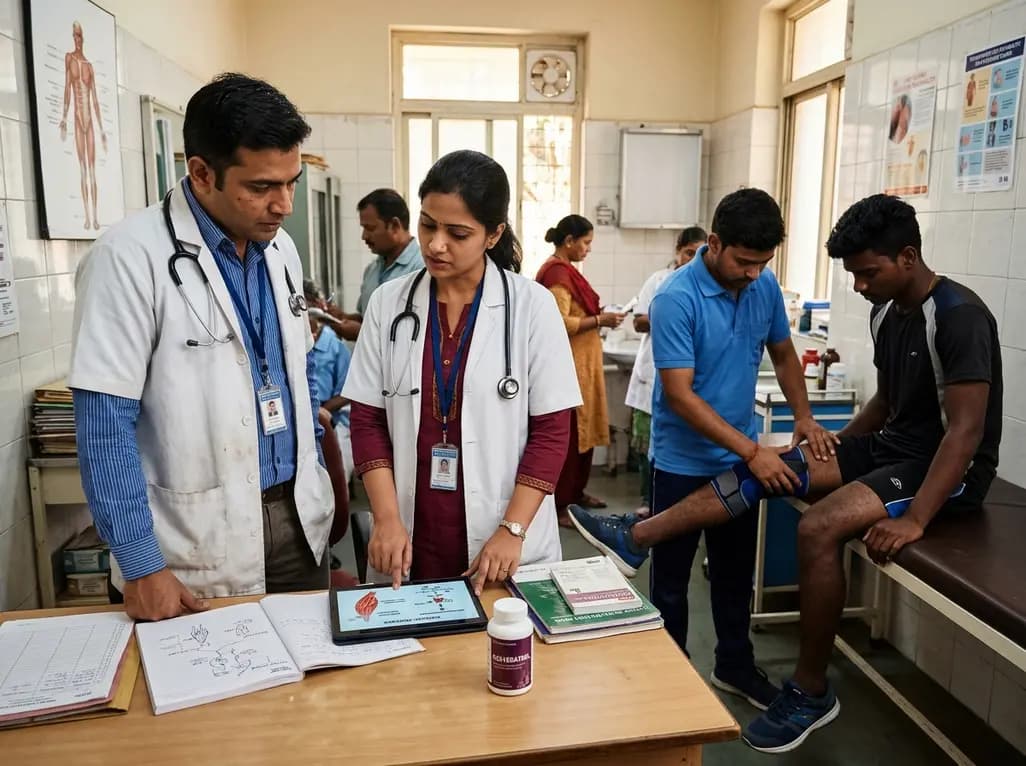
A clinical overview of resveratrol supplementation in mitigating exercise-induced muscle damage. This narrative review explores physiological mechanisms, reductions in soreness markers like creatine kinase, dosage strategies, and bioavailability enhancements for sports medicine and nutrition practitioners.
Today
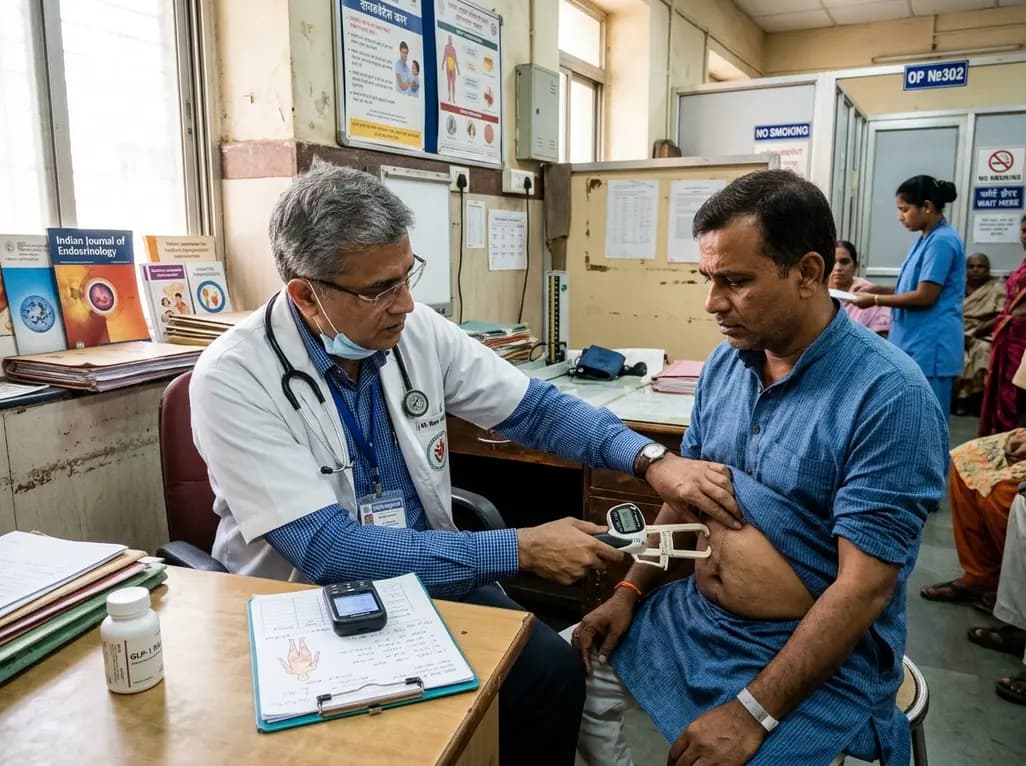
Indian patients present unique metabolic traits, including lower muscle mass and higher visceral adiposity at lower BMI levels. Endocrinologists urge moving past simple scale weight when prescribing GLP-1 receptor agonists, highlighting comprehensive nutritional assessments, muscle function, and organ protection.
Today
