.webp&w=384&q=75)

Loading, please wait...
Loading, please wait...
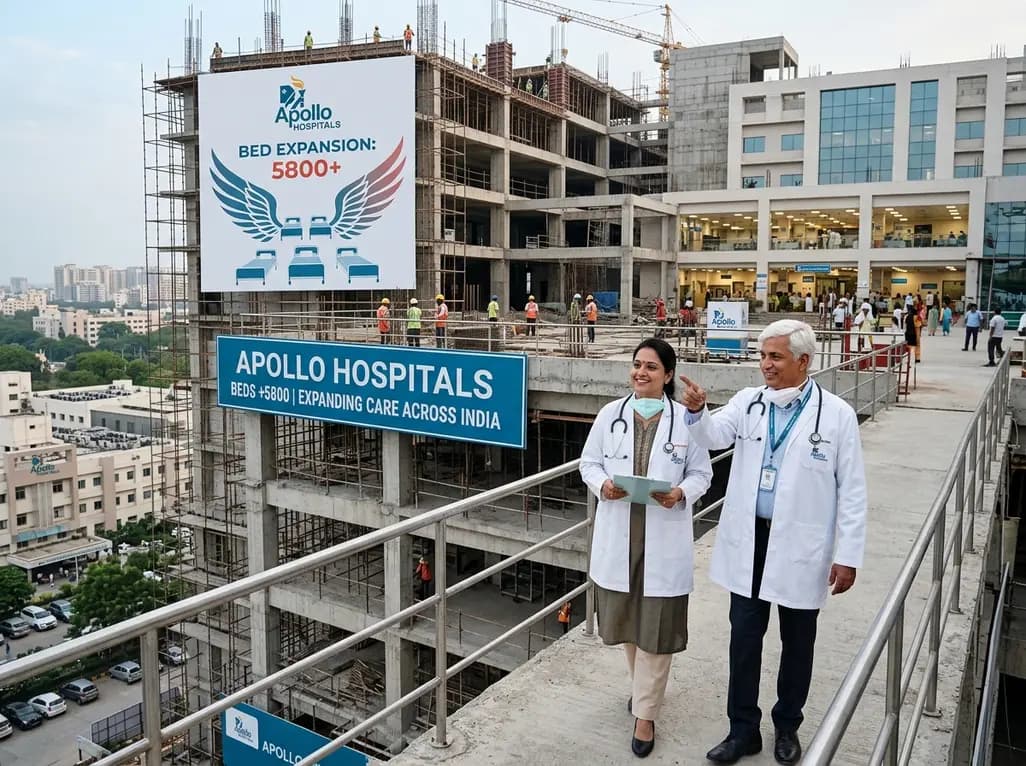
Apollo Hospitals has announced an ambitious multi-year strategy to scale its clinical network across India. Specifically, the group plans to add over 5,800 beds to its portfolio over the next five years. Consequently, this expansion will significantly strengthen its tertiary and quaternary care footprint. As of June 30, 2026, Apollo Hospitals operated 8,352 beds across its network, excluding managed beds and subsidiary facilities. During the first quarter of FY27, overall hospital occupancy reached 70 percent. This represents a noticeable increase from 65 percent reported in Q1 FY26. Consequently, higher occupancy reflects surging demand for specialized clinical interventions.
Furthermore, healthcare leadership emphasizes integrated delivery models to support long-term patient outcomes. The ongoing Apollo Hospitals bed expansion strategy aligns directly with changing demographic needs. India faces a mounting burden of chronic illnesses and complex health conditions. Therefore, expanding hospital capacity remains essential for delivering timely clinical interventions. Moreover, the group aims to combine physical infrastructure with digital health platforms seamlessly. This dual approach ensures comprehensive continuity of care from preventive screening to advanced post-operative rehabilitation. Over the coming years, new facilities will enhance healthcare access across both metropolitan and emerging regional urban centers.
The financial results for the first quarter ended June 2026 demonstrate robust top-line and bottom-line expansion. Consolidated revenue rose by 21 percent year-on-year to reach ₹7,043 crore. Additionally, consolidated EBITDA grew by 28 percent year-on-year to ₹1,092 crore. Consolidated profit after tax reached ₹581 crore during the same quarter. These figures highlight strong financial health across all operational divisions.
Healthcare services remained the main revenue generator for the group. Specifically, this core hospital segment reported a 22 percent year-on-year revenue surge to ₹3,567 crore. In addition, EBITDA for healthcare services grew by 20 percent year-on-year to ₹862 crore. Net profit for this division reached ₹480 crore, marking a 25 percent increase. Higher surgical volumes and complex procedures largely drove this clinical growth. Furthermore, high-volume specialties included cardiology, oncology, neurology, gastroenterology, and orthopedics. Consequently, average revenue per occupied bed continued its upward trajectory. The strong performance validates investor confidence and provides necessary capital for ongoing capital expenditure. Subsequently, robust cash flows will fund upcoming brownfield and greenfield expansions without stretching leverage metrics.
Apollo Hospitals is aggressively implementing regional development projects to broaden specialized medical availability. The strategic expansion plan includes adding 148 beds to existing centers in Indore and Guwahati. Furthermore, the group is establishing four brand-new hospitals in key geographical locations. These new greenfield facilities include projects in Indore, Dwarka, Ranchi, and the Delhi Proton Centre. Together, these four developments will contribute 1,200 additional beds to the network.
In addition, the group commissioned a new 180-bed hospital in Sarjapur, Bangalore during Q1 FY27. Simultaneously, construction on the upcoming Gurugram hospital project remains on track for commissioning in Q3 FY27. These developments target high-density urban areas where demand for specialized care remains high. Moreover, expanding into Tier-2 cities addresses critical regional healthcare gaps. Patients in these regions previously had to travel long distances for tertiary medical treatment. Consequently, establishing local advanced centers improves emergency response times and clinical outcomes. Expanding bed capacity also enables clinicians to offer advanced surgical procedures and specialized intensive care locally. Therefore, regional infrastructure additions remain central to Apollo’s long-term network growth.
Beyond core hospital beds, Apollo’s retail and digital verticals experienced significant growth during Q1 FY27. The Apollo HealthCo segment, housing digital platforms and pharmacy networks, achieved revenue of ₹2,977 crore. This represents a 20 percent year-on-year revenue increase. Additionally, EBITDA for HealthCo reached ₹171 crore, up substantially from ₹94 crore in Q1 FY26. Profit after tax for HealthCo rose to ₹101 crore compared to ₹57 crore last year.
Moreover, Apollo HealthCo continued expanding its physical pharmacy network across India. The segment added 151 net new retail stores during the quarter. As a result, the total store network expanded to 7,440 operational locations. Simultaneously, the Apollo Health and Lifestyle Limited (AHLL) segment reported 15 percent revenue growth to ₹499 crore. Under the AHLL umbrella, diagnostic services generated ₹200 crore while specialty care centers contributed ₹80 crore. Notably, AHLL significantly reduced its quarterly net loss to ₹1 crore, down from ₹8 crore in Q1 FY26. Therefore, retail clinics and diagnostic networks continue to feed patient referrals directly into primary and tertiary care units.
A primary driver behind clinical network expansion is the shifting disease profile across India. Non-communicable diseases, such as cardiovascular disorders, diabetes, and oncology conditions, continue to rise rapidly. Consequently, managing these conditions requires continuous, highly specialized clinical management rather than single episodic interventions. Group leadership stresses the importance of moving toward integrated care models. These models link preventive health, early diagnostic screening, advanced therapeutic intervention, and post-discharge monitoring.
Furthermore, medical technology advancements require modern hospital facilities equipped with complex diagnostic and surgical tools. Operating rooms and intensive care units demand state-of-the-art infrastructure. Therefore, building modern hospital facilities allows clinical teams to deliver superior clinical results. High occupancy rates across existing centers confirm that patients prioritize clinical excellence and safety. Additionally, international patient traffic has shown robust recovery, further driving inpatient capacity requirements. By adding 5,800 beds over five years, Apollo aims to meet this growing clinical demand efficiently. Consequently, expanding clinical capacity ensures that healthcare providers can deliver timely, evidence-based treatment to patients across the nation.
Q1: What are the key details of the Apollo Hospitals bed expansion plan?
Apollo Hospitals plans to add over 5,800 total beds across its network over the next five years. This multi-year expansion includes adding 148 beds to existing centers in Indore and Guwahati. Furthermore, four new greenfield hospitals in Indore, Dwarka, Ranchi, and the Delhi Proton Centre will add 1,200 beds. Additionally, new facilities in Sarjapur and Gurugram will further boost total clinical bed capacity.
Q2: How did Apollo Hospitals perform financially in the Q1 FY27 period?
Apollo Hospitals reported a strong financial quarter ending June 2026. Consolidated revenue grew by 21 percent year-on-year to ₹7,043 crore. Furthermore, consolidated EBITDA rose 28 percent year-on-year to ₹1,092 crore, while profit after tax stood at ₹581 crore. Growth was driven by strong inpatient volumes in core clinical specialties, alongside continuous expansion in pharmacy networks and diagnostic services.
Q3: Why is hospital bed expansion critical for treating non-communicable diseases in India?
Non-communicable diseases such as cancer, heart disease, and metabolic disorders require comprehensive, continuous clinical care. Expanding physical hospital capacity ensures that patients gain timely access to advanced diagnostic tools, intensive care, and specialized surgical interventions. Furthermore, integrated hospital networks combine early screening with advanced treatment, improving overall long-term patient outcomes and managing chronic disease complications effectively across urban and regional populations.
Disclaimer: This content is for informational and educational purposes only. It does not constitute medical advice or replace professional judgment. Refer to the latest local and national guidelines for clinical practice.
References

Read summarized clinical updates, watch expert medical content, and earn CME certifications right from your smartphone.
Open your smartphone camera to scan and install.





Apollo Hospitals announced plans to add over 5,800 beds over the next five years following a 21% YoY rise in Q1 FY27 consolidated revenue to ₹7,043 crore. The expansion targets Tier-1 and Tier-2 hubs to address rising non-communicable disease burden and growing demand for complex tertiary care in India.
last month
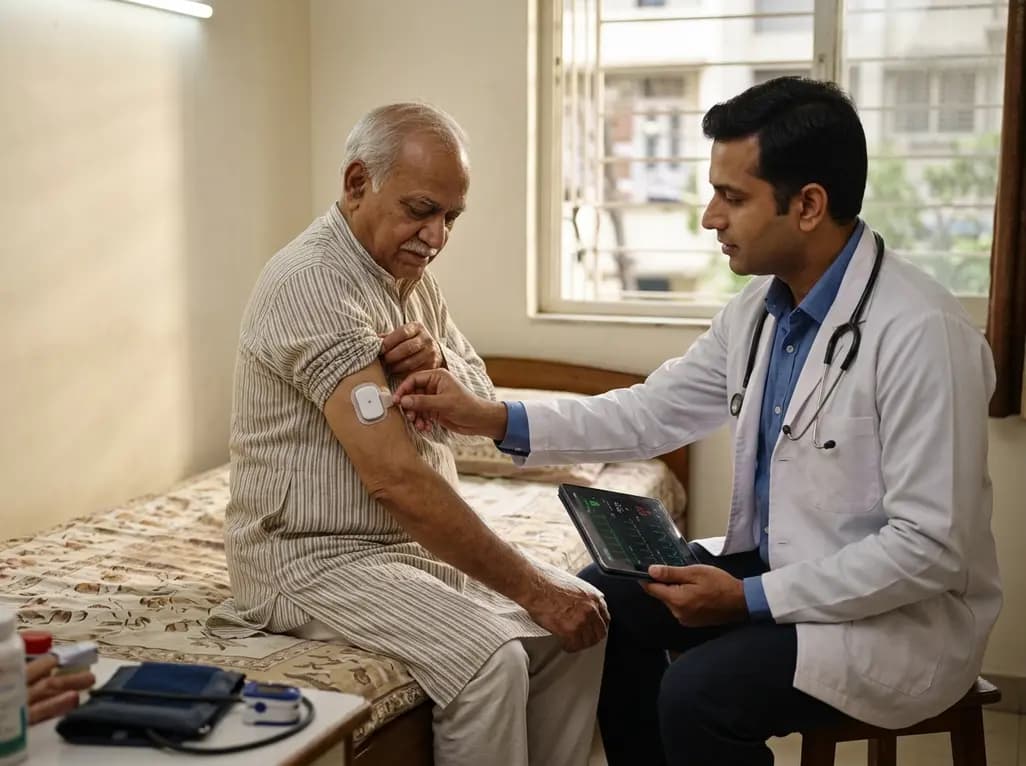
A feasibility study evaluates remote vital sign monitoring in acute hospital at home patients. Continuous wearable patches captured heart rate and respiratory rate with high adherence (89% and 75%), significantly exceeding manual spot checks for blood pressure, oxygen saturation, and temperature.
Today

A scoping review evaluates 116 studies on AI in women's reproductive health, finding that 83.6% carry high risk of bias. While ensemble models show promise, disparities and lack of validation hinder LMIC deployment.
Today
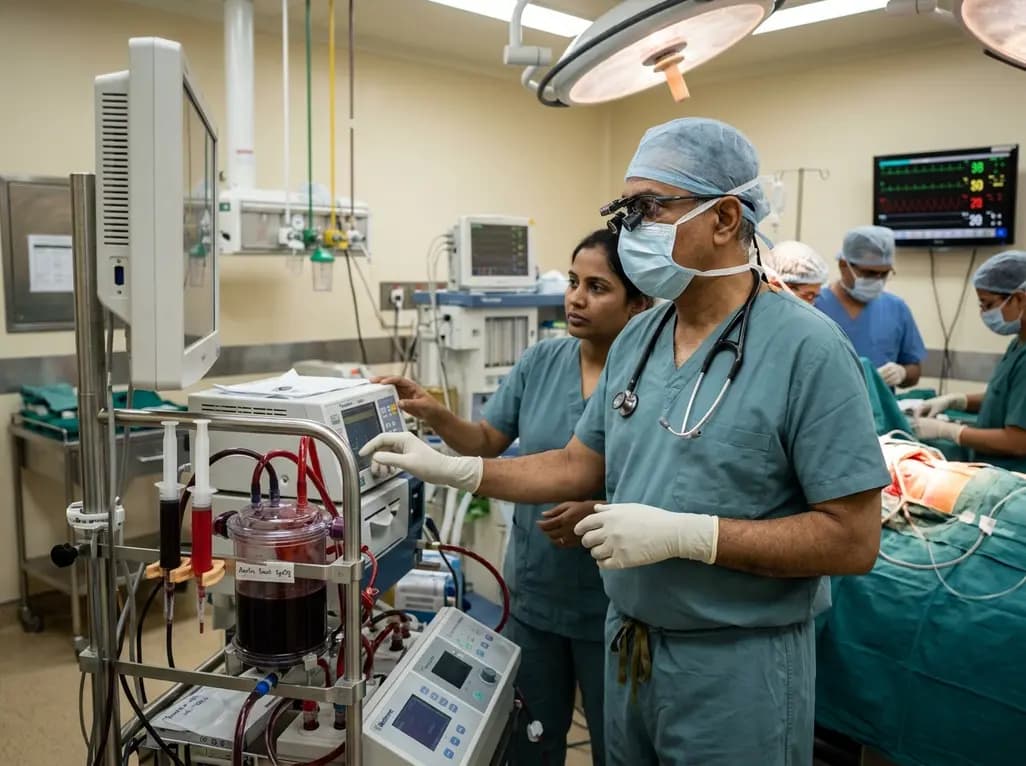
Differential oxygenation during peripheral TA-NRP can cause undetected coronary hypoxemia due to arch vessel clamping. A novel circuit with continuous aortic root monitoring detects desaturation early, facilitating left ventricular unloading and preventing allograft dysfunction and unnecessary heart discard.
Today
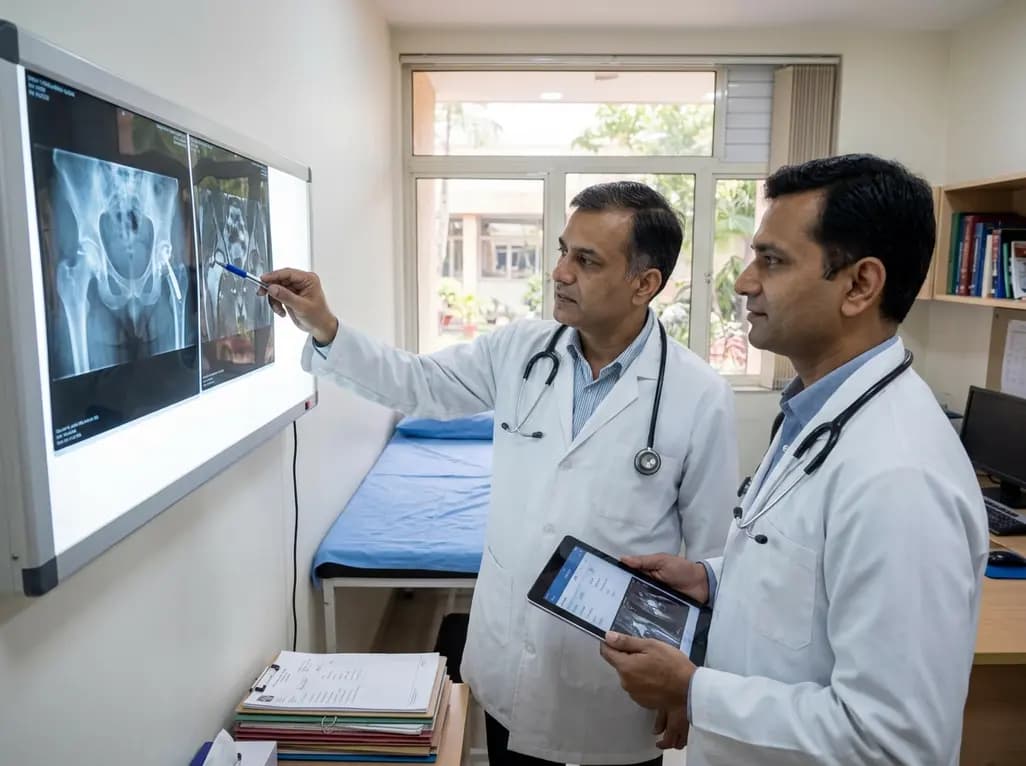
A longitudinal study reveals that patients undergoing staged bilateral hip arthroscopy experience progressive contralateral labral deterioration during surgical intervals. However, structural degradation does not compromise 2-year postoperative clinical outcomes or patient-reported satisfaction scores.
Today
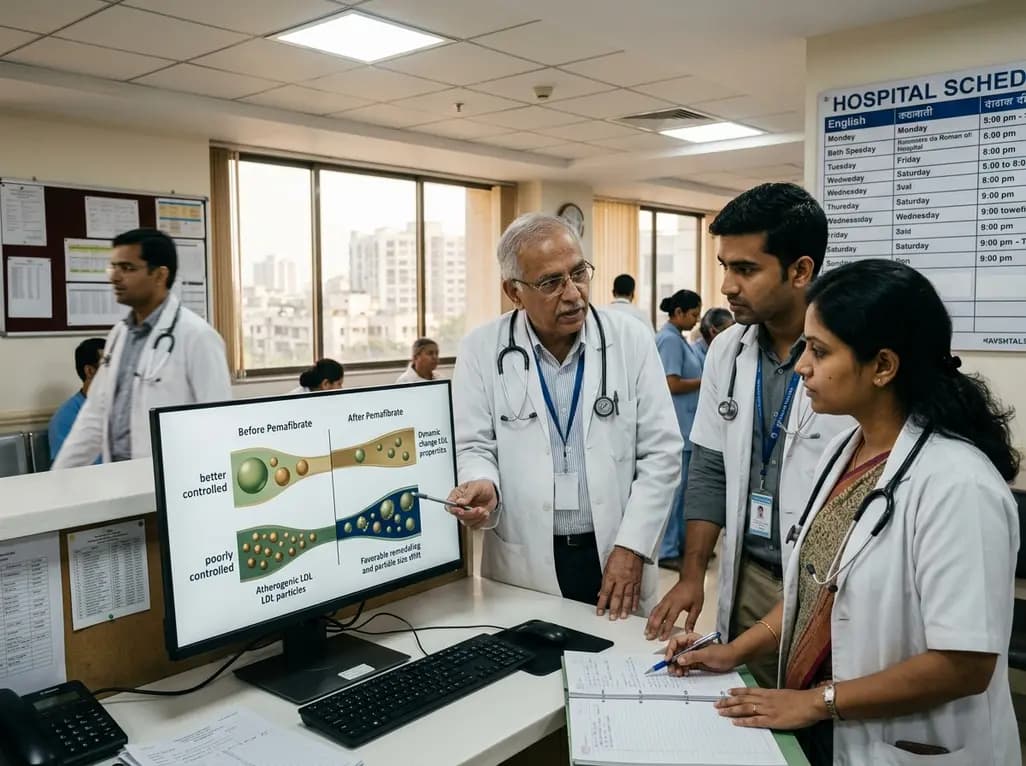
A post hoc analysis of the PARM-T2D study shows pemafibrate exerts baseline-dependent effects on LDL-C and particle size in type 2 diabetes and hypertriglyceridemia. It lowers triglycerides and remnants while favorably remodeling atherogenic LDL particles based on initial lipid control status.
Today
