

Loading, please wait...
Loading, please wait...

Global health security faces a grave danger as antimicrobial resistance accelerates across clinical settings worldwide. According to recent surveillance data from the World Health Organization, international containment strategies are falling significantly behind established timelines. Most member countries have already drafted strategic blueprints. However, severe domestic financing deficits consistently prevent these initiatives from achieving operational reality. Therefore, healthcare providers must confront an expanding wave of refractory pathogens with increasingly depleted pharmacological resources.
Currently, international health agencies note a profound discrepancy between political declarations and practical execution. A recent Quadripartite survey revealed that 173 out of 183 nations have established national action frameworks. This metric shows substantial progress compared to the 79 countries registered in 2017. Nevertheless, only 42 nations possess fully funded and actively implemented programs. Consequently, the remaining majority of health systems operate without dedicated financial capital or adequate infrastructure.
Without sustainable domestic investments, national policies remain purely theoretical documents. Furthermore, the absence of allocated funds limits hospital staffing, supply chains, and staff training. Developing economies encounter the most severe structural impediments in this regard. In fact, many public facilities lack basic bacteriological consumables, which perpetuates empirical prescribing habits. Moreover, unmonitored dispensing in community pharmacies continues to exacerbate selective bacterial pressures.
Health authorities warn that this financial inertia directly undermines decades of therapeutic advancements. As a result, standard surgical procedures and cancer therapies become significantly more dangerous for vulnerable patients. To avert catastrophic healthcare outcomes, international financial bodies must prioritize targeted grants for national action plan operationalization.
Robust laboratory diagnostics serve as the primary defense against accelerating drug resistance. Presently, 131 countries maintain national reference laboratories capable of identifying common resistant bacterial phenotypes. However, only 66 nations possess the advanced diagnostic capability to identify both bacterial and fungal resistance. This stark gap leaves millions of critically ill patients vulnerable to misdiagnosed invasive fungal infections.
Furthermore, surveillance integration remains remarkably rudimentary on a global scale. While 113 nations track overall antibiotic consumption and 109 monitor resistant strains, only 21 synthesize these datasets. Consequently, epidemiologists cannot accurately determine how specific prescription volumes drive regional resistance mutations. In addition, the lack of integrated data impedes evidence-based revisions of essential medicine formularies.
To bridge these clinical vulnerabilities, the World Health Organization recently introduced two targeted diagnostic toolkits. Specifically, these manuals standardize basic diagnostic selections and establish uniform microbiological workflows for low-resource environments. Clinicians require immediate access to rapid susceptibility testing to replace empirical treatment. Therefore, health systems must integrate diagnostic capacity building into national laboratory modernization initiatives to safeguard patient health.
Effective infection prevention and control programs represent the most reliable mechanism to curb antimicrobial demand. Indeed, preventing nosocomial pathogen transmission fundamentally eliminates the subsequent requirement for broad-spectrum antimicrobial agents. The latest global evaluation shows that 128 countries now maintain national infection control guidelines. This represents an encouraging increase from the 90 nations reported in 2018.
Nevertheless, national guideline creation has not translated into widespread institutional adoption. In fact, only 69 countries have achieved nationwide clinical execution of these safety standards. This dismal 38 percent implementation rate falls dramatically short of the 90 percent target set for 2030. Consequently, healthcare-associated outbreaks involving multi-drug-resistant organisms continue to compromise inpatient recovery wards.
Moreover, basic institutional hand hygiene, environmental decontamination, and device care protocols frequently fail due to resource constraints. Clinicians working in overcrowded wards face overwhelming patient-to-nurse ratios that severely impair barrier nursing practices. Therefore, hospital executives must establish dedicated infection control committees with independent audit authority. Ultimately, systemic cultural adherence to rigorous sanitary protocols must precede any successful antimicrobial stewardship initiative.
Clinical practitioners face an alarming reality at the bedside today. Currently, one in every six laboratory-confirmed bacterial infections demonstrates resistance to standard first-line antibiotic regimens. Furthermore, the commercial development pipeline for innovative antimicrobial molecules remains practically stagnant. Pharmaceutical manufacturers often abandon antimicrobial research because low financial returns discourage long-term investment. Consequently, multi-drug-resistant pathogens proliferate much faster than scientific research can deliver novel therapeutic agents.
Without immediate global intervention, drug-resistant infections could contribute to more than 39 million direct deaths over the coming 25 years. This devastating projection disproportionately impacts vulnerable demographics, including neonates, oncological patients, and intensive care admissions. For instance, neonatologists increasingly encounter resistant gram-negative sepsis where even polymyxins exhibit declining efficacy.
Similarly, routine surgical interventions such as arthroplasty, colorectal resection, and caesarean delivery carry substantial postoperative infection risks. When prophylaxis fails, manageable wound complications rapidly transform into lethal systemic crises. Therefore, international consortiums must establish innovative push-and-pull financial incentives to revitalize antibiotic discovery. In the interim, physicians must meticulously conserve existing antimicrobial assets through precision prescribing.
Healthcare practitioners in India occupy the frontlines of this escalating global resistance crisis. High population density, variable sanitation, and extensive over-the-counter access create intense microbial selective pressures. However, individual clinicians can execute meaningful interventions to reverse these concerning regional trajectories. First, physicians must strictly implement the WHO AWaRe classification across outpatient and hospital settings. By prioritizing Access-group antibiotics, prescribers preserve Watch and Reserve agents for strictly validated indications.
Second, healthcare facilities must enforce mandatory diagnostic microbiological sampling prior to initiating empirical therapy. Furthermore, clinical teams should perform structured antibiotic time-outs at 48 to 72 hours. This deliberate pause allows providers to de-escalate treatment based on definitive microbiological culture results. In addition, institutions should discourage irrational fixed-dose antimicrobial combinations that lack robust pharmacological justification.
Finally, medical educators must enhance public communication regarding viral self-limiting infections. Patients frequently demand unnecessary antibiotics for common upper respiratory viral syndromes. Clinicians must confidently explain why antibiotics fail against viral pathogens. Thus, dedicated patient counselling builds public trust while preventing avoidable microbial resistance patterns.
Containing microbial resistance requires coordinated action extending far beyond hospital wards. Pathogens and genetic resistance determinants circulate continuously between human populations, veterinary sectors, and natural ecosystems. Therefore, international agencies advocate for an aggressive, multisectoral One Health approach. In agriculture, producers still administer substantial volumes of antimicrobials for livestock growth promotion. Consequently, drug-resistant bacteria enter human food supplies and contaminate surrounding agrarian waterways.
Furthermore, untreated pharmaceutical manufacturing effluents introduce high concentrations of active antibiotics into local rivers and soil. This industrial discharge creates concentrated breeding grounds for hyper-resistant genetic plasmids. To disrupt this environmental cycle, government regulators must enforce stringent environmental effluent standards for pharmaceutical production facilities.
In addition, veterinary regulatory bodies must restrict the routine non-therapeutic administration of critically important human antibiotics. Agricultural extension officers must educate livestock farmers on biosecurity and vaccination protocols. Similarly, clinical teams must engage with environmental and veterinary colleagues through regional surveillance task forces. Ultimately, protecting antimicrobial efficacy requires simultaneous accountability across medical, agricultural, and environmental domains.
Q1: Why are most global antimicrobial resistance action plans currently failing to meet 2030 targets?
Most countries have established strategic blueprints on paper, but they lack dedicated domestic financing and operational governance. Currently, only 42 nations have funded their national action programs. Furthermore, inadequate infection prevention measures, insufficient diagnostic infrastructure, and poor integration between antibiotic consumption and resistance tracking systems severely restrict progress. Consequently, global containment efforts fall far short of the internationally agreed 2030 benchmarks established by the United Nations.
Q2: How does the lack of integrated surveillance data impact clinical decision-making and resistance containment?
Integrated surveillance combines data on actual antimicrobial consumption with observed microbiological resistance patterns. Currently, only 21 nations integrate these separate datasets. Without this vital synthesis, epidemiologists and hospital teams cannot determine which prescribing patterns directly cause emerging resistant strains. Consequently, health authorities cannot optimize regional formulary policies or design targeted clinical stewardship interventions. Therefore, bridging this information divide is essential for guiding effective empirical prescription guidelines.
Q3: What immediate infection prevention steps can hospitals take to reduce broad-spectrum antibiotic dependence?
Hospitals must enforce strict hand hygiene compliance, sterile barrier precautions, and standardized medical device decontamination protocols across all clinical departments. Furthermore, facility administrators should empower dedicated infection prevention teams to conduct routine clinical audits. Preventing hospital-acquired infections fundamentally eliminates the subsequent requirement for therapeutic antibiotic prescriptions. Therefore, rigorous infection control protects vulnerable patients while preserving the long-term clinical utility of reserve-tier antimicrobials.
Disclaimer: This content is for informational and educational purposes only. It does not constitute medical advice or replace professional judgment. Refer to the latest local and national guidelines for clinical practice.
References

Read summarized clinical updates, watch expert medical content, and earn CME certifications right from your smartphone.
Open your smartphone camera to scan and install.





Although 173 nations have adopted action frameworks, inadequate financing and poor infection control threaten global AMR targets. Discover key clinical gaps, surveillance hurdles, and essential stewardship strategies vital for combating drug-resistant pathogens in acute and community practice.
Today

Public health experts urge policymakers to review rigorous clinical evidence before scaling up double fortified salt. With only half of India's anaemia cases stemming from iron deficiency, specialists highlight structural trial limitations, dietary diversity needs, and pending data from the SAMPADA national survey.
Today
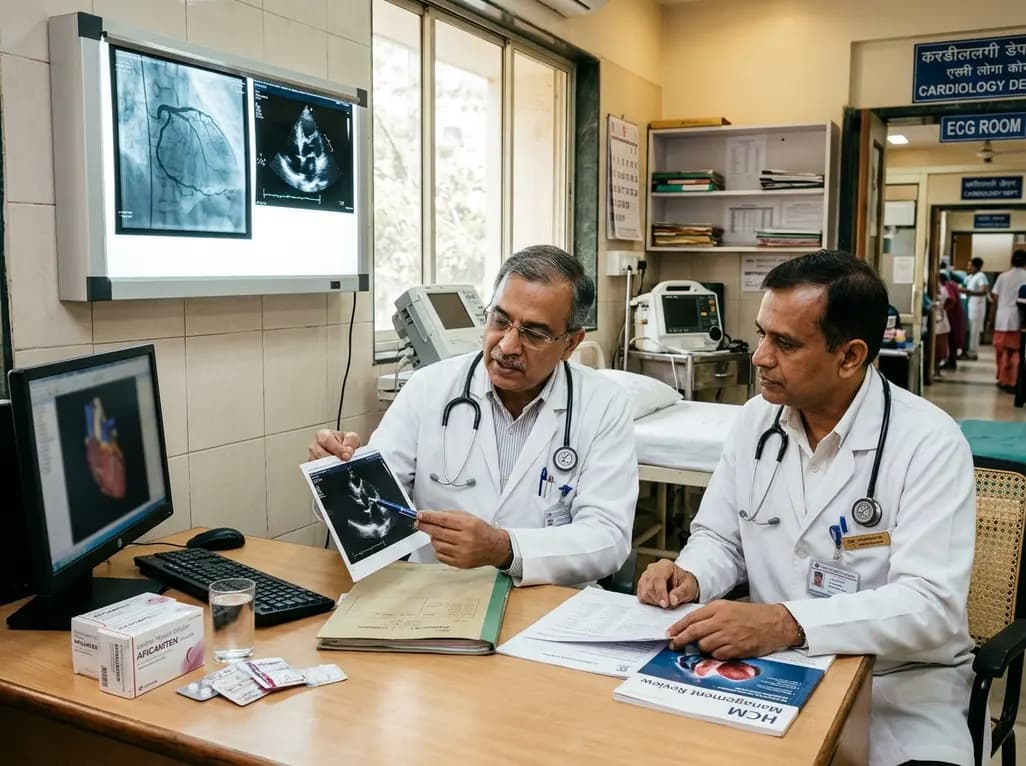
A comprehensive clinical review of medical management, cardiac myosin inhibitors, and procedural approaches supporting septal reduction therapy in obstructive HCM.
Today

A clinical overview of resveratrol supplementation in mitigating exercise-induced muscle damage. This narrative review explores physiological mechanisms, reductions in soreness markers like creatine kinase, dosage strategies, and bioavailability enhancements for sports medicine and nutrition practitioners.
Today
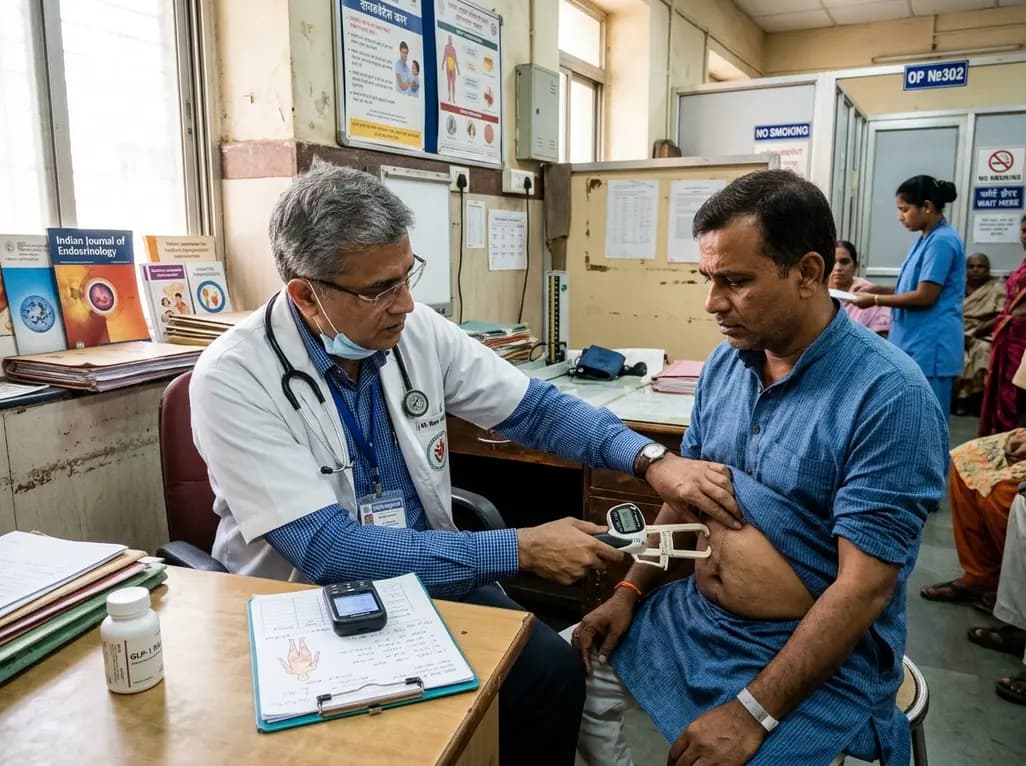
Indian patients present unique metabolic traits, including lower muscle mass and higher visceral adiposity at lower BMI levels. Endocrinologists urge moving past simple scale weight when prescribing GLP-1 receptor agonists, highlighting comprehensive nutritional assessments, muscle function, and organ protection.
Today
