.webp&w=384&q=75)

Loading, please wait...
Loading, please wait...

Anti-VEGF therapy in India has fundamentally altered the management of retinal vascular disorders over the last two decades. Traditionally, laser photocoagulation was the primary treatment for conditions like diabetic macular edema. However, the discovery of Vascular Endothelial Growth Factor as a central driver of neovascularization changed clinical practice. Early agents like pegaptanib paved the way for more potent molecules. Furthermore, the development of ranibizumab and aflibercept provided clinicians with highly effective tools to preserve vision and improve patient outcomes.
The Indian healthcare landscape presents unique economic challenges for patients requiring long-term retinal care. Consequently, the high cost of innovator biologics often limits treatment adherence in many cases. To address this, India pioneered the use of biosimilar ranibizumab to improve affordability. These biosimilars offer similar efficacy and safety profiles compared to their reference products. Moreover, they significantly reduce the financial burden on families. In addition, off-label bevacizumab remains a widely used, cost-effective alternative in many clinical settings across the country.
Clinicians must maintain strict safety standards when administering intravitreal injections. Specifically, monitoring for endophthalmitis and intraocular pressure spikes is essential. Newer bispecific antibodies like faricimab now offer the potential for extended dosing intervals. This advancement may reduce the treatment burden for patients with age-related macular degeneration. Ultimately, providing high-quality retinal care requires a balance between innovation and equitable access for the diverse Indian population.
The most common agents include ranibizumab, aflibercept, brolucizumab, and faricimab. Additionally, biosimilar ranibizumab and off-label bevacizumab are frequently utilized due to cost considerations.
Biosimilars have made advanced retinal therapy more accessible to a larger segment of the population. By reducing the price of therapy by 35% to 50%, they help improve long-term treatment compliance for chronic conditions.
Disclaimer: This content is for informational and educational purposes only. It does not constitute professional medical advice, diagnosis, or treatment. Always seek the advice of your physician or other qualified healthcare provider with any questions you may have regarding a medical condition. Refer to the latest local and national guidelines for clinical practice.
References
Verma L et al. Peep into anti-vascular endothelial growth factor. Indian J Ophthalmol. 2026 May 01. doi: 10.4103/IJO.IJO_385_26. PMID: 42060349.
Sharma A et al. Biosimilar anti-VEGF: transforming retina treatment economics in South Asia. Gabionline.net (2023).
Pramanik S et al. Efficacy and Cost-Effectiveness of Anti-VEGF for Treating Diabetic Retinopathy in the Indian Population. Dove Medical Press (2021).

Read summarized clinical updates, watch expert medical content, and earn CME certifications right from your smartphone.
Open your smartphone camera to scan and install.





A comprehensive guide on anti-VEGF agents in India, discussing their evolution, clinical use, and the pivotal role of biosimilars in treating retinal diseas...
5 months ago
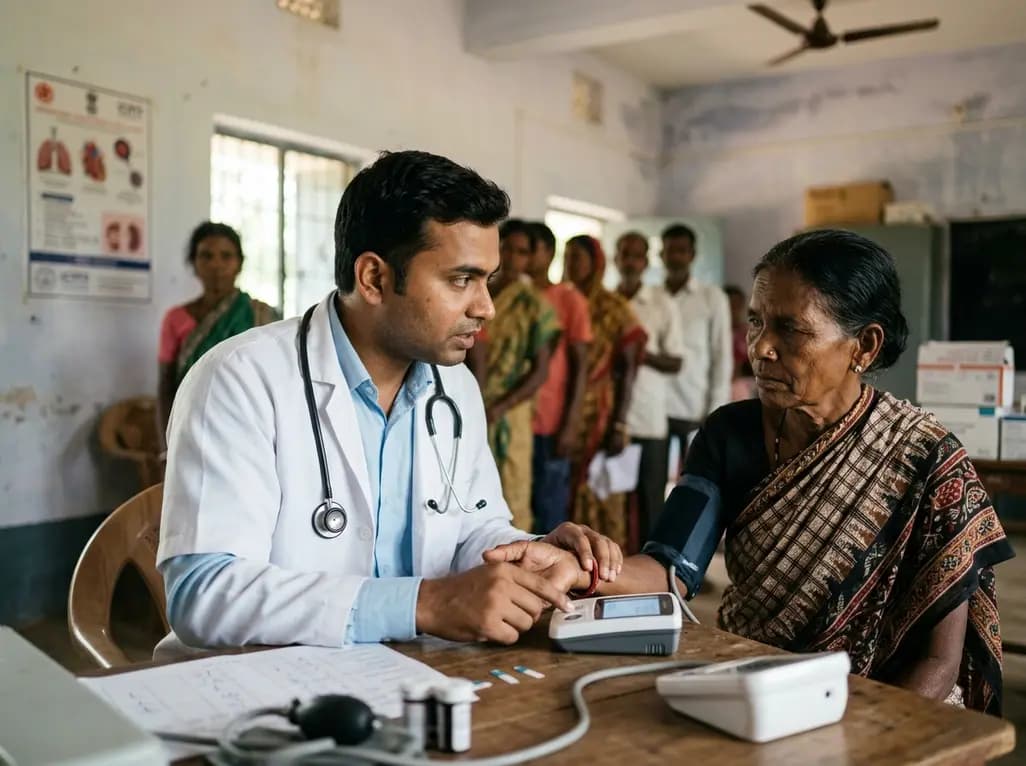
An ICMR study reveals that nearly 25% of tribal adults in Odisha suffer from renal decline. Driven by untreated hypertension, diabetes, and lifestyle risks, this hidden burden highlights the critical need for point-of-care diagnostics, proactive screening, and targeted non-communicable disease interventions.
Today

A study in Ultrasound in Obstetrics & Gynecology shows that quantitative vascularization of the anterior fornix/cervix with transvaginal ultrasound reliably identifies placenta accreta spectrum and predicts severe intraoperative hemorrhage, offering vital objective risk stratification.
Today
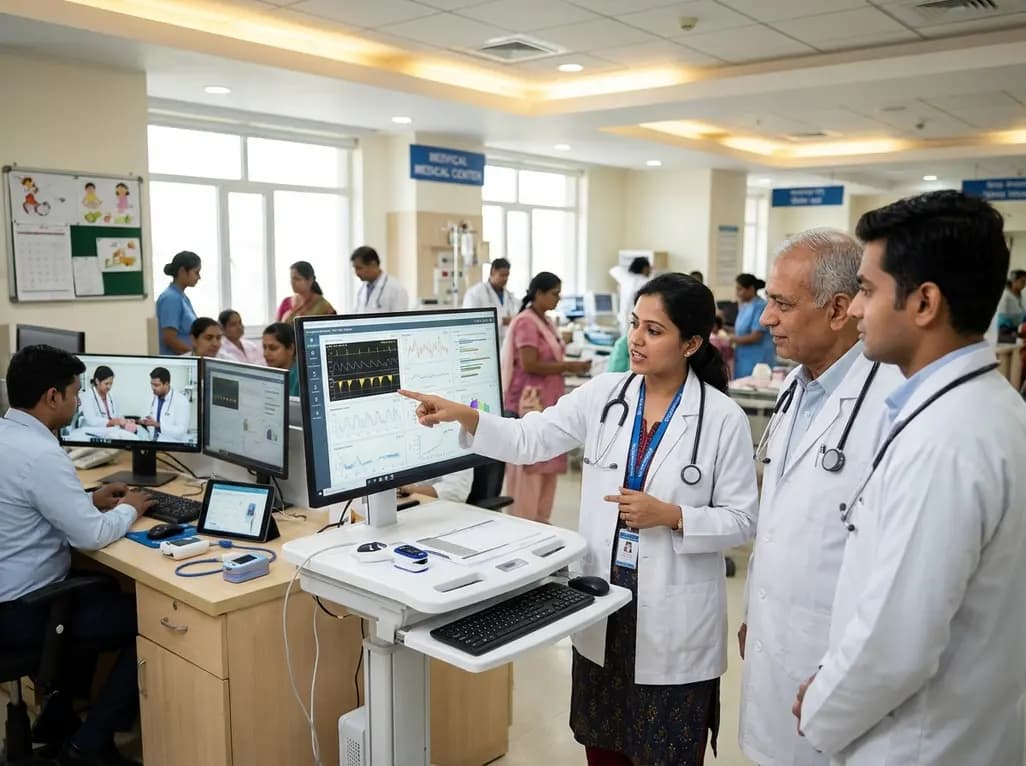
A landmark study details how an enterprise pediatric remote patient management model expanded from a single cardiology pilot to 16 diverse specialty programs by combining centralized digital operations with specialty clinical leadership.
Yesterday
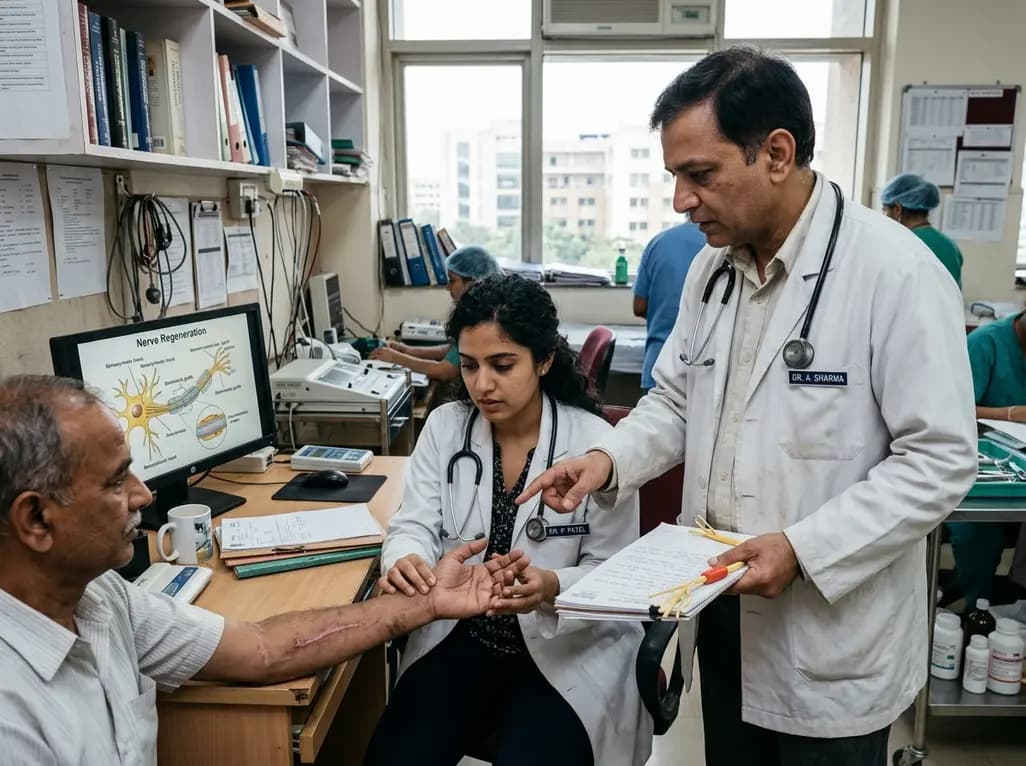
Peripheral nerve injuries present clinical challenges due to regenerative mismatches between sensory and motor neurons. This review explores cutting-edge tissue-engineered nerve grafts designed as central-peripheral signal relays to overcome denervation atrophy and restore functional motor-sensory recovery.
Today
Protein O-GlcNAcylation couples cellular nutrient status to vital neuronal functions. This review explores how disrupted O-GlcNAc cycling drives both neurodevelopmental delays and neurodegenerative cascades, positioning metabolic post-translational modifications as therapeutic targets in clinical neurology.
Today
