.webp&w=384&q=75)

Loading, please wait...
Loading, please wait...

Alternating hemiplegia of childhood represents a devastating neurodevelopmental channelopathy characterized by severe paroxysmal events. Clinicians identify this ultra-rare condition by recurrent episodes of hemiplegia during early infancy. However, recent systematic analyses emphasize that this pathology extends far beyond episodic motor weakness. In fact, affected children experience an evolving multisystem disorder. This condition causes progressive interictal motor deficits, intellectual disability, autonomic dysfunction, and severe psychiatric challenges. Therefore, pediatricians and pediatric neurologists must promptly recognize the underlying clinical signs. Early identification prevents diagnostic delays and facilitates appropriate multidisciplinary management.
Pathogenic de novo missense mutations in the ATP1A3 gene cause alternating hemiplegia of childhood in approximately eighty-five percent of patients. This gene encodes the catalytic alpha-3 subunit of the neuronal sodium-potassium ATPase. Consequently, these genetic alterations disrupt vital electrochemical gradients across neuronal membranes. Impaired pump function triggers abnormal neuronal depolarization, which alters intracellular calcium homeostasis. Furthermore, three recurrent hotspot mutations account for the majority of confirmed clinical cases worldwide. These prominent variants comprise p.Asp801Asn, p.Glu815Lys, and p.Gly947Arg. Genotype-phenotype analyses demonstrate striking clinical correlations among these specific variants. Specifically, the p.Glu815Lys mutation produces the most severe clinical course. Patients harboring this variant frequently experience neonatal-onset seizures, profound intellectual impairment, and early motor regression. In contrast, individuals with the p.Gly947Arg mutation generally exhibit a milder clinical trajectory with preserved functional abilities. Meanwhile, the p.Asp801Asn mutation represents an intermediate phenotype with prominent dystonia and unique electrophysiological features. Thus, genetic sequencing provides crucial diagnostic certainty and vital prognostic insights for clinicians counseling affected families.
The clinical onset of this disorder characteristically occurs before eighteen months of age. Initially, neonates and young infants display abnormal paroxysmal ocular movements. These abnormal movements include episodic monocular nystagmus, strabismus, and wandering eye movements. Soon after, patients develop episodic unilateral or bilateral weakness. Hemiplegic spells frequently shift from one side of the body to the other during subsequent episodes. Additionally, attacks may progress to flaccid quadriplegia, which induces profound respiratory and bulbar vulnerability. Paroxysmal dystonia, chorea, and tonic stiffening often precede or accompany these paralytic episodes. Environmental triggers frequently provoke these disabling spells. Common precipitants include emotional excitement, ambient temperature fluctuations, psychological stress, minor head trauma, and water exposure. Remarkably, sleep acts as an instantaneous abortive mechanism for paroxysmal weakness. Episodes characteristically vanish when the child sleeps, although deficits may resume shortly after awakening. Over time, episodic attacks diminish in frequency during late childhood and adolescence. However, persistent interictal motor deficits progressively emerge, which limits independent ambulation and coordination.
Beyond episodic motor attacks, patients face substantial neurological and psychiatric comorbidities. Epilepsy develops in approximately fifty to sixty percent of individuals during their clinical course. Furthermore, distinguishing epileptic seizures from paroxysmal non-epileptic events poses a major diagnostic dilemma. Seizures often manifest as focal motor attacks, generalized tonic-clonic convulsions, or life-threatening status epilepticus. Notably, status epilepticus occurs with high frequency in children carrying the p.Glu815Lys variant. Cognitive regression also represents a major clinical challenge. Affected children experience developmental plateauing or progressive intellectual impairment after recurrent severe episodes. In addition, behavioral and psychiatric disorders affect more than half of all patients. Caregivers frequently report severe emotional dysregulation, hyperactivity, and episodic aggression. Moreover, severe autism spectrum traits and self-injurious behaviors occur with alarming regularity. Sleep architecture also suffers severe disruption in this cohort. Patients routinely suffer from frequent nocturnal arousals, sleep-disordered breathing, and obstructive apnea. Consequently, these cumulative neuropsychiatric burdens substantially impair overall quality of life.
Emerging clinical evidence highlights significant cardiac and autonomic involvement as critical determinants of mortality. The ATP1A3 pump functions in both cardiac conduction tissue and central autonomic regulatory nuclei. Therefore, pathogenic variants generate lethal arrhythmogenic risks alongside neurological symptoms. Electrocardiographic abnormalities occur in over half of monitored patients. Clinicians frequently identify dynamic repolarization anomalies, baseline sinus tachycardia, and sudden heart rate variability. Most notably, researchers observe pronounced QTc shortening in carriers of the p.Asp801Asn variant. This abbreviated ventricular repolarization substantially increases susceptibility to life-threatening ventricular arrhythmias. Additionally, autonomic instability precipitates sudden hemodynamic swings, temperature dysregulation, and episodic skin flushing. These combined cardiac abnormalities and autonomic crises contribute directly to sudden unexpected death in pediatric patients. Consequently, clinicians must implement routine cardiovascular surveillance protocols. Routine twelve-lead electrocardiograms and twenty-four-hour Holter monitoring are essential for all diagnosed individuals. Furthermore, cardiologists must evaluate these patients periodically to mitigate sudden cardiac arrest risks.
Comprehensive diagnostic evaluation requires brain neuroimaging, genetic sequencing, and serial neurophysiological studies. Initial magnetic resonance imaging often appears normal in young infants. However, serial imaging over time reveals progressive cerebral white matter volume loss and progressive cerebellar atrophy. In advanced stages, clinicians occasionally observe hippocampal sclerosis and insular cortical thinning. Currently, disease-modifying therapies remain unavailable, so clinicians focus on symptom prevention and supportive care. Flunarizine represents the international cornerstone of prophylactic medical therapy. This calcium channel antagonist reduces the duration, frequency, and severity of paralytic spells. Additionally, recent clinical investigations demonstrate meaningful therapeutic benefits with cannabidiol. Cannabidiol significantly decreases seizure burden and ameliorates severe behavioral outbursts. Furthermore, acute rescue protocols utilize benzodiazepines to induce immediate sleep and abort prolonged attacks. Multidisciplinary management also requires physical therapy, occupational therapy, and speech interventions. Similarly, aggressive nutritional support and behavioral therapy improve long-term outcomes. Therefore, specialized tertiary centers provide the optimal collaborative framework for managing this devastating condition.
De novo missense mutations in the ATP1A3 gene cause alternating hemiplegia of childhood in the vast majority of cases. Consequently, these variants disrupt the essential alpha-3 subunit of the sodium-potassium ATPase pump in neurons. The three most prevalent pathogenic variants include p.Asp801Asn, p.Glu815Lys, and p.Gly947Arg. In addition, the p.Glu815Lys mutation consistently correlates with a more severe clinical phenotype, characterized by early-onset intractable epilepsy, profound intellectual disability, and significant motor impairment.
Clinicians distinguish hemiplegic episodes by observing that consciousness typically remains preserved during pure paroxysmal weakness. Furthermore, electroencephalography during hemiplegic spells reveals background slowing rather than epileptiform discharges. In contrast, true epileptic seizures often involve impaired awareness, tonic-clonic motor activity, and focal or generalized epileptiform discharges. Sleep represents a crucial diagnostic hallmark because it promptly aborts hemiplegic spells. Therefore, detailed clinical history and concurrent video-EEG monitoring provide vital assistance in differentiating these complex events.
Flunarizine serves as the established first-line prophylactic medication for reducing the severity and frequency of paroxysmal episodes. Additionally, oral or rectal benzodiazepines such as diazepam or midazolam can induce sleep, which reliably terminates active hemiplegic attacks. Emerging clinical evidence also supports cannabidiol as a beneficial adjunctive therapy for both refractory seizures and severe behavioral symptoms. Consequently, treating physicians must tailor pharmacological regimens carefully while monitoring potential side effects, including sedation, mood changes, and weight gain.
Disclaimer: This content is for informational and educational purposes only... Refer to the latest local and national guidelines for clinical practice.
References

Read summarized clinical updates, watch expert medical content, and earn CME certifications right from your smartphone.
Open your smartphone camera to scan and install.





Alternating hemiplegia of childhood is a rare ATP1A3-related neurodevelopmental disorder causing paroxysmal hemiplegic episodes, epilepsy, and cognitive decline. This comprehensive review examines its clinical manifestations, cardiac risks, diagnostic findings, and current therapeutic approaches.
Today

Hospitalization for severe viral lower respiratory tract disease causes lasting physical, psychological, and productivity burdens for patients and their caregivers. Real-world multinational data reveal major gaps in discharge planning, emphasizing the urgent need for structured transitional pulmonary care.
Today
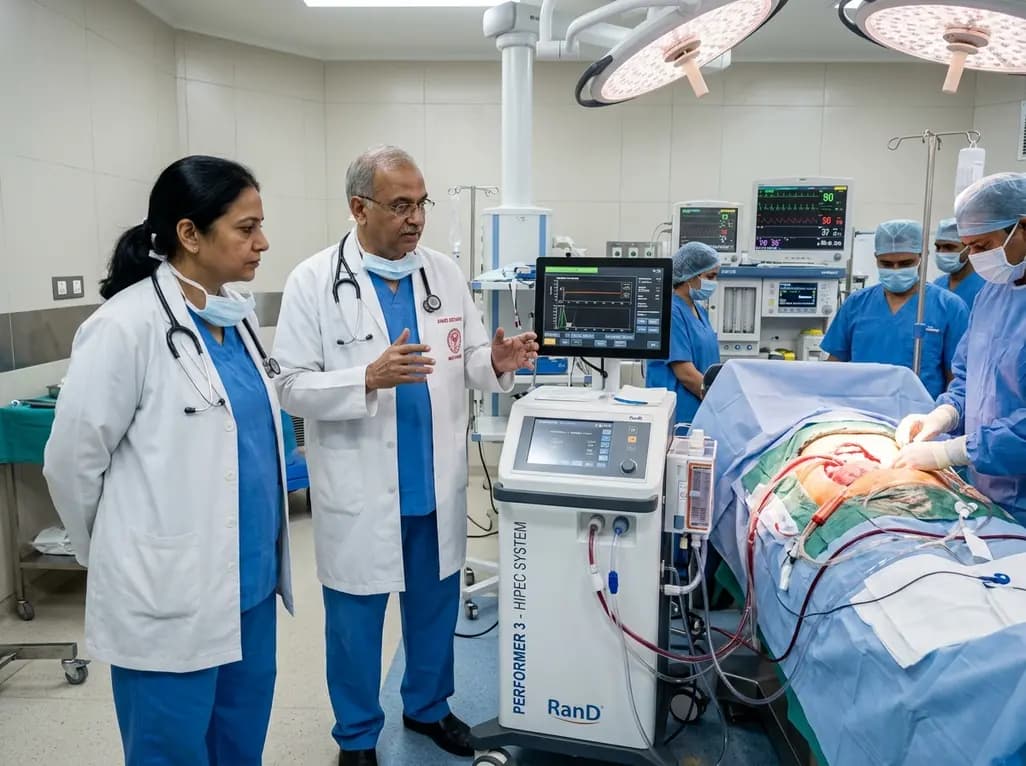
AIIMS Bathinda has inaugurated a specialized peritoneal oncology service featuring the RanD Performer 3 HIPEC platform. The facility offers cytoreductive surgery alongside hyperthermic intraperitoneal chemotherapy, transforming regional management for advanced ovarian, colorectal, and appendiceal malignancies.
Today

Cinematic rendering utilizes advanced global illumination to transform coronary CT angiography datasets. This imaging technique provides lifelike depth perception, helping cardiologists and surgeons precisely evaluate anomalous coronary artery origins, high-risk interarterial courses, and post-surgical anatomy.
Today
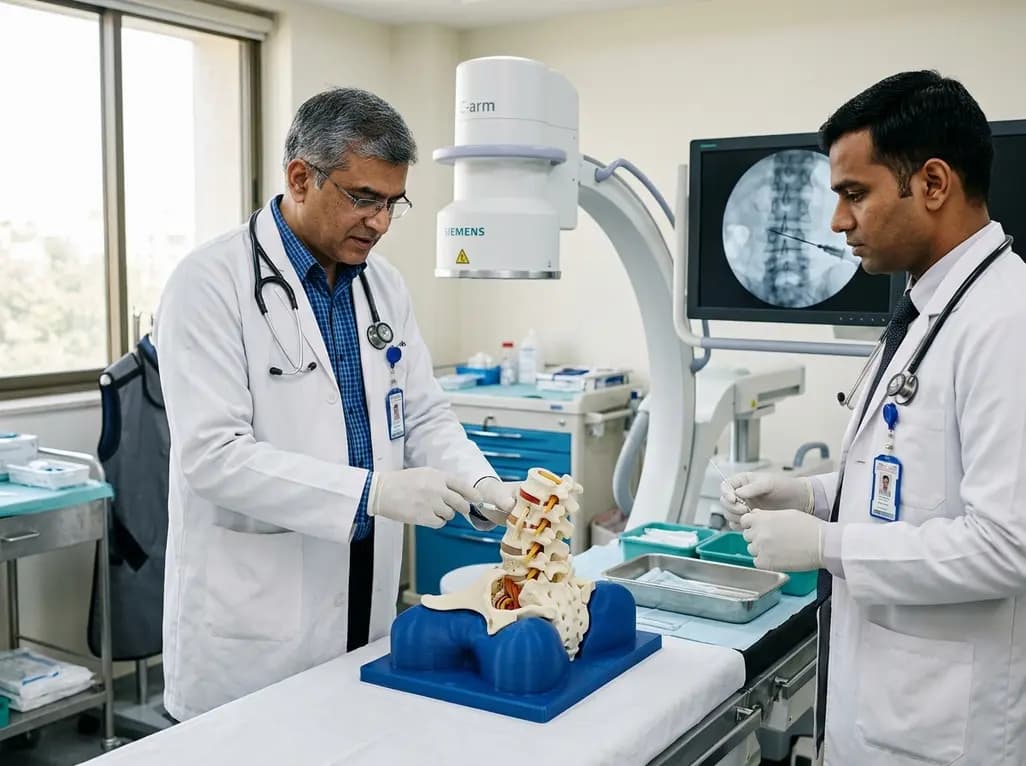
A novel 3D-printed lumbar spine simulator with tunable radiopacity provides realistic tactile and radiographic feedback for fluoroscopy-guided intervertebral disc puncture training, offering a low-cost, ethical alternative to cadaver models.
Today

A breakthrough study reveals that loss of SELENOT in hypothalamic POMC neurons triggers premature cellular senescence, ATF6α stress activation, and ER calcium depletion, linking neuroendocrine decay to metabolic disease.
Today
