.webp&w=384&q=75)

Loading, please wait...
Loading, please wait...

The all-oral TB treatment for drug-resistant tuberculosis is a significant breakthrough in India's National TB Elimination Programme. A recent study by the ICMR National Institute for Research in Tuberculosis (NIRT) confirms that six-month regimens are superior to longer alternatives. These findings, published in the Indian Journal of Medical Research, highlight both clinical efficacy and financial sustainability. Consequently, these shorter protocols align perfectly with the national goal of eliminating tuberculosis by 2025.
The economic evaluation focused on the BPaL and BPaLM regimens. These protocols utilize bedaquiline, pretomanid, and linezolid, with BPaLM adding moxifloxacin. Specifically, the study compared these six-month options against the standard 9-to-11-month and 18-to-20-month plans. Researchers discovered that the BPaL regimen actually saves the health system money. For every additional quality-adjusted life year gained, the system spends Rs 379 less per patient. Similarly, the BPaLM regimen proved highly cost-effective, costing only an additional Rs 37 per patient compared to the standard. Therefore, these regimens provide better health at a lower cost to the public treasury.
Shorter treatment durations significantly improve patient adherence to therapy. Drug-resistant TB treatment traditionally poses massive challenges due to prolonged schedules and severe side effects. However, the all-oral TB treatment reduces these burdens significantly. By cutting treatment time to just six months, patients can return to their normal lives much faster. Furthermore, this shift reduces the overall workload on healthcare facilities. Since the National TB Elimination Programme (NTEP) has already approved BPaLM, these findings strengthen the case for rapid nationwide adoption.
Q1: What is the difference between BPaL and BPaLM?
BPaL consists of three drugs: bedaquiline, pretomanid, and linezolid. BPaLM includes the same three drugs plus moxifloxacin, which provides additional coverage against certain resistant strains.
Q2: How much time does the new treatment take?
The new all-oral treatment regimens take only six months to complete. This is a significant reduction from previous drug-resistant TB treatments that often lasted between 18 and 20 months.
Q3: Is this treatment available under the government program?
Yes, the Union Health Ministry of India has approved the introduction of the BPaLM regimen under the National TB Elimination Programme (NTEP) as of September 2024.
Disclaimer: This content is for informational and educational purposes only. It does not constitute medical advice or replace professional judgment. Refer to the latest local and national guidelines for clinical practice.
References

Read summarized clinical updates, watch expert medical content, and earn CME certifications right from your smartphone.
Open your smartphone camera to scan and install.





ICMR study confirms that 6-month all-oral BPaL/BPaLM regimens for drug-resistant TB are more cost-effective and effective than longer NTEP plans in India....
8 months ago
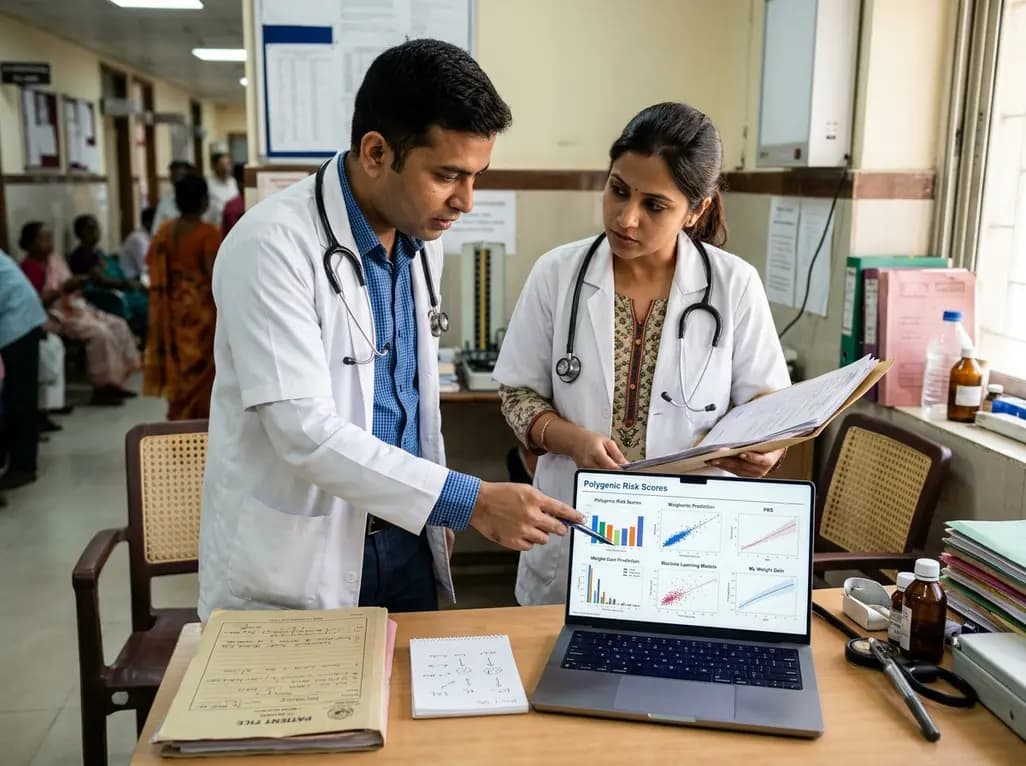
An observational study from the NIH All of Us Research Program reveals that adding a multi-ancestry polygenic risk score to machine learning models provides only modest improvements in predicting adult weight gain, underscoring the enduring significance of routine clinical and lifestyle factors.
Today
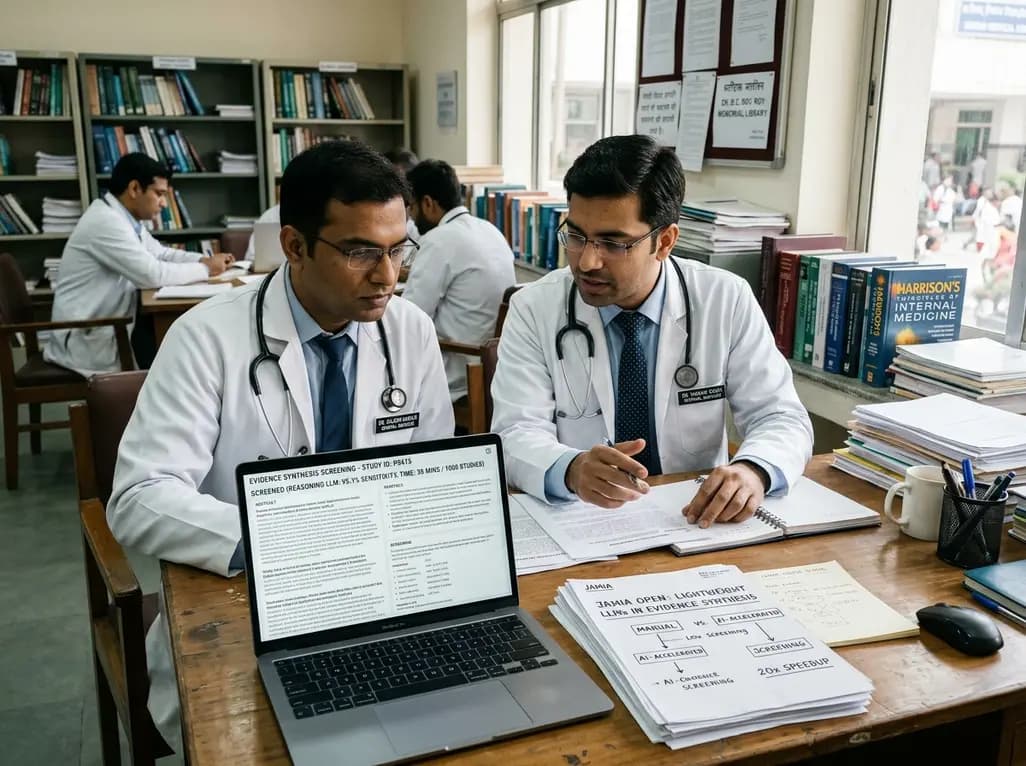
A study in JAMIA Open shows lightweight open-source reasoning LLMs achieve up to 95% sensitivity and accelerate evidence synthesis screening by nearly twentyfold, presenting a cost-effective, scalable AI solution for biomedical research and systematic reviews.
Today
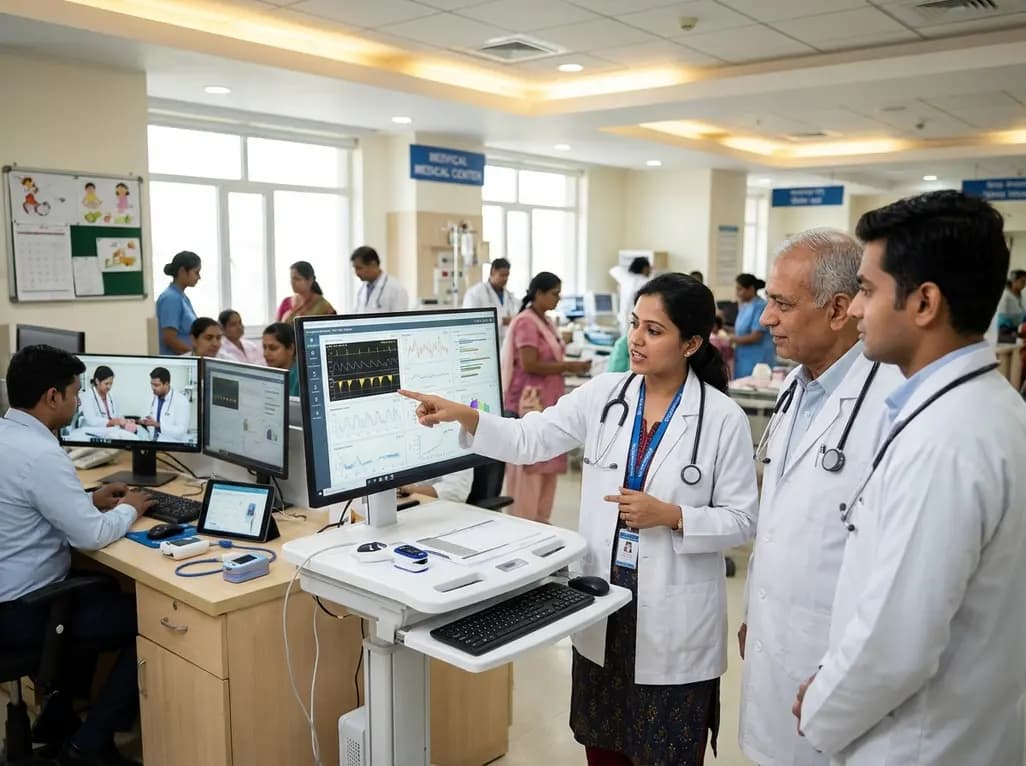
A landmark study details how an enterprise pediatric remote patient management model expanded from a single cardiology pilot to 16 diverse specialty programs by combining centralized digital operations with specialty clinical leadership.
Yesterday

A comparative review of tension band wiring and intramedullary screw fixation in thumb metacarpophalangeal arthrodesis, evaluating union rates, hardware complications, and clinical outcomes.
Yesterday
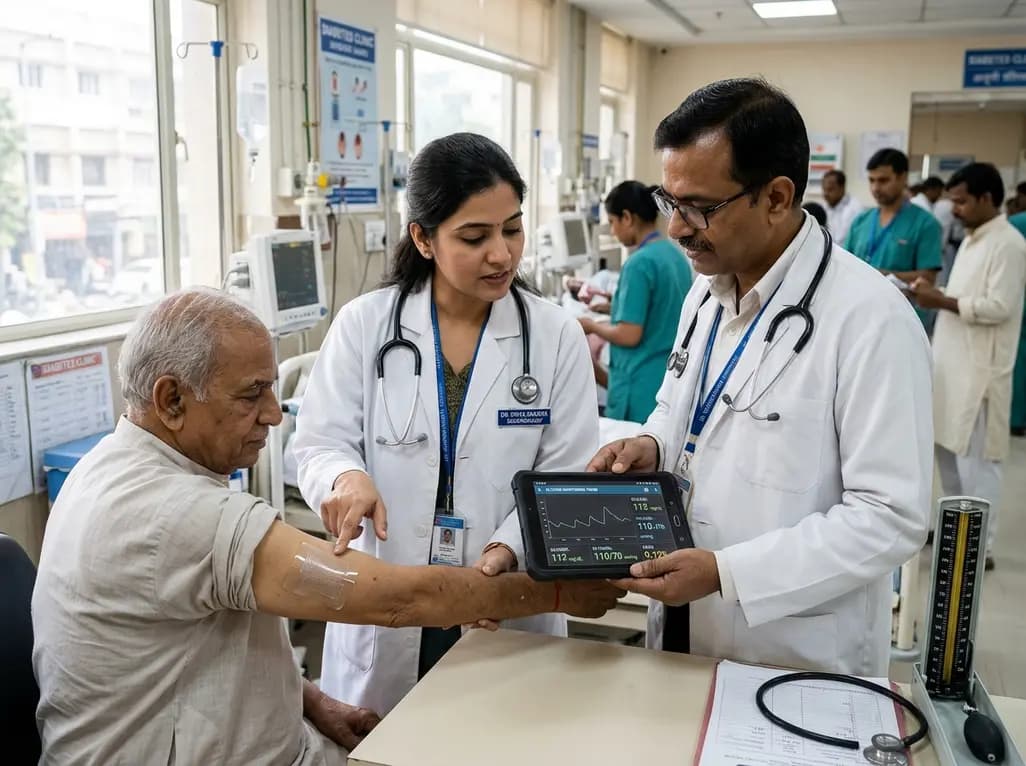
A breakthrough ultrathin multimodal sensor decouples physical hemodynamic monitoring from disposable electrochemical calibration, achieving long-term wearable glucose prediction with 81.36% accuracy and a 9.12% MARD. This offers a robust, drift-free solution for outpatient metabolic surveillance.
Yesterday
